
TL;DR

Get games and gaming gear delivered free — and shop member deals
- Fast, free delivery on millions of items
- Access to Prime Big Deal Days deals on October 6–7
- Prime Video, Amazon Music and more included
Numerous routers marketed as Wi-Fi 7 lack essential features such as Multi-Link Operation (MLO), due to trademark loopholes and certification gaps. Consumers should scrutinize product claims carefully.
Many routers branded as Wi-Fi 7 are not fully compliant with the standard’s core features, despite the marketing claims. This discrepancy is driven by trademark loopholes and certification issues, affecting consumer expectations and spending.
Wi-Fi 7, officially known as IEEE 802.11be, introduces significant upgrades such as 320 MHz channel widths, 4K-QAM modulation, and Multi-Link Operation (MLO). MLO is crucial for achieving lower latency and higher throughput by simultaneously using multiple frequency bands. However, recent tests by RTINGS indicate that most commercially available Wi-Fi 7 routers do not support true simultaneous MLO, instead alternating bands, which diminishes performance benefits.
Adding to the confusion, the Wi-Fi Alliance owns the trademark for “Wi-Fi” with a hyphen. Some manufacturers label their products as “WiFi 7” (without the hyphen), which technically allows them to bypass certification requirements and sell devices that may omit key features like MLO. This practice can lead consumers to pay premium prices for routers that do not deliver the promised capabilities.
Furthermore, the certification process for Wi-Fi 7 devices remains complicated. As of March 2026, the Federal Communications Commission (FCC) has blocked the certification of new wireless hardware outside the US, limiting the availability of Wi-Fi 7 routers in the American market. Only select brands that promise to manufacture domestically are exempt from this ban, leaving many products in limbo.
Impacts of Misleading Wi-Fi 7 Labels on Consumers
This situation means that consumers may spend hundreds of dollars on routers marketed as Wi-Fi 7 expecting advanced features and performance, but end up with devices that lack critical capabilities like true MLO. Since Wi-Fi 7 is a hardware standard, the full benefits depend on both device hardware and compatible internet plans. Misleading labels could lead to dissatisfaction and misallocation of resources, especially as most current devices and internet plans do not yet leverage Wi-Fi 7’s full potential.
Additionally, the lack of strict certification enforcement and the loopholes around trademarks create an uneven playing field, favoring manufacturers who can bypass standards and sell under false pretenses. This could slow adoption of genuine Wi-Fi 7 technology and hinder consumer trust in the market.
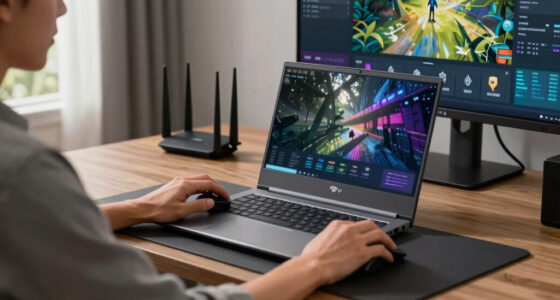
Wi-Fi 7 router with Multi-Link Operation
As an affiliate, we earn on qualifying purchases.
As an affiliate, we earn on qualifying purchases.
Background and Recent Market Developments
Wi-Fi 7, or IEEE 802.11be, was designed to significantly improve wireless networking with features like wider channels, higher modulation, and multi-band operation. Despite its technological promise, actual market deployment has been slow, partly due to regulatory hurdles like the FCC’s recent ban on new hardware certification outside the US. This regulatory environment, combined with the trademark loophole, has allowed some brands to market “Wi-Fi 7” routers that lack the most important features, creating confusion among consumers.
Previous Wi-Fi standards, such as Wi-Fi 6 and 6E, set the stage for faster, more reliable home networks, but the transition to Wi-Fi 7 has been uneven. Only the latest devices, such as Apple’s Wi-Fi 7 laptops, incorporate the new chips, while most routers on the market are still based on earlier standards or incomplete implementations of Wi-Fi 7.
“Most Wi-Fi 7 routers do not support true simultaneous MLO; instead, they alternate bands, reducing the expected performance gains.”
— RTINGS Testing Team
As an affiliate, we earn on qualifying purchases.
Extent of the MLO Implementation Gap in Market
While tests indicate most routers do not support true simultaneous MLO, the precise percentage of devices lacking full compliance remains unclear. Manufacturers may update firmware or hardware, but current market offerings vary widely in capabilities.
It is also uncertain how regulatory changes, like the FCC ban, will influence future product certifications and labeling practices in the US and globally.
As an affiliate, we earn on qualifying purchases.
Future Market Trends and Consumer Guidance
Manufacturers may improve hardware to support true MLO, but consumers should remain cautious about claims on packaging. Regulatory agencies could tighten certification standards, reducing the prevalence of misleading labels. For buyers, expert reviews and technical testing will be crucial in verifying actual device capabilities before purchase.
As the market evolves, expect more transparent labeling and possibly new standards enforcement to prevent misleading marketing practices related to Wi-Fi 7 devices.
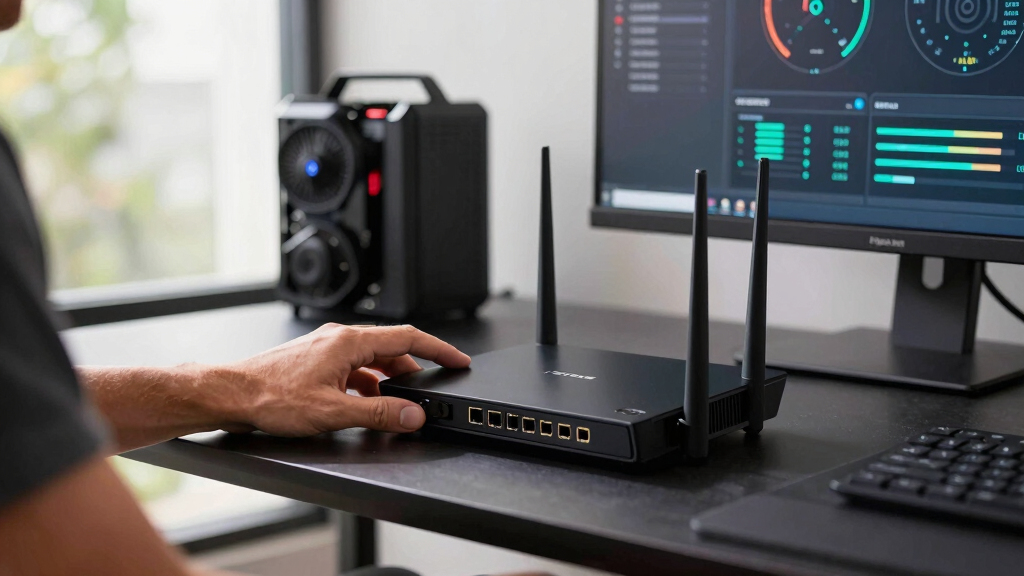
Wi-Fi 7 router with true MLO support
As an affiliate, we earn on qualifying purchases.
As an affiliate, we earn on qualifying purchases.
Key Questions
Does a Wi-Fi 7 router guarantee faster internet speeds?
Not necessarily. Wi-Fi 7 can deliver higher local speeds, but your actual internet speed depends on your ISP plan. Many routers labeled Wi-Fi 7 may not support full features like true MLO, which impacts performance benefits.
Can I trust the Wi-Fi 7 label when shopping?
Consumers should be cautious. The presence of the Wi-Fi 7 label does not guarantee the device supports all the key features, especially if the label is “WiFi 7” without the hyphen, which is not trademarked and less regulated.
What features should I look for in a Wi-Fi 7 router?
Look for specifications indicating support for Multi-Link Operation (MLO), 320 MHz channels, and 4K-QAM. Verify whether the device has the hardware to support true simultaneous MLO, not just band switching.
Will all devices benefit from Wi-Fi 7 upgrades?
No. Most current devices, including smartphones and laptops, are not yet equipped with Wi-Fi 7 chips. The full benefits will only be realized when both routers and client devices support the standard.
How might regulatory changes affect Wi-Fi 7 device availability?
The recent FCC ban on certification outside the US has limited new Wi-Fi 7 device approvals, which could slow market entry and reduce consumer options in the near future.
Source: Engadget
Halloween Picks
halloween
As an affiliate, we earn on qualifying purchases.