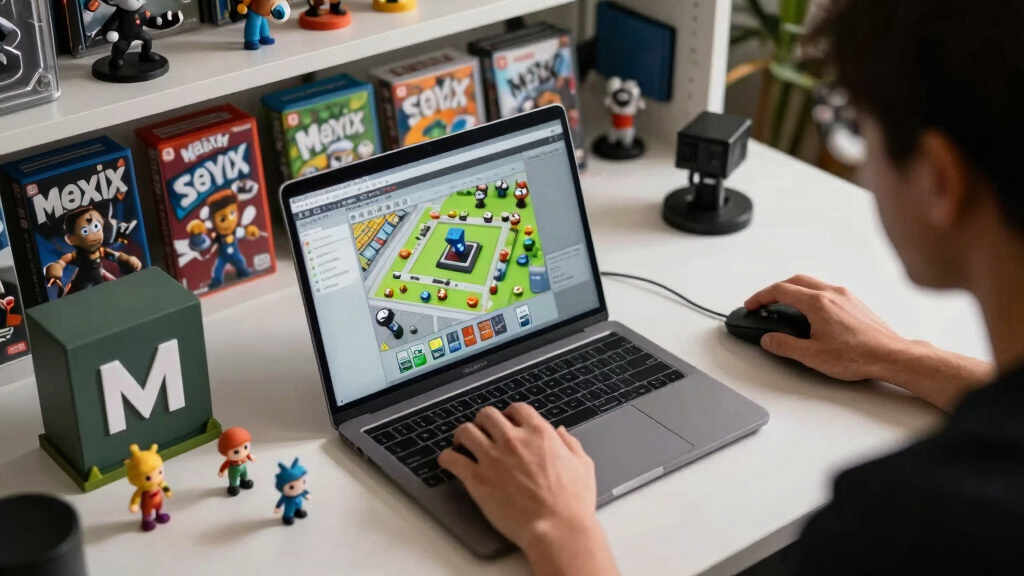

TL;DR
This article explores Maxis, its founding, and the significance of SimCity as a groundbreaking game. It details how Maxis shaped gaming history and what remains uncertain about its future.
Maxis, the pioneering game developer behind SimCity, is being revisited in a detailed retrospective that highlights its role in transforming gaming from niche entertainment to a mainstream cultural phenomenon. This exploration underscores the company’s influence and the enduring legacy of its most famous title, which continues to shape the industry today.
Founded in 1987 by Will Wright and others, Maxis became renowned for creating simulation games that appealed to a broad audience beyond traditional gamers. Its flagship title, SimCity, released in 1989, was groundbreaking in its approach to urban planning and open-ended gameplay. The game was praised for its innovative design, which combined engaging mechanics with a serious theme, inspiring both media coverage and academic interest.
Recent analyses, including insights from industry historians, emphasize that Maxis’s success was driven by its ability to attract players who were not typically gamers, thus broadening the market. SimCity’s impact was so profound that it prompted Time magazine to review a computer game for the first time, highlighting its cultural significance. Despite its popularity, Maxis faced challenges in maintaining its innovative edge, and the company’s trajectory has been marked by both triumphs and uncertainties about its future direction.
Maxis’s Role in Shaping Gaming’s Mainstream Appeal
The company’s focus on simulation and accessible gameplay helped expand the gaming audience to include adults, educators, and policymakers. This shift has had lasting effects, influencing how games are developed, marketed, and perceived culturally. The enduring popularity of SimCity and other Maxis titles underscores their importance in the history of digital entertainment and their ongoing relevance in discussions about simulation and serious gaming.
![SimCity Complete Edition - Origin PC [Online Game Code]](https://m.media-amazon.com/images/I/61N9POqGj4L._SL500_.jpg)
SimCity Complete Edition – Origin PC [Online Game Code]
Get all the extras with SimCity: Complete Edition.
As an affiliate, we earn on qualifying purchases.
As an affiliate, we earn on qualifying purchases.
Historical Impact of Maxis and SimCity
Maxis was founded during a period of rapid technological change in the late 1980s, when personal computers were becoming more widespread. Will Wright’s vision for SimCity was rooted in the idea of creating a game that was both entertaining and educational, appealing to a broad demographic. The game’s success helped legitimize simulation as a genre and influenced countless other titles. Over the years, Maxis expanded its portfolio, but SimCity remained its most iconic product, inspiring numerous sequels, spin-offs, and imitators.
Despite its influence, Maxis’s history is also marked by corporate shifts, including its acquisition by Electronic Arts in 1997. The company’s innovative spirit faced challenges as the industry evolved, leading to periods of dormancy and rebranding. Recent years have seen renewed interest in Maxis’s legacy, partly driven by nostalgia and ongoing academic interest in simulation games as cultural artifacts.
“SimCity was more than a game; it was a reflection of how people thought about cities and planning. It opened doors to new ways of thinking about simulation.”
— Will Wright

Building SimCity: How to Put the World in a Machine (Game Histories)
As an affiliate, we earn on qualifying purchases.
As an affiliate, we earn on qualifying purchases.
Unresolved Questions About Maxis’s Future and Legacy
It remains unclear how Maxis will evolve in the current gaming landscape, especially after recent corporate restructuring and shifts in focus. The future of its classic titles, including potential remakes or new innovations, is still uncertain. Additionally, the extent of Maxis’s influence on upcoming generations of game designers and the preservation of its legacy are ongoing questions.
![The Sims 4 - Vampires - Origin PC [Online Game Code]](https://m.media-amazon.com/images/I/513y5rPI8OL._SL500_.jpg)
The Sims 4 – Vampires – Origin PC [Online Game Code]
Requires The Sims 4 & all game updates. For PC, see minimum system requirements for the pack.
As an affiliate, we earn on qualifying purchases.
As an affiliate, we earn on qualifying purchases.
Next Steps for Maxis and Its Cultural Impact
Industry analysts anticipate that Maxis may soon announce new projects or remakes of its classic titles, aiming to capitalize on nostalgia and ongoing interest in simulation. Further academic and industry research is expected to explore Maxis’s role in shaping gaming’s mainstream acceptance. Fans and scholars alike will be watching for developments that could redefine Maxis’s place in gaming history.

Rhesusco RG56PRO Retro Video Game Console – 5.5 Inch IPS Screen,31000+ Classic 3D Games,5000mAh Battery, Open Linux System,Portable Console with 128G TF Card – Birthday Gift for Boyfriend (Black)
Smooth Open-Source Linux System:This RG56 PRO retro Video handheld game console features a flexible open-source Linux system and…
As an affiliate, we earn on qualifying purchases.
As an affiliate, we earn on qualifying purchases.
Key Questions
What was Maxis’s most influential game?
SimCity is widely regarded as Maxis’s most influential title, pioneering city-building simulation and expanding gaming’s cultural reach.
Will Maxis release new games or remakes?
There have been no official announcements yet, but industry insiders speculate that Maxis may reveal new projects or remakes soon, especially given renewed interest in its classics.
How did Maxis influence broader gaming culture?
By creating accessible, educational, and innovative simulation games, Maxis helped broaden the gaming audience and legitimize games as tools for learning and serious exploration.
What challenges does Maxis face today?
Maxis faces corporate restructuring, evolving industry trends, and the need to balance nostalgia with innovation, all while preserving its legacy.
Why is SimCity still relevant today?
Its innovative gameplay, cultural significance, and influence on urban planning simulations keep SimCity relevant in both gaming and educational contexts.
Source: Hacker News