
TL;DR

Play games on Amazon Luna for your game nights, included with Prime
- A rotating selection of games, no download needed
- Play on TV, laptop or phone
- Fast, free delivery for your gear, too
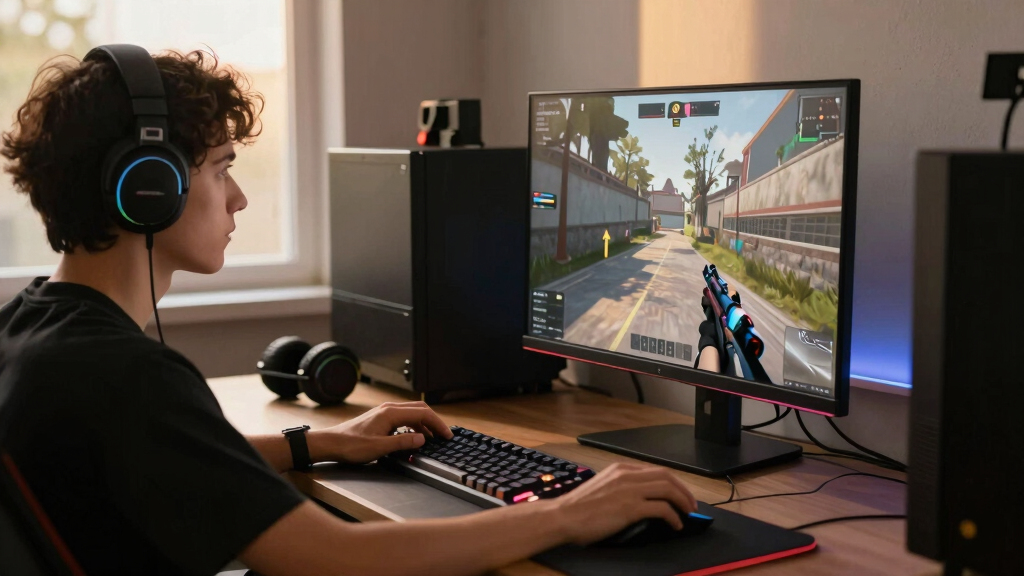
Valve has announced a new server-side occlusion culling system for Counter-Strike 2 (CS2), aimed at preventing wallhacks. This development signals a shift toward more robust anti-cheat measures managed directly on game servers, reducing reliance on client-side solutions.
Valve has implemented a new server-sided occlusion culling system in Counter-Strike 2 (CS2), designed specifically to combat wallhack cheats. This approach shifts part of the anti-cheat effort from client-side detection to server-side management, aiming to enhance fairness in competitive play. The move is confirmed by Valve and represents a notable change in how cheat prevention is handled for the game.
Valve announced that CS2 now employs server-side occlusion culling as part of its anti-wallhack measures. This system works by controlling what players can see based on server calculations, making it significantly harder for cheaters to exploit visual hacks that reveal opponents through walls. Unlike previous client-side anti-cheat methods, this approach reduces the effectiveness of wallhacks that rely on manipulated game files or overlays. Valve’s official statement indicates that the implementation is part of ongoing efforts to improve game integrity and ensure fair competition. The new system is expected to be active across all official servers, with Valve monitoring its impact and effectiveness.While Valve has not disclosed detailed technical specifics, sources suggest that this server-side occlusion culling dynamically determines visible areas for each player, preventing client-side hacks from manipulating what is rendered or visible. This method aligns with industry trends toward server-based cheat mitigation, especially in high-stakes competitive environments.Community feedback is mixed; some players welcome the move as a positive step toward fair play, while others remain cautious about potential performance impacts or unintended side effects. Valve has not announced any immediate plans for further anti-cheat features related to this system but indicated that additional updates are forthcoming.Potential Impact on Cheating and Competitive Fairness
This development is significant because it represents a shift in anti-cheat strategy for CS2, focusing on server-side control rather than client-side solutions. By implementing server-sided occlusion culling, Valve aims to make wallhacks less effective, which could lead to a more level playing field in competitive matches. If successful, this approach might influence anti-cheat practices across other multiplayer titles, emphasizing server control to prevent visual hacks. For players and tournament organizers, this could mean a reduction in cheating incidents, fostering more trust in the game’s competitive integrity.
Counter-Strike 2 anti-cheat hardware
As an affiliate, we earn on qualifying purchases.
As an affiliate, we earn on qualifying purchases.
Evolution of Anti-Cheat Measures in CS2
Counter-Strike has historically relied on client-side anti-cheat tools like Valve Anti-Cheat (VAC) and third-party solutions, which detect cheats through software analysis and pattern recognition. However, cheats such as wallhacks have persisted, exploiting vulnerabilities in rendering and data manipulation. Prior to this update, Valve introduced various measures, including improved VAC detection and server-side checks, but cheaters adapted quickly.
The move toward server-sided occlusion culling in CS2 marks a strategic shift, aligning with broader industry trends to prevent visual hacks by controlling what players can see directly from the server. This approach aims to close loopholes that allow cheats to manipulate game visuals, especially in competitive environments.
“The new server-sided occlusion culling system is part of our ongoing efforts to improve game fairness and reduce cheating in CS2.”
— Valve spokesperson
As an affiliate, we earn on qualifying purchases.
Technical Details and Performance Impacts Still Unclear
Valve has not released detailed technical specifications about how the server-sided occlusion culling functions or its impact on game performance. It remains unclear whether this system introduces any latency or affects frame rates, especially on lower-end hardware or in high-latency regions. Additionally, the long-term effectiveness of this approach against sophisticated cheats is still uncertain, as cheat developers continuously adapt.
As an affiliate, we earn on qualifying purchases.
Monitoring Effectiveness and Future Anti-Cheat Developments
Valve is expected to monitor the impact of the new system closely, gathering data on cheat reduction and player experience. Future updates may include further enhancements to server-side anti-cheat measures, additional transparency about technical details, or new features aimed at maintaining competitive integrity. Community feedback and ongoing cheat developments will likely influence the evolution of anti-cheat strategies in CS2.
gaming headset with noise cancellation
As an affiliate, we earn on qualifying purchases.
As an affiliate, we earn on qualifying purchases.
Key Questions
How does server-sided occlusion culling prevent wallhacks?
It controls what players can see based on server calculations, making it harder for cheats to manipulate visibility or render opponents through walls.
Will this system impact game performance?
Valve has not confirmed specific performance impacts, and this remains an open question as the system is new and still under observation.
Is this the first anti-cheat measure of its kind in CS2?
No, previous measures included VAC improvements and server checks, but this is the first known implementation of server-sided occlusion culling for cheat prevention.
When will we see the full effects of this update?
Valve is expected to evaluate the system’s effectiveness over the coming weeks, with ongoing updates and possible adjustments based on community feedback and cheat activity.
Source: hn
Evergreen bestsellers Picks
bestsellers
As an affiliate, we earn on qualifying purchases.