
TL;DR
Developers have released a series of tiny emulators that replicate vintage computers and gaming consoles, allowing enthusiasts to run classic software on modern hardware. These emulators are notable for their small size and broad compatibility, sparking renewed interest in retro computing.
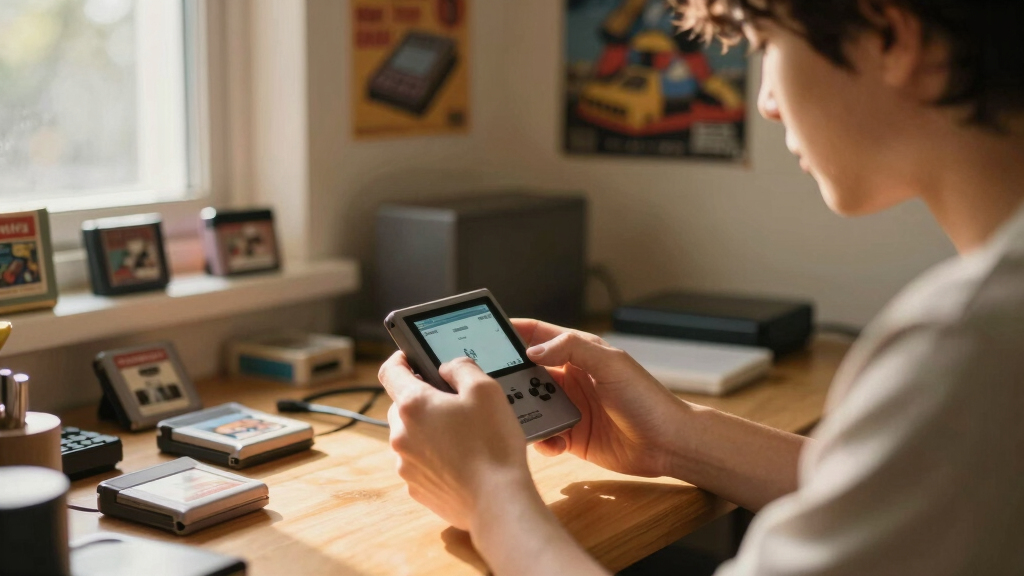
Developers have launched a suite of tiny emulators that accurately replicate vintage computer and console systems, such as the ZX Spectrum, Commodore 64, and Amstrad CPC, on modern hardware. These emulators are designed to be extremely lightweight, often fitting within a few hundred kilobytes, making them accessible for a wide range of devices, including embedded systems and low-power computers. This development matters because it enables a new generation of users and hobbyists to experience classic software without requiring high-end hardware.

Play games on Amazon Luna for your game nights, included with Prime
- A rotating selection of games, no download needed
- Play on TV, laptop or phone
- Fast, free delivery for your gear, too
The tiny emulators are based on highly optimized code that reproduces the core functionalities of systems like the ZX Spectrum 48K, Commodore VIC-20, and Amstrad CPC, among others. According to sources on Hacker News, these projects are open-source and have been developed by independent programmers aiming to preserve and democratize access to vintage computing experiences. Many of these emulators support popular software titles, including classic games and demos, with some even offering graphical user interfaces that emulate original system menus.
These emulators are notable for their compatibility and performance on modern devices, including single-board computers like the Raspberry Pi, and even on embedded microcontrollers. Developers highlight their small size as a key advantage, enabling deployment in environments where resources are severely constrained. The projects have gained traction among retro computing communities, who appreciate the ability to run authentic software in a minimal footprint.
Why Tiny Emulators Reshape Retro Computing Accessibility
The release of these tiny emulators significantly lowers the barrier for experiencing vintage software, making it feasible to run classic systems on devices with limited processing power and storage. For hobbyists, educators, and preservationists, this means easier access to digital heritage without the need for specialized hardware. Moreover, their small size and efficiency open possibilities for integrating vintage software into embedded projects, custom hardware, or portable devices, broadening the scope of retro computing applications.
Additionally, these projects demonstrate the potential for highly optimized, resource-efficient software, challenging assumptions about hardware requirements for emulating complex systems. As a result, they could influence future development of lightweight emulators for other vintage platforms, expanding the reach of retro computing and digital preservation efforts.
Popular right now

De'Longhi Stilosa Compact Manual Espresso Machine with Milk Frother

De'Longhi Classic Signature Espresso Machine with Adjustable Milk Frother

Roborock Robot Vacuum and Mop with LiDAR Navigation and Self-Empty Dock
As an affiliate, we earn on qualifying purchases.
Evolution of Vintage System Emulation and Community Efforts
Emulation of vintage computers and gaming consoles has been a niche but steadily growing field for decades, driven by enthusiasts and preservationists seeking to keep classic systems alive. Traditional emulators like MAME and VICE have provided comprehensive compatibility but often require significant resources. In recent years, the community has shifted toward creating smaller, more efficient versions, often open-source, to run on embedded systems and low-power devices.
Recent developments, as highlighted on Hacker News, include a focus on minimalism—shrinking emulators to under a megabyte—while maintaining core functionality. These efforts are part of a broader movement to democratize access to retro software, especially as hardware becomes more capable yet still constrained in certain environments. The current wave of tiny emulators builds upon years of community-driven optimization and porting projects, emphasizing portability and ease of deployment.
“These tiny emulators prove that you don’t need a powerful PC to enjoy classic systems. They’re lightweight enough to run on microcontrollers and embedded devices.”
— an anonymous developer
Remaining Questions About Compatibility and Performance
While the emulators are praised for their size and efficiency, it is not yet clear how comprehensive their compatibility is across all software titles for each vintage system. Some users report excellent performance with basic applications, but compatibility with more complex demos or games remains to be fully tested. Additionally, details about ongoing development, potential updates, and support for other systems are still emerging, leaving some uncertainty about their long-term viability and scope.
Future Developments and Community Adoption of Tiny Emulators
Developers are expected to continue refining these tiny emulators, expanding compatibility, and adding features such as improved user interfaces or support for additional platforms. Community feedback will likely shape future iterations, and broader adoption in educational or embedded hardware projects could follow. Monitoring these developments will reveal whether they can sustain long-term growth and further democratize access to vintage computing experiences.
Key Questions
What systems do these tiny emulators support?
The current versions support systems like the ZX Spectrum 48K, Commodore VIC-20, Amstrad CPC series, and others, with ongoing efforts to include more platforms.
Are these emulators compatible with all classic software titles?
Compatibility is generally good for basic applications and many games, but some complex demos or titles may not run perfectly yet. Testing is ongoing.
Can these tiny emulators run on microcontrollers?
Yes, many are designed to be extremely lightweight, making them suitable for microcontrollers, embedded systems, and single-board computers like the Raspberry Pi.
Are these projects open-source?
Most of the tiny emulators are open-source, allowing community contributions and further customization.
What is the significance of these developments for retro computing?
They lower hardware barriers, facilitate preservation, and enable new applications like embedded vintage software projects, broadening access and engagement.
Source: Hacker News