TL;DR
A homebrew macro pad called Apna Dost, built with an RP2040 microcontroller, OLED display, and encoder, has been demonstrated. It runs QMK firmware, making it highly customizable. The project has garnered interest for its design and potential for DIY modifications.
A homebrew macro pad built around the RP2040 microcontroller, called Apna Dost, has been publicly demonstrated, showcasing a compact design with an OLED display, encoder, and QMK firmware support. This project highlights the growing interest in customizable, DIY input devices for enthusiasts and professionals alike.

Play games on Amazon Luna for your game nights, included with Prime
- A rotating selection of games, no download needed
- Play on TV, laptop or phone
- Fast, free delivery for your gear, too
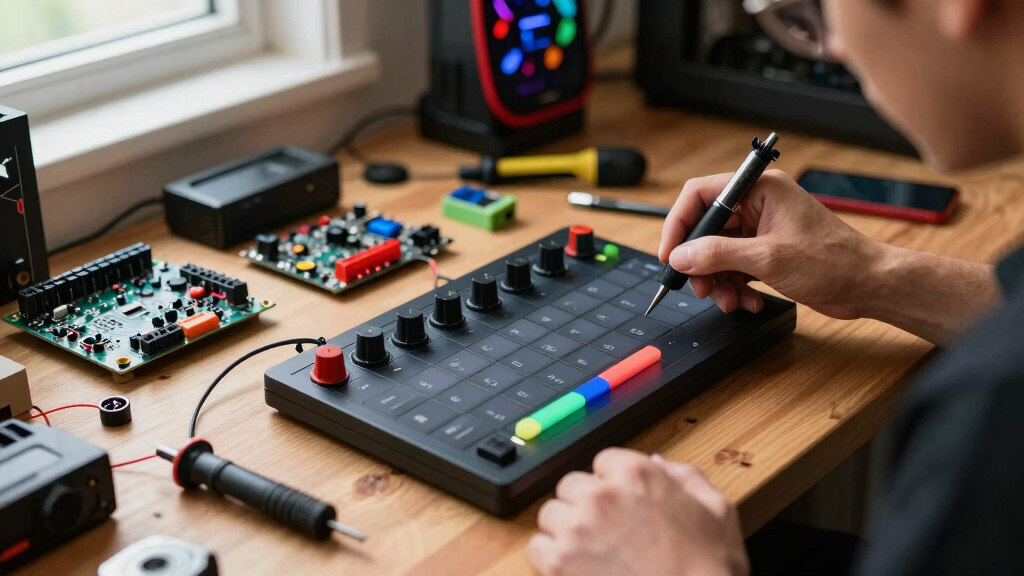
The Apna Dost macro pad features a small form factor with several buttons, an encoder that can serve multiple functions, and a 128×64 OLED display for labeling and feedback. It is powered by the RP2040 microcontroller, which is known for its affordability and versatility, making it accessible for hobbyists who may already have the components needed to assemble it.
According to Hackaday, the project uses QMK firmware, a popular open-source firmware for custom keyboards and macro pads, which allows users to easily modify and personalize the device’s functionality. The design appears to be modular, with room for additional keys and customizable labeling, especially for the OLED display, which can be tailored to user preferences.
The creator of the project has repurposed an old conference badge into a functional macro pad, demonstrating a sustainable approach and resourcefulness. The project’s open-source nature and use of readily available components have sparked interest among DIY enthusiasts and those seeking affordable custom input devices.
Potential Impact on Custom Input Device Community
This project underscores the accessibility of building personalized macro pads using affordable components like the RP2040 and open-source firmware such as QMK. It demonstrates that enthusiasts can create highly functional, customizable input devices without needing advanced manufacturing skills or expensive parts. As macro pads are increasingly used in productivity, gaming, and creative workflows, such DIY projects could influence broader adoption and inspire further innovation in the community.
Popular right now

Vitamix 5200 Blender with 64 oz Container, Black

KitchenAid 5.5-Quart Bowl-Lift Stand Mixer, Porcelain White

iRobot Roomba 105 Robot Vacuum with LiDAR Navigation
As an affiliate, we earn on qualifying purchases.
Growing Popularity of DIY Macro Pads and RP2040 Projects
The RP2040 microcontroller, developed by Raspberry Pi, has gained popularity among hobbyists due to its affordability, versatility, and community support. It has been used in various DIY projects, including keyboards, macro pads, and other input devices. The trend toward open-source firmware like QMK has further empowered users to customize their hardware easily.
Recent years have seen an increase in small, homebrew macro pads designed for specific workflows or personal preferences. The Apna Dost project aligns with this trend, showcasing how existing components and open-source tools enable enthusiasts to develop practical, personalized solutions for everyday computing needs.
“The use of the RP2040 and QMK firmware makes this macro pad highly customizable and accessible for hobbyists.”
— an anonymous researcher
Details on Production and Wider Adoption Still Unclear
It is not yet clear whether the project will be officially released as an open-source design or if it remains a proof-of-concept. The extent of user modifications and the community’s adoption are still developing, and no commercial plans have been announced.
Expected Community Feedback and Possible Variations
As the project gains attention, it is likely that DIY enthusiasts will experiment further, possibly creating variations with more keys, different layouts, or integrated features. Community feedback and shared modifications could shape future iterations of similar macro pads. Additionally, the creator may release detailed build guides or open-source files to facilitate wider adoption.
Key Questions
What components are used in the Apna Dost macro pad?
The macro pad uses an RP2040 microcontroller, a 128×64 OLED display, a rotary encoder, and several buttons. It runs QMK firmware for customization.
Can I build this macro pad myself?
Yes, based on the project’s open-source nature and use of common components, hobbyists with basic soldering skills can assemble and customize their own macro pad.
Is the firmware customizable?
Yes, the macro pad runs QMK firmware, which is widely used for custom keyboards and macro pads, allowing users to modify functions, labels, and key mappings.
Will this macro pad be available commercially?
There are no current indications of commercial availability. It appears to be a DIY project intended for community sharing and customization.
What are the advantages of using an RP2040 in this project?
The RP2040 offers affordability, versatility, and strong community support, making it an ideal choice for DIY macro pads and similar projects.
Source: Hackaday