
TL;DR

Play games on Amazon Luna for your game nights, included with Prime
- A rotating selection of games, no download needed
- Play on TV, laptop or phone
- Fast, free delivery for your gear, too
NVIDIA has officially upgraded the RTX 2080 Ti’s memory to 22 GB. The update is confirmed for specific models, enhancing performance for demanding applications. Details on availability and broader rollout remain unclear, but users interested in high-end graphics cards can explore the best RTX 2080 Ti options for more information.
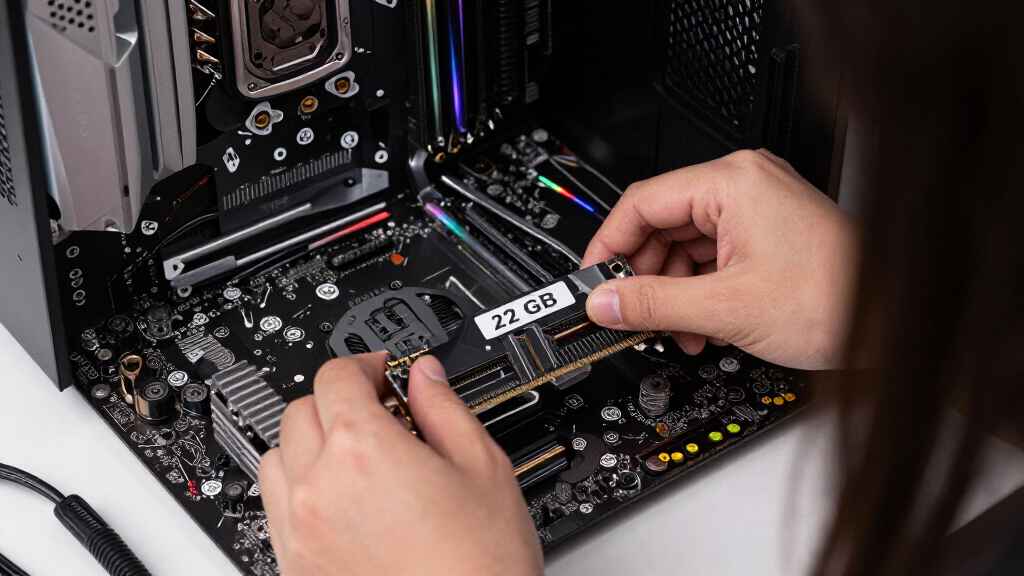
NVIDIA has officially announced a memory upgrade for the RTX 2080 Ti, increasing its VRAM from 11 GB to 22 GB on select models. This development, confirmed by NVIDIA representatives, aims to improve performance for high-end gaming, 3D rendering, and professional workloads, making the GPU more capable in handling large datasets and complex visuals.
The upgrade applies specifically to certain RTX 2080 Ti cards, primarily those manufactured by NVIDIA’s partners with the ability to support increased VRAM. NVIDIA has not yet confirmed if all existing RTX 2080 Ti cards will be eligible for the upgrade or if it will require hardware modifications or firmware updates. The company stated that the upgrade would be available through a firmware update or hardware revision, but detailed procedures and timelines are still pending.
While the increase to 22 GB VRAM is confirmed, NVIDIA has not provided specific performance benchmarks or compatibility details. Industry analysts suggest that this upgrade could significantly benefit users engaged in high-resolution gaming, professional 3D modeling, and AI workloads. The move is seen as a response to emerging demands for larger memory pools in high-performance computing.
Impact on High-End Gaming and Professional Workflows
The VRAM increase to 22 GB on the RTX 2080 Ti could extend the GPU’s relevance in demanding applications, especially as modern games and professional software increasingly require larger memory pools. This upgrade may allow users to run higher-resolution textures, complex simulations, and large datasets more smoothly, potentially delaying the need for newer hardware. It also signals NVIDIA’s commitment to supporting existing high-end GPUs with performance enhancements, which could influence the secondary market and upgrade strategies.
As an affiliate, we earn on qualifying purchases.
Previous VRAM Configurations and Market Expectations
The RTX 2080 Ti, launched in 2018, originally featured 11 GB of GDDR6 VRAM, positioning it as NVIDIA’s flagship consumer GPU at the time. Over the years, demand for larger VRAM has grown, especially among content creators and AI researchers. NVIDIA has historically limited VRAM upgrades to newer models, making this announcement notable. Prior to this, the company emphasized hardware upgrades mainly through new GPU releases, with limited support for existing models in terms of VRAM expansion.
This move follows industry trends where high VRAM capacity is increasingly seen as essential for future-proofing high-end GPUs against upcoming software and game requirements. It also aligns with NVIDIA’s broader strategy to extend the lifecycle of its flagship products amid a competitive market landscape.
“We are pleased to offer select RTX 2080 Ti models an upgrade to 22 GB VRAM, enhancing their capability for demanding workloads.”
— NVIDIA spokesperson
As an affiliate, we earn on qualifying purchases.
Details on Availability and Compatibility Still Unclear
It is not yet confirmed which specific RTX 2080 Ti models will receive the VRAM upgrade or whether existing cards can be upgraded via firmware updates. NVIDIA has not provided a clear timeline or detailed procedures for the upgrade process. Additionally, the performance gains in real-world scenarios remain to be evaluated once the upgrade is widely available.
high-end gaming GPU with 22GB VRAM
As an affiliate, we earn on qualifying purchases.
As an affiliate, we earn on qualifying purchases.
Upcoming Firmware Updates and Model-Specific Rollouts
NVIDIA is expected to release detailed instructions and firmware updates for eligible RTX 2080 Ti models in the coming weeks. Industry sources suggest that select partner cards may receive the upgrade first, with broader availability potentially following in the next quarter. Users are advised to monitor official NVIDIA channels for announcements and compatibility information.
professional workstation graphics card
As an affiliate, we earn on qualifying purchases.
As an affiliate, we earn on qualifying purchases.
Key Questions
Which RTX 2080 Ti models will support the 22 GB VRAM upgrade?
NVIDIA has not yet specified which models will support the upgrade. It is expected to be limited to certain partner cards that meet specific hardware criteria.
Can existing RTX 2080 Ti cards be upgraded to 22 GB VRAM?
It is currently unclear whether existing cards can be upgraded via firmware or hardware modifications. NVIDIA has not provided detailed procedures or confirmation on this point.
Will the upgrade improve gaming performance?
The increase in VRAM is expected to benefit high-resolution gaming and professional workloads, but specific performance gains will depend on software and use case. Benchmarks are not yet available.
When will the upgrade be available to consumers?
NVIDIA has not announced an exact release date. Industry sources expect the rollout to begin in the next few weeks, with wider availability in the following months.
Does this mean NVIDIA will support VRAM upgrades on future GPUs?
This move appears to be a one-time support for an existing flagship model rather than a new policy. NVIDIA has not indicated plans to offer similar upgrades for upcoming GPU generations.
Source: hn
Fall Picks
fall essentials
As an affiliate, we earn on qualifying purchases.