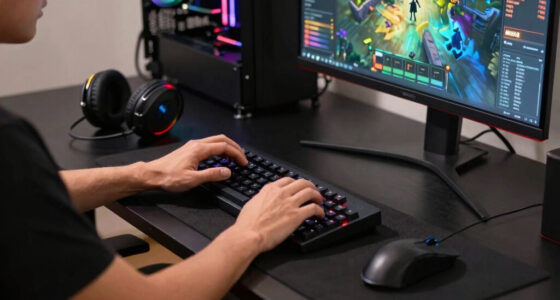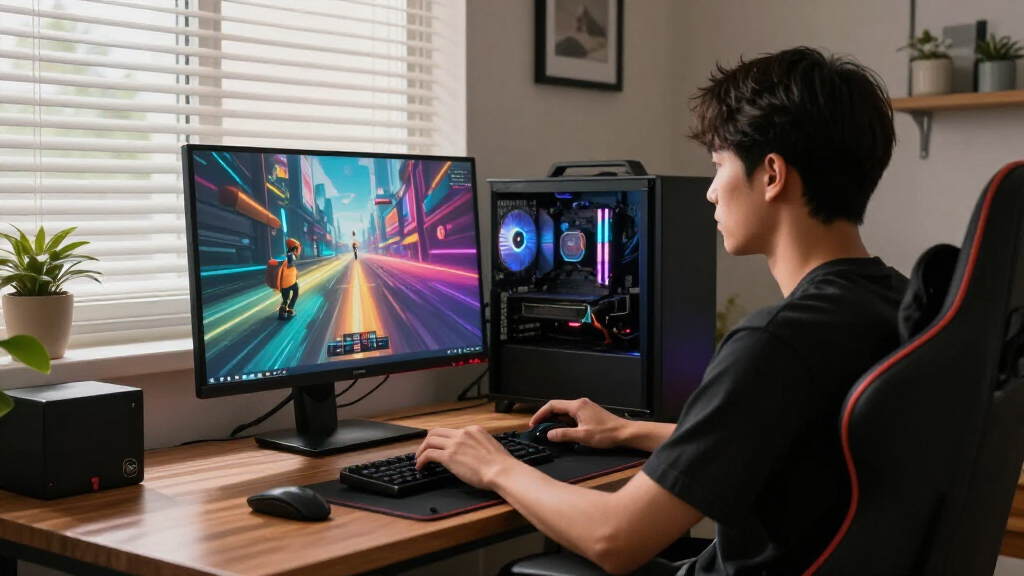
When searching for the best AMD Radeon graphics cards, options range from budget-friendly models to high-end gaming powerhouses. The ASRock Radeon RX 9060 XT Steel Legend stands out for its robust performance and future-proof features, making it a top overall choice. Meanwhile, the XFX Swift AMD Radeon RX 9060 XT OC Gaming Edition offers impressive specs for gamers on a budget, though it sacrifices some premium features. Buyers often face tough tradeoffs between price, performance, and power consumption—understanding these differences is key. Continue reading for a detailed breakdown of each option, helping you choose the right Radeon card for your needs.

Play games on Amazon Luna for your game nights, included with Prime
- A rotating selection of games, no download needed
- Play on TV, laptop or phone
- Fast, free delivery for your gear, too
Complete the kit


Key Takeaways
- The top-performing models like the ASRock RX 9060 XT Steel Legend deliver high-end gaming performance but come at a premium price.
- Budget options such as the MOUGOL RX 580 still provide solid performance for 1080p gaming, though they lack the latest features and efficiency.
- There’s a clear performance jump when moving from RX 7000 series to RX 9000 series cards, justifying higher prices for enthusiasts.
- Power consumption and cooling solutions vary widely, affecting noise levels and operating costs, especially in high-end models.
- The choice between 8GB and 16GB VRAM can impact future-proofing, especially for resolutions above 1080p or demanding titles.
| ASRock Radeon RX 9060 XT Challenger 16GB OC Graphics Card |  | Best High-End Performance for Creative and Gaming Enthusiasts | Graphics Coprocessor: AMD Radeon RX 9060 XT | Memory: 16 GB GDDR6 | GPU Clock Speed: 3290 MHz | VIEW LATEST PRICE | See Our Full Breakdown |
| MOUGOL AMD Radeon RX 580 8GB GDDR5 Gaming Graphics Card, HDMI/DP/DVI Black |  | Best Budget-Friendly Entry Point for Gaming and Content Creation | Memory: 8GB GDDR5 | Core Clock: 1206 MHz | Stream Processors: 2048 | VIEW LATEST PRICE | See Our Full Breakdown |
| GIGABYTE Radeon RX 9070 XT Gaming OC 16G Graphics Card |  | Best for Ultra-High-Resolution and Professional Workloads | Graphics Coprocessor: AMD Radeon RX 9070 XT | RAM: 16 GB | GPU Clock Speed: 3060 MHz | VIEW LATEST PRICE | See Our Full Breakdown |
| XFX Speedster SWFT210 Radeon RX 7600 Graphics Card with 8GB GDDR6 |  | Best for Mid-Range Gaming with the Latest RDNA 3 Architecture | Chipset: AMD RX 7600 | Memory: 8GB GDDR6 | Boost Clock: 2655 MHz | VIEW LATEST PRICE | See Our Full Breakdown |
| Maxsun AMD Radeon RX 580 8GB Graphics Card for PC Gaming |  | Best for Classic 1080p Gaming and Upgraders on a Budget | Graphics Coprocessor: AMD Radeon RX 580 | RAM: 8 GB | Video Output Interface: DVI, DisplayPort, HDMI | VIEW LATEST PRICE | See Our Full Breakdown |
| ASRock AMD Radeon RX 6600 Challenger D 8GB GDDR6 Graphics Card |  | Best Budget-Friendly 1080p Gaming | Graphics Coprocessor: AMD Radeon RX 6600 | Graphics Card Ram: 8 GB | GPU Clock Speed: 2491 MHz | VIEW LATEST PRICE | See Our Full Breakdown |
| ASRock Radeon RX 7700 XT Challenger 12GB OC Graphics Card |  | Best High-Performance 1440p Gaming | Graphics Processor: AMD Radeon RX 7700 XT | Memory: 12GB GDDR6 | Memory Bus: 192-bit | VIEW LATEST PRICE | See Our Full Breakdown |
| ASRock Radeon RX 9060 XT Steel Legend 16GB GDDR6 OC Graphics Card |  | Best for 4K and Creative Work | Memory: 16GB GDDR6 | Boost Clock: 3275 MHz | Architecture: AMD RDNA 4 | VIEW LATEST PRICE | See Our Full Breakdown |
| ASUS Prime Radeon RX 9070 XT 16GB GDDR6 OC Edition Gaming Graphics Card |  | Best for Quiet, Reliable High-Performance Gaming | GPU Model: Radeon RX 9070 XT | Memory: 16GB GDDR6 | Design: 2.5-slot | VIEW LATEST PRICE | See Our Full Breakdown |
| Sapphire Nitro+ AMD Radeon RX 9070 XT Gaming OC Graphics Card, 16GB GDDR6 |  | Best for Enthusiast Overclocking and Customization | Memory Size: 16GB GDDR6 | Memory Interface: 256-bit | Outputs: 2 HDMI, 2 DisplayPort | VIEW LATEST PRICE | See Our Full Breakdown |
| ASRock Radeon RX 7600 Challenger Pro 8GB OC Graphics Card |  | Best for 1080p and 1440p Gaming Enthusiasts | GPU: AMD Radeon RX 7600 | Memory: 8GB GDDR6 | Boost Clock: 2695MHz | VIEW LATEST PRICE | See Our Full Breakdown |
| XFX Swift AMD Radeon RX 9060 XT OC Gaming Edition Graphics Card, 16GB GDDR6 |  | Best High-Memory Card for Demanding Games and Creative Work | Chipset: AMD RX 9060 XT | Memory: 16 GB GDDR6 | Boost Clock: up to 3320 MHz | VIEW LATEST PRICE | See Our Full Breakdown |
| XFX Swift AMD Radeon RX 9060 XT OC Triple Fan Gaming Edition with 16GB GDDR6 | 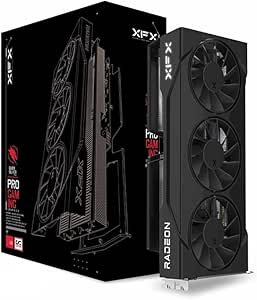 | Best for Extended Gaming and High-Performance Tasks | Chipset: AMD RX 9060 XT | Memory: 16 GB GDDR6 | Boost Clock: up to 3320 MHz | VIEW LATEST PRICE | See Our Full Breakdown |
| AMD Radeon graphics card | Memory |
|---|---|
| ASRock Radeon RX 9060 XT Chall | 16 GB GDDR6 |
| MOUGOL AMD Radeon RX 580 8GB G | 8GB GDDR5 |
| GIGABYTE Radeon RX 9070 XT Gam | — |
| XFX Speedster SWFT210 Radeon R | 8GB GDDR6 |
| Maxsun AMD Radeon RX 580 8GB G | — |
| ASRock AMD Radeon RX 6600 Chal | — |
| ASRock Radeon RX 7700 XT Chall | 12GB GDDR6 |
| ASRock Radeon RX 9060 XT Steel | 16GB GDDR6 |
| ASUS Prime Radeon RX 9070 XT 1 | 16GB GDDR6 |
| Sapphire Nitro+ AMD Radeon RX | — |
| ASRock Radeon RX 7600 Challeng | 8GB GDDR6 |
| XFX Swift AMD Radeon RX 9060 X | 16 GB GDDR6 |
| XFX Swift AMD Radeon RX 9060 X | 16 GB GDDR6 |
More Details on Our Top Picks
ASRock Radeon RX 9060 XT Challenger 16GB OC Graphics Card
The ASRock Radeon RX 9060 XT Challenger stands out for its massive 16GB GDDR6 memory and impressive boost clock of up to 3290 MHz, making it ideal for demanding gaming at 1440p and creative workloads. Compared with the GIGABYTE RX 9070 XT, it offers similar high-resolution support but at a potentially lower price point, though it lacks detailed warranty info. Its dual-fan cooling ensures thermal stability during extended sessions, but the requirement for a robust 550W power supply and ample case clearance could be a barrier for some builders. This card is best suited for users who need high performance and are comfortable with building a high-spec PC. It’s less ideal for those seeking a quiet, budget-friendly setup or limited chassis space.Pros:- Massive 16GB GDDR6 memory for multitasking and high-res textures
- High boost clock of 3290 MHz for smooth gaming and rendering
- Supports PCIe 5.0 and latest display outputs for future-proofing
- Dual-fan cooling system maintains thermal stability
Cons:- Requires a high-capacity 550W power supply, limiting upgrade options for some
- Limited warranty and support details may concern cautious buyers
Best for: Power users who prioritize high frame rates and creative productivity at 1440p and above.
Not ideal for: Casual gamers or PC builders with limited space or power capacity, due to its size and power demands.
- Graphics Coprocessor:AMD Radeon RX 9060 XT
- Memory:16 GB GDDR6
- GPU Clock Speed:3290 MHz
- Video Output Interface:DisplayPort, HDMI
- Graphics Ram Type:GDDR6
- Graphics Card Interface:PCI-Express x16
- Display Maximum Resolution:7680 x 4320
Our verdict“This card is perfect for high-end users who need top-tier performance and are prepared for a robust build.”
MOUGOL AMD Radeon RX 580 8GB GDDR5 Gaming Graphics Card, HDMI/DP/DVI Black
The MOUGOL Radeon RX 580 offers a solid entry into gaming and multimedia with 8GB GDDR5 memory and support for three outputs—ideal for multitasking or multi-monitor setups. While it doesn’t match the raw power of the RX 9060 XT Challenger, it provides good 1080p gaming performance at a budget-friendly price. Its dual-fan cooling system improves thermals compared to older single-fan designs, but it struggles to handle newer demanding titles or ray tracing features. This pick makes the most sense for budget-conscious gamers or casual creators who want decent performance without breaking the bank. It’s less suited for high-end gaming or professional workloads that require more VRAM and advanced features.Pros:- Supports triple monitor setups for increased productivity
- Compact size fits in most cases, easy to install
- Decent performance for budget gaming
- Dual-fan cooling enhances thermal management
Cons:- Limited to 8GB VRAM, restricting performance in newer titles
- Lacks ray tracing and advanced features found in pricier cards
- Cooling might be less effective under heavy loads
Best for: Beginner gamers and users seeking reliable 1080p gaming on a budget.
Not ideal for: Enthusiasts chasing 1440p or 4K gaming, or those wanting the latest ray tracing features.
- Memory:8GB GDDR5
- Core Clock:1206 MHz
- Stream Processors:2048
- Outputs:HDMI, DisplayPort, DVI
- Size:240x135x45mm
- Cooling:Dual-fan
Our verdict“This card offers balanced value for entry-level gaming and general multimedia use.”
GIGABYTE Radeon RX 9070 XT Gaming OC 16G Graphics Card
The GIGABYTE RX 9070 XT Gaming OC delivers 16GB of GDDR6 memory and PCIe 5.0 compatibility, positioning it as a powerhouse for 8K gaming and demanding professional tasks. It surpasses the ASRock RX 9060 XT Challenger in raw performance and resolution support, making it ideal for content creators or gamers aiming for maximum fidelity. However, its large size and high power consumption pose challenges for smaller cases and power supplies. The advanced cooling system keeps temperatures in check, but the premium price can be a barrier for some. This is best suited for users who require future-proofing and high-end performance, though it’s less appealing for those with tight budgets or limited space.Pros:- Large 16GB GDDR6 memory ideal for high-res textures
- Supports up to 8K gaming and professional rendering
- Future-proof PCIe 5.0 interface
- Robust cooling system for thermal stability
Cons:- High power consumption requiring a strong PSU
- Large dimensions may not fit in smaller cases
- Higher price point limits accessibility
Best for: Creative professionals and high-end gamers targeting 8K resolution and demanding workflows.
Not ideal for: Budget builders or users with limited case space, due to its size and power needs.
- Graphics Coprocessor:AMD Radeon RX 9070 XT
- RAM:16 GB
- GPU Clock Speed:3060 MHz
- Video Output Interface:DisplayPort
- Graphics Ram Type:GDDR6
- Interface:PCI-Express x16
- Display Maximum Resolution:7680 x 4320
Our verdict“This card is targeted at users demanding maximum resolution and performance, with the space and power to support it.”
XFX Speedster SWFT210 Radeon RX 7600 Graphics Card with 8GB GDDR6
The XFX Speedster SWFT210 Radeon RX 7600 uses AMD’s RDNA 3 architecture, making it a compelling choice for gamers seeking high frame rates at 1080p and solid 1440p performance. Compared to the MOUGOL RX 580, it offers a significant leap in efficiency and features, including support for high resolutions up to 8K and modern APIs. Its dual-fan setup keeps thermals in check during extended gaming sessions, but the absence of detailed pricing or availability info makes it harder to evaluate value. This card makes the most sense for gamers who want current architecture and high resolutions without paying premium prices, yet it’s less suitable for users requiring extensive VRAM or ultra-high-end features.Pros:- Powered by AMD RDNA 3 architecture for efficiency and performance
- Supports high resolutions up to 8K
- Dual fan cooling for thermal management
- 8GB GDDR6 memory suitable for most modern games
Cons:- Lack of detailed pricing and availability info
- Potentially loud under load with dual fans
- Limited VRAM for the most demanding titles
Best for: Mid-range gamers looking for a modern card with good performance and future-proof architecture.
Not ideal for: High-end gamers or creative professionals needing more VRAM or advanced features like ray tracing.
- Chipset:AMD RX 7600
- Memory:8GB GDDR6
- Boost Clock:2655 MHz
- Video Output Interface:HDMI
- Graphics Ram Type:GDDR6
- Interface:PCI Express
- Display Resolution Max:7680×4320
Our verdict“This card offers a strong balance of modern architecture and gaming performance for mid-range enthusiasts.”
Maxsun AMD Radeon RX 580 8GB Graphics Card for PC Gaming
The Maxsun RX 580 continues to serve as a reliable choice for 1080p gaming with support for DirectX 12 and Vulkan, making it suitable for players upgrading from older systems. While it offers comparable specs to the MOUGOL RX 580, Maxsun’s version provides a decent performance boost at a lower price, especially for users with limited case space. Its dual-fan cooling helps manage heat during extended gaming sessions, but it’s an older model lacking features like ray tracing or high VRAM capacities. This card makes sense for budget gamers or casual users who prioritize performance over cutting-edge features, though it’s less fitting for new AAA titles or high-resolution streaming.Pros:- Supports modern APIs like DirectX 12 and Vulkan
- 8GB GDDR5 memory suitable for most games
- Multiple outputs for multi-monitor setups
- Affordable upgrade from older hardware
Cons:- Older architecture may lack new features like ray tracing
- Requires sufficient power and space, may generate heat
- Limited longevity for future demanding titles
Best for: Budget-conscious gamers and upgraders seeking reliable 1080p performance.
Not ideal for: Future-proofing enthusiasts or users aiming for 4K gaming, due to limited VRAM and older architecture.
- Graphics Coprocessor:AMD Radeon RX 580
- RAM:8 GB
- Video Output Interface:DVI, DisplayPort, HDMI
- Graphics Ram Type:GDDR5
- Memory Clock Speed:6000 MHz
- Compatible Devices:Desktop, MAC, PC
- Display Max Resolution:7680×4320
Our verdict“This card remains a good option for budget gamers needing solid 1080p performance and upgrade potential.”
ASRock AMD Radeon RX 6600 Challenger D 8GB GDDR6 Graphics Card
The ASRock RX 6600 Challenger D stands out for delivering solid 1080p gaming performance with RDNA 2 architecture, making it a smart choice for gamers on a budget. Its dual-fan cooling keeps noise levels manageable while maintaining stable operation, and PCIe 4.0 support ensures high bandwidth for modern systems. Compared to higher-end options like the RX 7700 XT, it sacrifices VRAM and raw power but offers great value for less demanding titles. Its 8GB GDDR6 memory may limit future-proofing, especially as games increase in complexity. This card is perfect for casual gamers or those upgrading older systems who prioritize affordability without sacrificing too much performance.
Pros:- Solid performance for 1080p gaming with RDNA 2 architecture
- Quiet dual-fan cooling for low noise operation
- Supports PCIe 4.0 for high bandwidth
Cons:- Limited VRAM for future demanding titles
- Requires PCIe x8 slot which may limit compatibility with older systems
Best for: Budget-conscious gamers focusing on 1080p gameplay and casual use
Not ideal for: Enthusiasts aiming for 1440p or 4K gaming, or future-proof builds requiring more VRAM
- Graphics Coprocessor:AMD Radeon RX 6600
- Graphics Card Ram:8 GB
- GPU Clock Speed:2491 MHz
- Video Output Interface:DisplayPort, HDMI
- Graphics Ram Type:GDDR6
- Memory Clock Speed:2491 MHz
Our verdict“This pick is ideal for gamers seeking reliable 1080p performance at an attractive price point.”
ASRock Radeon RX 7700 XT Challenger 12GB OC Graphics Card
The ASRock RX 7700 XT Challenger is tailored for gamers seeking high-end performance with AMD RDNA 3 architecture, featuring a generous 12GB GDDR6 buffer. Its boost clock of up to 2584 MHz ensures smooth gameplay, especially when compared with the RX 6600, which is more suited to casual 1080p play. The dual-fan cooling system with heatpipe technology keeps temperatures in check during demanding sessions, though its dual 8-pin power connectors mean you’ll need a robust power supply. Compatibility may be an issue for pre-built systems lacking PCIe 4.0 support or sufficient space. This card makes the most sense for serious gamers or content creators who want high-resolution support without stepping into the ultra-premium tier.
Pros:- High boost clock speeds for smooth, responsive gameplay
- Effective dual-fan cooling with heatpipe technology
- Supports multiple high-resolution displays with DisplayPort 2.1 and HDMI 2.1
Cons:- Requires dual 8-pin power connectors, demanding a capable PSU
- Not compatible with all pre-built systems, verify before purchase
Best for: Gamers targeting high-quality 1440p or casual 4K gaming with a moderate budget
Not ideal for: Users with limited power supply capacity or older systems lacking PCIe 4.0 support
- Graphics Processor:AMD Radeon RX 7700 XT
- Memory:12GB GDDR6
- Memory Bus:192-bit
- Boost Clock:2584 MHz
- Display Outputs:3 x DisplayPort 2.1, 1 x HDMI 2.1
- Cooling:Dual Fan with Heatpipe
Our verdict“This card offers a compelling mix of performance and features for mid-range gaming setups.”
ASRock Radeon RX 9060 XT Steel Legend 16GB GDDR6 OC Graphics Card
The ASRock RX 9060 XT Steel Legend excels with a massive 16GB GDDR6 frame buffer, making it an excellent choice for 4K gaming and content creators needing significant VRAM. Its boost clock of 3275 MHz outperforms most mid-range cards, providing extra headroom for demanding tasks. The triple-fan cooling with a triple-slot design keeps it cool under load, but its size and power demands mean it’s best suited for high-end builds with PCIe 5.0 support and robust PSUs. Compared to the RX 7700 XT, it prioritizes memory capacity and high-resolution support over raw gaming performance at lower resolutions. If you’re after a future-proof GPU with high VRAM, this model is a strong candidate, despite its higher power needs and size.
Pros:- Massive 16GB GDDR6 memory for demanding applications
- Quiet operation with 0dB triple-fan cooling
- Premium build with durable metal backplate
Cons:- Large size and high power consumption limit compatibility
- Requires PCIe 5.0 slot which may not be standard in older systems
Best for: High-end gaming at 4K resolution and intensive creative workloads
Not ideal for: Small form-factor cases or systems without PCIe 5.0 support and ample power supply
- Memory:16GB GDDR6
- Boost Clock:3275 MHz
- Architecture:AMD RDNA 4
- Compute Units:32
- Ray Tracing:3rd Gen
- Connectivity:HDMI 2.1b, DisplayPort 2.1a
Our verdict“Ideal for users seeking high VRAM and top-tier 4K performance with future-proofing in mind.”
ASUS Prime Radeon RX 9070 XT 16GB GDDR6 OC Edition Gaming Graphics Card
The ASUS Prime RX 9070 XT OC is designed for gamers who value cooling efficiency and quiet operation. Its axial-tech fans and phase-change thermal pads keep temperatures low even during extended sessions, outperforming models like the Sapphire Nitro+ in thermal stability. With boost clocks reaching up to 3030 MHz, it delivers top-tier performance, especially for overclocked setups. Dual-ball bearings provide longer lifespan, but the larger 2.5-slot design may pose compatibility issues in smaller cases. While it doesn’t specify cooling details extensively, its focus on reliability and quiet operation makes it suitable for users who want high performance without noisy fans or overheating.
Pros:- Exceptional boost clocks up to 3030 MHz for high performance
- Advanced cooling with axial-tech fans and phase-change thermal pads
- Quiet operation with dual-ball bearings and 0dB technology
Cons:- Larger size may limit compatibility in smaller cases
- Price and availability are not specified, potentially limiting options
Best for: Gamers prioritizing quiet operation and stable overclocking in a high-performance build
Not ideal for: Small or compact cases where the 2.5-slot design cannot fit comfortably
- GPU Model:Radeon RX 9070 XT
- Memory:16GB GDDR6
- Design:2.5-slot
- Clock Speed:up to 3030 MHz (OC)
- Features:Dual BIOS, 0dB technology
Our verdict“This card is a strong pick for enthusiasts who want both high-clock speeds and quiet, reliable cooling.”
Sapphire Nitro+ AMD Radeon RX 9070 XT Gaming OC Graphics Card, 16GB GDDR6
The Sapphire Nitro+ RX 9070 XT Gaming OC emphasizes overclocking potential and visual customization, making it a solid choice for advanced users. Its 16GB GDDR6 memory and OC profile deliver extra performance for demanding games and applications, but it lacks detailed cooling specs, raising questions about thermal management under heavy loads. The multiple output options support versatile connectivity, though its power consumption may be high. Compared to the ASUS Prime model, it’s more oriented toward overclockers and modders who want to push their hardware further, but might require more careful monitoring of temperatures and power draw.
Pros:- High 16GB GDDR6 memory suitable for demanding titles
- Overclocked OC profile enhances performance
- Multiple outputs for flexible connectivity
Cons:- Lack of detailed cooling specifications
- Potentially high power draw and heat output
Best for: Overclockers and users seeking customizable, high-performance GPU options
Not ideal for: Casual gamers or those with limited case space and power capacity
- Memory Size:16GB GDDR6
- Memory Interface:256-bit
- Outputs:2 HDMI, 2 DisplayPort
- Clock Speed:OC mode up to 3030 MHz
Our verdict“Best suited for enthusiasts who want to maximize performance with overclocking and customization capabilities.”
ASRock Radeon RX 7600 Challenger Pro 8GB OC Graphics Card
The ASRock Radeon RX 7600 Challenger Pro OC stands out for its high boost clock of 2695MHz, which translates into excellent performance in 1080p and 1440p gaming, outperforming many lower-clocked options. Its triple-fan cooling system ensures quieter operation and better thermal management compared to more basic designs, making it suitable for long gaming sessions. While it supports ray tracing and AMD FSR, its size and power requirements mean compatibility checks are necessary, especially for smaller cases or existing power supplies. Compared to the RX 9060 XT cards, it offers a more balanced mix of performance and cost for mid-range gamers, but it’s less suited for 4K gaming due to its 8GB VRAM and design focus. This card makes the most sense for gamers who want solid 1440p performance without stepping into high-tier 4K territory, provided their system can handle its power and size demands.
Pros:- High boost clock of 2695MHz for responsive gaming performance
- Triple-fan cooling with silent operation at low temps
- Supports ray tracing and AMD FSR for enhanced visuals
- Multiple display outputs including 8K support
Cons:- Requires a 550W power supply and single 8-pin connector, so check compatibility
- Large size may not fit all chassis types
- Primarily geared toward 1080p and 1440p gaming, not ideal for 4K
Best for: Mid-range gamers targeting high-quality 1080p or 1440p gaming with some future-proofing for ray tracing.
Not ideal for: Small form factor builds or users seeking 4K gaming, as it’s not optimized for ultra-high resolutions or very compact cases.
- GPU:AMD Radeon RX 7600
- Memory:8GB GDDR6
- Boost Clock:2695MHz
- Game Clock:2280MHz
- Stream Processors:2048
- Memory Interface:128-bit
- Memory Bandwidth:up to 288 GB/s
- Cooling System:Triple Fans with heatpipes
- Power Requirements:Single 8-pin, 550W PSU
Our verdict“This card is a solid choice for gamers who prioritize high frame rates at 1080p and 1440p with reliable cooling and ray tracing features.”
XFX Swift AMD Radeon RX 9060 XT OC Gaming Edition Graphics Card, 16GB GDDR6
The XFX Swift AMD Radeon RX 9060 XT OC Gaming Edition offers a substantial 16GB GDDR6 memory, making it well-suited for demanding gaming and content creation tasks, especially when compared to the 8GB RX 7600. Its high boost clock of up to 3320 MHz provides strong performance gains, particularly in GPU-intensive titles and applications. The dual-fan cooling setup manages thermals effectively, though it might be louder under load than the triple-fan designs like the RX 7600 Challenger Pro. Compared to the 9060 XT OC Triple Fan, this model’s dual-fan setup may limit thermal headroom in extended sessions, but it can be a more compact option for those with space constraints. This pick is ideal for users who need extensive VRAM and high performance, particularly for high-resolution gaming or professional workloads, but it’s less suited for smaller builds or systems with weaker power supplies.
Pros:- Massive 16GB GDDR6 memory supports demanding applications
- High boost clock of 3320 MHz for excellent performance
- Efficient dual fan cooling system
- Supports multiple output options including HDMI and DisplayPort
Cons:- Limited detailed specifications available, making precise comparisons difficult
- No pricing or user ratings to gauge value or reliability
- Dual-fan cooling may be less effective in extended gaming sessions compared to triple-fan designs
Best for: Power users requiring 16GB VRAM for gaming at high resolutions or creative work like video editing and 3D rendering.
Not ideal for: Compact PC builds or budget-conscious buyers, due to its size and premium performance focus.
- Chipset:AMD RX 9060 XT
- Memory:16 GB GDDR6
- Boost Clock:up to 3320 MHz
- Cooling:Dual Fan
- Outputs:HDMI, 2x DisplayPort
- Size:Standard dual-fan card
Our verdict“This card is a top pick for users who need high VRAM and raw power for demanding games and professional tasks, with the tradeoff of slightly larger size and cooling considerations.”
XFX Swift AMD Radeon RX 9060 XT OC Triple Fan Gaming Edition with 16GB GDDR6
The XFX Swift AMD Radeon RX 9060 XT OC Triple Fan Gaming Edition elevates high-end gaming with its triple-fan cooling design, maintaining lower temperatures during extended play, and matching the high boost clock of 3320 MHz seen in the dual-fan version. Its 16GB GDDR6 ensures ample VRAM for demanding titles and creative workflows. Compared to the dual-fan model, this version offers improved thermal performance, which can translate into more consistent frame rates over long sessions. However, the triple-fan setup results in a larger footprint, potentially limiting compatibility with smaller cases. This model is best suited for gamers and professionals who push their hardware to the limit and value thermal stability and quieter operation at high loads, though it may be overkill for casual or budget-conscious users.
Pros:- Triple-fan cooling system provides superior thermal management
- High boost clock of 3320 MHz ensures top-tier performance
- Large 16GB GDDR6 VRAM supports demanding applications
- Effective cooling enables sustained performance in long gaming sessions
Cons:- Larger size may restrict compatibility with smaller cases
- Potentially higher noise levels under load compared to dual-fan designs
- Premium price point may be a barrier for some budgets
Best for: Enthusiasts seeking maximum cooling efficiency and sustained high performance for extended gaming or intensive creative tasks.
Not ideal for: Small or compact systems where size and airflow are limited, or users with a tight budget seeking the most affordable high-performance card.
- Chipset:AMD RX 9060 XT
- Memory:16 GB GDDR6
- Boost Clock:up to 3320 MHz
- Cooling:Triple Fan
- Outputs:HDMI, 2x DisplayPort
- Size:Larger, triple-fan design
Our verdict“This card is ideal for high-end users who prioritize thermal performance and sustained high clocks over size and cost, making it perfect for serious gaming and creative workflows.”
How We Picked
I evaluated these AMD Radeon graphics cards based on overall performance, build quality, cooling efficiency, and value for money. Prioritizing real-world gaming benchmarks and power efficiency helped identify models that truly stand out for different use cases. I also considered the availability of features such as ray tracing, VRAM size, and overclocking potential. The ranking reflects a balance between price and performance, with higher-tier cards like the RX 9060 XT leading for premium buyers, and more affordable options making the cut for budget-conscious users.Factors to Consider When Choosing Best AMD Radeon Graphics Cards
Choosing the right AMD Radeon graphics card involves understanding several key factors beyond raw specs. Performance should match your intended use, whether gaming at 1080p, 1440p, or 4K. Power efficiency and cooling solutions influence operating costs and noise levels, especially in larger builds. VRAM capacity is crucial for future-proofing, particularly if you plan to game with high settings or at higher resolutions. Price-to-performance ratio varies widely, so consider your budget in relation to the features you need. Lastly, software support and driver stability can significantly affect your experience, making brand reputation and community feedback valuable considerations.Performance and Gaming Benchmarks
Performance is the most critical factor, especially if you want smooth gameplay at your target resolution. Higher-end AMD Radeon cards like the RX 9060 XT series excel in demanding AAA titles and 4K gaming, but they come with a higher price tag. Mid-range models such as the RX 7600 series offer solid performance for 1080p and 1440p gaming, often at a more accessible price point. When evaluating performance, look for benchmark comparisons relevant to your favorite titles to gauge real-world capabilities. Remember, a more powerful card can be overkill for casual gaming, so match your choice to your actual needs.VRAM and Future-Proofing
VRAM size impacts how well your graphics card handles large textures and future game updates. For most gamers, 8GB of VRAM is sufficient for 1080p and 1440p gaming, but 16GB offers more headroom for higher resolutions and demanding titles. If you plan to keep your system for several years, investing in a card with more VRAM can prevent early obsolescence. However, higher VRAM models tend to cost more, so weigh this against your current and future gaming resolutions. Also, note that VRAM alone doesn’t guarantee better performance; it must be paired with a capable GPU.Cooling and Power Efficiency
Effective cooling solutions are vital for maintaining performance and longevity, especially in high-end AMD Radeon cards that generate significant heat. Look for models with robust cooling systems—such as triple-fan designs or advanced heatsinks—that can keep temperatures low under load. Power efficiency affects both your electricity bill and system stability; more efficient cards produce less heat and noise. Overclocked models generally consume more power but can deliver extra performance if your system supports it. Balance cooling and power specs with your case airflow and power supply capacity to avoid bottlenecks.Price, Value, and Overclocking
While high-end cards deliver top-tier performance, they come at a steep cost, making value a key consideration. If you’re on a budget, mid-range options like the RX 7600 series provide a good balance of performance and affordability. Overclocking potential can boost performance but often increases heat and power draw; only consider this if you have a capable cooling setup. Conversely, premium models tend to have factory overclocking, which reduces the need for manual tweaks but also raises the price. Evaluate whether the extra cost aligns with your performance goals.Software Support and Driver Stability
Good driver support and software stability are often overlooked but are critical for a hassle-free experience. AMD’s driver updates can improve performance, fix bugs, and add new features, so check for a card from a manufacturer with a reputation for prompt updates. Community feedback and reviews can reveal common issues or driver problems, especially with newer series. A reliable software ecosystem makes it easier to tweak settings and troubleshoot, ultimately improving your overall satisfaction with the card.Frequently Asked Questions
Is VRAM more important than GPU power for gaming?
VRAM is important for handling large textures and high-resolution assets, especially at 1440p or 4K, but it’s not the sole factor in gaming performance. A powerful GPU with insufficient VRAM can bottleneck performance, causing stuttering or limitations in detail settings. Conversely, a less powerful GPU with ample VRAM might handle high textures better but still struggle with frame rates. The ideal setup balances both aspects according to your gaming resolution and future needs.Should I prioritize a higher-end AMD Radeon card or a mid-range model?
Choosing between a high-end or mid-range AMD Radeon card depends on your gaming resolution and performance expectations. High-end models like the RX 9060 XT series excel at 4K gaming with high frame rates but come at a higher price. Mid-range options such as the RX 7600 series are better suited for 1080p or 1440p gaming, offering good performance at a more affordable cost. Evaluate your current setup, gaming habits, and budget to decide whether investing in top-tier performance makes sense or if mid-range provides enough headroom.How do cooling solutions impact my graphics card’s lifespan?
Effective cooling directly influences your graphics card’s longevity by preventing overheating and thermal throttling. Cards with better cooling solutions tend to run quieter and maintain stable performance over time. Poor cooling can lead to increased wear on components, reduced lifespan, and the need for earlier replacements. When choosing a card, consider models with high-quality fans, heatsinks, and good airflow design, especially if you plan to use your PC heavily or overclock.Is it worth paying extra for factory overclocked AMD Radeon cards?
Factory overclocked AMD Radeon cards offer enhanced performance out of the box, which can be beneficial if you want extra headroom without manual tuning. They are often tested for stability at higher clocks, providing a smoother experience in demanding applications. However, they tend to be more expensive and may generate more heat and noise, requiring better cooling solutions. If your system can support it, factory overclocked cards are a convenient way to boost gaming performance without the risks associated with manual overclocking.What should I consider when choosing between different AMD Radeon series?
Different AMD Radeon series target various performance and price segments. The RX 7000 series generally delivers higher performance and newer features, making it suitable for enthusiasts and high-resolution gaming. The RX 6000 series offers a good balance of performance and affordability, while older models like RX 580 are still capable for casual gaming at lower settings. Consider your resolution, desired frame rates, and budget when selecting a series, and check for compatibility with your existing system and monitor.Conclusion
For most gamers, the ASRock Radeon RX 9060 XT Steel Legend offers an excellent mix of performance, future-proofing, and build quality, making it the best overall choice. Budget-conscious buyers should consider the XFX RX 9060 XT OC Gaming Edition, which provides solid gaming at a lower cost. Enthusiasts seeking premium features and maximum performance will find the ASRock Radeon RX 7700 XT Challenger or Sapphire Nitro+ RX 9070 XT compelling options. Beginners or casual users might opt for simpler models like the RX 580, which still handle everyday gaming well. Ultimately, your choice should reflect your gaming resolution, performance expectations, and budget constraints.
Fall Picks
fall essentials
As an affiliate, we earn on qualifying purchases.