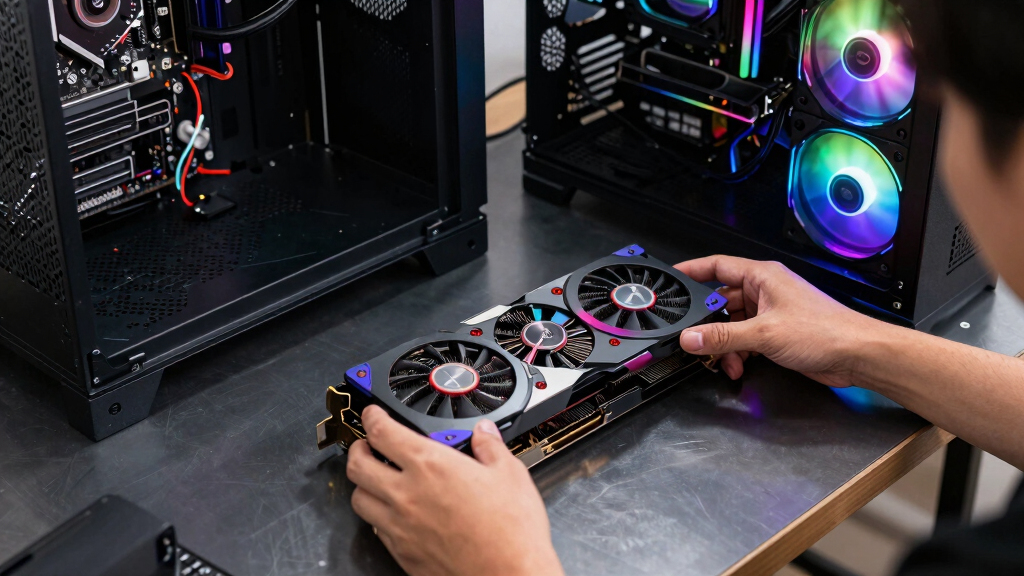

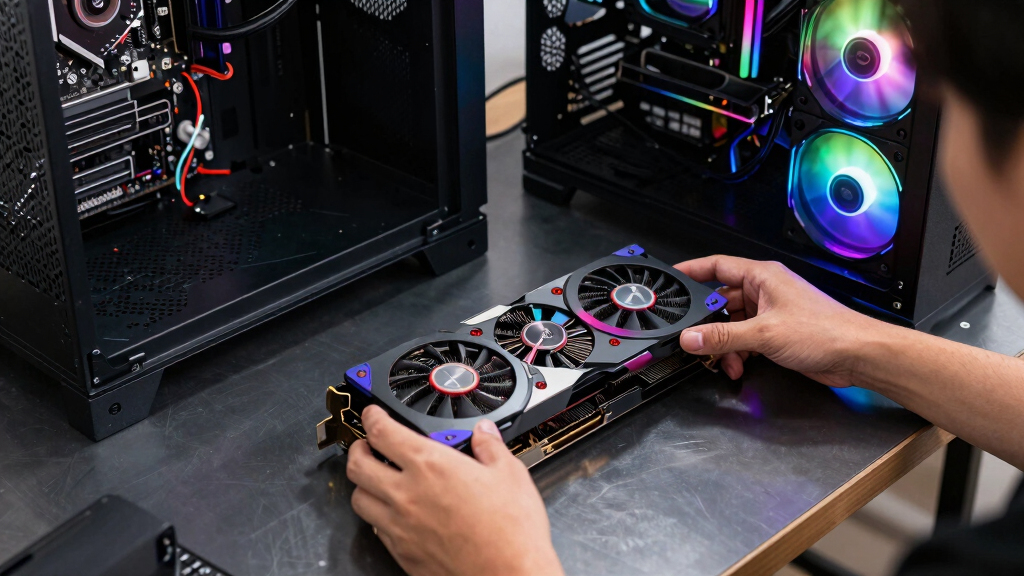
I would rank the DIY Gaming Computer Case with E-ATX Open Chassis as the best overall pick in this one-product roundup because it covers the core job of a gaming PC test bench: fast access, broad motherboard support, and open-air cooling clearance. It also works as my best compatibility pick because it supports E-ATX, ATX, M-ATX, and ITX, which matters more for component testing than polished case styling.

Play games on Amazon Luna for your game nights, included with Prime
- A rotating selection of games, no download needed
- Play on TV, laptop or phone
- Fast, free delivery for your gear, too
The same model also earns my best beginner-friendly open bench label, mostly because it avoids the tight fit problems that can make a first test-bench build frustrating. Compared with a closed gaming tower, it gives easier access to GPUs, coolers, cables, and drives. Compared with heavier premium metal benches, it is less convincing as a long-term workshop fixture because the plastic construction is the biggest compromise. My ranking logic is simple: for a gaming PC test bench, I value hardware access, cooling freedom, and motherboard flexibility ahead of looks, noise control, or dust protection.
Key Takeaways
- The DIY Gaming Computer Case ranks first because it supports E-ATX through ITX boards, giving it broader build flexibility than many single-format benches.
- Its open chassis is better for swapping gaming hardware than a closed tower, but it offers far less dust, cable, and noise control.
- The unrestricted GPU and CPU cooler clearance make it useful for oversized graphics cards and tall air coolers.
- Plastic construction keeps the bench approachable, but buyers who rebuild systems every week may prefer a heavier metal-frame bench.
- The storage layout is enough for a gaming test setup, though drive-heavy users should treat it as a bench rather than a full workstation case.
| DIY Gaming Computer Case with E-ATX Open Chassis and Heat Dissipation Design |  | Best Overall Open-Air Compatibility Pick | Supported Motherboards: E-ATX, ATX, M-ATX, ITX | Case Type: Open chassis tower-style test bench | Power Supply Mounting: Rear mount | VIEW LATEST PRICE | See Our Full Breakdown |
More Details on Our Top Picks
DIY Gaming Computer Case with E-ATX Open Chassis and Heat Dissipation Design
The DIY Gaming Computer Case with E-ATX Open Chassis takes the top spot because it fits the broadest version of the test-bench brief. The support for E-ATX, ATX, M-ATX, and ITX makes it more flexible than a compact ITX-only frame, and that matters if I want one bench that can handle a full-size gaming motherboard one day and a smaller troubleshooting build the next. For gaming PC builders, the biggest advantage is the unrestricted GPU length and CPU cooler height freedom, since modern graphics cards and tower coolers often create the most annoying fit problems in normal cases.
Compared with a closed gaming tower, this open chassis is easier to work on. I can see why it makes sense for testing graphics cards, checking thermals, or assembling parts before committing to a permanent case. The wide-body heat dissipation design favors airflow and access over silence and dust control. That tradeoff is central to the ranking: it is a better bench than a sealed case, but it is not trying to be a quiet living-room PC enclosure.
The weaker side is durability. Compared with premium aluminum or steel test benches, the plastic material is less reassuring for frequent rebuilds, heavy GPUs, and repeated hardware changes. It may be perfectly reasonable for occasional gaming builds, but I would be more cautious if the bench is meant for a repair desk, content-creation test station, or weekly GPU swapping. The rear PSU mount also keeps the layout familiar, yet buyers who want a showpiece open frame may find the overall design more functional than refined.
Storage is another split decision. The listed 4 x 3.5-inch internal bays and support for SSDs or HDDs are enough for most gaming test setups, especially when the focus is motherboard, GPU, CPU, and cooler compatibility. Against a full tower, though, it is not as tidy for a large drive library, long-term cable routing, or a clean daily-driver build. I would choose this model when compatibility and access come first, and skip it when build quality, dust management, or a polished finished PC matter more.
Pros:- Supports E-ATX, ATX, M-ATX, and ITX motherboards
- No stated restrictions on GPU length or CPU cooler height
- Open layout favors airflow and fast component access
- Useful as a flexible test bench before moving parts into a final case
Cons:- Plastic construction may feel less durable than metal test benches
- Open design gives little protection from dust, noise, or accidental contact
- Storage support is practical but limited for drive-heavy systems
Best for: PC builders who want one open-air bench for testing different gaming motherboards, large GPUs, and tall CPU coolers.
Not ideal for: Buyers who need a premium metal bench, quiet enclosed operation, strong dust protection, or a polished permanent gaming case.
- Supported Motherboards:E-ATX, ATX, M-ATX, ITX
- Case Type:Open chassis tower-style test bench
- Power Supply Mounting:Rear mount
- Cooling Method:Air cooling with open wide-body heat dissipation
- Expansion Support:2 expansion slots listed
- Storage Bays:4 x 3.5″ internal bays
- Material:Plastic
- Color:Black
Bottom line: This is the best fit in the lineup for builders who value open-air access and motherboard flexibility over premium materials or enclosed-case polish.
How We Picked
I picked and ranked this option by looking at what makes a gaming PC test bench useful instead of treating it like a normal case. My highest weights went to motherboard range, cooler and GPU clearance, fast access to components, and airflow around hot gaming hardware. A test bench should make it easy to change a graphics card, reseat RAM, swap a cooler, or run a board outside a closed case without turning each change into a rebuild.
I gave less weight to cosmetic finish, tempered glass, RGB support, and acoustic dampening because those matter more in a finished gaming tower. The main penalty here is material quality: plastic is lighter and simpler, but it does not carry the same confidence as steel or aluminum if the bench will live in a repair space. Since this roundup includes one submitted product, I ranked it against the practical alternatives a buyer may also be weighing: a standard enclosed gaming case, a premium metal test bench, and a compact ITX-only open frame.
Factors to Consider When Choosing Best Gaming PC Test Benches
A gaming PC test bench is not just a case with fewer panels. I would buy one for access, repeatability, and part clearance, then judge every feature by how much easier it makes building, troubleshooting, and swapping gaming hardware.Choose Access Before Appearance
For a test bench, open access matters more than a clean front panel or glass side window. A good bench lets me reach the motherboard, GPU latch, memory slots, power connectors, and cooler mounts without removing half the case. The DIY Gaming Computer Case gets this part right because its open chassis layout is better suited to part changes than a normal gaming tower.
The tradeoff is that an open bench exposes everything. That means more dust, more visible cables, and less protection from bumps. If the PC will sit under a desk for daily play, a closed case is usually easier to live with. If the goal is testing parts, fast access wins.
Check Motherboard Range
Motherboard support shapes how long a test bench stays useful. I rate E-ATX through ITX support highly because it lets one frame handle big gaming boards, mainstream ATX boards, compact builds, and troubleshooting setups. A smaller ITX-only bench may look neater, but it gives up too much flexibility for anyone who changes platforms.
This is where the DIY Gaming Computer Case separates itself from narrow-format frames. It is not the most premium option, but its multi-board compatibility gives it a wider use case. Buyers working with only one compact build may not need that range, while builders who test different parts will benefit from it.
Prioritize GPU And Cooler Clearance
Gaming hardware keeps getting physically larger, so I look for GPU length freedom and CPU cooler height clearance before I care about visual extras. A cramped case can turn a graphics card swap into a measurement problem. An open bench removes much of that friction, especially for large air coolers and thick graphics cards.
The DIY model is strong here because it lists no restrictions on GPU length or CPU cooler height. Against a compact enclosed case, that is a clear advantage. Against a premium metal bench, the layout is competitive, though the material quality is less convincing for very heavy hardware.
Match Materials To Use
Material choice changes how I would use a test bench. Plastic construction can be fine for occasional builds, a home gaming setup, or a first bench. It may also keep the frame easier to move. For a high-use workbench, though, I would usually prefer steel or aluminum because repeated mounting, cable pulling, and GPU changes put stress on the frame.
That is the main reason this pick is not a premium recommendation. It offers the right shape and compatibility for a gaming test bench, but buyers who want a long-term repair station should weigh the lower-cost feel against the benefits of metal-frame rigidity.
Think About Storage And Daily Use
Storage bays matter less on a test bench than on a finished gaming tower, but they still affect convenience. The listed 4 x 3.5-inch internal bays give enough room for common SSD or HDD testing, game-drive checks, and temporary build storage. That is enough for most bench use.
If I were building a permanent system with several drives, careful cable routing, and dust filters, I would move toward a full tower instead. A bench is best when the system is changing often. Once the hardware becomes permanent, the open layout starts to feel less like a benefit and more like extra maintenance.
Frequently Asked Questions
What makes a gaming PC test bench different from a regular PC case?
A gaming PC test bench is built around access instead of enclosure. It leaves the main components easier to reach, which helps when swapping GPUs, changing coolers, testing RAM, or checking whether a motherboard works before a final build. A regular gaming case is better for dust control, cable hiding, noise reduction, and long-term daily use. I would choose a bench for building and testing, then choose a closed case when the system needs to be tidy and protected.
Is an open-air test bench good for gaming?
An open-air bench can run gaming hardware well because airflow around the CPU cooler and graphics card is less restricted. The DIY Gaming Computer Case is appealing here because it has wide-body heat dissipation and no stated GPU or cooler clearance limits. The downside is that open systems collect dust faster, expose moving fans and cables, and usually sound louder than enclosed cases. I would use one for a test rig or changing hardware, not as my first choice for a quiet everyday gaming PC.
Does E-ATX support matter for a test bench?
E-ATX support matters if I want one bench that can handle high-end motherboards, oversized layouts, or future platform changes. Many gaming builders only need ATX, but a test bench benefits from extra range because the whole point is flexibility. The DIY Gaming Computer Case supports E-ATX, ATX, M-ATX, and ITX, which makes it more versatile than a compact frame locked to one or two board sizes.
Should I worry about the plastic construction?
Plastic is the main compromise with this pick. For occasional builds, learning, and home component testing, it may be acceptable because the layout is the bigger draw. For frequent hardware swaps, heavy graphics cards, or a workbench that sees constant use, I would prefer steel or aluminum for added stiffness and long-term confidence. This model makes sense as a flexible access-first bench, but it is not the premium durability pick.
How much storage does a gaming test bench need?
Most gaming test benches do not need the same storage capacity as a daily-driver tower. I mainly want enough room to connect a boot drive, a game drive, and maybe a spare SSD or HDD for testing. The DIY Gaming Computer Case lists 4 x 3.5-inch internal bays, which is workable for a bench. If I needed a large permanent drive setup with clean cabling, I would use a full tower instead.
Conclusion
For most buyers looking at this specific lineup, I would choose the DIY Gaming Computer Case with E-ATX Open Chassis as the best gaming PC test bench because it focuses on the right priorities: broad motherboard support, easy access, open airflow, and generous clearance for gaming parts.
It is the right pick for first-time bench builders, hobbyists who swap GPUs, and anyone who wants to test E-ATX, ATX, M-ATX, and ITX boards without buying multiple frames. I would skip it for a premium repair station, a quiet living-room gaming PC, or a polished permanent build. In those cases, a metal test bench or a closed gaming case is the better fit.
Fall Picks
fall essentials
As an affiliate, we earn on qualifying purchases.