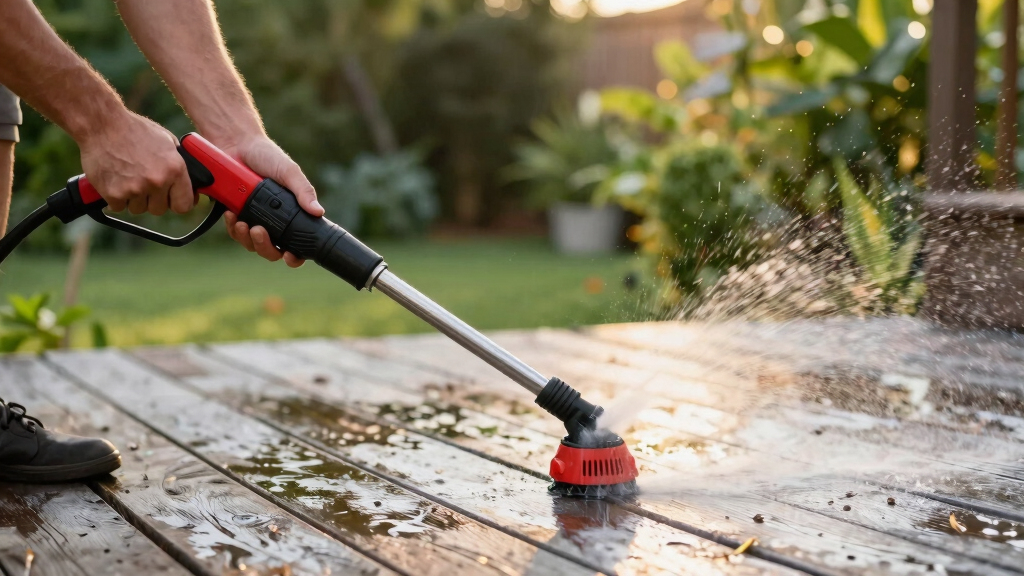

The best pressure washers balance cleaning speed, manageable handling, and enough power for the surfaces a buyer actually plans to wash. I rank the Simpson Clean Machine 3400 PSI as the best overall pick because its 2.5 GPM flow gives it a stronger heavy-cleaning profile than the compact electric models without moving into premium commercial-style pricing. The Westinghouse ePX3050 is my value choice for routine home and vehicle care, while the Simpson Aluminum Series 3600 PSI is the premium option for buyers who prioritize durability and demanding gas-powered performance. The main choice is between the lower noise, easier storage, and simpler upkeep of electric power and the higher cleaning rate, mobility, and maintenance demands of gas. Continue reading for the full breakdown of all 11 models and the buyer types each one serves best.

Play games on Amazon Luna for your game nights, included with Prime
- A rotating selection of games, no download needed
- Play on TV, laptop or phone
- Fast, free delivery for your gear, too
Complete the kit


Key Takeaways
- Gas models lead for large jobs: The Simpson Clean Machine and Westinghouse WPX3400 pair higher flow with strong pressure, making them better suited to long driveways and heavily soiled masonry than the compact electric picks.
- Advertised PSI does not tell the full story: Several Westinghouse electric models share a 1.76 max GPM figure, so hose management, stability, accessories, and physical size create more meaningful separation than modest PSI increases.
- The ePX3050 offers the strongest value balance: It gives occasional users useful accessories and practical household power without the cost, fuel handling, or storage footprint of a gas machine.
- Premium pricing mainly buys durability: The Simpson Aluminum Series 3600 and PowerShot 3300 stand apart through Honda GX200 engines and more work-focused construction, not merely higher headline pressure.
- Portability requires a power compromise: The Westinghouse ePX3100v is the easiest model here to carry and store, but the Greenworks 3000 and WPX3000e make more sense when electric convenience must cover larger hard-surface jobs.
| Simpson Clean Machine 3400 PSI Gas Pressure Washer |  | Best Gas Value | Pressure: 3400 PSI | Flow rate: 2.5 GPM | Engine: 208 cc CRX | VIEW LATEST PRICE | See Our Full Breakdown |
| Westinghouse ePX3050 Electric Pressure Washer |  | Best Budget Electric | Maximum pressure: 2100 PSI | Rated pressure: 1800 PSI | Maximum flow rate: 1.76 GPM | VIEW LATEST PRICE | See Our Full Breakdown |
| Westinghouse WPX3400 Gas Pressure Washer |  | Best Overall | Pressure: 3400 PSI | Flow rate: 2.6 GPM | Engine: 212 cc 4-stroke Westinghouse OHV | VIEW LATEST PRICE | See Our Full Breakdown |
| Westinghouse ePX3100 Electric Pressure Washer |  | Best for Beginners | Maximum pressure: 2300 PSI | Rated pressure: 1900 PSI | Maximum flow rate: 1.76 GPM | VIEW LATEST PRICE | See Our Full Breakdown |
| Westinghouse ePX3500 Electric Pressure Washer |  | Best Compact Performance | Maximum pressure: 2500 PSI | Rated pressure: 2000 PSI | Maximum flow rate: 1.76 GPM | VIEW LATEST PRICE | See Our Full Breakdown |
| Westinghouse WPX3000e Electric Pressure Washer |  | Best Heavy-Duty Electric | Maximum Pressure: 3000 PSI | Rated Pressure: 2600 PSI | Maximum Flow: 1.76 GPM | VIEW LATEST PRICE | See Our Full Breakdown |
| Sun Joe SPX3000 Electric Pressure Washer |  | Best for Dual-Detergent Cleaning | Maximum Pressure: 2030 PSI | Water Flow: 1.2 GPM | Spray Tips: 0°, 15°, 25°, 40°, and soap | VIEW LATEST PRICE | See Our Full Breakdown |
| SIMPSON PowerShot 3300 PSI Gas Pressure Washer |  | Best Contractor Workhorse | Pressure: 3300 PSI | Flow Rate: 2.5 GPM | Engine: Honda GX200 | VIEW LATEST PRICE | See Our Full Breakdown |
| Simpson Aluminum Series 3600 PSI Gas Pressure Washer |  | Best Premium Gas | Pressure: 3600 PSI | Flow Rate: 2.5 GPM | Engine: Honda GX200 | VIEW LATEST PRICE | See Our Full Breakdown |
| Greenworks 3000 PSI Brushless Electric Pressure Washer |  | Best High-Flow Electric | Maximum Pressure: 3000 PSI | Maximum Flow: 2.0 GPM | Motor Type: Brushless electric | VIEW LATEST PRICE | See Our Full Breakdown |
| Westinghouse ePX3100v Electric Pressure Washer |  | Best Hand-Carry Compact | Maximum pressure: 2100 PSI | Maximum flow rate: 1.76 GPM | Hose length: 25 feet | VIEW LATEST PRICE | See Our Full Breakdown |
| pressure washer | Hose length | Weight | Maximum pressure |
|---|---|---|---|
| Simpson Clean Machine 3400 PSI | 25 feet | 64 pounds | — |
| Westinghouse ePX3050 Electric | 20 feet | — | 2100 PSI |
| Westinghouse WPX3400 Gas Press | 2 meters | 28.6 kilograms | — |
| Westinghouse ePX3100 Electric | 25 feet | 19 pounds | 2300 PSI |
| Westinghouse ePX3500 Electric | 25 feet | 19 pounds | 2500 PSI |
| Westinghouse WPX3000e Electric | 25 feet | 36.8 pounds | 3000 PSI |
| Sun Joe SPX3000 Electric Press | 20 feet | — | 2030 PSI |
| SIMPSON PowerShot 3300 PSI Gas | 25 feet | 77 pounds | — |
| Simpson Aluminum Series 3600 P | 35 feet | 78 pounds | — |
| Greenworks 3000 PSI Brushless | 25 feet | 23.5 kilograms | 3000 PSI |
| Westinghouse ePX3100v Electric | 25 feet | — | 2100 PSI |
More Details on Our Top Picks
Simpson Clean Machine 3400 PSI Gas Pressure Washer
I rank the Simpson Clean Machine as the gas-value pick because its 3400 PSI and 2.5 GPM output suits stubborn driveway grime, fencing, and larger decks without stepping up to a costlier professional configuration. Compared with the Westinghouse WPX3400, it gives up 0.1 GPM and an onboard soap tank, but its maintenance-free axial cam pump reduces one routine ownership concern. The 25-foot hose also reaches farther than the WPX3400’s listed two-meter hose, which can mean fewer machine moves around a vehicle or patio. I would still reserve it for buyers comfortable with gas equipment: the 64-pound frame takes effort to reposition, assembly is required, and engine noise and fuel upkeep come with the extra cleaning force. California buyers must skip it because it is not offered there.
Pros:- 3400 PSI and 2.5 GPM provide strong residential cleaning power
- 25-foot hose offers more working reach than the Westinghouse WPX3400’s listed hose
- Maintenance-free axial cam pump reduces routine pump upkeep
- Welded, corrosion-resistant steel frame supports regular outdoor use
Cons:- Not available for sale in California
- 64-pound weight makes loading and frequent repositioning harder
- Requires assembly and ongoing gas-engine care
Best for: Homeowners seeking affordable gas power for driveways, decks, siding, and seasonal property cleanup
Not ideal for: California residents, apartment dwellers, and buyers who cannot comfortably move a 64-pound machine
- Pressure:3400 PSI
- Flow rate:2.5 GPM
- Engine:208 cc CRX
- Pump:Maintenance-free axial cam
- Hose length:25 feet
- Weight:64 pounds
- Dimensions:37 x 30 x 21 inches
Our verdict“I recommend this model to homeowners who want strong gas performance and longer hose reach without paying for a professional-grade washer.”
Westinghouse ePX3050 Electric Pressure Washer
I give the Westinghouse ePX3050 the budget-electric role because it covers routine car washing, patio furniture, fencing, and lightly soiled decks with a compact wheeled body. Its 1800 rated PSI trails the ePX3100’s 1900 rated PSI and the ePX3500’s 2000, so those models should clear embedded grime somewhat faster. Yet the included foam cannon and turbo nozzle make this the more appealing entry point for occasional users who do not need an onboard soap tank. The 35-foot cord provides useful outlet reach, while the 20-foot hose is shorter than the 25-foot hoses on both higher-tier ePX models. I would not choose it for expansive driveways or remote areas: sustained output is 1.2 GPM, and every cleaning route remains tied to electricity and a safe outlet.
Pros:- Compact wheeled design is easier to store and move than either gas model
- Foam cannon supports convenient vehicle and detergent washing
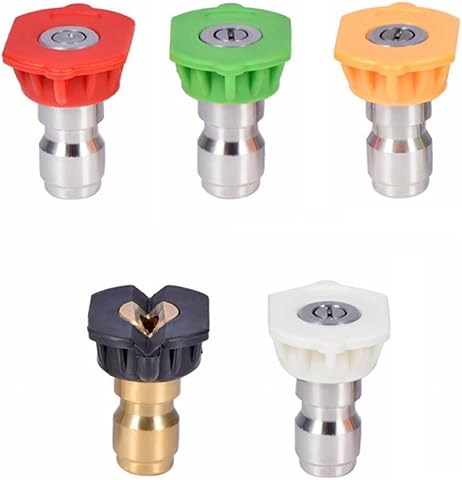
- Turbo, 15-degree, and 25-degree nozzles cover several cleaning patterns
- 35-foot power cord provides useful reach from an exterior outlet
Cons:- 1800 rated PSI is lower than the ePX3100 and ePX3500
- 20-foot hose provides less reach than the higher-tier ePX models
- Outlet dependence limits use around large or remote properties
Best for: Budget-focused homeowners who mainly wash cars, outdoor furniture, fences, and small patios near an outlet
Not ideal for: Buyers cleaning large driveways, remote areas, or deeply stained masonry where higher sustained output saves time
- Maximum pressure:2100 PSI
- Rated pressure:1800 PSI
- Maximum flow rate:1.76 GPM
- Rated flow rate:1.2 GPM
- Power:120 V AC
- Hose length:20 feet
- Cord length:35 feet
- Included nozzles:15-degree, 25-degree, and turbo
Our verdict“I favor the ePX3050 for occasional residential cleaning when low storage demand and included accessories matter more than maximum speed.”
Westinghouse WPX3400 Gas Pressure Washer
I place the Westinghouse WPX3400 first among these five because its 3400 PSI and 2.6 GPM pairing supplies the strongest overall cleaning rate in the batch. It matches the Simpson Clean Machine on pressure while moving slightly more water, helping rinse loosened dirt from broad driveways and decks faster. The five-nozzle set and onboard soap tank also make detergent work more convenient than on the Simpson. That performance carries clear costs: at 28.6 kilograms, this is a substantial machine, and its gas engine requires fuel, oil-related care, and more noise tolerance than any ePX electric model. The listed two-meter hose is another weak point beside the Simpson’s 25-foot hose. I rank it highest for demanding home maintenance, but it is excessive for quick vehicle washes or compact storage spaces.
Pros:- Highest flow rate in this five-product batch at 2.6 GPM
- 3400 PSI handles demanding residential surfaces and stubborn buildup
- Onboard soap tank streamlines detergent application
- Five nozzles provide broader spray selection than the ePX3050
Cons:- Gas engine requires fuel, maintenance, and tolerance for exhaust and noise
- 28.6-kilogram weight makes transport harder than with the 19-pound ePX models
- Listed two-meter hose is restrictive for a heavy machine
Best for: Homeowners with large driveways, masonry, decks, and recurring heavy grime who value cleaning speed
Not ideal for: Apartment residents, noise-sensitive households, and occasional car washers who would be better served by a compact electric model
- Pressure:3400 PSI
- Flow rate:2.6 GPM
- Engine:212 cc 4-stroke Westinghouse OHV
- Hose length:2 meters
- Weight:28.6 kilograms
- Nozzle set:0-degree, 15-degree, 25-degree, 40-degree, and soap
- Detergent system:Onboard soap tank
Our verdict“I recommend the WPX3400 for buyers who prioritize fast, forceful residential cleaning and accept the upkeep and bulk of gas power.”
Westinghouse ePX3100 Electric Pressure Washer
I select the Westinghouse ePX3100 for beginners because its anti-tipping base and 360-degree wheels remove much of the wrestling associated with a tall pressure-washer cart. At 19 pounds, it is far easier to move and store than the Simpson Clean Machine or WPX3400, while the onboard tank avoids attaching a separate foam cannon for detergent jobs. Compared with the ePX3050, it adds a longer 25-foot hose, more rated pressure, and a broader five-nozzle set. The ePX3500 remains the better choice for tougher electric cleaning because it offers 2000 rated PSI versus 1900 here. I also wish this model had a pressure dial; surface control relies on nozzle choice and working distance. It suits regular household jobs, but large stained driveways will expose the speed gap between this electric unit and either gas pick.
Pros:- Anti-tipping design and 360-degree wheels make movement beginner-friendly
- 19-pound body is much easier to store than the gas models
- 25-foot hose offers more reach than the ePX3050
- Onboard soap tank and five nozzles support varied household jobs
Cons:- 1900 rated PSI falls below the ePX3500
- No listed variable-pressure dial for fine output control
- Electric output is slower for extensive heavy staining than either gas model
Best for: First-time owners who want a light, stable machine for cars, fences, patios, and moderate driveway cleanup
Not ideal for: Buyers facing large areas of embedded grime or anyone wanting a dedicated pressure-adjustment control
- Maximum pressure:2300 PSI
- Rated pressure:1900 PSI
- Maximum flow rate:1.76 GPM
- Rated flow rate:1.24 GPM
- Wand length:17.5 inches
- Hose length:25 feet
- Weight:19 pounds
- Nozzle set:0-degree, 15-degree, 25-degree, turbo, and soap
- Motor control:Total Stop System
Our verdict“I recommend the ePX3100 to first-time buyers who want simple handling, useful accessories, and enough power for routine home care.”
Westinghouse ePX3500 Electric Pressure Washer
I assign the Westinghouse ePX3500 the compact-performance spot because it combines a 19-pound anti-tipping body with the highest rated pressure among the three ePX models here. Its 2000 rated PSI provides a modest step up from the ePX3100’s 1900 and the ePX3050’s 1800, making it better suited to dirty fencing, patios, and smaller driveways while retaining easy storage. A 25-foot hose, onboard soap tank, steel wand, and five-nozzle set give it a more self-contained setup than the ePX3050. Still, buyers should read past the 2500 PSI headline: rated flow is 1.2 GPM, so it cannot match the rinse speed of the 2.5-GPM Simpson Clean Machine. There is also no listed pressure dial, and outlet dependence rules out detached areas. I see it as capable electric convenience, not a substitute for gas on repeated heavy jobs.
Pros:- 2000 rated PSI leads the three compact ePX models in this batch
- 19-pound anti-tipping body combines portability with stable handling
- 25-foot hose and onboard soap tank reduce interruptions during household jobs
- Three-year limited warranty provides longer-term ownership coverage
Cons:- 1.2 GPM rated flow cannot rinse broad surfaces as quickly as the gas models
- No listed variable-pressure control beyond changing nozzles and distance
- Electrical connection limits reach on remote parts of a property
Best for: Homeowners with limited storage who want the strongest compact ePX option for patios, fences, vehicles, and modest driveways
Not ideal for: Rural users without nearby outlets and buyers tackling frequent, large-scale masonry or commercial cleaning
- Maximum pressure:2500 PSI
- Rated pressure:2000 PSI
- Maximum flow rate:1.76 GPM
- Rated flow rate:1.2 GPM
- Wand length:17.5 inches
- Hose length:25 feet
- Weight:19 pounds
- Warranty:3-year limited
- Detergent system:Onboard soap tank
Our verdict“I would choose the ePX3500 when compact storage and stronger electric pressure outweigh the faster cleaning rate available from gas.”
Westinghouse WPX3000e Electric Pressure Washer
I rank the Westinghouse WPX3000e as the heavy-duty electric pick because its 2600 rated PSI provides a more useful picture of sustained cleaning power than the 3000 PSI maximum alone. It is better suited to concrete, fences, and neglected patios than the lower-pressure Sun Joe SPX3000, while avoiding the fuel, noise, and upkeep of the SIMPSON PowerShot. The five-nozzle set, including a turbo tip, also gives buyers more control when moving between stubborn grime and delicate vehicle surfaces. Its drawbacks are reach and bulk: the 25-foot hose can require frequent repositioning, and 36.8 pounds is substantial for an electric unit. I also see its 1.1 rated GPM as the main compromise; the Greenworks 3000 PSI model offers stronger claimed water flow for rinsing broad areas.
Pros:- 2600 rated PSI provides strong sustained pressure for an electric model
- Turbo tip and four additional nozzles cover aggressive and surface-sensitive jobs
- Large onboard soap tank supports extended detergent application
- 10-inch never-flat wheels handle uneven yards better than small casters
Cons:- Rated flow drops to 1.1 GPM, which can slow rinsing across wide surfaces
- 36.8-pound body is cumbersome to lift into storage or a vehicle
- 25-foot hose may require repeated repositioning on larger driveways
Best for: Homeowners who want gas-like pressure for driveways, fencing, patios, and occasional vehicle cleaning without maintaining an engine
Not ideal for: Buyers cleaning very large properties or working far from outlets, since the 25-foot hose and corded power restrict roaming range
- Maximum Pressure:3000 PSI
- Rated Pressure:2600 PSI
- Maximum Flow:1.76 GPM
- Rated Flow:1.1 GPM
- Hose Length:25 feet
- Motor:Heavy-duty 120V AC electric
- Nozzles:0°, 15°, 25°, soap, and turbo
- Soap Tank:0.45 gallons
- Weight:36.8 pounds
Our verdict“I recommend this model to homeowners who favor strong electric pressure and nozzle versatility over low weight and long-range mobility.”
Sun Joe SPX3000 Electric Pressure Washer
The Sun Joe SPX3000 earns its place through detergent flexibility rather than raw output. Its two 0.9-liter tanks let me recommend it for buyers who regularly alternate between vehicle soap and a stronger deck or siding solution without draining one container first. Neither the Westinghouse WPX3000e nor the supplied data for the Greenworks 3000 PSI model offers that same two-cleaner setup. The five spray tips include a gentler 40-degree option, making the Sun Joe easier to match with paintwork and outdoor furniture. Yet its 2030 PSI and 1.2 GPM sit below the stronger electric and gas machines here, so large concrete areas will take longer. The 20-foot hose is also the shortest among these five picks, and the corded design limits where it can work.
Pros:- Dual detergent tanks keep two cleaning solutions ready
- Five spray tips include a gentle 40-degree pattern for sensitive surfaces
- Stainless steel lance and brass fittings add durability at key connection points
- 2030 PSI output suits routine household and vehicle washing
Cons:- Lower pressure and flow than the 3000 PSI electric models in this group
- 20-foot hose offers limited working reach
- Corded operation requires a nearby electrical supply
Best for: Car owners and detail-focused homeowners who switch between two cleaning solutions and work on vehicles, furniture, siding, or modest patios
Not ideal for: Buyers with long driveways or heavily stained concrete, since the lower output and 20-foot hose can make large jobs slow
- Maximum Pressure:2030 PSI
- Water Flow:1.2 GPM
- Spray Tips:0°, 15°, 25°, 40°, and soap
- Detergent Tanks:Two 0.9-liter tanks
- Hose Length:20 feet
- Spray Lance Length:34 inches
Our verdict“I favor the SPX3000 for mixed vehicle and household cleaning where detergent choice matters more than maximum concrete-cleaning speed.”
SIMPSON PowerShot 3300 PSI Gas Pressure Washer
I place the SIMPSON PowerShot in the contractor-workhorse slot because its Honda GX200 engine and AAA triplex pump are aimed at frequent, demanding jobs rather than occasional patio cleanup. At 3300 PSI and 2.5 GPM, it moves grime and rinse water far faster than the Westinghouse WPX3000e or Sun Joe SPX3000. Compared with the Simpson Aluminum Series, though, the PowerShot gives up 300 PSI and ten feet of hose while retaining the same stated flow and engine. That makes it the less specialized of the two professional gas picks. The MorFlex hose resists kinking and abrasion, but its 25-foot length still feels restrictive around large equipment or buildings. At 77 pounds, this is also a machine to roll rather than lift, and California buyers cannot purchase this model.
Pros:- 3300 PSI and 2.5 GPM combine strong stripping power with fast rinsing
- Honda GX200 engine includes low-oil shutdown protection
- AAA triplex pump is designed for demanding professional workloads
- MorFlex hose resists abrasion and kinking
Cons:- 77-pound weight makes vehicle loading and stair transport difficult
- 25-foot hose is short for a contractor-oriented machine
- Not available for sale in California
Best for: Contractors, property managers, and serious DIY buyers who need sustained gas power for decks, siding, equipment, and repeated driveway work
Not ideal for: Casual users, apartment residents, and California buyers who need a lighter, quieter, or locally compliant machine
- Pressure:3300 PSI
- Flow Rate:2.5 GPM
- Engine:Honda GX200
- Pump:AAA triplex
- Hose Length:25 feet
- Hose Material:MorFlex polyurethane
- Nozzle Tips:Five quick-connect tips
- Weight:77 pounds
- Dimensions:21 x 24 x 34 inches
Our verdict“I recommend the PowerShot for frequent hard-surface cleaning when professional gas components matter more than portability or maximum reach.”
Simpson Aluminum Series 3600 PSI Gas Pressure Washer
The Simpson Aluminum Series ranks above the PowerShot as my premium gas choice because it pairs the same Honda GX200 engine and 2.5 GPM flow with 3600 PSI and a 35-foot hose. Those gains matter when removing stubborn buildup or working around large driveways, buildings, and equipment without dragging the frame every few minutes. Its aircraft-grade aluminum frame also resists corrosion, though buyers should not mistake aluminum for featherweight construction: at 78 pounds, it is one pound heavier than the PowerShot. The AAA triplex pump with PowerBoost fits repeated professional work, while five quick-connect tips broaden the range of suitable surfaces. I rank it behind lighter electric models for routine home washing because it brings engine upkeep, exhaust, and more aggressive pressure. It is also cold-water only and unavailable in California.
Pros:- 3600 PSI delivers the highest pressure among these five products
- 35-foot hose provides ten feet more reach than the PowerShot
- Aircraft-grade aluminum frame resists corrosion
- Honda GX200 engine and AAA triplex pump suit repeated demanding work
Cons:- 78-pound weight still makes lifting and transport laborious
- Not available for sale in California
- Cold-water-only design cannot support hot-water degreasing
Best for: Professional cleaners and rural property owners who need high pressure, a long hose, and corrosion-resistant construction for frequent outdoor work
Not ideal for: California residents and occasional home users who would rather avoid a 78-pound gas machine, engine upkeep, and cold-water limitations
- Pressure:3600 PSI
- Flow Rate:2.5 GPM
- Engine:Honda GX200
- Pump:AAA triplex with PowerBoost
- Hose Length:35 feet
- Nozzles:Five quick-connect tips
- Frame Material:Aircraft-grade aluminum
- Weight:78 pounds
- Compliance:49-state compliant; not for sale in California
Our verdict“I would choose this premium gas model for frequent large-property or professional jobs where extra pressure and hose reach justify the weight and upkeep.”
Greenworks 3000 PSI Brushless Electric Pressure Washer
I give the Greenworks 3000 PSI the high-flow electric role because its claimed 2.0 GPM maximum favors faster rinsing across decks, driveways, and fences. That is higher than the Westinghouse WPX3000e’s 1.76 GPM maximum, making the Greenworks more appealing for broad surfaces where water volume can save time. The brushless motor also separates it from conventional electric options by reducing wear at the motor brushes. Still, portability is relative: 23.5 kilograms converts to roughly 51.8 pounds, making it much heavier than the 36.8-pound Westinghouse. Its 25-foot hose offers no reach advantage, either. Product data also does not confirm an onboard detergent tank, so soap-focused buyers have a clearer choice in the Sun Joe SPX3000. I rank this as a large-area electric specialist, not the easiest machine to carry or store.
Pros:- 2.0 GPM maximum flow supports faster rinsing over broad surfaces
- 3000 PSI maximum pressure targets stubborn residential grime
- Brushless motor avoids wear at conventional motor brushes
- Quick-connect fittings simplify setup and nozzle changes
Cons:- Roughly 51.8-pound weight is high for an electric pressure washer
- 25-foot hose limits reach around large properties
- Provided product data does not confirm an onboard soap tank
Best for: Homeowners with broad decks, driveways, or fencing who want strong rinsing flow without moving to a gas engine
Not ideal for: Buyers who must lift the washer onto shelves, carry it up steps, or rely on a clearly specified onboard detergent system
- Maximum Pressure:3000 PSI
- Maximum Flow:2.0 GPM
- Motor Type:Brushless electric
- Hose Length:25 feet
- Weight:23.5 kilograms
- Maximum Inlet Water Temperature:104°F (40°C)
Our verdict“I recommend the Greenworks for buyers who prioritize electric rinsing speed and motor design over low weight and clearly documented detergent storage.”
Westinghouse ePX3100v Electric Pressure Washer
I rank the Westinghouse ePX3100v as the lineup’s best hand-carry option because its 17.6-pound body packs 2100 max PSI and 1.76 max GPM into a compact footprint. It delivers the same headline output as the Westinghouse ePX3050, but its built-in carrying handle and small frame make moving it between a car, patio, and storage shelf less awkward. The detachable foam cannon also gives car owners a simple way to apply detergent. Compared with the wheeled Westinghouse ePX3100, though, this model gives up anti-tipping construction, an onboard soap tank, and 200 PSI. Its 25-foot hose can also force more repositioning across a broad driveway. I place it below the larger electric models for demanding concrete work, but its portable, storage-friendly design makes more sense for lighter, frequent jobs.
Pros:- 17.6-pound body is easy to carry between small cleaning jobs
- 2100 max PSI and 1.76 max GPM suit cars, fences, patios, and outdoor furniture
- Detachable foam cannon simplifies detergent application
- Compact dimensions require less storage space than larger wheeled or gas models
Cons:- Less capable on stubborn concrete grime than the 3000-plus PSI models in the roundup
- 25-foot hose may require frequent repositioning across large areas
- AC power limits use to locations within reach of an electrical outlet
Best for: I recommend it for apartment residents, car owners, and homeowners who need a light pressure washer that can be carried and stored on a shelf.
Not ideal for: I would skip it for large properties or frequent heavy concrete cleaning because the corded power supply, modest output, and 25-foot hose limit working range.
- Maximum pressure:2100 PSI
- Maximum flow rate:1.76 GPM
- Hose length:25 feet
- Item weight:17.6 pounds
- Dimensions:15 x 8.5 x 11 inches
- Power source:AC electric
- Detergent applicator:Detachable foam cannon
- Wand material:Steel
- Carrying feature:Built-in handle
Our verdict“This is my compact pick for buyers who value easy carrying and storage more than maximum cleaning force or long-range mobility.”
How We Picked
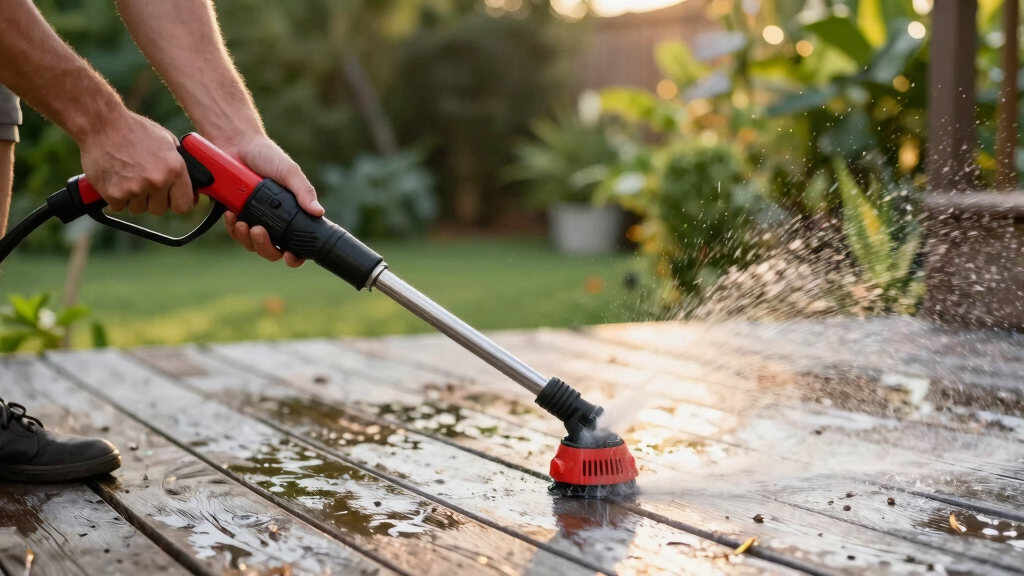
I ranked these pressure washers by how well their power delivery fits real cleaning workloads, giving weight to pressure and water flow together rather than treating PSI as a complete performance score. I also compared setup and handling, hose and cord management, nozzle selection, detergent delivery, stability, and storage demands. Because a machine that is awkward to move often gets used less, portability influenced the electric rankings more heavily. For the gas models, I placed greater emphasis on sustained cleaning speed, engine quality, frame construction, and suitability for repeated large-area work.
I then weighed those strengths against purchase price and ownership effort, including fuel storage, engine upkeep, pump care, and the space each design occupies. The Simpson Clean Machine takes the top position because it offers a convincing middle ground between residential value and serious gas performance. Compact electric models rank higher for beginners and light-duty buyers, while the Simpson Aluminum Series earns its premium role through work-focused durability. I treated exaggerated-looking max ratings cautiously and favored models whose overall package matches a clear buyer need.
Factors to Consider When Choosing Best Pressure Washers
I would choose a pressure washer by starting with the hardest surface and largest area it must clean, then working backward to the smallest machine that can handle that workload comfortably. Cleaning rate, surface safety, and ownership effort matter more than chasing the largest PSI number. The sections below explain the tradeoffs that separate a convenient purchase from a machine that is either underpowered or unnecessarily demanding.
Match Pressure and Flow to the Workload
PSI describes impact force, while GPM reflects how quickly loosened dirt can be carried away. A high-pressure machine with modest flow may remove a narrow strip of grime yet still take a long time to clean a full driveway. Large concrete areas benefit from higher flow and a compatible surface cleaner, whereas cars, painted furniture, and softwood need controlled pressure and a wider spray. I would not buy extra force merely as insurance because excessive pressure can scar timber, lift paint, and damage seals. Buyers comparing max ratings should also check whether brands publish rated operating figures, since peak numbers may only occur briefly. For mixed household work, adjustable technique and a useful nozzle set often matter more than the final few hundred PSI.
Choose Between Gas and Electric Power
Gas pressure washers favor speed and mobility because they are not tied to an electrical outlet, but they require fuel, oil checks, seasonal care, and outdoor operation. They make the most sense for long driveways, extensive fencing, masonry, and repeated jobs where shorter cleaning sessions justify the upkeep. Corded electric machines are quieter, start with less effort, and suit neighborhoods where engine noise would be unwelcome. Their extension-cord rules, outlet placement, and lower typical flow can become frustrating across a large property. I would choose electric for frequent light cleaning and gas for fewer but tougher sessions. Buyers with only one or two small annual jobs may find renting a powerful gas machine cheaper than owning and maintaining one.
Account for Surface Risk and Nozzle Choice
A pressure washer is only as surface-friendly as its nozzle, distance, and operator technique allow. Zero-degree jets concentrate force into a tiny area and are rarely the right starting point for residential cleaning. Wider fan nozzles offer more control on siding, vehicles, decking, and outdoor furniture, while a turbo nozzle trades gentleness for faster spot cleaning on durable masonry. I would begin at a greater distance on an inconspicuous patch, then move closer only if the material tolerates it. Detergent can reduce the need for aggressive pressure, especially on oily film or organic buildup. A machine with clearly labeled, easy-to-change nozzles may be safer and more useful than a stronger model with poor spray control.
Measure the Full Working Radius
Product dimensions reveal only part of the portability story. Buyers should add the high-pressure hose length, power-cord reach, and garden-hose position to see whether a machine can cover the intended area without constant repositioning. A tall wheeled frame crosses level pavement easily but may be awkward on steps, gravel, or narrow side paths. Compact carry-style units store well, though short hoses can make them less convenient during vehicle cleaning. I would favor a longer pressure hose over relying on an extension cord, since electrical connections near water demand careful placement and compatible outdoor-rated equipment. Onboard storage also matters because loose nozzles, cords, and hoses turn a small machine into a cluttered system.
Decide When Premium Construction Pays
Premium pumps, engines, frames, and fittings have the greatest value when the washer will run often or for long sessions. An occasional patio cleaner may receive little practical benefit from a commercial-style engine beyond added weight and cost. Frequent users gain more from serviceable components, sturdy hose connections, pneumatic or large wheels, and a frame that resists vibration. Access to replacement hoses, spray guns, nozzles, and pump parts can matter more over several years than an extra accessory in the box. I would pay more when downtime would interrupt paid work or a large maintenance schedule. For lighter household use, simple setup and a strong warranty are usually better places to put the budget.
Frequently Asked Questions
Is a gas or electric pressure washer the better choice for a typical home?
For cars, patio furniture, bins, small decks, and occasional siding care, I would usually choose an electric pressure washer because it starts easily and asks less of its owner. A gas model becomes more compelling when the property includes a long driveway, extensive fencing, or stubborn masonry stains. The difference is not only raw pressure; higher gas-model flow can clear loosened debris faster across broad surfaces. Electric machines trade that speed for lower noise, easier storage, and reduced maintenance. Buyers who clean large areas only once a year may be better served by renting gas power and owning a smaller electric unit.
How much PSI do I need for cars, decks, and concrete?
I would avoid choosing one PSI target for every surface because nozzle angle and working distance change the force that reaches the material. Vehicles and painted surfaces call for a broad fan, generous distance, and restrained pressure. Decking varies by wood type and condition, so a low-pressure test patch is the safest starting point. Concrete tolerates more force and benefits from stronger flow, especially when paired with a surface-cleaning attachment. A model with multiple nozzles and controllable technique is more versatile than one selected solely for its maximum rating.
Are maximum PSI and GPM ratings directly comparable between brands?
Maximum ratings can describe brief peak output, so they do not always represent the pressure and flow delivered continuously at the nozzle. I would look for rated or working figures when available and compare pressure together with flow. Motor type, nozzle selection, hose restrictions, and pump design can also change how capable two machines feel on the same job. This matters in this lineup because several Westinghouse electric models list similar maximum flow despite different pressure claims. Cleaning-unit calculations can help, but handling, duty cycle, and accessory quality still affect the buying decision.
Is it worth paying more for a Honda-powered pressure washer?
A Honda GX200-equipped model makes the most sense for buyers who value repeated-use durability and serviceability. That premium is harder to justify for someone cleaning a small patio and one vehicle a few times per year. The engine does not remove the need for fuel care, oil changes, winter storage, or pump maintenance. Buyers should also compare the frame, pump, hose, and local parts support because the engine is only one part of the system. I would reserve the Honda-powered Simpson models for demanding residential schedules, large properties, or work where reliability carries financial value.
Which pressure washer is easiest for a beginner to own?
I would steer a beginner toward a stable corded electric model with labeled nozzles, simple detergent handling, and storage for its accessories. The Sun Joe SPX3000 fits that role through its familiar residential format, while the Westinghouse ePX3100 adds anti-tipping design for buyers who prioritize stability. A compact carry model such as the ePX3100v is easier to store but may require more repositioning during larger jobs. Beginners should skip zero-degree spraying until they understand how distance and nozzle angle affect different materials. Easy setup and predictable control are more valuable at this stage than the strongest advertised output.
Conclusion
For the broadest mix of demanding residential jobs, my best overall choice is the Simpson Clean Machine 3400 PSI because its 2.5 GPM flow and gas-powered mobility provide a convincing balance of cleaning speed and price. The Westinghouse ePX3050 is the best value for occasional car, furniture, and small patio cleaning, while the Sun Joe SPX3000 is my beginner pick for familiar controls and approachable electric ownership. Buyers who need a compact machine for shelves, apartments, or limited garage space should choose the Westinghouse ePX3100v.
For premium construction and frequent demanding use, I would step up to the Simpson Aluminum Series 3600 PSI; the PowerShot 3300 is another work-focused choice for buyers who want a Honda GX200 engine. The Westinghouse WPX3400 suits large driveways when high gas-powered flow matters more than quiet operation. Among buyers committed to electric power, the Greenworks 3000 is my large-area electric pick, while the Westinghouse ePX3100 offers a useful balance of stability and accessories. Matching the machine to the largest recurring job will produce a better purchase than paying for pressure that delicate surfaces cannot safely use.
Halloween Picks
halloween
As an affiliate, we earn on qualifying purchases.