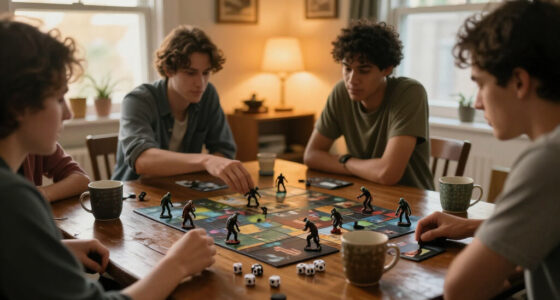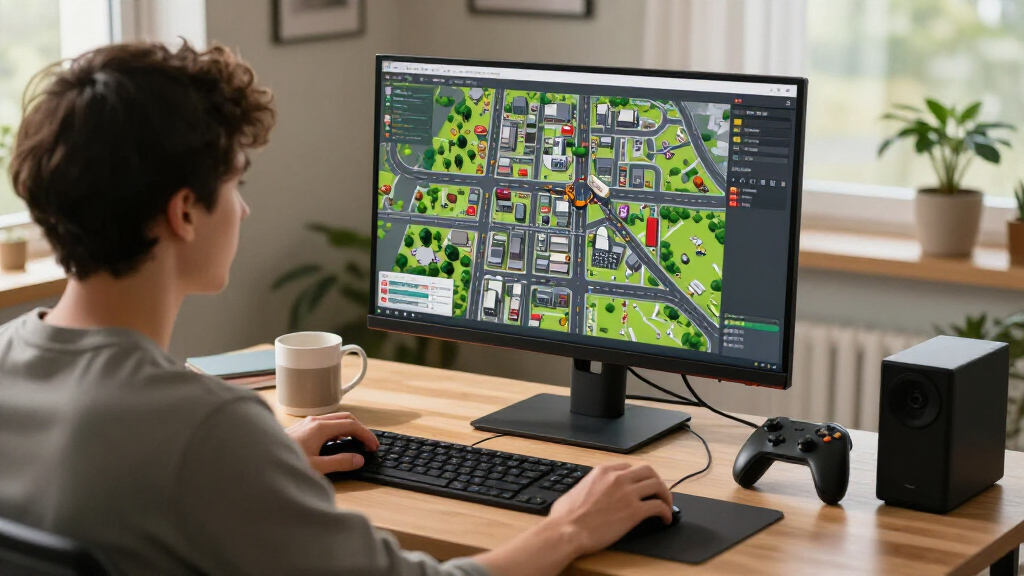

The best city building game overall in this lineup is Tower Up, which pairs a clear building goal with strategic choices that suit players who want a substantial board game. For lighter play, Akropolis makes spatial planning approachable, while Designer City 2 offers a digital option for players who prefer to build at their own pace. The main tradeoffs are tabletop versus digital play, quick turns versus longer-term planning, and competitive choices versus cooperative or solo-friendly play. Some games focus on fitting buildings into a compact space; others ask players to manage growth, shared plans, or changing rules. Read on for the full breakdown and help matching a game to your group.

Get games and gaming gear delivered free — and shop member deals
- Fast, free delivery on millions of items
- Access to Prime Big Deal Days deals on October 6–7
- Prime Video, Amazon Music and more included
Complete the kit


Key Takeaways
- Tower Up leads the tabletop picks for players seeking strategic city development, while Akropolis is an easier entry point for spatial building.
- Designer City 2 is the standout digital option; it suits solo, at-your-own-pace play better than a group seeking face-to-face interaction.
- The board games split sharply by table feel: Link City centers cooperation, while several other picks make competition and individual scoring more prominent.
- Tiny Towns, Tangram City, and Akropolis highlight a recurring strength in this lineup: city building can hinge on spatial puzzles rather than detailed economic simulation.
- Thames & Kosmos My City is the distinct campaign-style choice, while one-session games are a safer fit for groups that do not want a continuing commitment.
| Tower Up City-Building Strategy Board Game |  | Best for Accessible City Planning | Players: 2–4 | Recommended age: 8 years and up | Playing time: 30–45 minutes | VIEW LATEST PRICE | See Our Full Breakdown |
| Tolleno Strategic Board Game, Family Edition |  | Best for Waterfront Tile-and-Area Strategy | Players: 2–4 | Recommended age: 8 years and up | Playing time: 40 minutes listed in product details; title information differs | VIEW LATEST PRICE | See Our Full Breakdown |
| Designer City 2: City Building Game |  | Best for Buyers Seeking a Digital City Builder | Product name: Designer City 2: City Building Game | ASIN: B07BYFVBND | Brand: Not provided | VIEW LATEST PRICE | See Our Full Breakdown |
| Akropolis Strategy Board Game |  | Best for Compact Spatial Puzzles | Players: 1–4 | Recommended age: 8 years and up | Playing time: About 30 minutes | VIEW LATEST PRICE | See Our Full Breakdown |
| Megacity: Oceania Board Game |  | Best for Hands-On Architectural Building | Players: 2–4 | Recommended age: 8 years and up | Playing time: About 45 minutes | VIEW LATEST PRICE | See Our Full Breakdown |
| Capstone Games Tangram City Strategy Board Game |  | Best for Compact Spatial Puzzles | Players: 1–4 | Playing time: 30 minutes | Recommended age: 10 years and up | VIEW LATEST PRICE | See Our Full Breakdown |
| Foundations of Metropolis Strategy Board Game |  | Best for Competitive City Planning | Players: 1–5 listed; description highlights 2–4 | Recommended age: 14 years and up | Playing time: 60 minutes | VIEW LATEST PRICE | See Our Full Breakdown |
| Tiny Towns Strategy Board Game |  | Best for Simultaneous Group Play | Brand: Alderac Entertainment Group (AEG) | Players: 1–6 | Recommended age: 14 years and up | VIEW LATEST PRICE | See Our Full Breakdown |
| SimCity BuildIt |  | Best for Digital City Building | VIEW LATEST PRICE | See Our Full Breakdown | |||
| Link City Cooperative City-Building Board Game for 2–6 Players |  | Best for Cooperative Family Play | Brand: Blue Orange Games | Players: 2–6 | Recommended age: 8 years and up | VIEW LATEST PRICE | See Our Full Breakdown |
| Hellas: Ancient Greek City-Building Strategy Board Game |  | Best for Tactical Player Interaction | Players: 2–4 | Recommended age: 14 years and up | Playing time: 45 minutes | VIEW LATEST PRICE | See Our Full Breakdown |
| Machi Koro Board Game |  | Best for Beginners and Family Game Nights | Players: 2–4 | Recommended age: 8+ | Playtime: Under 30 minutes | VIEW LATEST PRICE | See Our Full Breakdown |
| Rolling Heights: Push-Your-Luck City-Building Board Game |  | Best for Push-Your-Luck Strategy | Players: 2–4 | Recommended age: 14 years and up | Playing time: About 60 minutes | VIEW LATEST PRICE | See Our Full Breakdown |
| Thames & Kosmos My City Legacy Board Game | 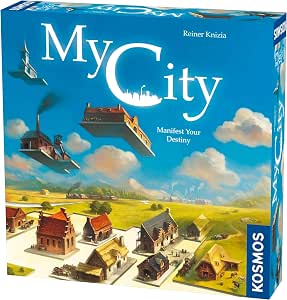 | Best for a Continuing City Campaign | Players: 2–4 | Recommended age: 10 years and up | Playing time: 30 minutes | VIEW LATEST PRICE | See Our Full Breakdown |
| city building game | Players | Recommended age | Playing time |
|---|---|---|---|
| Tower Up City-Building Strateg | 2–4 | 8 years and up | 30–45 minutes |
| Tolleno Strategic Board Game | 2–4 | 8 years and up | 40 minutes listed in product details; title information differs |
| Designer City 2: City Building | Not provided | Not provided | Not provided |
| Akropolis Strategy Board Game | 1–4 | 8 years and up | About 30 minutes |
| Megacity: Oceania Board Game | 2–4 | 8 years and up | About 45 minutes |
| Capstone Games Tangram City St | 1–4 | 10 years and up | 30 minutes |
| Foundations of Metropolis Stra | 1–5 listed; description highlights 2–4 | 14 years and up | 60 minutes |
| Tiny Towns Strategy Board Game | 1–6 | 14 years and up | 45–60 minutes |
| SimCity BuildIt | — | — | — |
| Link City Cooperative City-Bui | 2–6 | 8 years and up | 25 minutes |
| Hellas: Ancient Greek City-Bui | 2–4 | 14 years and up | 45 minutes |
| Machi Koro Board Game | 2–4 | 8+ | — |
| Rolling Heights: Push-Your-Luc | 2–4 | 14 years and up | About 60 minutes |
| Thames & Kosmos My City Legacy | 2–4 | 10 years and up | 30 minutes |
More Details on Our Top Picks
Tower Up City-Building Strategy Board Game
Tower Up makes city building approachable without reducing every turn to a simple placement choice. Players gather materials, construct buildings, and work toward planning objectives, so the appeal comes from balancing immediate gains against a city that gets costlier to expand. Its 10 objectives and adjustable difficulty give families room to change the challenge between plays, while the 30–45 minute length keeps the game shorter than a more involved strategy session. Compared with Akropolis, which centers on stacking tiles and scoring districts, Tower Up focuses more on resource management and competing to build wealth. That gives its planning a different texture, but rising construction costs can make later turns restrictive, and neighboring buildings must use different colors. I’d choose it for guided, competitive city growth rather than a free-form building puzzle.
Pros:- Clear turns and objectives make the strategy approachable for family play.
- Ten objectives and adjustable difficulty offer ways to vary repeat games.
- Resource collection and rising costs reward planning ahead.
- Supports two to four players in a 30–45 minute game.
Cons:- Construction costs increase over the game, which can constrain later building choices.
- Adjacent buildings must be different colors, adding a placement restriction.
- The listed game language is French, which may not suit English-speaking groups.
Best for: Families with children ages 8 and up who want a short, competitive city-building game with clear objectives and room to adjust the challenge.
Not ideal for: Players who prefer free placement or dislike resource costs tightening as a game progresses; the different-color neighbor rule also limits some building choices.
- Players:2–4
- Recommended age:8 years and up
- Playing time:30–45 minutes
- Genre:Strategy
- Language:French
- Objectives:10 objective cards with adjustable difficulty
- Building pieces:120 floors in 4 colors and 40 roofs
- Other components:44 material cards, 4 player boards, 12 bonus chips, 16 vehicle markers, 4 traffic cone markers, game board, rulebook
Our verdict“Choose Tower Up if your group wants accessible, objective-driven city planning with more resource strategy than Akropolis.”
Tolleno Strategic Board Game, Family Edition
Tolleno Family Edition suits players who want city building to involve both shaping a map and competing over valuable areas. Its waterfront setting combines tile placement, area control, construction, and contracts, giving players several ways to pursue their objectives instead of relying on one scoring puzzle. Modular tiles and varied goals support replay, while the family design and ages-8-and-up recommendation make it a plausible pick for mixed-age groups. Compared with Tower Up, Tolleno puts more emphasis on how the shared city is laid out and controlled; Tower Up instead foregrounds collecting materials and escalating construction costs. The tradeoff is a broader mix of systems to learn, and the product information gives inconsistent play-time details between its title and listing. Small components also call for care around young children.
Pros:- Combines tile placement, area control, construction, and contracts.
- Modular tiles and varied objectives give repeat games different setups and goals.
- Designed for two to four players and family play.
- Uses FSC-certified materials for its components.
Cons:- Small parts pose a choking hazard for young children.
- Listed playing-time information varies between the title and product details.
- The mix of mechanics may feel less direct than a focused tile-placement game such as Akropolis.
Best for: Families and strategy players ages 8 and up who enjoy shared-map tile placement, area competition, and completing contracts.
Not ideal for: Households with children who may put small pieces in their mouths, or buyers who need a clearly confirmed play duration before choosing a game.
- Players:2–4
- Recommended age:8 years and up
- Playing time:40 minutes listed in product details; title information differs
- Edition:Family Edition
- Mechanics:Tile placement, area control, construction, contract fulfillment
- Components:Rulebook, inlay, 4 player boards, 54 coins, 85 tiles, 85 tokens
- Materials:Cardboard and paper; FSC-certified materials
- Certifications:ASTM F963, CPSIA, CE
Our verdict“Pick Tolleno if your group wants a family city game built around shared waterfront territory and varied objectives, and can accept unclear play-time information.”
Designer City 2: City Building Game
Designer City 2 is the only clearly named city-building game in this group that may point buyers toward a digital rather than tabletop experience, making it a possible alternative for someone who wants to build a city outside a shared board-game session. But the supplied product information gives no description, platform, mechanics, player count, or technical specifications beyond the title and ASIN. That leaves too little evidence to compare its planning depth or accessibility fairly with board games such as Akropolis and Tower Up, whose play formats and rules are described. I would treat the format and feature set as unverified until the listing confirms them. This pick makes sense only for shoppers willing to check those details themselves; buyers who need a known multiplayer setup or clear rules should choose one of the documented tabletop options instead.
Pros:- The title identifies it as a city-building game.
- Could suit buyers searching for a city-building format outside the described tabletop options, subject to listing verification.
- Its distinct title makes it easy to separate from the physical board games in this roundup.
Cons:- No gameplay description is provided, so its city-building systems cannot be evaluated.
- Platform, player count, age guidance, and play time are not listed.
- No components or other technical specifications are supplied for comparison with Akropolis or Tower Up.
Best for: Shoppers specifically looking for a product titled Designer City 2 who are willing to verify its platform, gameplay, and requirements before buying.
Not ideal for: Board-game groups who need confirmed player count, game length, components, or tabletop mechanics; none are provided in the supplied details.
- Product name:Designer City 2: City Building Game
- ASIN:B07BYFVBND
- Brand:Not provided
- Platform:Not provided
- Players:Not provided
- Recommended age:Not provided
- Playing time:Not provided
Our verdict“Consider Designer City 2 only after confirming its format and requirements, since the supplied information is too sparse for a confident comparison with the documented board games.”
Akropolis Strategy Board Game
Akropolis is the strongest fit here for players who want city building to feel like solving a spatial puzzle. You place and stack tiles to develop districts such as housing, temples, markets, and barracks, then use plazas to raise district scores. That layered scoring makes each placement matter: a tile can shape the city’s footprint while also affecting what sits above or below it. At about 30 minutes, it offers a tighter session than Megacity: Oceania, where dexterity and physical construction are part of the challenge, and it asks for less resource management than Tower Up. The tradeoff is that players seeking a sprawling simulation may find the puzzle format focused. An optional advanced variant adds strategic depth, but also brings extra placement rules to learn.
Pros:- Tile stacking and district scoring make placement decisions meaningful.
- Rules are described as easy to learn, supporting a quick start.
- The optional advanced variant gives experienced players another level of challenge.
- Supports one to four players and takes about 30 minutes.
Cons:- The focused scoring puzzle may feel less like managing a growing city than Tower Up.
- The advanced variant adds placement rules that take extra learning.
- Small components present a choking hazard.
Best for: Players who enjoy short, thoughtful tile-laying games and want a compact city-scoring puzzle that works solo or with a group.
Not ideal for: Players looking for an open-ended city simulation, physical dexterity challenge, or strategy without added placement rules in the advanced variant.
- Players:1–4
- Recommended age:8 years and up
- Playing time:About 30 minutes
- Mechanics:Tile laying and tile stacking
- Language:English
- Included components:1 Chief Architect marker, 1 scorepad, 4 starting tiles, 40 stone cubes, 61 city tiles, rules
- Weight:2 pounds
- Dimensions:10.14 × 10.14 × 3 inches
Our verdict“Choose Akropolis for a concise, strategic city-building puzzle centered on tile placement rather than resource management or dexterity.”
Megacity: Oceania Board Game
Megacity: Oceania turns city building into a physical construction challenge: players act as architects, placing structures on floating platforms and competing to create a distinctive city. Its language-free gameplay lowers the barrier for mixed-language groups, and building during other players’ turns helps keep downtime down. Compared with Akropolis, where the city grows through strategic tile placement and scoring, Megacity makes steady hands and careful construction part of the decision-making. That gives it a more tactile table presence, but it also means a player’s dexterity can affect how comfortably they take part. Its roughly 45-minute game is longer than Akropolis, and the two-to-four-player limit makes it a fit for smaller groups rather than larger gatherings. I’d pick it for architectural spectacle over a purely abstract planning puzzle.
Pros:- Physical construction creates a distinct city that changes from game to game.
- Language-free gameplay works well for groups with different language backgrounds.
- Players build during other turns, reducing downtime.
- The construction focus offers a tactile alternative to Akropolis’s tile-scoring puzzle.
Cons:- Placing buildings requires steady hands, which may not suit every player.
- Supports only two to four players.
- Its approximate 45-minute play time is longer than Akropolis’s 30-minute session.
Best for: Small groups ages 8 and up who enjoy hands-on construction, visible table builds, and language-independent play.
Not ideal for: Players with limited hand steadiness, or groups larger than four who need a game that accommodates more participants.
- Players:2–4
- Recommended age:8 years and up
- Playing time:About 45 minutes
- Building pieces:150 plastic pieces
- Platforms:29
- Contract cards:36
- Prestige tokens:60
- Other components:32 player cubes, 2 rulers, 9 award tokens
Our verdict“Choose Megacity: Oceania if your group wants a tactile architectural contest and is comfortable with dexterity-based construction.”
Capstone Games Tangram City Strategy Board Game
Tangram City is a strong fit for players who want city planning to feel like a focused geometry puzzle: you arrange tiles to create balanced layouts and score points. Its roughly 30-minute sessions make it a lighter commitment than Tiny Towns, which asks players to manage patterns and resources on a grid over longer sessions. Solo play also makes Tangram City an option when a full group is not available.
The tradeoff is that its appeal depends on enjoying spatial reasoning and tactical planning; it offers less of the shared conversation found in cooperative Link City. The player limit is four, so larger groups need another pick. I’d choose this for a brisk, deliberate building challenge rather than a sprawling city simulation.
Pros:- Supports both solo play and multiplayer games
- Tile placement rewards spatial reasoning and planning
- Around 30 minutes per session
- Replayable layouts offer fresh placement challenges
Cons:- Supports no more than four players
- The spatial puzzle may frustrate players who prefer looser, more social play
Best for: Solo players and small groups who enjoy spatial puzzles and want a city-building game that fits into a short session.
Not ideal for: Groups of five or more, or players who prefer negotiation, cooperative discussion, or less spatially demanding play.
- Players:1–4
- Playing time:30 minutes
- Recommended age:10 years and up
- Language:English
- Edition:Standard Edition
- City boards:5
- City tiles:5 sets of 23
- Other listed components:1 scoring board, 23 cards, balance markers, 30 fountain tiles, 5 point markers, and 1 rulebook
Our verdict“Choose Tangram City for short, thoughtful tile-placement sessions, especially when solo play matters.”
Foundations of Metropolis Strategy Board Game
Foundations of Metropolis puts land acquisition at the center of city building: players buy deeds to empty lots, then compete to place buildings across three rounds. Larger structures need more lots but can bring greater prestige, giving each expansion decision a clear risk-and-reward angle. Its polyomino pieces suit players who like fitting building shapes into a developing city.
Compared with Link City, this is a competitive contest rather than a cooperative guessing game; it also calls for a longer, roughly 60-minute session than Tangram City. The listed player information is inconsistent—one spec says one to five, while the description highlights two to four—so I would verify the intended count before choosing it for a group. The 14-and-up recommendation and small-parts warning also make it a less natural family pick than Link City.
Pros:- Lot acquisition makes expansion a central strategic choice
- Larger buildings offer a meaningful prestige tradeoff
- Polyomino pieces reinforce the architectural theme
- Estimated playing time is about 60 minutes
Cons:- The listing gives conflicting player-count information
- The 14-and-up recommendation limits its fit for younger families
- Small parts present a choking hazard
Best for: Older teens and adults who enjoy competitive planning, acquiring lots, and fitting building shapes into a shared city.
Not ideal for: Buyers who need a dependable player count for a planned group, or families looking for a game suited to younger children.
- Players:1–5 listed; description highlights 2–4
- Recommended age:14 years and up
- Playing time:60 minutes
- Dimensions:11.5 × 11.5 × 0.1 inches
- Weight:1450 g
- Materials:Cardboard and cardstock
- Batteries:Not required
- Educational objective:Strategic thinking, planning, and competitive skills
Our verdict“Pick Foundations of Metropolis for a competitive, lot-focused planning game if its player count suits your group.”
Tiny Towns Strategy Board Game
Tiny Towns turns city growth into a shared resource-and-pattern puzzle: players place cubes on a 4×4 grid and use specific arrangements to build structures. Because everyone drafts resources and builds at the same time, the group spends less time waiting for individual turns than it would with the turn-by-turn planning of Foundations of Metropolis. The changing building combinations also reshape the puzzle from game to game.
Its one-to-six-player range and solo option give it broader group flexibility than Tangram City, but the compact grid demands careful planning: a misplaced resource can constrain later choices. The listed 45–60-minute playtime is a bigger commitment than Link City, and the recommended age of 14 and up makes it less aimed at younger family groups. I’d favor it when simultaneous play and replayable puzzles matter more than a quick session.
Pros:- Simultaneous resource drafting keeps downtime low
- Changing building combinations create varied puzzles
- Supports solo play and groups of up to six
- Combines spatial placement with resource management
Cons:- The 4×4 grid leaves little room for careless placement
- The recommended age is 14 years and up
- A session can last 45–60 minutes
Best for: Groups of strategy-minded teens or adults who want simultaneous turns, replayable pattern puzzles, and room for up to six players.
Not ideal for: Younger families or players who dislike tight grid planning and want a shorter, more conversational game.
- Brand:Alderac Entertainment Group (AEG)
- Players:1–6
- Recommended age:14 years and up
- Playing time:45–60 minutes
- Edition:Base Edition
- Game type:Abstract strategy
- Gameplay:Spatial puzzle, resource management, and pattern building
- Model number:ALD07053
Our verdict“Choose Tiny Towns for a larger group that enjoys simultaneous, spatially demanding city-building puzzles.”
SimCity BuildIt
SimCity BuildIt is the only digital title in this group, making it the natural format choice for someone seeking a city-building game on a screen rather than a tabletop session. The available product information provides only the title, though, so I can’t verify its supported platform, gameplay systems, player options, or session length. That leaves less to compare than with tabletop choices such as Tiny Towns, whose grid, player range, and playtime are specified.
The distinction is clear, but the buying details are not: the listing supplies no description or technical specs. I’d consider it only if the buyer already knows the app or game and can confirm that it runs on their device. Anyone choosing from this roundup based on documented solo or group rules should favor a better-specified option, such as Tangram City for solo tabletop play or Link City for cooperative groups.
Pros:- Offers a digital alternative to the tabletop games in this roundup
- The city-building focus is clear from the title
- Does not require a board-game group to explore as a digital option
Cons:- No product description or gameplay details are provided
- No platform, player-count, or playtime specifications are available
- The sparse listing makes comparison with documented tabletop games difficult
Best for: Digital city-building fans who already know the title and can confirm its platform and availability before choosing it.
Not ideal for: Buyers who need verified information about platform compatibility, gameplay, player count, or session length before deciding.
Our verdict“Choose SimCity BuildIt only if you can confirm the digital version fits your device and play preferences.”
Link City Cooperative City-Building Board Game for 2–6 Players
Link City makes city construction a group exercise: players connect location tiles over six rounds, while a different player becomes mayor each round and secretly selects locations to develop. The rest of the table discusses the plan and tries to infer the mayor’s choices, so the challenge comes as much from communication and deduction as from placing tiles. Its 25-minute playtime and age-eight recommendation make it an easier family entry point than Tiny Towns, which is listed for ages 14 and up and asks players to manage a tight grid.
The hidden-choice format will not suit everyone; players who dislike guessing another person’s intentions may prefer the more direct planning in Tangram City. The listing also gives conflicting component counts, so the supplied contents are not perfectly clear. Still, its cooperative structure and six-player capacity give it a distinct role among these city-building options.
Pros:- Cooperative play encourages discussion and teamwork
- A different player serves as mayor each round
- Supports groups of two to six
- 25-minute playing time and an age-eight recommendation suit family sessions
Cons:- The hidden mayor choice may frustrate players who dislike guessing
- The listing gives differing component counts
Best for: Families and mixed-age groups who want a short cooperative game built around discussion, deduction, and shared city planning.
Not ideal for: Players who prefer direct control over every placement or dislike inferring another player’s hidden decisions.
- Brand:Blue Orange Games
- Players:2–6
- Recommended age:8 years and up
- Playing time:25 minutes
- Game mechanics:Cooperative, tile-laying
- Edition:Standard Edition
- Rounds:6
- Listed components:City Hall tile and screen, 4 construction cones, 8 construction tiles, 57 location tiles, 6 bonus tiles, and illustrated rules
Our verdict“Choose Link City for a quick, cooperative family game where discussion and deduction matter as much as tile placement.”
Hellas: Ancient Greek City-Building Strategy Board Game
Hellas suits players who want city building to hinge on timing and opponents’ choices, not just personal expansion. Its action-selection system lets players gather marble and build houses, temples, and statues while affecting the options available to others. That gives it a more directly tactical feel than Machi Koro, where dice rolls drive income, and a more interactive contest than the simultaneous tile placement in My City.
The tradeoff is a sharper learning curve: the listed age recommendation is 14 and up, and tactical decisions may be less welcoming for casual groups. Its roughly 45-minute playtime keeps it shorter than the hour-long Rolling Heights, though the listing has conflicting age and player-count details, so buyers should check the box information before ordering.
Pros:- Action selection creates meaningful interaction between players
- Planning and timing shape how efficiently players gather marble and build
- Wooden pieces add tactile appeal to the table
- Supports groups of 2–4 and lists a 45-minute playtime
Cons:- Tactical complexity may be a poor fit for casual players
- Product information gives conflicting age and player-count details
Best for: Players who enjoy tactical choices, reading opponents, and building an ancient Greek city in a 2–4-player group.
Not ideal for: Casual or younger groups seeking a simple first city-building game, or buyers who need unambiguous player-count and age information before purchasing.
- Players:2–4
- Recommended age:14 years and up
- Playing time:45 minutes
- Designers:Stefan Dorra and Wanjin Gill
- City theme:Ancient Greek island of Hellas
- Building options:Houses, temples, and statues
- Components:Game boards, quarry tiles, wooden pieces, marble tokens, player screens, tracking markers, and rulebook
- Material:Paper
Our verdict“Choose Hellas for a compact, opponent-focused city-building contest; pick Machi Koro instead for a lighter game with dice-driven turns.”
Machi Koro Board Game
Machi Koro is the approachable pick in this group: players roll dice, collect income, and develop landmarks, making its city-building goals easy to grasp without a long rules teach. Its under-30-minute playtime is a lighter commitment than Rolling Heights, and the family-friendly age recommendation makes it a natural fit for mixed-age tables. Compared with Hellas, it offers less tactical control over each turn; the appeal is seeing how the dice and developed city combine to produce income.
That reliance on rolls is also its main limitation. A lucky result can shape income and momentum, which may frustrate players who prefer decisions to matter more than chance. The custom molded coins, dice, and travel tray add useful table organization, but this is a simpler city-building experience than the longer, more involved My City campaign.
Pros:- Quick sessions fit easily into a family game night
- Accessible rules make it suitable for newer players
- Dice-based income connects development to a clear city-building goal
- Includes molded coins, dice, and a custom travel tray
Cons:- Dice rolls have a substantial influence on income and progress
- Offers less tactical interaction than Hellas
- Its short, accessible format may feel light to players seeking a deeper city-building challenge
Best for: Families and new board-game players who want a quick, easy-to-teach city-building game for 2–4 people.
Not ideal for: Strategy-focused players who want tight control over resources and progress, or groups that dislike dice-driven swings.
- Players:2–4
- Recommended age:8+
- Playtime:Under 30 minutes
- Game type:Dice-rolling city-building strategy
- Core activity:Roll dice, earn income, and develop landmarks
- Included components:3D molded coins in three sizes and colors, 20 mm dice, and custom tray
- Publisher:Pandasaurus Games
Our verdict“Pick Machi Koro for a fast, welcoming introduction to city-building, but choose Hellas if you want more tactical control and player interaction.”
Rolling Heights: Push-Your-Luck City-Building Board Game
Rolling Heights makes risk management the center of its city-building: players roll meeple workers to collect materials, take actions, and expand a 1920s industrial city. Choosing whether to push for a better result creates a tension absent from the steady, family-friendly rhythm of Machi Koro, while its engine-building and material management give decisions more weight than simply chasing dice income. With a listed 60-minute playtime and a substantial set of boards, tiles, cubes, and meeples, it offers a busier, more tactile table experience than Hellas.
Risk has a real cost: a poor reroll can leave players short of valuable materials, so the push-your-luck hook may frustrate cautious strategists. The roughly 15-minute setup and age recommendation of 14 and up also make this a better fit for hobby-game groups than quick, casual family play.
Pros:- Push-your-luck choices create tension around each worker roll
- Engine building links short-term materials to longer-term city growth
- Detailed set of meeples, cubes, boards, and building plan tiles supports a tactile play experience
- Supports 2–4 players with a listed playtime of about 60 minutes
Cons:- Risky rerolls can cost players valuable materials
- About 15 minutes of setup adds overhead before play
- The 14-and-up recommendation makes it less suited to younger family groups
Best for: Experienced board-game groups who enjoy weighing risky rerolls against longer-term city-building plans.
Not ideal for: Younger or casual players, and groups seeking a quick setup or a city-building game with little chance-based risk.
- Players:2–4
- Recommended age:14 years and up
- Playing time:About 60 minutes
- Setup time:About 15 minutes
- Theme:1920s industrial city building
- Language:English
- Included components:6 double-sided neighborhood boards, score board, 2 market strips, 78 building plan tiles, 98 meeples, 285 stackable cubes, 4 player tokens, 4 rolling boxes, 72 ownership markers, start player token, 12 ad tiles, 13 target tiles, and 30 wild tokens
- Brand:Alderac Entertainment Group (AEG)
Our verdict“Choose Rolling Heights if your group wants a substantial city-building game built around calculated risk; opt for Machi Koro for quicker, lighter dice play.”
Thames & Kosmos My City Legacy Board Game
My City is the standout choice for groups who want their city to change across multiple sessions. Its 24 connected episodes carry players’ choices forward from a city’s early development through industrialization, turning each short game into part of a larger arc. That persistent progression sets it apart from Machi Koro, which offers a self-contained, replayable session, and from Rolling Heights, where the city-building decisions do not form the same campaign structure.
Each episode is listed at about 30 minutes, so the ongoing format need not mean long individual sessions. Still, legacy changes are the central tradeoff: players who want the same untouched setup every time may prefer the alternate mode on the double-sided board, or a standalone game like Hellas. The campaign is best for groups able to return to the game together.
Pros:- Twenty-four episodes give city development a continuing arc
- Choices carry over between sessions, adding continuity to play
- Double-sided board offers an alternate replayable mode
- Short listed playtime suits groups fitting a campaign into brief sessions
Cons:- Legacy changes may not suit players who want an unchanged setup
- The connected campaign is less convenient for groups with inconsistent attendance
- Tile-laying and simultaneous play offer a different kind of interaction than the direct tactical choices in Hellas
Best for: Families or regular game groups who want a series of short sessions where city-building decisions carry over from one episode to the next.
Not ideal for: Players who want every game to start with an unchanged setup, or groups that rarely meet with the same players for a campaign.
- Players:2–4
- Recommended age:10 years and up
- Playing time:30 minutes
- Language:English
- Game mechanics:Legacy, simultaneous play, and tile laying
- Campaign:24 episodes with choices that carry over between sessions
- Included components:4 player boards, 96 tiles, 4 scoring markers, 24 cards, and 8 envelopes with unlockable pieces
- Dimensions:11.6 x 2.8 x 11.6 inches
- Item weight:1500 g
Our verdict“Choose My City for an evolving campaign with short episodes; choose Machi Koro if you want a self-contained city-building game that is easier to play in a single sitting.”
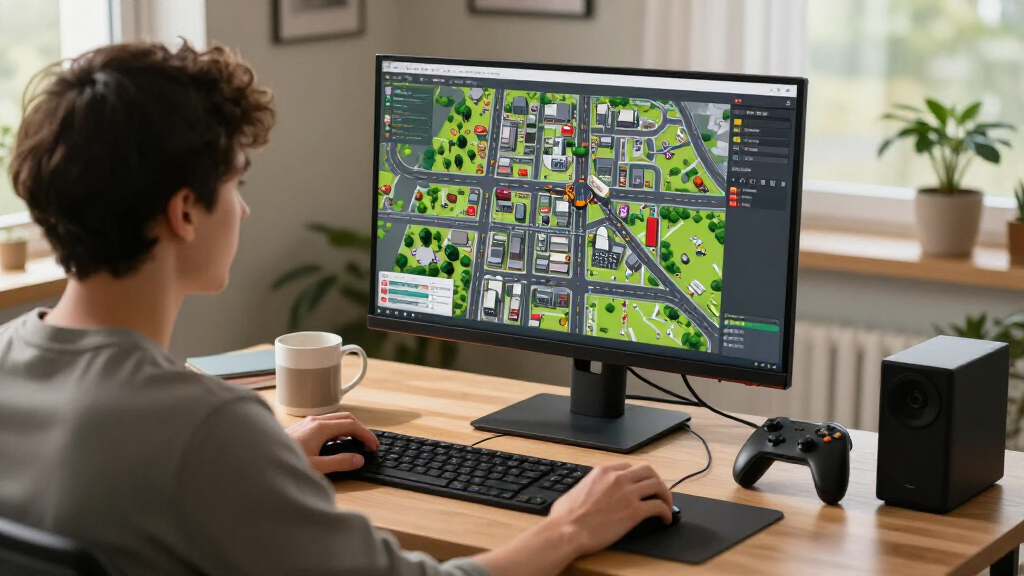
How We Picked
I compared the 14 options by how well they deliver the central city-building appeal: making choices about growth, placement, or development and seeing those choices shape a settlement. I gave weight to decision depth, approachability, and how clearly a game’s central building idea comes through, while also considering player interaction, session format, and whether an option suits solo or group play. Since this lineup includes both board games and a mobile game, I judged each against the experience it promises rather than treating digital and tabletop play as interchangeable.
The order reflects breadth of appeal first, then specialization. Tower Up ranks highest as a strong fit for players wanting a strategic tabletop centerpiece; picks such as Akropolis and Designer City 2 rank highly for specific needs, not because they replace that experience. Cooperative, compact, family-oriented, push-your-luck, and legacy formats each have a place, but their narrower audience or distinctive commitment affects their position. These rankings are editorial comparisons of the listed games, not claims that every option suits every group.
Factors to Consider When Choosing Best City Building Games
Before choosing, decide what you want the city-building theme to mean at your table. A game can be about spatial puzzles, tactical competition, shared construction, or a private digital sandbox—and those differences matter more than artwork alone. Use these factors to narrow the field.
Choose the kind of building decision you enjoy
Some city builders are chiefly about where each building goes; others emphasize how development choices interact with opponents or a wider plan. Spatial games can feel satisfying without asking players to manage a long chain of resources, which makes them easier to teach but less like a simulation. Before buying, check whether the core decisions involve placing tiles, growing a shared map, or developing an individual city. A frequent mismatch is choosing by theme and expecting detailed zoning or economic management from a compact strategy game. If you want a puzzle, prioritize placement and scoring clarity; if you want a simulated metropolis, look for ongoing systems and room to manage growth.
Match complexity to the group, not just the most experienced player
A game that feels brisk to one player can be hard to teach to a mixed-age or casual group. Consider how many rules need to be remembered between turns and whether players can see why a move worked. Simple rules do not automatically mean shallow play, but a demanding strategy game can lose its appeal if the group has little patience for explanation. Avoid buying solely for the most strategic player if the rest of the table wants a relaxed activity. For recurring game nights, a layered game can reward repeat sessions; for occasional gatherings, a clear first-play experience often matters more.
Decide whether players should compete or cooperate
City building can create very different social experiences. In a competitive game, players may race for opportunities or score their own developments, while a cooperative design puts more emphasis on coordinating decisions. A shared board does not necessarily mean shared goals, so check how success and failure are determined. Groups that enjoy joint problem-solving may find direct competition tiring, while highly competitive players may want more control over their own plans. For mixed preferences, look for games where interaction creates tension without making one player’s choices dictate everyone else’s city.
Pick a session format your group will actually finish
A one-session game is easier to bring out spontaneously; a campaign or legacy structure can make choices feel connected across multiple plays. That continuity is rewarding only if the same group can return and wants changing rules or recorded progress. Check the commitment before choosing a legacy game, including whether your group can schedule repeat sessions and whether the experience can be reset or shared with others. A common mistake is treating an ongoing campaign as a casual drop-in option. If attendance changes often, favor a self-contained session; if your group likes a continuing project, the added commitment may be a feature.
Choose tabletop or digital play for the right reason
Board games offer face-to-face negotiation, visible pieces, and a set session with a group; digital city builders can make solo play and flexible pacing easier. Neither format is a substitute for the other: an app may offer ongoing construction without the social decisions of a tabletop game, while a board game limits play to its rules and session structure. Think about where and with whom you expect to play before deciding. If you want a game to bring to a game night, portability and table space matter; if you want to build in short solo sessions, digital convenience may count for more. Avoid comparing them only by how much city management each appears to offer.
Treat player count and table space as practical filters
The advertised player range does not tell the whole story: turn length, competition for shared choices, and how much each player waits can change the feel of a game. Check whether the game supports the group size you expect to host most often, rather than an occasional maximum. Also account for the play area: layered buildings, a growing map, or lots of components can need more table room than a compact tile puzzle. Space and player count can rule out a good game before theme or strategy does. If the table is small or players vary in attention, a compact, quick-to-read layout may serve the group better than a sprawling build.
Frequently Asked Questions
Which city building game in this lineup is best for someone new to strategy games?
Akropolis is a sensible place to start if the new player enjoys visual puzzles and wants to understand how placement affects a city. Its appeal is more immediately legible than a game built around a longer sequence of strategic systems. For a casual group that prefers digital play, Designer City 2 offers a different, more self-paced route into the theme. The best choice depends on whether the learner wants a shared table experience or an individual building activity. Avoid picking a more involved game just because it has more strategic mechanisms; a clear first game is more likely to bring a new player back.
Should I buy a city-building board game or a digital city builder?
Choose a board game if the main draw is making decisions with other people in a set session. Choose a digital game if you want to build alone, play at flexible times, or return to a city without organizing a group. In this roundup, Designer City 2 fills the digital role, while the tabletop choices vary in whether they emphasize competition, cooperation, or spatial puzzles. They do not offer the same kind of interaction, so comparing only the shared city theme can lead to the wrong purchase. Ask where you will play most often and whether other players are part of the appeal.
Is a legacy city-building game a good choice if my group cannot meet regularly?
A continuing campaign is a better fit when the same players can return and enjoy carrying decisions forward. If meetups are irregular, a self-contained game is often easier to bring out without recapping earlier sessions or tracking ongoing progress. Thames & Kosmos My City stands apart here because its legacy format is part of the appeal, not a minor variation. Before choosing it, ask whether the group wants a linked experience and can keep the game accessible between sessions. If you are unsure, start with a one-session game and save the campaign format for a group with a dependable schedule.
What should I choose if my group wants to build together rather than compete?
Start with Link City, which is the lineup’s explicitly cooperative option, and check that its shared decision-making matches your group’s preferred level of discussion. Cooperative play works best when players enjoy planning aloud and can disagree without one person taking over. A competitive city builder may still have a shared map, but shared space alone does not make it a cooperative game. Ask whether the group wants a common goal or individual scores before choosing. If players prefer to plan privately, a competitive or solo-friendly option may feel more satisfying than coordinating every move.
How much should I prioritize strategic depth over a quick, easy-to-teach game?
Let the group’s usual play habits guide the choice. A deeper game pays off when players enjoy weighing options and are willing to learn rules, while a lighter game can be the better fit for short sessions, families, or mixed-experience tables. This roundup includes compact spatial choices as well as more strategic and campaign-style formats, so city-building appeal does not require the same level of complexity in every pick. A common buying mistake is choosing the most involved option for a group that rarely finishes longer games. If possible, match the game to the person who will teach it and the time your group can set aside.
Conclusion
For a strategic tabletop centerpiece, I recommend Tower Up as the best overall pick. Akropolis is my best value in approachability for players who want an easy-to-grasp spatial challenge, while Designer City 2 is best for solo digital building. Newcomers and mixed-experience groups should start with a clear, puzzle-led option such as Akropolis; groups that prefer to plan together should look at Link City. For players seeking a continuing campaign, Thames & Kosmos My City is the premium-style choice for a committed group. Choose by the experience you want at the table—or on screen—rather than by the city-building label alone.
Halloween Picks
halloween
As an affiliate, we earn on qualifying purchases.