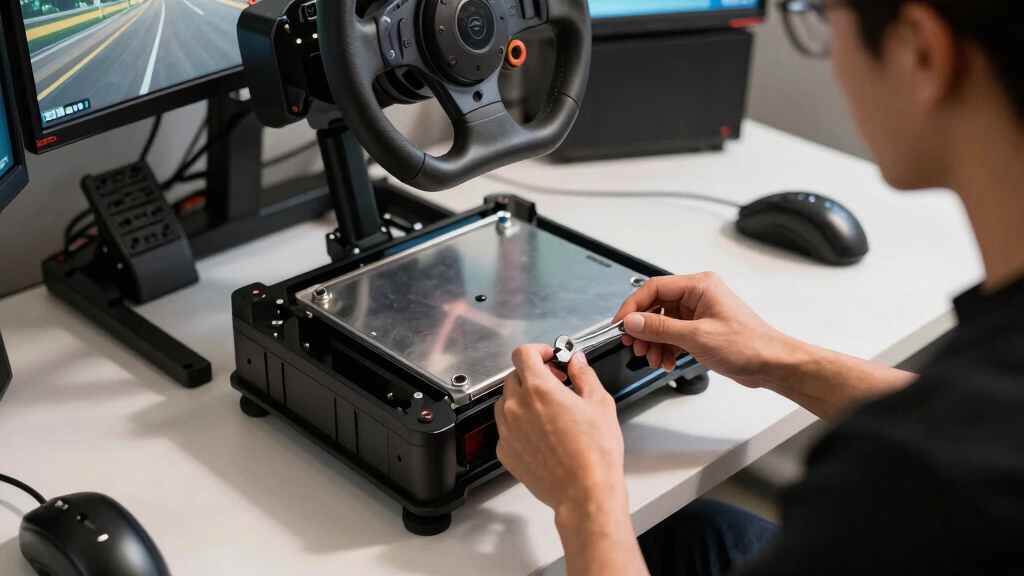

For most dedicated sim racers, I rank the Next Level Racing Motion Plus Platform NLR-M007 first because its modular architecture offers the more ambitious route to multi-axis cockpit motion. One module creates a 2-DOF setup, while two modules can produce 3-DOF movement. That flexibility makes it my leading choice for buyers building a motion system in stages or pursuing movement beyond the seat alone.

Play games on Amazon Luna for your game nights, included with Prime
- A rotating selection of games, no download needed
- Play on TV, laptop or phone
- Fast, free delivery for your gear, too
The Next Level Racing Motion Platform v3 is my alternative for racers who value a compact seat-mover design, relatively quiet operation, and clearly stated performance figures. Its ±10-degree angular displacement, 20-degree-per-second speed, and 130 kg support rating make its capabilities easier to judge before purchase. It ranks second because the movement is concentrated at the seat rather than distributed through a broader modular installation.
The central choice is not simply newer platform versus older platform. It is expandability versus simplicity. Motion Plus offers the stronger upgrade path but asks more of the cockpit, budget, and installation. The v3 uses less space and has a more self-contained purpose, yet its seat-only movement cannot provide the same whole-rig direction. I would choose based on the desired motion architecture before comparing secondary features.
Complete the kit


Key Takeaways
- Motion Plus ranks first because one module supports 2-DOF motion and a second module can expand the system to 3-DOF.
- Motion Platform v3 is the better fit when compact packaging, quiet operation, and a defined 130 kg user limit matter more than expansion.
- Motion Plus is designed around compatible Next Level Racing cockpits, so cockpit fit and total installation cost should be checked before purchase.
- The v3 moves the seat rather than the full cockpit, which can feel convincing but produces a different effect from broader rig motion.
- Both platforms target committed PC sim users; neither is a sensible shortcut for a casual buyer seeking an inexpensive plug-and-play accessory.
| Next Level Racing Motion Plus Platform NLR-M007 | 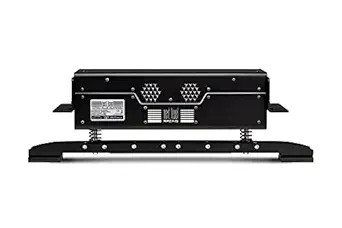 | Best Overall and Best for Expandable Multi-Axis Motion | Power Supply: 321W | Working Temperature Range: 4°C to 45°C | Cockpit Compatibility: Compatible Next Level Racing cockpits | VIEW LATEST PRICE | See Our Full Breakdown |
| Next Level Racing Motion Platform v3 |  | Best Compact Seat-Mover | Motion Format: Compact seat-mover platform | Maximum Angular Displacement: ±10° | Maximum Speed: 20°/s | VIEW LATEST PRICE | See Our Full Breakdown |
| gaming motion platforms for sim racing | Power Supply | Working Temperature Range | Cockpit Compatibility | Game Compatibility |
|---|---|---|---|---|
| Next Level Racing Motion Plus | 321W | 4°C to 45°C | Compatible Next Level Racing cockpits | Major racing and flight simulation games on PC |
| Next Level Racing Motion Platf | — | — | — | — |
More Details on Our Top Picks
Next Level Racing Motion Plus Platform NLR-M007
I place the Next Level Racing Motion Plus Platform NLR-M007 first because it gives an advanced sim racer the more adaptable foundation. A single module can form a 2-DOF configuration, while two modules can create a 3-DOF system. That staged architecture separates it from the Motion Platform v3, which has a fixed seat-mover role rather than a comparable modular growth path.
The practical appeal is the range of cues the system is intended to reproduce. Bumps, turns, and vibration can add physical context to what the wheel, pedals, and screen already communicate. Its ultra-low-latency response matters because a delayed movement cue can conflict with the visual event and steering feedback. Compared with the v3, Motion Plus is better suited to a buyer who wants motion integrated into the wider cockpit, not movement centered only beneath the seat.
Modularity also changes how the investment can be planned. I can recommend one module to a buyer who wants an entry into serious motion without purchasing the fullest configuration at once. Adding a second module later offers a path toward 3-DOF capability. The v3 is simpler to understand as a finished unit, but it cannot match that particular expansion story. Motion Plus is also described as compatible with major PC racing and flight titles, giving a mixed-simulation household more flexibility.
That flexibility comes with a heavier ownership burden. The platform is intended to integrate with compatible Next Level Racing cockpits, so it is not a universal device that can be placed beneath any desk chair. Mounting, cockpit geometry, cable routing, software configuration, and total rig weight all deserve attention. Buyers starting from an unrelated cockpit may face extra expense or discover that changing the rig is part of the purchase.
The price question extends beyond the first module. A buyer attracted by 3-DOF movement needs to budget for two Motion Plus modules, a suitable cockpit, controls, display hardware, and enough floor space for safe movement. That can make the system hard to justify for occasional racing. The supplied details also provide limited evidence about long-term durability, whereas the v3 listing supplies more concrete movement and user-weight figures.
I still rank Motion Plus first because its compromises are attached to greater ambition. It makes the most sense when expandability and broader motion architecture carry more value than a compact, self-contained seat mover. Buyers who want a smaller footprint, a published 130 kg support limit, or quieter acoustical treatment should move directly to the v3 instead.
Pros:- Modular system supports a 2-DOF setup with one module and a 3-DOF setup with two
- Ultra-low latency is designed to keep physical cues aligned with on-screen events
- Compact module can be integrated into compatible existing racing ecosystems
- Broad PC game support also suits users who alternate between racing and flight simulation
Cons:- Best results depend on a compatible Next Level Racing cockpit and careful installation
- A two-module 3-DOF build can become expensive for an occasional player
- Supplied information gives little insight into long-term durability
Best for: Committed PC sim racers with a compatible Next Level Racing cockpit who want a modular route from 2-DOF to 3-DOF motion.
Not ideal for: Casual racers, buyers using an incompatible cockpit, or anyone wanting a low-cost motion accessory with minimal installation planning.
- Power Supply:321W
- Working Temperature Range:4°C to 45°C
- Cockpit Compatibility:Compatible Next Level Racing cockpits
- Game Compatibility:Major racing and flight simulation games on PC
- One-Module Configuration:2-DOF
- Two-Module Configuration:3-DOF
- Response:Ultra-low latency
- Design:Compact, modular, and adaptable
Our verdict“This is my best overall pick for serious racers who value an expandable multi-axis system more than compact, seat-only simplicity.”
Next Level Racing Motion Platform v3
The Next Level Racing Motion Platform v3 takes second place, but it has the clearer purpose for space-conscious racers: deliver fast, controlled movement through the seat in a compact package. It is my preferred option when seat-based feedback and tidy packaging matter more than the modular 2-DOF-to-3-DOF path offered by Motion Plus.
Its published motion figures make the expected behavior easier to interpret. The platform provides ±10 degrees of angular displacement, reaches up to 20 degrees per second, and lists acceleration of 360 degrees per second squared. Those numbers point toward rapid cues for braking, acceleration, and cornering rather than large amusement-ride movements. Motion Plus is described through low latency and configurable axes, but its supplied specifications do not offer the same speed and acceleration detail.
The v3 also supports users up to 130 kg or 285 lb. A stated limit is valuable when selecting a motion product because the platform carries both the racer and the moving seat assembly. Its cooling provisions and acoustical panels address two everyday ownership concerns: heat during long sessions and mechanical noise in a shared home. Compared with a larger two-module Motion Plus installation, this model is the more approachable fit for a dedicated corner or room where floor space is constrained.
Seat movement is also the v3’s defining limitation. Because the platform moves the seat rather than the full body of the cockpit, the wheel and pedals remain a separate physical reference. Some racers favor that relative movement because it can communicate load changes efficiently. Others seeking whole-rig motion coherence may prefer Motion Plus, especially if they plan to assemble a 3-DOF configuration.
This is not a plug-in accessory for every setup. It requires a compatible PC and software configuration, plus a cockpit that can accept the system correctly. Buyers should account for mounting work, calibration, game profiles, and the possibility of tuning motion levels for different cars. The premium design may also cost more than a casual racer can justify, particularly when the same budget could improve the wheelbase, pedals, cockpit, or display first.
I recommend the v3 over Motion Plus for a buyer who has already decided that compact seat motion is enough. It supplies specific performance limits, quieter design features, and a generous stated user capacity. I keep it in second place because its fixed seat-mover architecture gives an ambitious builder less room to reshape or expand the motion system later.
Pros:- Compact seat-mover format uses less space than a broader modular installation
- Published displacement, speed, and acceleration figures clarify its motion capability
- Acoustical panels and integrated cooling suit longer sessions in a home environment
- Supports users weighing up to 130 kg or 285 lb
Cons:- Moves the seat rather than the entire cockpit, which changes the physical effect
- Requires compatible PC software, mounting, calibration, and game profiles
- Premium pricing may be difficult to justify before core controls are upgraded
Best for: PC racers who want a compact, relatively quiet seat-mover with published motion figures and support for users up to 130 kg.
Not ideal for: Builders seeking full-cockpit movement, a modular 3-DOF upgrade path, or a motion platform that requires little software setup.
- Motion Format:Compact seat-mover platform
- Maximum Angular Displacement:±10°
- Maximum Speed:20°/s
- Maximum Acceleration:360°/s²
- Maximum Supported User Weight:130 kg / 285 lb
- Noise Control:Acoustical panels
- Thermal Management:Integrated cooling
- System Requirement:Compatible PC and motion software setup
Our verdict“This is my compact pick for racers who want quick, quieter seat movement and do not need the expansion potential of Motion Plus.”
How We Picked
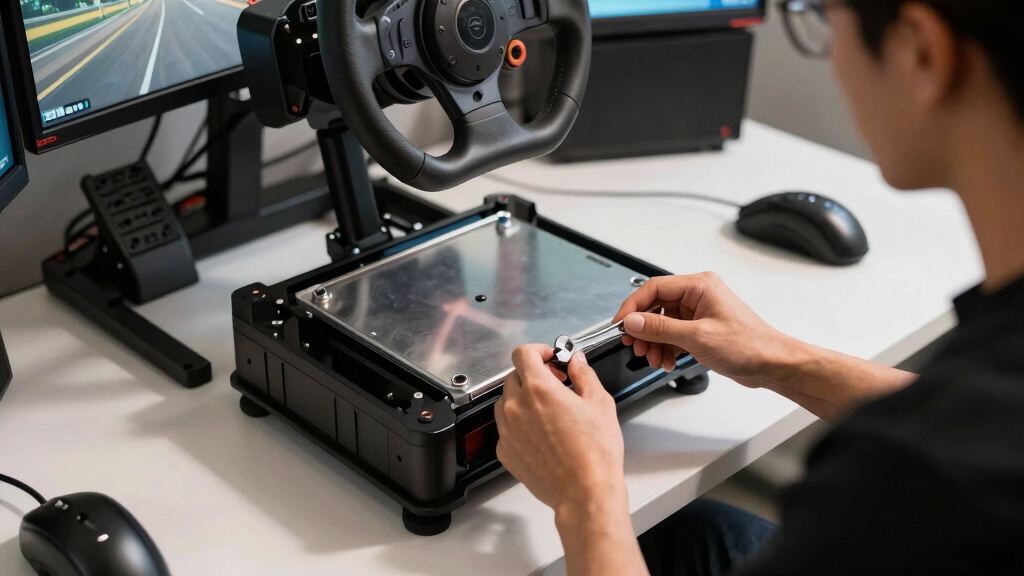
I ranked these platforms by how well each one answers the needs of a serious sim-racing buyer: motion scope, responsiveness, cockpit compatibility, installation demands, and room for future upgrades. I gave more weight to racing outcomes than to broad claims about immersion. A useful motion platform should communicate braking, cornering, surface changes, and chassis movement without making the rig impractical to own.
I also separated the two motion philosophies. The Motion Plus Platform is a modular component that can support 2-DOF or 3-DOF configurations, while the Motion Platform v3 is a compact seat mover with published speed, acceleration, displacement, and weight figures. Because those layouts affect the body differently, I did not treat them as interchangeable products with different specification sheets.
My order favors the Motion Plus model for its broader system potential and adaptable design. The v3 earns its place through space efficiency, quieter operation, and clearer physical limits. I also accounted for drawbacks that may change the buying decision, including compatible-cockpit requirements, PC software setup, seat-only movement, high pricing, and the limited supplied information about long-term Motion Plus durability.
This ranking is based on the supplied product details and a comparative editorial analysis, not claimed hands-on testing. I would still verify cockpit compatibility, mounting requirements, current game support, and the complete installed price with the seller or manufacturer before ordering.
Factors to Consider When Choosing Best Gaming Motion Platforms For Sim Racing
I would choose between these platforms by deciding what should move, how much installation work is acceptable, and whether future expansion is part of the plan.Seat Motion Versus Broader Cockpit Motion
The biggest distinction is where movement reaches the driver. The v3 moves the seat, creating motion relative to the fixed wheel and pedals. That can deliver direct braking and cornering cues without demanding a broad moving structure. Motion Plus is built for a more adaptable cockpit-level system and can be configured with one or two modules.
I would pick the v3 when compact feedback is the priority. I would favor Motion Plus when the goal is a larger motion project with a path from 2-DOF to 3-DOF. Neither design is automatically more realistic for every driver; the preferred sensation and physical rig arrangement shape the better choice.
Degrees of Freedom and Upgrade Plans
Degrees of freedom describe the independent directions in which a motion system can act. Motion Plus supports 2-DOF with one module and 3-DOF with two modules. That makes the initial purchase part of a possible staged build rather than the final configuration.
I would not buy the first module solely because expansion sounds appealing. The second module, compatible structure, space, and installation work all add to the final bill. The v3 has less growth potential, but its fixed seat-mover role may be a benefit for someone who wants a defined solution instead of a continuing rig project.
Responsiveness and Motion Tuning
Motion needs to arrive in step with the simulation. Motion Plus lists ultra-low latency, while the v3 publishes a maximum speed of 20°/s and acceleration of 360°/s². These descriptions address different parts of responsiveness, so I would not treat them as direct equivalents.
Software tuning can matter as much as maximum output. Excessive movement may obscure useful cues or cause fatigue, while restrained profiles can separate braking, kerb strikes, and cornering load more clearly. I would plan time for game-specific calibration whichever model I selected. A strong platform running an unsuitable profile can be less convincing than a modest configuration tuned around the car and driving style.
Cockpit Fit, Space, and Installation
Motion Plus is intended for compatible Next Level Racing cockpits, making fit verification a purchase requirement. The v3 is compact, but it still needs the correct physical and software environment. Product dimensions, mounting positions, cable movement, nearby walls, and clearance around the seat should be checked against the actual room.
I would also account for the parts that may not appear in the platform price: brackets, cockpit changes, power access, cable management, and possibly assistance moving the assembled rig. For a small room, the v3’s space-efficient seat platform has a clear advantage. For an established compatible ecosystem, Motion Plus offers the more flexible system direction.
Budget and Upgrade Priority
A motion platform makes the most sense after the rig has a stable cockpit, dependable pedals, and a suitable wheelbase. Motion cannot compensate for a flexing pedal deck or an uncomfortable seating position. Casual racers may gain more from improving those foundation pieces before adding either platform.
Between these two, I would compare complete installed costs rather than the price of one box. Motion Plus may lead to a second module and cockpit-related spending. The v3 may still require mounting and software work, but its endpoint is easier to define. My value choice depends on intent: Motion Plus rewards future expansion, while v3 rewards a narrower, compact brief.
Frequently Asked Questions
Which motion platform is best for most serious sim racers?
I rank the Next Level Racing Motion Plus Platform as the best overall choice for a serious racer because its modular design supports 2-DOF or 3-DOF configurations. It offers more room to develop the rig over time than the fixed seat-mover design of the v3. The recommendation assumes the buyer owns or plans to buy a compatible cockpit and accepts the higher potential system cost.
Is the Motion Platform v3 better for a small room?
Yes, the Motion Platform v3 is the stronger pick when floor space is tight because its compact design concentrates motion at the seat. Its acoustical panels also make it more attractive for a shared home. I would still leave clearance for seat movement, ventilation, cables, and access around the cockpit rather than treating the listed compact format as permission to install it against a wall.
What is the difference between 2-DOF and 3-DOF motion?
A 2-DOF system produces movement across two independent axes, while a 3-DOF system adds another axis of movement. Motion Plus uses one module for a 2-DOF arrangement and two modules for 3-DOF. I would choose the number of axes based on the desired physical cues, available cockpit configuration, space, and complete cost rather than assuming that an extra axis always guarantees a better experience.
Do these platforms work without a gaming PC?
The supplied compatibility information points to PC-based racing and flight simulation. Motion Plus supports major racing and flight games on PC, while the v3 requires a compatible PC and software setup. I would not assume console support without written confirmation for the exact console, game, cockpit, and platform combination. Both choices also require software configuration, so neither should be viewed as a simple passive accessory.
Should I upgrade my wheel and pedals before buying motion?
For many buyers, yes. I would establish a rigid cockpit, reliable pedals, comfortable seating, and consistent steering feedback before allocating a premium budget to motion. Those components affect every lap and give the motion hardware a stable foundation. Once the core rig is settled, Motion Plus suits an expandable build, while the v3 makes more sense when compact seat-based cues match the intended final setup.
Conclusion
For the buyer pursuing the most adaptable sim-racing motion system, I recommend the Next Level Racing Motion Plus Platform NLR-M007. Its ability to operate as a one-module 2-DOF setup or expand into a two-module 3-DOF configuration gives it the stronger long-term role. It is the right pick for a committed builder with a compatible cockpit, sufficient budget, and an interest in broader multi-axis motion.
For an apartment, compact gaming room, or buyer who prefers a more defined installation, I would choose the Next Level Racing Motion Platform v3. It provides seat-focused movement, published performance figures, acoustical treatment, cooling, and support for users up to 130 kg. Its main compromise is seat-only motion with no equivalent modular expansion path.
Casual racers should skip both until the cockpit, wheel, pedals, display, and seating are already meeting their needs. Between these two, my ranking comes down to intent: Motion Plus is the better platform to build around, while Motion Platform v3 is the easier platform to fit around an existing space.