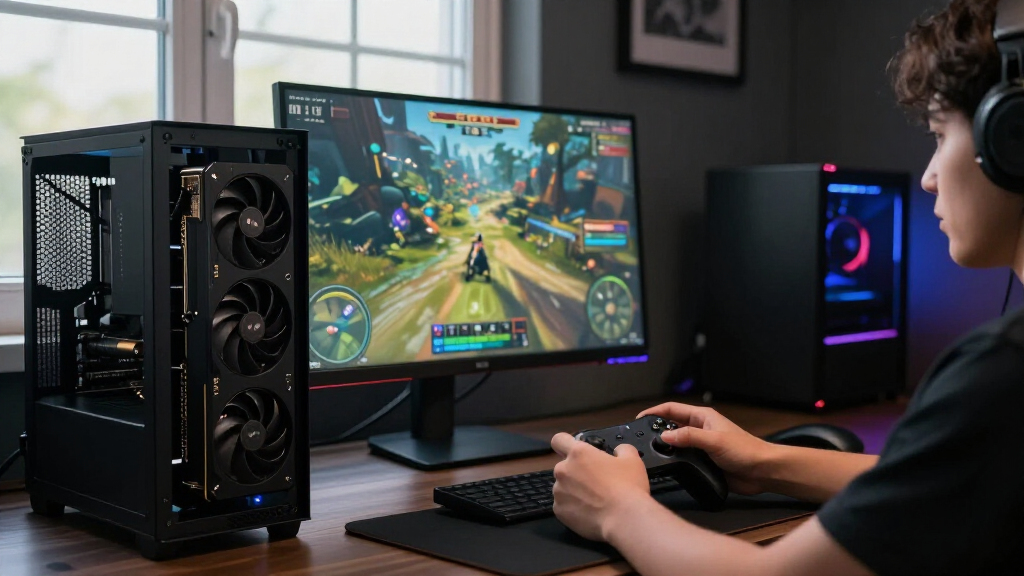
The best RTX Spark graphics cards depend on whether you need a gaming GPU or the distinct NVIDIA GX Spark Founders Edition, which is a compact AI desktop rather than a standard graphics card. For a conventional gaming build, I’d pick the ASUS TUF Gaming RTX 5080 as the performance leader, while the ASUS Dual RTX 4070 EVO is a more balanced choice for a smaller, less demanding system. The RTX 3060 models stand out for their 12GB of memory, while the RTX 3050 6GB is the entry-level option with the clearest performance limits. Buyers must weigh speed, memory, card dimensions, power requirements, and product condition rather than treating these models as interchangeable. Read on for the full breakdown and guidance on matching each option to your build.

Play games on Amazon Luna for your game nights, included with Prime
- A rotating selection of games, no download needed
- Play on TV, laptop or phone
- Fast, free delivery for your gear, too
Complete the kit

Key Takeaways
- The product list spans two different device types: the NVIDIA GX Spark Founders Edition is not a conventional GeForce graphics card, so buyers should verify its purpose before comparing it with gaming GPUs.
- The ASUS TUF RTX 5080 is the performance-first pick in this lineup, but its higher tier makes it a poor match for a modest build that cannot use its extra capability.
- The RTX 4070 cards offer a middle ground: the ASUS Dual EVO favors a more compact card design, while the MSI Gaming X Trio prioritizes a larger cooler.
- RTX 3060 options share 12GB of memory but differ in cooler design, condition, and manufacturer; the renewed MSI Ventus 3X needs extra scrutiny on condition and return terms.
- The RTX 3050 6GB is the narrowest-use choice here, while RTX 3070 models offer a higher performance tier but only 8GB of memory.
| ASUS ROG Strix GeForce RTX 4060 OC Edition 8GB Graphics Card | 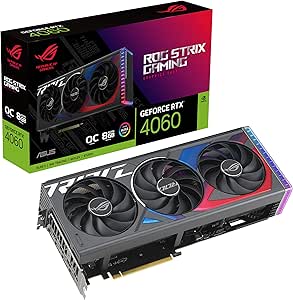 | Best RTX 4060 for Cooling-Focused Builds | Graphics processor: NVIDIA GeForce RTX 4060 | Memory: 8 GB GDDR6 | GPU clock speed: 2700 MHz | VIEW LATEST PRICE | See Our Full Breakdown |
| EVGA GeForce RTX 3060 XC Gaming 12GB GDDR6 Graphics Card |  | Best Compact RTX 3060 | GPU: NVIDIA GeForce RTX 3060 | Memory: 12GB GDDR6 | Boost clock: 1882 MHz | VIEW LATEST PRICE | See Our Full Breakdown |
| MSI GeForce RTX 3060 Ventus 3X OC 12GB GDDR6 Graphics Card (Renewed) |  | Best Renewed Triple-Fan RTX 3060 | GPU: NVIDIA GeForce RTX 3060 | Memory: 12GB GDDR6 | Boost clock: 1807 MHz | VIEW LATEST PRICE | See Our Full Breakdown |
| GIGABYTE GeForce RTX 3060 Gaming OC 12G REV2.0 Graphics Card |  | Best RTX 3060 for Multi-Display Setups | GPU: NVIDIA GeForce RTX 3060 | Memory: 12GB GDDR6 | Memory interface: 192-bit | VIEW LATEST PRICE | See Our Full Breakdown |
| ASUS TUF Gaming GeForce RTX 5080 16GB GDDR7 OC Edition Graphics Card | 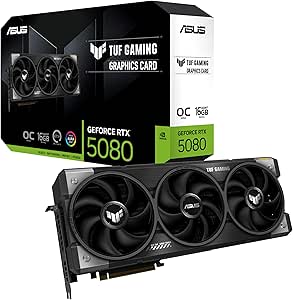 | Best Premium RTX 50-Series Pick | GPU architecture: NVIDIA Blackwell | Memory: 16GB GDDR7 | Boost clock (OC mode): 2730 MHz | VIEW LATEST PRICE | See Our Full Breakdown |
| MSI GeForce RTX 3060 Ventus 2X 12G OC Graphics Card |  | Best for Balanced 1080p Builds | GPU: NVIDIA GeForce RTX 3060 | Memory: 12 GB GDDR6 | Memory bus: 192-bit | VIEW LATEST PRICE | See Our Full Breakdown |
| ASUS Dual GeForce RTX 3050 6GB GDDR6 OC Edition Graphics Card |  | Best for Compact Entry-Level Builds | GPU: NVIDIA GeForce RTX 3050 | Graphics memory: 6 GB GDDR6 | Boost clock: 1500 MHz (OC mode); 1470 MHz (default mode) | VIEW LATEST PRICE | See Our Full Breakdown |
| MSI GeForce RTX 4070 Gaming X Trio 12GB GDDR6X Graphics Card |  | Best Premium Performance Pick | GPU: NVIDIA GeForce RTX 4070 | Architecture: Ada Lovelace | Video memory: 12 GB GDDR6X | VIEW LATEST PRICE | See Our Full Breakdown |
| NVIDIA GX Spark Founders Edition |  | Best for Buyers Who Can Verify the Listing | Model number: W129251900 | Item model number: 940-54242-0005-000 | Manufacturer: NVIDIA | VIEW LATEST PRICE | See Our Full Breakdown |
| MSI GeForce RTX 3060 Ventus 2X OC 12GB Graphics Card |  | Best Dual-Fan RTX 3060 Alternative | GPU: NVIDIA GeForce RTX 3060 | Memory: 12 GB GDDR6 | GPU clock speed: 1837 MHz | VIEW LATEST PRICE | See Our Full Breakdown |
| NVIDIA GeForce RTX 3070 Founders Edition 8GB GDDR6 Graphics Card |  | Best Founders Edition Pick | GPU: NVIDIA GeForce RTX 3070 | Architecture: Ampere | Video memory: 8GB GDDR6, 256-bit | VIEW LATEST PRICE | See Our Full Breakdown |
| ASUS Dual GeForce RTX 4070 EVO OC Edition 12GB GDDR6X Graphics Card |  | Best Compact Ada Upgrade | GPU: NVIDIA GeForce RTX 4070 | Architecture: Ada Lovelace | Memory: 12GB GDDR6X | VIEW LATEST PRICE | See Our Full Breakdown |
| MSI GeForce RTX 3060 Ventus 2X 12G OC V1 Graphics Card |  | Best for Memory-Heavy 1080p Builds | Chipset: NVIDIA GeForce RTX 3060 | Architecture: Ampere | Memory: 12GB GDDR6 | VIEW LATEST PRICE | See Our Full Breakdown |
| EVGA GeForce RTX 3070 XC3 Ultra Gaming Graphics Card, 8GB GDDR6 |  | Best Triple-Fan RTX 3070 | GPU: NVIDIA GeForce RTX 3070 | Memory: 8GB GDDR6 | Boost clock: 1770 MHz | VIEW LATEST PRICE | See Our Full Breakdown |
| RTX Spark graphics card | Dimensions | Memory | GPU | Cooling |
|---|---|---|---|---|
| ASUS ROG Strix GeForce RTX 406 | 12.26 × 5.26 inches | 8 GB GDDR6 | — | 3 Axial-tech fans |
| EVGA GeForce RTX 3060 XC Gamin | 8.39 x 4.93 inches | 12GB GDDR6 | NVIDIA GeForce RTX 3060 | Dual fan |
| MSI GeForce RTX 3060 Ventus 3X | 12.4 x 1.7 inches | 12GB GDDR6 | NVIDIA GeForce RTX 3060 | Triple fan with TORX Fan 3.0 and Zero Frozr |
| GIGABYTE GeForce RTX 3060 Gami | 11.1 x 4.6 in | 12GB GDDR6 | NVIDIA GeForce RTX 3060 | WINDFORCE 3X, 3 fans |
| ASUS TUF Gaming GeForce RTX 50 | 348 mm (13.7 in) length | 16GB GDDR7 | — | Three Axial-tech fans with phase-change GPU thermal pad |
| MSI GeForce RTX 3060 Ventus 2X | 9.25 x 4.88 in | 12 GB GDDR6 | NVIDIA GeForce RTX 3060 | Dual fan with TORX Fan 3.0 design |
| ASUS Dual GeForce RTX 3050 6GB | 7.9 x 4.7 inches | — | NVIDIA GeForce RTX 3050 | Two Axial-tech fans |
| MSI GeForce RTX 4070 Gaming X | 14.56 x 5.51 inches | — | NVIDIA GeForce RTX 4070 | — |
| NVIDIA GX Spark Founders Editi | 9.53 x 9.45 x 5.91 inches | — | — | — |
| MSI GeForce RTX 3060 Ventus 2X | 9.25 x 4.88 in | 12 GB GDDR6 | NVIDIA GeForce RTX 3060 | — |
| NVIDIA GeForce RTX 3070 Founde | 16 × 9.2 in (L × W) | — | NVIDIA GeForce RTX 3070 | — |
| ASUS Dual GeForce RTX 4070 EVO | 10.51 × 5.27 inches | 12GB GDDR6X | NVIDIA GeForce RTX 4070 | — |
| MSI GeForce RTX 3060 Ventus 2X | — | 12GB GDDR6 | — | Ventus 2X twin fan |
| EVGA GeForce RTX 3070 XC3 Ultr | 11.23 × 4.38 inches | 8GB GDDR6 | NVIDIA GeForce RTX 3070 | iCX3 cooling with 3 fans |
More Details on Our Top Picks
ASUS ROG Strix GeForce RTX 4060 OC Edition 8GB Graphics Card
The ROG Strix RTX 4060 OC suits buyers who want a newer RTX 40-series feature set in a card with substantial cooling hardware. Its three Axial-tech fans and vented backplate support airflow, while DLSS 3 and ray tracing add capabilities absent from the RTX 3060 options here. Compared with the EVGA GeForce RTX 3060 XC Gaming, this card trades the EVGA’s 12GB of memory for a newer GPU generation and DLSS 3 support; that 8GB capacity is a real limit for memory-heavy games and workloads. The other tradeoff is physical fit: at 3.1 slots and over 12 inches long, it needs more room than the compact EVGA card. I’d choose it for a compatible case and a preference for newer features, not for maximum memory capacity.
Pros:- DLSS 3 and ray tracing support on an RTX 40-series GPU
- Three Axial-tech fans and a vented backplate support airflow
- 2700 MHz listed GPU clock speed
- Three-year warranty
Cons:- 8GB of GDDR6 is less memory than the 12GB RTX 3060 cards in this roundup
- 3.1-slot, 12.26-inch design can restrict case and slot clearance
Best for: RTX 40-series buyers with a roomy case who want DLSS 3, ray tracing, and a substantial three-fan cooling setup.
Not ideal for: Builders with compact cases or buyers whose games and creative workloads benefit from more than 8GB of graphics memory.
- Graphics processor:NVIDIA GeForce RTX 4060
- Memory:8 GB GDDR6
- GPU clock speed:2700 MHz
- Memory clock speed:4000 MHz
- Interface:PCI Express x16 (PCIe 4.0)
- Cooling:3 Axial-tech fans
- Dimensions:12.26 × 5.26 inches
- Slot design:3.1-slot
- Warranty:3 years
Our verdict“Choose the ROG Strix RTX 4060 OC if your case can fit it and you value RTX 40-series features more than the 12GB memory offered by the RTX 3060 alternatives.”
EVGA GeForce RTX 3060 XC Gaming 12GB GDDR6 Graphics Card
The EVGA RTX 3060 XC Gaming is the most space-conscious choice among the listed RTX 3060 cards: its 8.39-inch length and dual-fan cooler are easier to accommodate than the GIGABYTE RTX 3060 Gaming OC or the renewed, triple-fan MSI Ventus 3X. It also keeps 12GB of GDDR6, giving memory-heavy games more room than the ASUS RTX 4060’s 8GB. That capacity does not make it a newer-generation card, though: buyers choosing the ASUS get DLSS 3, while this EVGA listing specifies ray tracing but not DLSS 3. Its dual-fan design is a practical fit advantage, but the listing gives no clock or cooling performance comparison against the larger triple-fan cards. I’d shortlist it for a compact RTX 3060 build, while checking the case and motherboard fit before buying.
Pros:- 12GB of GDDR6 memory
- Compact 8.39-inch card length among the RTX 3060 picks here
- Dual-fan cooling and a metal backplate
- DisplayPort and HDMI outputs
Cons:- RTX 3060 generation lacks the DLSS 3 support listed for the ASUS RTX 4060
- Dual-fan cooler has less fan hardware than the triple-fan RTX 3060 alternatives
Best for: PC builders seeking an RTX 3060 with 12GB of memory in a shorter card that suits tighter cases.
Not ideal for: Buyers who want DLSS 3, a newer GPU generation, or a triple-fan cooler like the GIGABYTE and MSI RTX 3060 options.
- GPU:NVIDIA GeForce RTX 3060
- Memory:12GB GDDR6
- Boost clock:1882 MHz
- CUDA cores:3584
- Cooling:Dual fan
- Video outputs:DisplayPort/HDMI
- Dimensions:8.39 x 4.93 inches
- Weight:907 g
- Warranty:3 years
Our verdict“Pick the EVGA XC Gaming for a shorter 12GB RTX 3060, but choose the ASUS RTX 4060 if DLSS 3 matters more than memory capacity.”
MSI GeForce RTX 3060 Ventus 3X OC 12GB GDDR6 Graphics Card (Renewed)
The renewed MSI RTX 3060 Ventus 3X OC stands apart from the EVGA XC by pairing the same 12GB RTX 3060 memory capacity with a triple-fan TORX cooling system and Zero Frozr fan-stop feature. That setup is a better match for buyers who want multiple fans and a fan-stop mode, while the EVGA’s shorter 8.39-inch card is the clearer fit for compact cases. The MSI’s large 12.4-inch footprint makes that tradeoff plain. Its renewed condition and 90-day limited warranty also make it a less reassuring ownership choice than the new GIGABYTE RTX 3060, which has a three-year warranty in the supplied specifications. I’d consider this model when the triple-fan design and 12GB capacity matter more than new condition, a longer warranty, or simpler case fit.
Pros:- 12GB of GDDR6 with a 192-bit memory bus
- Triple-fan TORX cooling with Zero Frozr fan-stop feature
- Three DisplayPort 1.4a outputs and one HDMI 2.1 output
- Professionally inspected and tested, according to the product description
Cons:- Renewed condition means it is not a new card
- 90-day limited warranty is shorter than the three-year warranty listed for the EVGA and GIGABYTE cards
- 12.4-inch length can be difficult to fit in smaller cases
Best for: Buyers comfortable with a professionally inspected renewed GPU who want a 12GB RTX 3060 and triple-fan cooling.
Not ideal for: Builders who want a new card, a longer warranty, or a shorter GPU that fits compact cases more readily.
- GPU:NVIDIA GeForce RTX 3060
- Memory:12GB GDDR6
- Boost clock:1807 MHz
- Memory bus:192-bit
- Cooling:Triple fan with TORX Fan 3.0 and Zero Frozr
- Video outputs:3 x DisplayPort 1.4a, 1 x HDMI 2.1
- Interface:PCI Express 4.0
- Dimensions:12.4 x 1.7 inches
- Warranty:90-day limited warranty
Our verdict“Choose this renewed MSI if you want triple-fan RTX 3060 cooling and accept a short warranty in exchange for a pre-owned card.”
GIGABYTE GeForce RTX 3060 Gaming OC 12G REV2.0 Graphics Card
The GIGABYTE RTX 3060 Gaming OC 12G REV2.0 is the most display-flexible RTX 3060 in this group, with two HDMI 2.1 and two DisplayPort 1.4 outputs. That mix gives multi-monitor users more direct connection options than the EVGA XC’s listed DisplayPort/HDMI outputs. Its WINDFORCE 3X cooler also gives it three fans, matching the cooling format of the renewed MSI Ventus 3X while avoiding that model’s renewed condition and 90-day warranty. The main caveat is that the listing identifies this as a Limited Hash Rate version, and the supplied information does not quantify what that means for gaming performance. It is also 11.1 inches long, so the compact EVGA remains a better match for tight cases. I’d choose this GIGABYTE for its port selection and new-card warranty details, not as a guaranteed performance upgrade.
Pros:- Two HDMI 2.1 and two DisplayPort 1.4 outputs
- 12GB of GDDR6 memory with a 192-bit interface
- WINDFORCE 3X cooling with three fans
- Three-year warranty listed
Cons:- 11.1-inch length is less compact than the EVGA RTX 3060 XC
- Limited Hash Rate designation may matter to some buyers, while the supplied data does not explain its gaming impact
Best for: RTX 3060 buyers connecting multiple HDMI and DisplayPort monitors who want a three-fan cooler and a listed three-year warranty.
Not ideal for: Compact-case builders or buyers seeking the shorter EVGA card, or anyone who needs confirmed details on the Limited Hash Rate designation before choosing.
- GPU:NVIDIA GeForce RTX 3060
- Memory:12GB GDDR6
- Memory interface:192-bit
- Core clock:1837 MHz
- Cooling:WINDFORCE 3X, 3 fans
- Video outputs:2x HDMI 2.1, 2x DisplayPort 1.4
- Dimensions:11.1 x 4.6 in
- Model:GV-N3060GAMING OC-12GD REV2.0
- Warranty:3 years
Our verdict“Choose the GIGABYTE Gaming OC for its four-output mix and three-fan design, provided its size fits and the Limited Hash Rate label suits your needs.”
ASUS TUF Gaming GeForce RTX 5080 16GB GDDR7 OC Edition Graphics Card
The ASUS TUF Gaming RTX 5080 OC is the premium, high-clearance choice in this group: its Blackwell GPU, 16GB of GDDR7, and DLSS 4 set it apart from the RTX 3060 and RTX 4060 cards. That newer feature set is paired with three Axial-tech fans and a phase-change GPU thermal pad, while the included bracket helps support the card’s substantial build. The cost of that ambition is physical and electrical compatibility. At 348 mm and 3.6 slots, it is far less accommodating than the 8.39-inch EVGA RTX 3060 XC, and it calls for an 850W power supply plus a 16-pin connector. I’d put it on the shortlist for a high-end system built around those requirements, but not for an upgrade that must fit an existing compact case or power supply.
Pros:- NVIDIA Blackwell architecture with DLSS 4
- 16GB of GDDR7 memory
- Three Axial-tech fans and a phase-change GPU thermal pad
- GPU bracket included
Cons:- Requires a minimum 850W power supply and a 16-pin 12V-2×6 connector
- 348 mm length and 3.6-slot width rule out many smaller cases
Best for: High-end PC builders with a large case, an 850W-or-higher power supply, and a compatible 16-pin connector who want Blackwell and DLSS 4.
Not ideal for: Owners of compact cases, lower-wattage power supplies, or systems without the required 16-pin 12V-2×6 connector.
- GPU architecture:NVIDIA Blackwell
- Memory:16GB GDDR7
- Boost clock (OC mode):2730 MHz
- Boost clock (default mode):2700 MHz
- Power supply requirement:Minimum 850W
- Power connector:16-pin 12V-2×6 (12VHPWR)
- Dimensions:348 mm (13.7 in) length
- Slot width:3.6 slots
- Cooling:Three Axial-tech fans with phase-change GPU thermal pad
Our verdict“Choose the TUF RTX 5080 OC for a spacious, suitably powered high-end system; skip it if your case or PSU cannot meet its requirements.”
MSI GeForce RTX 3060 Ventus 2X 12G OC Graphics Card
I’d pick this Ventus 2X for a mainstream gaming build that needs 12 GB of VRAM without the size of a large triple-fan card. Its RTX 3060 supports ray tracing and DLSS, while the dual-fan TORX Fan 3.0 cooler keeps the design to 9.25 inches long. Compared with the ASUS Dual RTX 3050 6GB, the extra memory gives this card more room for demanding textures and creative workloads. The tradeoff is that it remains an older-generation RTX 3060, rather than the faster RTX 4070 in MSI’s Gaming X Trio lineup. Its three DisplayPort connections and HDMI 2.1 output suit multi-monitor setups, but the listed PCI-Express x4 interface is worth checking against your system before buying.
Pros:- 12 GB of GDDR6 memory offers more headroom than the ASUS Dual RTX 3050’s 6 GB
- Dual-fan TORX Fan 3.0 cooling in a 9.25-inch design
- Supports ray tracing and DLSS
- Three DisplayPort 1.4a outputs and one HDMI 2.1 output
Cons:- RTX 3060 is an older generation than the RTX 4070 models in this roundup
- Listed PCI-Express x4 interface may warrant compatibility checks
- Dual-fan cooling has less fan capacity than larger triple-fan designs
Best for: 1080p gamers and hobbyist creators who want 12 GB of VRAM, a compact dual-fan card, and several display connections.
Not ideal for: Buyers seeking newer-generation performance or a card for a particularly demanding high-resolution gaming setup.
- GPU:NVIDIA GeForce RTX 3060
- Memory:12 GB GDDR6
- Memory bus:192-bit
- GPU clock speed:1807 MHz
- Cooling:Dual fan with TORX Fan 3.0 design
- Video outputs:3 x DisplayPort 1.4a, 1 x HDMI 2.1
- Interface:PCI-Express x4
- Dimensions:9.25 x 4.88 in
Our verdict“Choose this Ventus 2X if you want an RTX 3060 with 12 GB of memory and a short dual-fan layout rather than newer-generation performance.”
ASUS Dual GeForce RTX 3050 6GB GDDR6 OC Edition Graphics Card
The ASUS Dual RTX 3050 is the clearest fit here for a small, two-slot build: at 7.9 inches long, it is shorter than either MSI RTX 3060 Ventus 2X card. Its two Axial-tech fans, IP5X dust resistance, and corrosion-resistant bracket add practical details for a compact system. It also supports ray tracing and DLSS, but its 6 GB of memory is half the capacity of the RTX 3060 options, so demanding textures and heavier creative work have less room. Compared with the MSI Ventus 2X, this is a space-first choice, not a performance or memory upgrade. The listed video output is HDMI only, which limits flexibility for buyers planning a multi-monitor DisplayPort setup.
Pros:- Compact 7.9-inch, two-slot design
- Two Axial-tech fans and IP5X dust resistance
- Supports ray tracing and DLSS
- Three-year warranty
Cons:- 6 GB of GDDR6 provides less workload headroom than the 12 GB RTX 3060 cards
- Only HDMI is listed for video output
- RTX 3050 is a lower-tier GPU than the RTX 3060 and RTX 4070 options
Best for: Small-form-factor PC builders who need a short, two-slot card for entry-level gaming and have an HDMI display.
Not ideal for: Gamers running memory-heavy titles or buyers who need DisplayPort connections or more than 6 GB of graphics memory.
- GPU:NVIDIA GeForce RTX 3050
- Graphics memory:6 GB GDDR6
- Boost clock:1500 MHz (OC mode); 1470 MHz (default mode)
- Cooling:Two Axial-tech fans
- Interface:PCI Express 4.0 x16
- Video output:HDMI
- Maximum resolution:3840 x 2160
- Dimensions:7.9 x 4.7 inches
Our verdict“Pick the ASUS Dual RTX 3050 for a compact HDMI-based build where fit matters more than memory capacity or higher-tier performance.”
MSI GeForce RTX 4070 Gaming X Trio 12GB GDDR6X Graphics Card
Among these five cards, the Gaming X Trio is the premium choice for buyers who want a newer GPU and DLSS 3 support. Its RTX 4070, 12 GB of GDDR6X memory, and listed 2625 MHz boost clock put it a generation above the RTX 3060 Ventus 2X cards, making it the stronger fit for demanding gaming and creative workloads. The three DisplayPort outputs and HDMI 2.1 also suit a multi-display desk. That capability comes with a serious fit tradeoff: at 14.56 inches long, it is far larger than the compact ASUS RTX 3050 and the dual-fan Ventus cards. I’d check case clearance before choosing it; buyers with small cases or modest needs may be better served by a shorter RTX 3060.
Pros:- RTX 4070 with Ada Lovelace architecture
- Supports ray tracing and DLSS 3
- 12 GB of GDDR6X memory
- Three DisplayPort 1.4a outputs and one HDMI 2.1 output
Cons:- 14.56-inch length calls for careful case-clearance checks
- Heavier and physically larger than the dual-fan RTX 3060 and RTX 3050 options
- Its higher-tier capability may be unnecessary for buyers targeting modest gaming workloads
Best for: Gamers and creators with a spacious PC case who want RTX 4070-class performance, DLSS 3, and multiple display connections.
Not ideal for: Small-case builders or buyers whose needs are well served by a shorter, lower-tier card such as the MSI RTX 3060 Ventus 2X.
- GPU:NVIDIA GeForce RTX 4070
- Architecture:Ada Lovelace
- Video memory:12 GB GDDR6X
- Memory interface:192-bit
- Boost clock:2625 MHz
- Outputs:3 x DisplayPort 1.4a, 1 x HDMI 2.1
- Maximum resolution:7680 x 4320
- Dimensions:14.56 x 5.51 inches
Our verdict“Choose the Gaming X Trio if you want the roundup’s premium RTX 4070 option and have enough case space for its long cooler.”
NVIDIA GX Spark Founders Edition
I can’t rank the GX Spark Founders Edition as a performance pick on the supplied listing alone: it gives a model number, dimensions, and weight, but no GPU specifications, memory capacity, outputs, or supported features. That makes it a poor comparison against the MSI RTX 4070 Gaming X Trio and RTX 3060 Ventus 2X, whose core capabilities are stated. The Founders Edition label may interest buyers seeking NVIDIA-branded hardware, but it does not establish what this product can do. Its listed dimensions of 9.53 x 9.45 x 5.91 inches and 6.86-pound weight are also unusual enough to merit checking against the actual product and system requirements. I’d only consider it after confirming the model identity and full specifications from a reliable source.
Pros:- Listed as an NVIDIA Founders Edition model
- Model number and item model number are provided
- Dimensions and weight are disclosed
Cons:- Listing does not identify the GPU or graphics memory
- No video outputs, supported features, or interface are provided
- The sparse specifications make performance and system fit difficult to verify
Best for: Buyers specifically seeking this NVIDIA Founders Edition model who can independently confirm its identity, specifications, and system compatibility before purchase.
Not ideal for: Anyone choosing a graphics card by known GPU performance, memory, display outputs, or clearly stated compatibility; the MSI RTX 4070 and RTX 3060 listings provide far more usable detail.
- Model number:W129251900
- Item model number:940-54242-0005-000
- Manufacturer:NVIDIA
- Dimensions:9.53 x 9.45 x 5.91 inches
- Weight:6.86 pounds
- Date first available:December 22, 2025
Our verdict“Skip this listing unless you can verify the exact card and its full specifications, since the other NVIDIA GPU options here are much easier to evaluate.”
MSI GeForce RTX 3060 Ventus 2X OC 12GB Graphics Card
This Ventus 2X OC offers the same core appeal as the other MSI RTX 3060 in this batch: 12 GB of GDDR6 in a relatively short, dual-fan card with ray tracing support. Its listed 1837 MHz GPU clock and PCI Express x16 interface distinguish it from the B08WHJFYM8 listing, which specifies 1807 MHz and PCI-Express x4. The two product records also list different weights and warranty periods, so I’d verify the exact model details before buying rather than treating the names as interchangeable. Compared with the larger MSI RTX 4070 Gaming X Trio, this card gives up newer-generation features such as DLSS 3, but its 9.25-inch length is easier to accommodate. It’s a practical 1080p-oriented option, though not the pick for buyers seeking a major generational step up.
Pros:- 12 GB of GDDR6 memory
- Three DisplayPort 1.4a outputs and one HDMI 2.1 output
- 9.25-inch length suits more cases than the MSI RTX 4070 Gaming X Trio
- Supports ray tracing
Cons:- RTX 3060 lacks the newer-generation positioning and DLSS 3 support listed for the RTX 4070 Gaming X Trio
- Dual-fan design offers less cooling hardware than larger multi-fan cards
- Listing details differ from the other MSI Ventus 2X entry, so the exact variant merits verification
Best for: Buyers who want an RTX 3060 with 12 GB of memory, a dual-fan cooler, and three DisplayPort outputs in a shorter card.
Not ideal for: Shoppers seeking RTX 4070-class performance or anyone who needs a confirmed product listing without discrepancies in the stated model details.
- GPU:NVIDIA GeForce RTX 3060
- Memory:12 GB GDDR6
- GPU clock speed:1837 MHz
- Memory clock speed:1807 MHz
- Video outputs:3 x DisplayPort 1.4a, 1 x HDMI 2.1
- Interface:PCI Express x16
- Dimensions:9.25 x 4.88 in
- Warranty:3 years
Our verdict“Choose this Ventus 2X if you want a compact RTX 3060 with 12 GB of memory and broad display connectivity, but verify the exact variant details first.”
NVIDIA GeForce RTX 3070 Founders Edition 8GB GDDR6 Graphics Card
The RTX 3070 Founders Edition is the straightforward choice here for buyers who want Ampere performance without a partner-card cooling setup or lighting features. Its 8GB of GDDR6, ray-tracing hardware, and Tensor cores support modern games and compatible graphics workloads, while HDMI and DisplayPort provide familiar display connections. Compared with the EVGA RTX 3070 XC3 Ultra, it avoids the latter’s three-fan cooler and ARGB styling, making this a simpler, less showy fit for a build. The tradeoff is limited memory capacity relative to the MSI RTX 3060 Ventus 2X 12G OC V1, which has 12GB for memory-heavy workloads. The listed 4K maximum resolution describes display support, not a promise of smooth 4K gaming in demanding titles.
Pros:- RTX 3070 GPU with Ampere ray-tracing and Tensor cores
- 8GB of GDDR6 on a 256-bit memory interface
- HDMI and DisplayPort outputs
- Listed support for resolutions up to 3840 × 2160
Cons:- 8GB of memory is less than the 12GB on the MSI RTX 3060 Ventus 2X 12G OC V1
- No partner-card cooling or lighting features are listed
- The provided dimensions are sizable at 16 × 9.2 inches
Best for: PC builders who want an RTX 3070 Founders Edition with standard HDMI and DisplayPort connectivity and do not need extra cooling features or more than 8GB of memory.
Not ideal for: Buyers running memory-heavy games or creative workloads, or those seeking a detailed partner-card cooling and lighting setup.
- GPU:NVIDIA GeForce RTX 3070
- Architecture:Ampere
- Video memory:8GB GDDR6, 256-bit
- Boost clock speed:1695 MHz
- Interface:PCI Express 4.0; compatible with PCI Express 3.0
- Video outputs:HDMI, DisplayPort
- Maximum resolution:3840 × 2160 (4K)
- Dimensions:16 × 9.2 in (L × W)
Our verdict“Choose the Founders Edition if you want an RTX 3070 with straightforward display connectivity and can work within its 8GB memory limit.”
ASUS Dual GeForce RTX 4070 EVO OC Edition 12GB GDDR6X Graphics Card
The ASUS Dual RTX 4070 EVO OC makes the strongest case for buyers prioritizing a newer GPU generation in a relatively compact card. Its Ada Lovelace architecture, DLSS 3 support, and 12GB of GDDR6X set it apart from the Ampere-based RTX 3070 and RTX 3060 options here; DLSS 3 can help supported games deliver higher frame rates, while the extra memory gives more headroom than the Founders Edition’s 8GB. The 2.5-slot design and 0dB fan mode also suit quieter, tighter builds better than the larger, three-fan EVGA RTX 3070 XC3 Ultra. Its limits are practical: it still needs a compatible PCIe x16 desktop, and the listed 8K output capability should not be mistaken for guaranteed 8K gaming performance. Choose it for the newer feature set, not simply for its resolution figure.
Pros:- Ada Lovelace architecture with DLSS 3 and ray tracing
- 12GB of GDDR6X memory
- Compact 2.5-slot design with two Axial-tech fans
- 0dB technology supports quiet operation under light loads
Cons:- Requires a desktop with a compatible PCI Express x16 slot
- Dual-fan cooling has less fan hardware than the three-fan EVGA RTX 3070 XC3 Ultra
- Listed 8K resolution support does not establish 8K gaming performance
Best for: Desktop builders who want Ada-generation features, DLSS 3, and 12GB of GDDR6X in a dual-fan card that takes less space than a three-fan alternative.
Not ideal for: Owners without a compatible PCI Express x16 desktop slot, or buyers who need a card with detailed power and case-clearance requirements confirmed before purchase.
- GPU:NVIDIA GeForce RTX 4070
- Architecture:Ada Lovelace
- Memory:12GB GDDR6X
- GPU clock speed:2550 MHz (OC mode); 2520 MHz (default mode)
- Interface:PCI Express x16
- Fans:2
- Maximum resolution:7680 × 4320 pixels (8K)
- Dimensions:10.51 × 5.27 inches
- Warranty:3 years
Our verdict“Pick the ASUS Dual RTX 4070 if you want Ada and DLSS 3 features in a space-conscious build and can confirm desktop compatibility.”
MSI GeForce RTX 3060 Ventus 2X 12G OC V1 Graphics Card
The MSI RTX 3060 Ventus 2X 12G OC V1 is the memory-capacity pick in this group, pairing an Ampere GPU with 12GB of GDDR6. That larger buffer can suit games and creative projects that use more video memory, while three DisplayPort outputs plus HDMI make multi-monitor setups straightforward. Compared with the NVIDIA RTX 3070 Founders Edition, it gives up the higher-tier GPU in exchange for 4GB more memory; that does not make it a faster card overall, but it can be a more suitable fit when memory capacity and display connections matter most. The Ventus 2X twin-fan cooler is a simpler arrangement than the EVGA RTX 3070 XC3 Ultra’s triple-fan design. Buyers should also note that the supplied specs do not state physical dimensions or power requirements, so case and PSU fit need separate checking.
Pros:- 12GB of GDDR6 memory on a 192-bit interface
- Ray Tracing and Tensor Cores
- Three DisplayPort 1.4a outputs and one HDMI 2.1 output
- Twin-fan Ventus 2X cooling
Cons:- RTX 3060 GPU sits below the RTX 3070 options in this roundup
- Twin-fan cooling has fewer fans than the EVGA RTX 3070 XC3 Ultra
- Product data does not provide card dimensions or a recommended power supply
Best for: Gamers and creators who prioritize 12GB of video memory and need three DisplayPort connections for a multi-monitor desktop.
Not ideal for: Buyers seeking RTX 3070-class GPU performance, a confirmed compact fit, or detailed power-supply guidance from the supplied specifications.
- Chipset:NVIDIA GeForce RTX 3060
- Architecture:Ampere
- Memory:12GB GDDR6
- Memory interface:192-bit
- Boost clock:1807 MHz
- Memory clock:15 Gbps
- Outputs:3 × DisplayPort 1.4a, 1 × HDMI 2.1
- Maximum resolution:7680 × 4320
- Cooling:Ventus 2X twin fan
Our verdict“Choose this MSI RTX 3060 when 12GB of memory and multi-monitor outputs matter more to you than moving up to an RTX 3070.”
EVGA GeForce RTX 3070 XC3 Ultra Gaming Graphics Card, 8GB GDDR6
The EVGA RTX 3070 XC3 Ultra is the RTX 3070 pick for buyers who favor a more elaborate cooling and build feature set over a plain Founders Edition design. Its three-fan iCX3 cooling, all-metal backplate, and adjustable ARGB lighting give it a more customized feel than the NVIDIA RTX 3070 Founders Edition, while the same 8GB GDDR6 capacity keeps the two aligned on memory. A listed 1770 MHz boost clock is higher than the Founders Edition’s 1695 MHz figure, though clock specifications alone do not determine real-world performance. This card’s listed maximum resolution is 2560 × 1440, and the required 650W-or-higher power supply narrows the upgrade audience. Compared with the 12GB MSI RTX 3060, it trades memory capacity for the RTX 3070 GPU tier and a more substantial cooling layout.
Pros:- RTX 3070 GPU with real-time ray tracing
- Three-fan iCX3 cooling system
- All-metal backplate and adjustable ARGB lighting
- 1770 MHz listed boost clock
Cons:- Requires a power supply rated at least 650W
- 8GB of GDDR6 is less than the 12GB on the MSI RTX 3060 Ventus 2X 12G OC V1
- Listed maximum resolution is 2560 × 1440
Best for: Builders with a suitable 650W-or-higher power supply who want an RTX 3070 with triple-fan cooling, a metal backplate, and adjustable lighting.
Not ideal for: Owners of lower-wattage power supplies, buyers who need more than 8GB of memory, or users targeting a display resolution above the listed 2560 × 1440 maximum.
- GPU:NVIDIA GeForce RTX 3070
- Memory:8GB GDDR6
- Boost clock:1770 MHz
- Memory clock speed:14000 MHz
- Cooling:iCX3 cooling with 3 fans
- Video outputs:HDMI, DisplayPort
- Recommended power supply:At least 650W
- Maximum resolution:2560 × 1440
- Dimensions:11.23 × 4.38 inches
Our verdict“Choose the EVGA XC3 Ultra if your build has the required power supply and you want a feature-rich, triple-fan RTX 3070 for up to 1440p.”
How We Picked
I ranked these 14 options by how clearly they fit a buyer’s actual build and workload, not by treating a higher model number as the only measure of value. I weighed GPU tier, memory capacity, cooler and card format, factory overclocking, and the practical fit between performance and likely system demands. A card’s memory can affect suitability for demanding games and creative workloads, while its physical size and cooling design can decide whether it fits a case and runs comfortably.
I also separated standard GeForce cards from the NVIDIA GX Spark Founders Edition, because its name does not identify it as a conventional RTX gaming GPU. Ranking favors options with a clear role and fewer compromises for that role: high-tier performance, balanced builds, memory-conscious use, or entry-level gaming. The renewed RTX 3060 ranks with additional caution because condition and seller terms matter, and similar Ventus 2X listings should be checked for exact model differences before purchase.
| RTX Spark graphics card | Interface | GPU |
|---|---|---|
| ASUS ROG Strix GeForce RTX 406 | PCI Express x16 (PCIe 4.0) | — |
| EVGA GeForce RTX 3060 XC Gamin | — | NVIDIA GeForce RTX 3060 |
| MSI GeForce RTX 3060 Ventus 3X | PCI Express 4.0 | NVIDIA GeForce RTX 3060 |
| GIGABYTE GeForce RTX 3060 Gami | — | NVIDIA GeForce RTX 3060 |
| ASUS TUF Gaming GeForce RTX 50 | — | — |
| MSI GeForce RTX 3060 Ventus 2X | PCI-Express x4 | NVIDIA GeForce RTX 3060 |
| ASUS Dual GeForce RTX 3050 6GB | PCI Express 4.0 x16 | NVIDIA GeForce RTX 3050 |
| MSI GeForce RTX 4070 Gaming X | — | NVIDIA GeForce RTX 4070 |
| NVIDIA GX Spark Founders Editi | — | — |
| MSI GeForce RTX 3060 Ventus 2X | PCI Express x16 | NVIDIA GeForce RTX 3060 |
| NVIDIA GeForce RTX 3070 Founde | PCI Express 4.0; compatible with PCI Express 3.0 | NVIDIA GeForce RTX 3070 |
| ASUS Dual GeForce RTX 4070 EVO | PCI Express x16 | NVIDIA GeForce RTX 4070 |
| MSI GeForce RTX 3060 Ventus 2X | — | — |
| EVGA GeForce RTX 3070 XC3 Ultr | — | NVIDIA GeForce RTX 3070 |
Factors to Consider When Choosing Best RTX Spark Graphics Cards
Before choosing among these cards, I’d match the GPU to the PC around it. A model that looks like a strong upgrade on paper can be a poor fit if it exceeds the power supply, crowds the case, or serves a workload that does not benefit from its performance tier.
Separate Gaming GPUs From the GX Spark
Start by confirming that the product is the type of hardware you actually need. The GeForce RTX models in this roundup are graphics cards for compatible desktop systems, while the NVIDIA GX Spark Founders Edition is listed as a separate device and should not be assumed to install into a standard GPU slot. Product naming can blur that distinction, especially in search results that group all NVIDIA hardware together. Check the manufacturer’s product page for system requirements, intended workloads, and whether the device is an add-in card or a complete system. If your goal is a conventional gaming-PC upgrade, compare the GeForce cards rather than treating GX Spark as another RTX tier.
Match Performance Tier to Resolution and Workload
Choose a performance class based on the games or applications you run, not just the highest model in the list. The RTX 5080 is the clear high-tier option here, but a large performance headroom is wasted if your games, display, or processor cannot make use of it. The RTX 4070 choices suit buyers seeking a middle ground, while RTX 3060 and RTX 3050 models target less demanding setups. Workloads such as rendering or AI may have different needs from gaming, so check software support and memory demands before assuming a gaming-oriented comparison answers the question. Avoid paying for capability your actual use cannot take advantage of.
Treat Memory Capacity as One Part of the Decision
Memory capacity matters when games, textures, or creative projects need more room, but it does not determine overall speed by itself. The 12GB RTX 3060 cards offer more capacity than the 8GB RTX 3070 models listed here, yet the 3070 belongs to a higher performance tier. Likewise, the RTX 3050’s 6GB capacity makes it the most constrained option for memory-heavy use, even if it suits a modest gaming build. Compare memory alongside GPU performance, software requirements, and the resolution you plan to use. A common mistake is choosing the card with the largest memory figure without checking whether its processing capability fits the workload.
Check Case Clearance, Cooling, and Power Before Ordering
Graphics cards with different cooler designs can vary in length, thickness, and cooling behavior even when they use the same GPU family. The Ventus 2X and ASUS Dual designs may suit space-limited builds better than a larger triple-fan card, but exact dimensions still need checking against your case. Confirm the power supply’s capacity and the card’s required connectors using the manufacturer’s specifications; do not rely on the old card’s requirements. Leave room for airflow and adjacent expansion slots, since a physically fitting card can still make a compact build harder to cool. These checks often prevent more trouble than choosing between small differences in factory clock speeds.
Compare Exact Models and Product Condition
Several entries are close relatives, so the exact model number matters more than a broad label such as RTX 3060. The list includes multiple MSI Ventus 2X variants, a Ventus 3X, and a renewed card; confirm the precise SKU, cooler, condition, and included warranty before deciding. A renewed product may make sense for a buyer comfortable checking seller terms, but it carries more uncertainty than a clearly identified new card. Compare the manufacturer’s specifications rather than assuming that a V1 or REV2.0 suffix is cosmetic. When two options appear nearly identical, return rights and condition documentation can be meaningful differences.
Pay More Only for a Benefit Your Build Can Use
Moving up a GPU tier can bring more performance, but it can also demand a stronger power supply, more case space, and a better-balanced system. The RTX 5080 makes sense when high-end performance is the goal; it is harder to justify for a basic display or older system that will constrain it. For a balanced build, compare the RTX 4070 models and decide whether a larger cooler or a more compact design better fits your needs. Entry-level buyers should prioritize compatibility and the games they want to run over a feature list designed for demanding workloads. Treat value as a match between capability and use, not as the lowest purchase cost.
Frequently Asked Questions
Is the NVIDIA GX Spark Founders Edition a graphics card I can install in a gaming PC?
Do not assume it is a standard GeForce add-in card based on the name alone. This roundup lists the GX Spark Founders Edition separately from the RTX 3050 through RTX 5080 cards, and those products should not be treated as interchangeable. Check the official product documentation for its form factor, intended workload, and system setup before buying. If your aim is to replace or add a desktop gaming GPU, focus on the listed GeForce RTX cards. Confirm compatibility with your motherboard and case from the exact product specifications.
Should I choose an RTX 3070 with 8GB or an RTX 3060 with 12GB?
The better choice depends on whether your workload needs more GPU performance or more memory capacity. The RTX 3070 is a higher performance tier, while the RTX 3060 models in this list provide 12GB of memory. Games or applications that are sensitive to memory limits may benefit from the extra capacity, but the larger number does not make the RTX 3060 faster in every task. Check benchmarks for your specific software and resolution, then confirm the card’s power and case requirements. Avoid selecting on memory capacity alone.
Which RTX 3060 listing is safest to compare when several look almost identical?
Compare exact manufacturer model numbers and condition before comparing general names. This roundup includes several MSI Ventus 2X versions, a Ventus 3X, and a renewed Ventus 3X listing, plus EVGA and GIGABYTE alternatives. Check cooler layout, card dimensions, connector requirements, warranty coverage, and whether the product is new or renewed. The renewed model deserves extra attention to seller and return terms. If the listings do not clearly identify the SKU, verify it with the seller or manufacturer before ordering.
Can a compact case use the RTX 4070 or RTX 5080 options in this roundup?
Possibly, but GPU family names alone do not tell you whether a specific card will fit. Compare the exact card’s length, thickness, and power connector clearance with your case, and allow room for airflow around the cooler. The ASUS Dual RTX 4070 EVO has a dual-fan design, while the MSI Gaming X Trio uses a larger triple-fan format; neither should be assumed to fit without measuring. The RTX 5080 also calls for close checks of power supply capacity and case clearance. Use the manufacturer’s dimensions for the exact model rather than estimates based on another card with the same GPU.
When does it make sense to choose the RTX 5080 instead of an RTX 4070?
The RTX 5080 is the better fit when your games or workloads can use a higher performance tier and the rest of your system can support it. An RTX 4070 may be a more balanced choice when you want strong capability without building around the highest-tier card in this list. Check your display resolution, target settings, processor, power supply, and case before deciding. A faster GPU will not fix limits elsewhere in the system, and it may add power and space demands you do not need. Choose based on the performance you can use, not the model number alone.
Conclusion
For a best overall performance pick, I’d choose the ASUS TUF Gaming RTX 5080 if your system and workload justify a high-tier card. The best balanced option is the ASUS Dual RTX 4070 EVO for buyers who want a middle-ground GPU and prefer to check a more compact cooler design; the MSI RTX 4070 Gaming X Trio is the alternative for a build with room for its larger cooler. For a value-minded or memory-conscious build, compare the RTX 3060 12GB models by exact SKU, condition, and fit rather than assuming they are identical. Beginners with modest needs should look closely at the RTX 3050 6GB, while accepting its narrower performance and memory headroom. For a specific need, the NVIDIA GX Spark belongs on the shortlist only after confirming that its device type and purpose match your setup. My final advice: verify the exact product, your case dimensions, and power requirements before choosing.
Halloween Picks
halloween
As an affiliate, we earn on qualifying purchases.