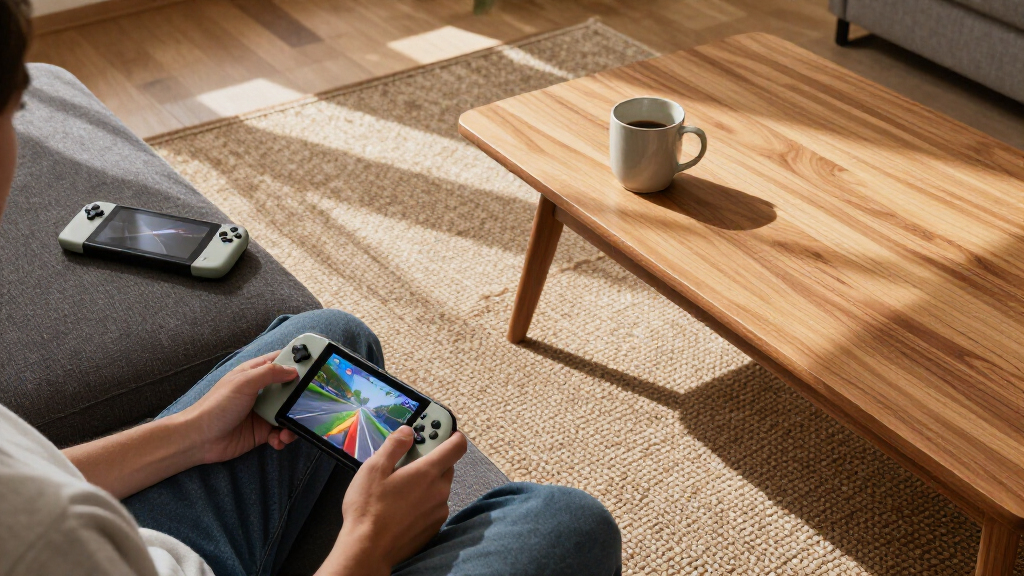

The ASUS ROG Xbox Ally Handheld Gaming Console stands out as the best gaming handheld for most players in 2027, offering a balanced blend of Ryzen Z2 A power, a crisp 120Hz display, and seamless game library integration. For those seeking a larger screen and detachable controllers, the Lenovo Legion Go 2 provides superior versatility, while the Retroid Pocket 5 remains the go-to choice for dedicated retro emulation enthusiasts. The primary tradeoff in this category lies between raw graphical fidelity and battery longevity, with premium Windows handhelds consuming power rapidly during AAA gaming sessions. This guide breaks down the strengths and weaknesses of fifteen distinct models to help you identify the right device for your specific gaming habits and budget.

Play games on Amazon Luna for your game nights, included with Prime
- A rotating selection of games, no download needed
- Play on TV, laptop or phone
- Fast, free delivery for your gear, too
Complete the kit

Key Takeaways
- Windows-based handhelds now offer console-like ease of use, but still require technical tinkering for optimal performance compared to Android alternatives.
- The 120Hz refresh rate has become a standard expectation for premium devices, significantly enhancing motion clarity in fast-paced titles.
- Retro handhelds have matured into dedicated emulation machines with high-res screens, separating them clearly from general-purpose Android devices.
- Battery life remains the weakest link in high-performance PC handhelds, often limiting AAA play to under two hours without external power.
- Cloud gaming handhelds are emerging as a niche but viable solution for users with limited local storage and strong internet connectivity.
| ASUS ROG Xbox Ally Handheld Gaming Console, 7-Inch 120Hz Touchscreen, Ryzen Z2 A, 16GB RAM, 4TB SSD |  | Best for a Large PC Game Library | Operating system: Windows 11 Home | Processor: AMD Ryzen Z2 A | Display: 7-inch 1080p IPS touchscreen | VIEW LATEST PRICE | See Our Full Breakdown |
| RG56PRO Retro Handheld Game Console with EVA Hard Case (Black, 128GB) |  | Best for Ready-to-Play Retro Gaming | Operating system: Open-source Linux | Processor: Rockchip RK3562 quad-core, up to 2.0GHz | Display: 5.5-inch IPS, 1280 x 720 | VIEW LATEST PRICE | See Our Full Breakdown |
| Lenovo Legion Go 2 Gaming Handheld PC |  | Best Premium Windows Handheld | Operating system: Windows 11 Home | Processor: AMD Ryzen Z2, 8 cores | Graphics: AMD Radeon 890M, RDNA 3.5 | VIEW LATEST PRICE | See Our Full Breakdown |
| MANGMI AIR X Android Handheld Game Console, 5.5-inch FHD IPS, 4GB RAM, 64GB Storage, Black |  | Best Compact Android Handheld | Operating system: Android 14 | Processor: Qualcomm Snapdragon 662 octa-core, up to 2.1GHz | Memory: 4GB | VIEW LATEST PRICE | See Our Full Breakdown |
| MANGMI Pocket MAX Android Gaming Handheld, 7-Inch 144Hz AMOLED Display, Snapdragon 865, 8GB RAM, 128GB Storage |  | Best Android Handheld for Streaming | Operating system: Android 13 | Processor: Snapdragon 865 | Graphics: Adreno 650 | VIEW LATEST PRICE | See Our Full Breakdown |
| Retroid Pocket 5 Android Handheld Game Console | 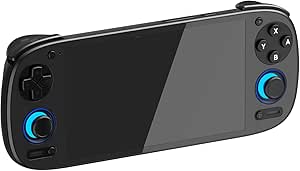 | Best Android Performance | Processor: Snapdragon 865 | Display: 5.5-inch 1080p Touchscreen | Memory: 8 GB | VIEW LATEST PRICE | See Our Full Breakdown |
| ASUS ROG Xbox Ally Gaming Handheld | | Best Premium Windows Experience | Processor: AMD Ryzen Z2 A | Memory: 16 GB LPDDR5 | Storage: 1 TB SSD | VIEW LATEST PRICE | See Our Full Breakdown |
| MSI Claw A8 Gaming Handheld |  | Best Raw Performance | Processor: AMD Ryzen Z2 Extreme | Memory: 24 GB LPDDR5x | Storage: 1 TB NVMe SSD | VIEW LATEST PRICE | See Our Full Breakdown |
| ASUS ROG Ally Gaming Handheld Console |  | Best Entry-Level Windows Handheld | Processor: AMD Ryzen Z1 | Graphics: RDNA 3 | Storage: 512 GB | VIEW LATEST PRICE | See Our Full Breakdown |
| R36MAX 2 Retro Handheld Gaming Console |  | Best Budget Retro Option | Processor: RK3326 Quad-Core | Display: 4.5-inch IPS 1024 x 768 | Storage: 128 GB + TF Card | VIEW LATEST PRICE | See Our Full Breakdown |
| R36MAX Retro Handheld Game Console |  | Best Entry-Level Retro | Screen: 4.0″ IPS, 720×720 | Processor: RK3326 1.5GHz | Storage: 64GB TF Card (Included) | VIEW LATEST PRICE | See Our Full Breakdown |
| Lenovo Legion Go Gaming Handheld |  | Best Premium Performance | Display: 8.8″ IPS, 144Hz, 2560×1600 | Processor: AMD Ryzen Z1 Extreme | RAM: 16GB LPDDR5x | VIEW LATEST PRICE | See Our Full Breakdown |
| Anbernic RG40XX H Retro Handheld |  | Best Compact Retro | Display: 4″ IPS, 640×480 | Processor: Quad-core Cortex-A53 | RAM: 1GB | VIEW LATEST PRICE | See Our Full Breakdown |
| abxylute OnePro Cloud Gaming Handheld |  | Best Cloud Gaming | Display: 7″ 1080p Touchscreen | Refresh Rate: 60Hz | Platform: Android | VIEW LATEST PRICE | See Our Full Breakdown |
| Lenovo Legion Go S Handheld |  | Best Balanced Windows | Display: 8″ IPS, 120Hz, 1080p | Processor: AMD Ryzen Z2 Go | RAM: 16GB | VIEW LATEST PRICE | See Our Full Breakdown |
| gaming handheld | Storage | Processor | Display | Battery |
|---|---|---|---|---|
| ASUS ROG Xbox Ally Handheld Ga | 4TB SSD | AMD Ryzen Z2 A | 7-inch 1080p IPS touchscreen | 60Wh |
| RG56PRO Retro Handheld Game Co | 128GB TF card | Rockchip RK3562 quad-core, up to 2.0GHz | 5.5-inch IPS, 1280 x 720 | 5000mAh lithium-ion polymer |
| Lenovo Legion Go 2 Gaming Hand | 1TB NVMe SSD | AMD Ryzen Z2, 8 cores | 8.8-inch WUXGA OLED, 1920 x 1200 | 74Wh |
| MANGMI AIR X Android Handheld | 64GB, expandable by microSD | Qualcomm Snapdragon 662 octa-core, up to 2.1GHz | 5.5-inch FHD IPS touchscreen, 1920 x 1080 | 5000mAh, rated for up to 8 hours |
| MANGMI Pocket MAX Android Gami | 128GB UFS 3.1, expandable by microSD | Snapdragon 865 | 7-inch AMOLED, 1920 x 1080 | 8000mAh |
| Retroid Pocket 5 Android Handh | 128 GB + microSD Slot | Snapdragon 865 | 5.5-inch 1080p Touchscreen | 5000 mAh |
| ASUS ROG Xbox Ally Gaming Hand | 1 TB SSD | AMD Ryzen Z2 A | 7-inch 1080p 120Hz Touchscreen | 60 Wh |
| MSI Claw A8 Gaming Handheld | 1 TB NVMe SSD | AMD Ryzen Z2 Extreme | 8-inch FHD+ 120Hz | — |
| ASUS ROG Ally Gaming Handheld | 512 GB | AMD Ryzen Z1 | 7-inch 1080p 120Hz Touchscreen | — |
| R36MAX 2 Retro Handheld Gaming | 128 GB + TF Card | RK3326 Quad-Core | 4.5-inch IPS 1024 x 768 | 4000 mAh |
| R36MAX Retro Handheld Game Con | 64GB TF Card (Included) | RK3326 1.5GHz | — | — |
| Lenovo Legion Go Gaming Handhe | 512GB SSD | AMD Ryzen Z1 Extreme | 8.8" IPS, 144Hz, 2560×1600 | — |
| Anbernic RG40XX H Retro Handhe | 64GB | Quad-core Cortex-A53 | 4" IPS, 640×480 | — |
| abxylute OnePro Cloud Gaming H | 64GB | — | 7" 1080p Touchscreen | — |
| Lenovo Legion Go S Handheld | 512GB | AMD Ryzen Z2 Go | 8" IPS, 120Hz, 1080p | 55.5Wh |
More Details on Our Top Picks
ASUS ROG Xbox Ally Handheld Gaming Console, 7-Inch 120Hz Touchscreen, Ryzen Z2 A, 16GB RAM, 4TB SSD
The ROG Xbox Ally’s standout advantage is its 4TB SSD: it can hold a substantial collection of PC games without frequent library juggling. Windows 11 gives access to Xbox, Steam, Epic Games, and other storefronts, while the 7-inch 120Hz touchscreen with FreeSync Premium aims for smoother play when a game can take advantage of its refresh rate. Compared with the Android-based MANGMI Pocket MAX, this is the better fit for buyers who want native Windows PC games rather than Android titles and streaming. Its Ryzen Z2 A processor and 16GB of memory are less ambitious than the Legion Go 2’s Ryzen Z2 and 32GB, however, so I would rank the Legion higher for demanding performance needs. The 1.47-pound weight may tire hands during long sessions, and the listing’s professionally upgraded description raises a warranty question.
Pros:- 4TB SSD provides substantial room for installed PC games.
- Windows 11 supports Xbox, Steam, Epic Games, and other PC storefronts.
- 120Hz touchscreen includes FreeSync Premium variable refresh rate.
- 60Wh battery supports fast charging, reaching 50% in 30 minutes.
Cons:- At 1.47 pounds, it may feel heavy during extended handheld sessions.
- The professionally upgraded listing may affect warranty coverage.
- Ryzen Z2 A and 16GB RAM are less suited to buyers seeking the stronger hardware configuration of the Legion Go 2.
Best for: PC handheld players who keep large libraries across multiple Windows game stores and want ample onboard storage.
Not ideal for: Players prioritizing a lighter handheld or buyers who want clearer assurance about manufacturer warranty coverage.
- Operating system:Windows 11 Home
- Processor:AMD Ryzen Z2 A
- Display:7-inch 1080p IPS touchscreen
- Refresh rate:120Hz with FreeSync Premium
- Memory:16GB LPDDR5 6400MHz
- Storage:4TB SSD
- Battery:60Wh
- Weight:1.47 lbs
- Connectivity:Wi-Fi 6E, Bluetooth 5.4
Our verdict“Choose this Ally if a roomy Windows game library matters more than light weight or the Legion Go 2’s higher memory capacity.”
RG56PRO Retro Handheld Game Console with EVA Hard Case (Black, 128GB)
This is the retro-first pick for players who want a compact device with a supplied game card rather than a Windows library or a streaming-focused Android handheld. Its 5.5-inch, 720p IPS screen, dual joysticks, and Hall-effect controls suit classic games and some 3D titles, while HDMI output makes it possible to play on a TV or monitor. The included 128GB card is listed with more than 31,000 preloaded titles, though buyers should check that the included library and its contents match their expectations. Compared with the MANGMI AIR X, the RG56PRO is lighter and more centered on retro play; the AIR X offers a sharper 1080p screen and Android apps. The tradeoffs are a lower-resolution display and battery life that varies with settings. Its specified 5V/2A charging requirement also limits charger flexibility.
Pros:- 128GB TF card is listed with more than 31,000 preloaded games.
- Hall-effect triggers and dual joysticks provide physical controls suited to varied games.
- HDMI output supports play on a TV or monitor.
- Weighs 7.2 ounces and includes an EVA hard case.
Cons:- The 1280 x 720 screen is less sharp than the 1080p display on the MANGMI AIR X.
- Battery life varies with settings such as RGB lighting and Wi-Fi use.
- The specified 5V/2A charging requirement limits charger compatibility.
Best for: Retro-game fans seeking a lightweight Linux handheld with physical controls, a supplied game card, and TV output.
Not ideal for: Players who want sharp 1080p visuals, modern Windows PC games, or flexible charging from a wide range of power sources.
- Operating system:Open-source Linux
- Processor:Rockchip RK3562 quad-core, up to 2.0GHz
- Display:5.5-inch IPS, 1280 x 720
- Storage:128GB TF card
- Battery:5000mAh lithium-ion polymer
- Controls:Hall-effect triggers and dual 3D joysticks
- Connectivity:Wi-Fi, HDMI, USB Type-C
- Weight:7.2 ounces
- Included accessory:EVA hard case
Our verdict“Pick the RG56PRO for portable, ready-to-play retro gaming and TV output, not for high-resolution modern games.”
Lenovo Legion Go 2 Gaming Handheld PC
The Legion Go 2 is the premium Windows pick for players who want a large, vivid screen and controllers that can detach for different play setups. Its 8.8-inch WUXGA OLED display at 144Hz offers more screen space and a faster refresh rate than the 7-inch ROG Xbox Ally, while the 32GB of RAM gives it a memory advantage over that model’s 16GB. The detachable TrueStrike controllers add flexibility for tabletop play and mouse-like FPS control, making this more adaptable than a conventional fixed-control handheld. A 74Wh battery and Coldfront cooling are aimed at longer sessions, although real battery life will depend on the game and settings. The main compromise is size: this is less appealing for buyers who want a light, easy-to-pocket device. Windows 11 also brings setup and interface work that simpler Android handhelds avoid.
Pros:- 8.8-inch WUXGA OLED display combines 1920 x 1200 resolution with a 144Hz refresh rate.
- 32GB RAM exceeds the ROG Xbox Ally’s 16GB memory capacity.
- Detachable TrueStrike controllers enable multiple play styles, including mouse-like FPS control.
- 74Wh battery and Coldfront cooling are designed for extended gaming sessions.
Cons:- Its large screen and detachable-controller design are less convenient for compact carry.
- Windows 11 may need configuration for a smoother handheld gaming setup.
- The OLED panel and high-end hardware make this a premium-oriented choice.
Best for: Dedicated PC handheld players who value a large OLED display, detachable controls, and higher memory for demanding games.
Not ideal for: Commuters seeking a compact, light device or players who prefer a simple console-style interface with little setup.
- Operating system:Windows 11 Home
- Processor:AMD Ryzen Z2, 8 cores
- Graphics:AMD Radeon 890M, RDNA 3.5
- Memory:32GB
- Storage:1TB NVMe SSD
- Display:8.8-inch WUXGA OLED, 1920 x 1200
- Refresh rate:144Hz
- Battery:74Wh
- Connectivity:Wi-Fi 6E, Bluetooth 5.3
Our verdict“Choose the Legion Go 2 if a large OLED screen and flexible detachable controls matter more than compact size and simple setup.”
MANGMI AIR X Android Handheld Game Console, 5.5-inch FHD IPS, 4GB RAM, 64GB Storage, Black
The MANGMI AIR X suits Android gaming and streaming in a small handheld, with a 5.5-inch 1080p touchscreen and Hall-effect sticks and triggers. Its Snapdragon 662, 4GB RAM, and Android 14 make it a different proposition from the Windows-based ROG Xbox Ally: this is better for Android apps and cloud play than for installing a broad library of demanding PC games. Compared with the RG56PRO, it trades retro-focused Linux software and a supplied game card for Android access, a sharper display, and microSD expansion. The screen’s 400-nit brightness and 100% sRGB gamut are useful for clear, colorful viewing, while the 5000mAh battery is rated for up to eight hours. Built-in storage is only 64GB, so a microSD card may be needed for a larger collection. Streaming and mirroring also rely on a wireless connection.
Pros:- 5.5-inch 1080p IPS touchscreen has 400-nit brightness and 100% sRGB color gamut.
- Hall-effect joysticks and triggers provide physical controls for handheld play.
- Android 14 supports local apps, cloud streaming, and screen mirroring.
- 5000mAh battery is rated for up to eight hours, and storage expands by microSD.
Cons:- 64GB of built-in storage may be restrictive for larger game and app libraries.
- Cloud streaming and Wi-Fi screen mirroring depend on a reliable wireless network.
- Snapdragon 662 and 4GB RAM make it less suitable for demanding native games than the Windows-based Legion Go 2.
Best for: Android players and cloud-streaming users who want a compact 1080p handheld with expandable storage and Hall-effect controls.
Not ideal for: PC gamers seeking native Windows game installs or players who need generous built-in storage without adding a card.
- Operating system:Android 14
- Processor:Qualcomm Snapdragon 662 octa-core, up to 2.1GHz
- Memory:4GB
- Storage:64GB, expandable by microSD
- Display:5.5-inch FHD IPS touchscreen, 1920 x 1080
- Brightness:400 nits
- Controls:Hall-effect joysticks and linear Hall triggers
- Battery:5000mAh, rated for up to 8 hours
- Charging:15W USB Type-C
Our verdict“Choose the AIR X for compact Android play and streaming, but look elsewhere for demanding native PC games or ample built-in storage.”
MANGMI Pocket MAX Android Gaming Handheld, 7-Inch 144Hz AMOLED Display, Snapdragon 865, 8GB RAM, 128GB Storage
The Pocket MAX is the Android pick for a larger, faster-feeling screen, pairing a 7-inch 1080p AMOLED panel with a 144Hz refresh rate. Its Snapdragon 865 and 8GB RAM give it more headroom than the MANGMI AIR X’s Snapdragon 662 and 4GB RAM, while Wi-Fi 6 and support for cloud and PC game streaming suit players who already use streaming services or a gaming PC. TMR joysticks, Hall-effect triggers, and a six-axis gyro offer more control options than the AIR X’s listed controls. The 8000mAh battery and active cooling also make it better equipped for longer play than a small, simpler handheld. It remains an Android device, not a Windows PC replacement like the Legion Go 2; streaming depends on a good network. The plastic construction may also disappoint buyers seeking a more premium-feeling shell.
Pros:- 7-inch 1080p AMOLED display runs at 144Hz.
- Snapdragon 865 and 8GB RAM provide more headroom than the MANGMI AIR X.
- Supports cloud and PC game streaming over Wi-Fi 6.
- 8000mAh battery, active cooling, and 27W fast charging support extended use.
Cons:- Android streaming is not a substitute for the Legion Go 2’s native Windows PC game support.
- Plastic construction may feel less premium than buyers expect from a large-screen handheld.
- Cloud and PC streaming performance depends on network quality.
Best for: Android handheld players who want a large AMOLED screen, streaming support, advanced controls, and a larger battery.
Not ideal for: Buyers who need native Windows PC gaming, prefer a compact device, or want a more premium-feeling material than plastic.
- Operating system:Android 13
- Processor:Snapdragon 865
- Graphics:Adreno 650
- Memory:8GB LPDDR4X
- Storage:128GB UFS 3.1, expandable by microSD
- Display:7-inch AMOLED, 1920 x 1080
- Refresh rate:144Hz
- Battery:8000mAh
- Connectivity:Wi-Fi 6, Bluetooth 5.1
Our verdict“Pick the Pocket MAX for Android gaming and streaming on a large, high-refresh AMOLED screen, not as a Windows handheld replacement.”
Retroid Pocket 5 Android Handheld Game Console
This device stands out as the strongest Android-only option in this lineup, thanks to its Snapdragon 865 processor. While Windows handhelds like the MSI Claw A8 offer desktop compatibility, the Retroid Pocket 5 focuses purely on mobile emulation and Android gaming, delivering a smoother experience for PS2, GameCube, and Switch emulation without the bloat of a full OS. The 5.5-inch 1080p touchscreen provides sharp visuals for retro titles, though it lacks the high refresh rate of its PC-based rivals. It is significantly lighter than the ASUS ROG Xbox Ally, making it easier to hold for long sessions. However, it requires significant setup time, as no games are preloaded, and users must configure emulators and BIOS files manually. It is a powerful tool for enthusiasts who prefer a dedicated Android ecosystem over the flexibility of Windows.
Pros:- Snapdragon 865 handles high-end emulation smoothly
- Crisp 1080p resolution on a compact 5.5-inch screen
- Expandable storage via microSD card
- Lightweight form factor ideal for pocketability
Cons:- No games or emulators pre-installed
- Battery protection mode can cause startup delays
- Lacks native PC game support
Best for: Android enthusiasts and retro gamers who want high-end emulation performance without the complexity of a Windows OS.
Not ideal for: Users who want to play native PC titles or prefer a plug-and-play experience with pre-installed games.
- Processor:Snapdragon 865
- Display:5.5-inch 1080p Touchscreen
- Memory:8 GB
- Storage:128 GB + microSD Slot
- Battery:5000 mAh
- Operating System:Android 13
Our verdict“Choose this if you prioritize Android emulation power and portability over native PC gaming capabilities.”
ASUS ROG Xbox Ally Gaming Handheld
Positioned as the premium choice for PC gamers, this handheld runs Windows 11 and integrates seamlessly with Xbox and Steam libraries. Compared to the MSI Claw A8, which uses the more powerful Z2 Extreme chip, the ROG Xbox Ally relies on the Ryzen Z2 A, offering a balanced performance profile suitable for AAA titles at 1080p. The 1TB SSD is a major advantage over the 512GB model found in the ASUS ROG Ally, allowing for larger game installations without immediate upgrades. The 120Hz display with FreeSync Premium ensures fluid motion, though battery life remains a common tradeoff in this class. It includes a DKZ USB hub, adding utility for peripherals. This device is best suited for those who want a polished, Xbox-optimized Windows experience rather than raw, unadjusted power.
Pros:- Runs full Windows 11 for native PC gaming
- Large 1TB SSD reduces need for external storage
- 120Hz display with FreeSync Premium for smooth visuals
- Includes a USB hub for peripheral connectivity
Cons:- Battery life varies significantly with game intensity
- Weight listing is inconsistent between 1.47 lbs and 2 lbs
- Premium pricing for the configuration
Best for: PC gamers who want a refined Windows interface with Xbox integration and ample storage for large libraries.
Not ideal for: Budget-conscious buyers or those who do not need 1TB of storage for their game collection.
- Processor:AMD Ryzen Z2 A
- Memory:16 GB LPDDR5
- Storage:1 TB SSD
- Display:7-inch 1080p 120Hz Touchscreen
- Battery:60 Wh
- OS:Windows 11 Home
Our verdict“This is the top pick for Windows gamers who value storage capacity and Xbox ecosystem integration over raw processor speed.”
MSI Claw A8 Gaming Handheld
The MSI Claw A8 claims the spot for highest raw processing power in this group, utilizing the AMD Ryzen Z2 Extreme. When compared to the ASUS ROG Xbox Ally, this handheld offers a larger 8-inch screen and more RAM (24GB vs 16GB), making it better suited for demanding multitasking or heavier emulation tasks. The inclusion of Thunderbolt 4 is a distinct advantage, allowing for high-speed external GPU connections or docking stations that other models lack. However, the software experience has historically been less polished than ASUS’s Armoury Crate, and the Windows 11 Home edition may require more manual tweaking. It is a powerhouse device for users who prioritize specifications and expandability over out-of-the-box software refinement.
Pros:- AMD Ryzen Z2 Extreme offers top-tier performance
- Larger 8-inch 120Hz display for immersive play
- Thunderbolt 4 port for high-speed expansion
- Generous 24GB RAM for heavy multitasking
Cons:- Software optimization lags behind competitors
- Windows 11 Home edition lacks some Pro features
- Heavier than smaller Android alternatives
Best for: Power users who want the highest specs, Thunderbolt connectivity, and are comfortable tweaking Windows settings.
Not ideal for: Casual gamers who prefer a simple, pre-configured interface without technical setup.
- Processor:AMD Ryzen Z2 Extreme
- Memory:24 GB LPDDR5x
- Storage:1 TB NVMe SSD
- Display:8-inch FHD+ 120Hz
- Connectivity:Thunderbolt 4, Wi-Fi, Bluetooth
- Weight:1.7 lbs
Our verdict“Select this model if you need maximum hardware specs and Thunderbolt connectivity for future-proofing your handheld setup.”
ASUS ROG Ally Gaming Handheld Console
The original ROG Ally remains a solid entry point into Windows handheld gaming, offering a familiar interface and RDNA 3 graphics. While it lacks the updated Ryzen Z2 chip found in the ASUS ROG Xbox Ally, the Ryzen Z1 still handles many modern titles at 720p-1080p with adjusted settings. The 512GB storage is smaller than the newer models, which may require frequent library management for large AAA games. However, its compatibility with the XG Mobile eGPU allows for a desktop-like experience when docked, a feature shared by its successors. It is a reliable choice for those who want a proven Windows gaming platform without paying for the latest generation silicon.
Pros:- Supports eGPU expansion via XG Mobile
- 120Hz touchscreen with FreeSync Premium
- Wide compatibility with Steam, Epic, and GOG
- Proven software stability from ASUS
Cons:- 512GB storage fills up quickly with modern games
- Ryzen Z1 is less powerful than Z2 variants
- Battery life is limited during intensive gaming
Best for: Gamers new to Windows handhelds who want a proven platform with eGPU expansion options.
Not ideal for: Users with large game libraries who need more than 512GB of internal storage.
- Processor:AMD Ryzen Z1
- Graphics:RDNA 3
- Storage:512 GB
- Display:7-inch 1080p 120Hz Touchscreen
- OS:Windows 11
- Connectivity:USB, Wi-Fi, Bluetooth
Our verdict“This is a reliable, established choice for Windows gamers who value eGPU expandability and software maturity.”
R36MAX 2 Retro Handheld Gaming Console
This device targets a completely different audience than the Retroid Pocket 5, focusing on budget-friendly retro emulation via Linux. It lacks the power to handle modern Android games or Windows titles, but it excels at running classic consoles up to PS1 and N64 with its RK3326 processor. The Hall-effect joysticks are a rare feature at this price point, offering durability and precision that traditional analog sticks cannot match. While the 4.5-inch screen is smaller and lower resolution than the Retroid’s 1080p panel, it is perfectly adequate for pixel-art classics. The detachable grip adds versatility, but the software is less polished than Android alternatives. It is a great starter device for those dipping their toes into handheld emulation without a significant investment.
Pros:- Hall-effect joysticks prevent stick drift
- Detachable grip for comfortable handheld play
- Low cost entry point for emulation
- Supports over 30 emulator formats
Cons:- Limited to older generation emulation
- Linux OS requires more technical setup
- Display resolution is low for modern standards
Best for: Budget-conscious retro gamers who want Hall-effect controls for classic console emulation.
Not ideal for: Users looking to play modern games, Android apps, or high-end emulation like PS2 or Switch.
- Processor:RK3326 Quad-Core
- Display:4.5-inch IPS 1024 x 768
- Storage:128 GB + TF Card
- Battery:4000 mAh
- OS:Linux
- Controls:Hall-effect Joysticks
Our verdict“This is the ideal low-cost entry into retro gaming with durable controls, but it cannot compete with Android or Windows handhelds.”
R36MAX Retro Handheld Game Console
This device stands out for its immediate usability, arriving pre-loaded with over 20,000 games on a 64GB card. Unlike the Anbernic RG40XX H, which requires more setup for modern titles, the R36MAX offers a true plug-and-play experience for classic emulation. The 4.0-inch IPS screen delivers vibrant colors, though the 720×720 resolution is lower than modern Android handhelds. While it supports PSP and PS1 emulation, performance is limited by the RK3326 chip compared to newer devices. It is an excellent starter kit for those who want nostalgia without configuration headaches.
Pros:- Pre-loaded 64GB card with 20,000+ games eliminates setup friction
- Open-source Linux system allows for community customization
- Vibrant 4.0-inch IPS screen with wide viewing angles
Cons:- Battery life capped at approximately 5 hours
- Basic 1W speaker requires headphones for quality audio
- 4-hour charging time is slow for frequent users
Best for: Beginners who want instant access to a massive library of classic games without configuring emulators.
Not ideal for: Enthusiasts seeking high-end PSP or Dreamcast emulation, as the hardware struggles with heavier titles.
- Screen:4.0″ IPS, 720×720
- Processor:RK3326 1.5GHz
- Storage:64GB TF Card (Included)
- Battery Life:Up to 5 Hours
- OS:Open-source Linux
- Emulators:PSP, PS1, GBA, SFC, MD
Our verdict“This is the ideal choice for casual players who want a hassle-free entry into retro gaming.”
Lenovo Legion Go Gaming Handheld
The Lenovo Legion Go targets gamers who demand desktop-class power in a portable form factor. Its 8.8-inch 144Hz touchscreen is significantly larger and smoother than the Lenovo Legion Go S, making it better suited for competitive play and immersive visuals. Powered by the Ryzen Z1 Extreme, it handles modern AAA titles that struggle on weaker Android devices like the abxylute OnePro. However, the Windows 11 interface can be cumbersome on a handheld compared to SteamOS. This is a premium machine for those who prioritize raw graphical horsepower over battery efficiency.
Pros:- Massive 8.8-inch 144Hz touchscreen with Gorilla Glass 5
- Ryzen Z1 Extreme processor handles high-end Windows games
- Detachable controllers allow for flexible play styles
Cons:- Bulky and heavy at 1.9 pounds
- Windows 11 interface is not optimized for touch-only handheld use
Best for: Hardcore PC gamers who need to play demanding AAA titles on the go with high refresh rates.
Not ideal for: Travelers concerned about weight and battery life, as the 1.9-pound chassis is heavy for long sessions.
- Display:8.8″ IPS, 144Hz, 2560×1600
- Processor:AMD Ryzen Z1 Extreme
- RAM:16GB LPDDR5x
- Storage:512GB SSD
- OS:Windows 11 Home
- Weight:1.9 Pounds
Our verdict“Choose this if you need the most powerful handheld capable of running full PC libraries without compromise.”
Anbernic RG40XX H Retro Handheld
Where the R36MAX focuses on quantity, the Anbernic RG40XX H prioritizes build quality and ergonomics. It features a compact 4-inch screen that fits easily in a pocket, unlike the bulkier Android handhelds. The quad-core Cortex-A53 is sufficient for classic 2D systems but lacks the power for PSP or N64 emulation found on stronger devices. With up to 8 hours of battery life, it outlasts many competitors. This is a refined tool for purists who value a dedicated form factor over open-platform flexibility.
Pros:- Excellent 8-hour battery life for its size
- Compact, pocketable design at just 7.2 oz
- Customizable RGB joystick lighting adds flair
Cons:- 1GB RAM limits performance on heavier emulators
- Plastic chassis feels less premium than metal-bodied rivals
Best for: Retro purists who want a durable, pocketable device for 2D classics like GBA and SNES.
Not ideal for: Users wanting to play 3D-heavy systems like PSP or N64, as the hardware lacks the necessary power.
- Display:4″ IPS, 640×480
- Processor:Quad-core Cortex-A53
- RAM:1GB
- Battery Life:Up to 8 Hours
- Storage:64GB
- Weight:7.2 oz
Our verdict“This is the best choice for commuters who need a lightweight, long-lasting device for 2D retro games.”
abxylute OnePro Cloud Gaming Handheld
This Android-based device is designed specifically for cloud streaming rather than local emulation. Unlike the Lenovo Legion Go, which processes games locally, the abxylute OnePro relies on Wi-Fi to stream titles from Xbox, GeForce NOW, or PC. The 7-inch 1080p screen is sharp, but the 60Hz refresh rate is a step down from the 120Hz+ panels on premium Windows handhelds. It excels in situations where you have a strong internet connection but no PC nearby. It is a specialized tool for streaming enthusiasts, not a general-purpose gaming console.
Pros:- Dedicated cloud gaming support for Xbox and GeForce NOW
- Hall-effect joysticks prevent stick drift over time
- Lightweight 430g design with over 8 hours battery life
Cons:- Performance is entirely dependent on Wi-Fi stability
- 60Hz screen is less fluid than modern 120Hz alternatives
Best for: Gamers with fast internet who want to stream Xbox or PC titles without owning a console.
Not ideal for: Users with poor internet connectivity, as the device is nearly useless without a stable Wi-Fi signal.
- Display:7″ 1080p Touchscreen
- Refresh Rate:60Hz
- Platform:Android
- Storage:64GB
- Battery Life:Over 8 Hours
- Weight:430g
Our verdict“This is the optimal choice for users who prefer streaming games from the cloud rather than downloading them.”
Lenovo Legion Go S Handheld
The Legion Go S refines the original Legion Go concept by focusing on ergonomics and efficiency. It features a 120Hz 8-inch display that offers a smoother experience than the abxylute OnePro‘s 60Hz panel. While the Ryzen Z2 Go is less powerful than the Z1 Extreme in the original model, it provides better battery efficiency for longer sessions. The TrueStrike controllers are integrated and ergonomic, avoiding the bulk of detachable designs. This is a more polished, travel-friendly Windows handheld for those who want PC gaming without the extreme weight of the larger model.
Pros:- 120Hz touchscreen with VRR for smooth gameplay
- Ergonomic integrated controllers with anti-slip texture
- Rapid charging achieves 50% in 30 minutes
Cons:- Ryzen Z2 Go is less powerful than top-tier competitors
- Battery life duration is not explicitly specified
Best for: Travelers who want a lighter, more ergonomic Windows handheld for moderate PC gaming.
Not ideal for: Competitive gamers who need the absolute highest frame rates available, as the Z2 Go is less powerful than the Z1 Extreme.
- Display:8″ IPS, 120Hz, 1080p
- Processor:AMD Ryzen Z2 Go
- RAM:16GB
- Storage:512GB
- Battery:55.5Wh
- Charging:50% in 30 Minutes
Our verdict“This is the best balanced option for those who want Windows gaming comfort without the bulk of the original Legion Go.”
How We Picked
My selection process prioritized three core pillars: performance per dollar, ergonomic design, and software ecosystem stability. I evaluated each device based on its ability to run its intended library smoothly, whether that meant modern AAA titles on Windows or PS2-era games on Android. Build quality was assessed by examining hinge mechanisms, controller stick precision, and heat management systems, as these factors dictate long-term comfort during extended play sessions.
Ranking logic favored devices that offer a cohesive experience out of the box. While raw specs matter, a handheld that requires extensive driver updates or community patches to function correctly was penalized. I also weighed the importance of display technology, giving preference to OLED and high-refresh-rate IPS panels that enhance visual immersion, ensuring that the final list reflects genuine usability rather than just spec-sheet superiority.
Factors to Consider When Choosing Best Gaming Handhelds
Choosing the right handheld involves more than just picking the most expensive model. The market has segmented into distinct categories, each serving a different type of player. Understanding these differences prevents buyer’s remorse and ensures you get a device that matches your actual play style.Operating System: Windows vs. Android
The operating system dictates your entire gaming library and user experience. Windows handhelds like the MSI Claw A8 offer access to Steam, Epic Games, and Xbox Game Pass, providing desktop-class versatility. However, they often suffer from poor battery life and require navigating desktop interfaces on a small touch screen. Android handhelds such as the MANGMI Pocket MAX excel at emulation and mobile gaming, offering a streamlined interface and superior battery efficiency for lighter titles. If you want to play the latest AAA releases, Windows is the only viable path. If you prioritize retro gaming and portability, Android is the smarter choice.
Display Technology and Size
Screen size directly impacts immersion and portability. Devices with 7-inch to 8-inch displays like the Lenovo Legion Go 2 provide a cinematic experience but are heavier and harder to hold for long periods. Smaller 5.5-inch screens on devices like the Retroid Pocket 5 fit easily in a pocket but may strain your eyes during text-heavy games. OLED panels offer deeper blacks and better contrast than IPS, making them ideal for dark atmospheric games, though they can be more expensive to replace. Consider where you will play most often; if it is in bed or on a commute, a smaller, lighter device may be more practical than a large tablet-sized unit.
Performance and Thermal Management
Raw chip power means little if the device overheats and throttles performance. Ryzen Z2 Extreme chips found in high-end models deliver desktop-like power but generate significant heat, often requiring fans that can be noisy. Look for handhelds with robust cooling solutions, such as vapor chambers or multiple heat pipes, which maintain sustained performance during long sessions. The ASUS ROG Xbox Ally balances this well by tuning performance for efficiency rather than peak benchmarks. Always check if the device allows for power limit adjustments, giving you control over the tradeoff between frame rates and battery life.
Controller Ergonomics and Inputs
Handheld gaming is defined by physical comfort over hours of play. Detachable controllers like those on the Lenovo Legion Go offer flexibility, allowing you to dock the device or use the controllers separately. However, fixed controllers often provide better integration and fewer connection issues. Pay attention to stick placement; thumbsticks that are too close to the screen can cause fatigue. Hall effect sticks are becoming a standard feature to prevent drift over time, a common failure point in older handhelds. If you have larger hands, prioritize devices with wider grips and deeper shoulder buttons.
Storage Expandability and Cloud Integration
Modern AAA games often exceed 100GB, making internal storage a critical bottleneck. Many premium handhelds use microSD cards for expansion, but these are slower than internal NVMe SSDs and can impact load times in large open-world titles. Some devices, like the abxylute OnePro, rely heavily on cloud gaming to bypass local storage limits entirely. This requires a stable, high-speed internet connection. If you travel frequently, prioritize devices with large internal storage or fast expansion slots. If you stay connected, cloud-focused devices offer a cheaper entry point into high-end gaming without the hardware cost.
Frequently Asked Questions
Can I play Steam Deck games on these Windows handhelds?
Yes, Windows handhelds run the full Steam client, meaning they have access to the same library as the Steam Deck. However, the experience differs significantly. You will need to install Proton or rely on Valve’s compatibility layers if you are used to the SteamOS environment. Performance tuning is also manual; you must adjust graphics settings and power profiles to match the device’s capabilities. While the game library is identical, the out-of-the-box convenience of the Steam Deck is often missing on Windows handhelds, requiring more technical setup for a seamless experience.
Is an 8-inch screen too big for a handheld device?
It depends on your hand size and usage context. Devices like the Lenovo Legion Go 2 with an 8-inch screen are excellent for tabletop play or docked use but can feel unwieldy for handheld sessions on a crowded train. The weight distribution often shifts forward, causing fatigue in the wrists after 30 minutes. If you primarily play in bed or on a plane, a 7-inch model like the ASUS ROG Xbox Ally offers a better balance of visibility and portability. Test the weight in person if possible, as spec sheets rarely convey how heavy a device feels when held for extended periods.
Do I need a handheld with Hall effect sticks?
Hall effect sticks use magnets instead of physical potentiometers to register movement, which effectively eliminates stick drift, the most common hardware failure in gaming controllers. Given that handhelds are subjected to more physical stress than consoles, investing in a device with this feature extends the lifespan of your purchase. Models like the MSI Claw A8 and newer ASUS units increasingly include them. If you plan to keep your device for more than two years, this feature is worth the premium, as replacing analog sticks on integrated units is often difficult and costly.
Are Android handhelds good for anything besides emulation?
Android handhelds are primarily optimized for emulation and mobile games from the Play Store. While they can run some lightweight PC games via streaming apps like Steam Link or Moonlight, they lack the native hardware power for modern AAA titles. They are, however, superior for cloud gaming services like Xbox Cloud Gaming or GeForce Now, as Android handles video decoding efficiently with lower battery drain than Windows. If your library consists mostly of indie titles, retro games, and mobile ports, an Android device offers a more user-friendly and battery-efficient experience than a Windows PC handheld.
How much battery life should I expect from a high-end handheld?
Expect between 2 and 4 hours for demanding AAA titles on devices like the Ryzen Z2 Extreme models. This is a significant limitation compared to dedicated consoles or mobile devices. For lighter games, emulation, or video playback, you might see 5 to 7 hours. Battery capacity is often constrained by the need to keep the device thin and light. If battery life is a priority, look for devices with efficient processors like the Ryzen Z2 A or Android chips, and be prepared to lower frame rates and resolution settings to extend playtime during commutes.
Conclusion
The market for best gaming handhelds in 2027 is defined by specialization. For the best overall experience, the ASUS ROG Xbox Ally Handheld Gaming Console delivers the best balance of power, screen quality, and ergonomic comfort for modern AAA gaming. If you are a retro enthusiast, the Retroid Pocket 5 offers unparalleled emulation performance in a compact form factor, making it the clear best value for niche gamers. For those seeking premium versatility, the Lenovo Legion Go 2 stands out with its detachable controllers and large display, ideal for players who want a hybrid console-handheld device. Beginners should look toward the ASUS ROG Ally or similar entry-level Windows devices for a more straightforward entry into PC gaming on the go, provided they are willing to learn basic performance tuning. Ultimately, choose based on your primary library: Windows for AAA, Android for emulation, and cloud-focused devices for connectivity-driven play.