
TL;DR

Play games on Amazon Luna for your game nights, included with Prime
- A rotating selection of games, no download needed
- Play on TV, laptop or phone
- Fast, free delivery for your gear, too
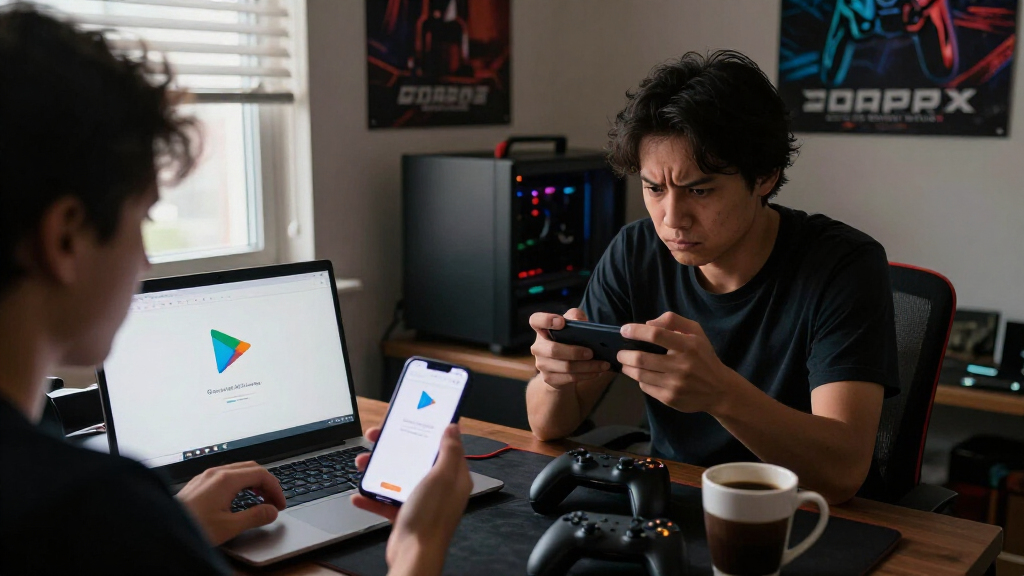
Google removed the Luanti app from the Play Store after the developer claimed it was due to a baseless AI copyright notice. The move highlights issues around AI-generated content and app moderation. Details about the incident remain incomplete.
Google has officially removed the Luanti app from the Google Play Store after the developer claimed the removal was due to a baseless AI copyright notice. The incident underscores ongoing tensions over AI-generated content and app moderation practices, and it raises questions about the transparency and fairness of platform policies.
The Luanti app, which offers AI-powered features, was removed from Google Play on March 15, 2024. The developer, who has not been publicly named, stated that Google cited a copyright notice related to AI-generated content as the reason for removal, but the developer argues this claim is unfounded. According to the developer, the app’s AI features do not infringe on any copyrights, and they believe the removal was a mistake or possibly influenced by automated moderation systems.
Google has not officially confirmed the specific grounds for the removal beyond a general statement indicating policy violations. The company’s policies prohibit copyright infringement, but the application of these rules to AI-generated content remains a contentious and evolving area. The developer has appealed the removal, but no decision has yet been announced.
This incident follows a series of recent disputes over AI-generated content and platform moderation, with developers and companies raising concerns about inconsistent enforcement and the potential for overreach. The Luanti case is notable because it appears to involve a claim of copyright infringement based solely on AI-generated material, which is a legally complex and currently unsettled issue.
Implications for AI Content and App Moderation
The removal of the Luanti app highlights the challenges platforms face in regulating AI-generated content. It raises questions about how app stores interpret copyright laws in the context of AI, and whether automated systems or human reviewers are equipped to fairly evaluate such claims. For developers creating AI-based apps, this incident signals potential risks of sudden removal or sanctions based on ambiguous or unfounded copyright notices, which could stifle innovation and create uncertainty in the AI app ecosystem.
Furthermore, the case underscores ongoing debates about the legal status of AI-created works and the responsibilities of platforms to ensure due process. As AI technology advances, these issues are likely to become more prominent, affecting not only app developers but also content creators and legal authorities.
As an affiliate, we earn on qualifying purchases.
Background on AI and App Store Policies
Over the past year, several tech platforms, including Google Play, have intensified their efforts to clamp down on copyright violations, especially those involving AI-generated content. Many developers have reported difficulties in understanding or complying with these policies, which are often enforced through automated systems. The legal landscape surrounding AI and copyright remains unsettled, with courts and lawmakers worldwide debating whether AI-generated works can be copyrighted and who holds the rights.
The incident with Luanti is part of a broader pattern of platform actions targeting AI apps, sometimes based on vague or questionable claims. Critics argue that such enforcement can be inconsistent and may disproportionately impact legitimate AI developers. Meanwhile, platform providers maintain they are acting to protect intellectual property rights and prevent infringement, but the lack of clear guidelines complicates enforcement.
Prior to this incident, Google had issued warnings and taken down other AI-related apps, but the case of Luanti appears to be one of the first high-profile removals explicitly citing a copyright notice linked to AI content without clear evidence of infringement.
“We believe the copyright claim is completely unfounded and that our AI features do not infringe on any rights. The removal seems to be a mistake or an overreach by automated moderation.”
— Luanti Developer
copyright management software for developers
As an affiliate, we earn on qualifying purchases.
As an affiliate, we earn on qualifying purchases.
Unclear Details About the Copyright Claim
It remains unclear exactly what specific copyright notice or claim prompted Google to remove the Luanti app. The developer states the claim is baseless, but Google has not disclosed the evidence or reasoning behind the removal. The role of automated moderation systems versus human review in this decision is also uncertain, as is the legal basis for the copyright claim related to AI-generated content.
Additionally, it is not yet confirmed whether this incident is an isolated case or part of a broader pattern of enforcement actions against AI apps on the platform.
As an affiliate, we earn on qualifying purchases.
Next Steps and Potential Outcomes
The developer plans to appeal the removal, and Google has indicated that it is reviewing the case. A resolution could involve reinstatement of the app or a clarification of platform policies regarding AI-generated content. In the broader context, this incident may prompt Google and other platforms to refine their policies and enforcement practices concerning AI and copyright issues.
Legal experts suggest that ongoing court cases and legislative developments could influence how AI copyright claims are handled in the future, potentially leading to more transparent guidelines for developers and platforms alike.
AI-generated content copyright tools
As an affiliate, we earn on qualifying purchases.
As an affiliate, we earn on qualifying purchases.
Key Questions
Why was the Luanti app removed from Google Play?
Google removed the Luanti app citing a copyright notice related to AI-generated content, which the developer claims is unfounded. The specific details of the claim have not been publicly disclosed.
Is this removal related to broader issues with AI apps?
Yes, it appears to be part of an ongoing pattern where platforms enforce policies on AI content, sometimes based on vague or automated claims, raising concerns about fairness and clarity in moderation practices.
Will the Luanti app be reinstated?
The developer plans to appeal the removal, and Google is reviewing the case. A decision on reinstatement will depend on the outcome of this review and potential policy clarifications.
Does this mean AI-generated content is illegal?
No, AI-generated content is not inherently illegal, but legal questions about copyright and AI remain unresolved. This incident highlights the need for clearer legal and platform policies.
What should AI developers do in light of this incident?
Developers should stay informed about platform policies, document their content creation processes, and be prepared to respond to potential claims or removals related to AI-generated content.
Source: hn
Halloween Picks
halloween
As an affiliate, we earn on qualifying purchases.