
TL;DR
Game developer Jay Tholen’s autobiographical essay describes how a childhood interest in computers led him to create games with The Games Factory, a no-code 2D development tool. His account also reflects on the online connections and personal difficulties that accompanied making games as a teenager. The essay is a personal recollection, not a new announcement or independent report on the era.
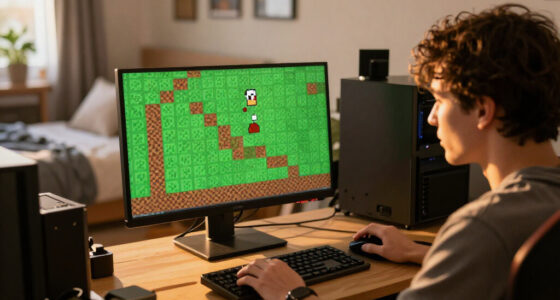
Game developer Jay Tholen has published an autobiographical account of making games as a teenager, tracing his path from a childhood fascination with computers to experiments with The Games Factory, a no-code tool for building 2D games. The essay offers a first-person recollection of how accessible software and online acquaintances shaped his early creative life, rather than reporting a newly announced game or industry development.

Play games on Amazon Luna for your game nights, included with Prime
- A rotating selection of games, no download needed
- Play on TV, laptop or phone
- Fast, free delivery for your gear, too
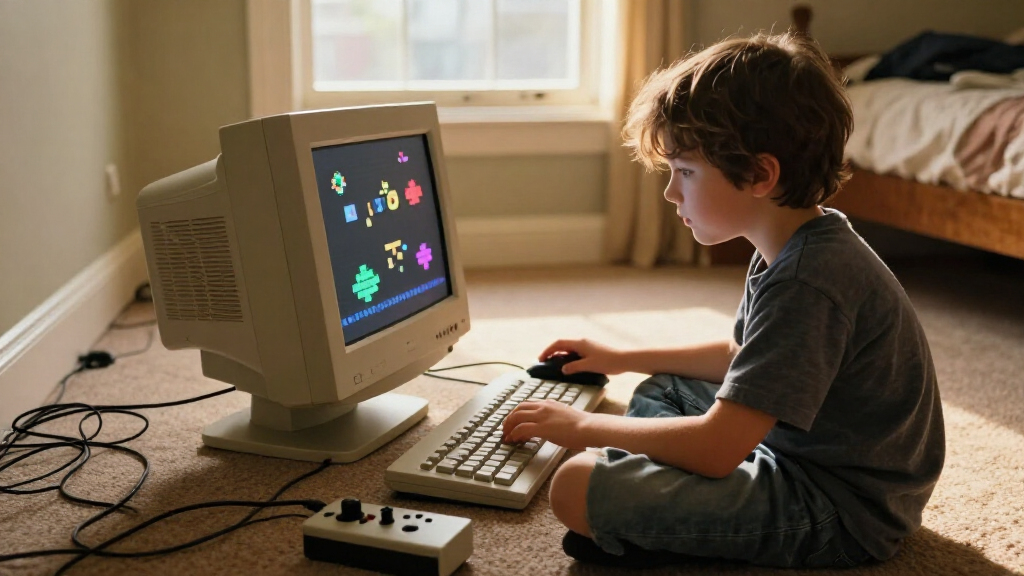
Tholen, whose credits include Hypnospace Outlaw, Dropsy and Slayers X, describes being drawn to computers before his family could afford one. In the essay, he recalls reading computer magazines, playing games on a classroom Macintosh and, in 1997, getting a Packard Bell multimedia PC after years of asking his parents for one. He says internet access came later, after he had collected games and magazine demo discs.
The account centers on The Games Factory, which Tholen identifies as a 1996 release from Europress, later associated with Clickteam. The program let users make 2D games without writing code. Tholen describes it as a focus of his attention while school was going badly; the essay also discusses his ADHD diagnosis, difficulty completing schoolwork and social isolation. Those details are his personal account and should not be read as a diagnosis or explanation of other young developers’ experiences.
The source lists games made with software in the same lineage, including Eternal Daughter, Knytt and Five Nights at Freddy’s. It says many older titles are archived at Kliktopia and that many still run on modern Windows systems. These examples provide a broader view of the tool’s reach, but the essay does not establish that every listed developer used the same version or had the same experience.
How No-Code Tools Lowered the Barrier
Tholen’s recollection shows one route into game creation at a time when making a game could begin with an inexpensive or accessible creation suite rather than formal programming instruction. The Games Factory offered a way to assemble 2D projects through visual tools, letting a young user experiment with game ideas while learning by making. The essay connects that practical access with the internet, which gave hobbyists ways to share work and meet other people with similar interests.
The significance is personal and cultural, not a claim that one program created a particular generation of developers. The source’s list of later games suggests that tools from this software family remained useful to creators over time. For readers interested in independent game history, Tholen’s account adds a firsthand perspective on how a home computer, low-barrier software and online social spaces could combine into an early creative practice.
Popular right now

De'Longhi Classic Signature Espresso Machine with Adjustable Milk Frother

Vitamix 5200 Blender with 64 oz Container, Black

KitchenAid 5.5-Quart Bowl-Lift Stand Mixer, Porcelain White
As an affiliate, we earn on qualifying purchases.
From Classroom Mac to Home PC
Tholen places the beginnings of his interest in computers in the mid-to-late 1990s. He recalls using a Power Macintosh 5200 LC at a before-school program, where he played titles including Oregon Trail and The Incredible Machine 2. His family bought a Packard Bell PC in 1997, but, according to the essay, it took about two more years before he had internet access at home.
The piece is framed as an autobiographical essay, with a self-deprecating subtitle about replacing real-life friends with online acquaintances. Its early scenes also recount school struggles and a preference for writing stories and drawing maps over assignments he found uninteresting. These memories set up the account of game making; they are not independently verified reporting about Tholen’s childhood or a survey of young developers generally.
The software fits into a longer product line. According to the source, The Games Factory followed Klik & Play and was later followed by Multimedia Fusion; the family of tools continues as Clickteam Fusion 2.5, with substantial backward compatibility. That lineage helps explain why the program and games made with it remain a subject of interest to hobbyists and preservation communities.
“how to replace your real friends with online acquaintances and never recover”
— Jay Tholen, in the essay’s subtitle
The Limits of One Person’s Account
The essay is a personal retrospective, and the supplied material does not give a publication date beyond identifying the author’s website. It does not provide independent confirmation of each childhood memory, nor does it report interviews with other developers or measure how widely The Games Factory was used. Its account should be understood as Tholen’s experience rather than a complete history of early-2000s game-making.
The source also does not specify which games Tholen himself made as a teenager in the excerpt provided, despite pointing readers toward examples elsewhere on the page. It is unclear how those early projects were distributed, how many people played them, or what role particular online contacts played in his later career. The article makes no new claim about a forthcoming game or a current software update.
Where Readers Can Follow the Trail
The essay directs readers to examples of Tholen’s childhood games and describes archives where older titles made with related Clickteam tools can be found. Readers looking for the projects themselves can consult those links on jaytholen.net and the Kliktopia archive, while checking each archive’s compatibility notes before attempting to run older software.
No follow-up announcement, interview or new development is specified in the source material. The immediate next step is therefore further reading and exploration of the archived games, rather than waiting for a scheduled release or event. Any broader account of the era would need additional sources from other creators, communities and software records.
Key Questions
What is Jay Tholen’s essay about?
It recounts Tholen’s childhood interest in computers and his experience beginning to make games with The Games Factory, alongside memories of school and online social life.
What was The Games Factory?
According to Tholen’s essay, it was a no-code 2D game development program released by Europress in 1996. It followed Klik & Play and was later followed by Multimedia Fusion.
Did Tholen announce a new game?
No. The source is an autobiographical essay about his past, not an announcement of a new project or release.
Where can readers find older games made with related tools?
The essay points to Kliktopia as an archive for many games made with Clickteam-related software. Availability and compatibility may vary by title.
Source: jaytholen.net