
TL;DR

Play games on Amazon Luna for your game nights, included with Prime
- A rotating selection of games, no download needed
- Play on TV, laptop or phone
- Fast, free delivery for your gear, too
PlayStation’s plan to stop producing disks by 2028 signals a move toward fully digital gaming. This shift raises questions about ownership, game preservation, and consumer options, beyond just physical versus digital media.
PlayStation has confirmed it will stop manufacturing physical game disks for new titles starting January 2028. This move signifies a shift toward fully digital gaming, raising questions about ownership and game preservation. The development is significant for consumers and the industry, as it marks the end of an era of physical media for PlayStation games.
On July 5, 2026, Sony announced that production of physical disks for new PlayStation games will end in January 2028. This confirms a broader industry trend toward digital-only games, driven by companies’ desire to control distribution and maximize profits. The move is viewed by many as more than just a shift in media format; it raises concerns about ownership rights and game preservation.
Critics argue that without physical disks, consumers lose the ability to trade, lend, or resell games. Historically, physical ownership allowed players to pass games to friends or keep them as personal collections. The industry has long been opposed to used game sales, citing lost revenue, which has influenced policies like the Xbox One’s initial restrictions. Sony’s move aligns with this trend, aiming to phase out physical media entirely.
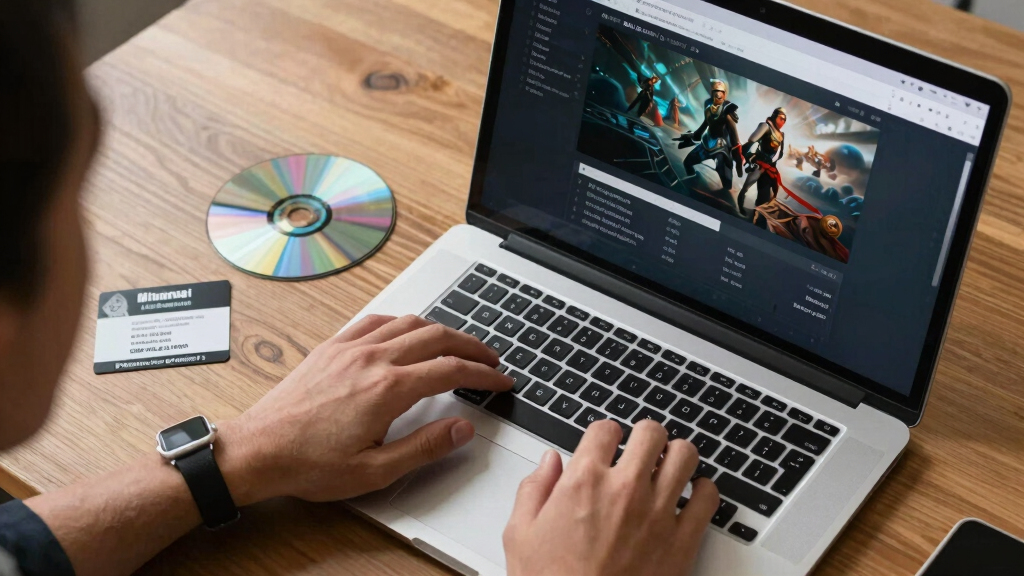
Additionally, the end of physical disks threatens game preservation. Many older titles, especially from PS3 and Vita stores, are at risk of becoming inaccessible as stores close and digital rights management (DRM) measures tighten. The emergence of tools like Omnidrive, which facilitate ripping and archiving games, highlights ongoing efforts by consumers to preserve titles that could otherwise be lost.
While digital-only games offer convenience, they also limit consumer options. Physical games can be bought used, rented, or traded, offering flexibility that digital storefronts do not provide. As consoles move toward streaming and digital-only models, these options may disappear entirely, raising concerns about access and ownership rights.
Implications for Consumer Rights and Game Preservation
The move away from physical disks by PlayStation underscores a shift in the gaming industry that impacts ownership rights. Consumers may soon lack the ability to trade, resell, or preserve their games, leading to a future where access depends entirely on corporate servers and DRM policies. This raises important questions about consumer sovereignty and cultural preservation of gaming history.
As physical media become obsolete, the risk of game loss increases, especially for titles not ported or preserved by publishers. The industry’s focus on profit maximization could result in many games becoming inaccessible, erasing parts of gaming history and culture. This shift could also influence consumer behavior, making digital ownership the only option, which many see as a less flexible and more restrictive model.
game preservation external hard drive
As an affiliate, we earn on qualifying purchases.
As an affiliate, we earn on qualifying purchases.
Industry Trends Toward Digital-Only Gaming
The announcement by Sony is part of a broader industry trend toward digital-only consoles. Past efforts, such as Xbox One’s initial restrictions on reselling games and mandatory online checks, faced backlash and were scaled back. However, the move toward eliminating physical media continues, driven by companies’ desire to control distribution and increase profit margins.
Historically, physical media allowed consumers to own and manipulate their games independently of publishers and platforms. The decline of physical disks is paralleled by the shutdown of older digital stores, such as PS3 and Vita, which will close in the coming months. Many beloved titles are at risk of becoming lost media if not preserved by dedicated fans or third-party tools.
This trend raises concerns about long-term access to games, especially as future consoles may further restrict or eliminate the ability to dump or emulate older titles. The industry’s focus on streaming and DRM could accelerate the loss of gaming history unless proactive preservation efforts are made.
“Getting rid of disks isn’t just about convenience; it’s about Sony’s attempt to kill ownership entirely.”
— Hacker News user
As an affiliate, we earn on qualifying purchases.
Unclear Impact on Game Preservation and Consumer Rights
It remains uncertain how quickly and thoroughly game preservation efforts will adapt to the shift away from physical media. The long-term consequences of no longer producing disks depend on future policies around digital rights management, store closures, and the potential for emulation or dumping tools. Additionally, the extent to which consumers will accept and adapt to these changes is still unclear, especially regarding their ability to trade or resell digital games.
As an affiliate, we earn on qualifying purchases.
Next Steps for Industry and Consumers
Industry stakeholders are likely to continue shifting toward fully digital ecosystems, with plans for streaming services and digital storefronts becoming dominant. Consumers and preservation groups may intensify efforts to archive and preserve games, especially older titles at risk of being lost. Regulatory and legal debates around ownership rights, DRM, and consumer protection are expected to increase as the industry moves further into digital territory.
In the short term, the closure of older digital stores like PS3 and Vita will accelerate the need for community-led preservation initiatives. For the industry, the challenge will be balancing profit motives with the cultural importance of game preservation and consumer rights.
As an affiliate, we earn on qualifying purchases.
Key Questions
Will I still be able to trade or resell digital games in the future?
Currently, digital games are tied to accounts and platforms, making trading or reselling difficult or impossible. It is unclear if future policies will change this, but the trend suggests a move toward more restricted ownership models.
What happens to older games if stores close or servers shut down?
Many older games risk becoming inaccessible unless preserved by fans or third-party tools. The closure of digital stores like PS3 and Vita will accelerate this issue unless proactive preservation efforts are undertaken.
Could game streaming replace physical or digital downloads entirely?
Streaming is likely to become more prevalent, but it raises further concerns about access, latency, and long-term preservation. It is uncertain how widespread or viable streaming-only models will become.
Are there legal protections for game preservation?
Legal protections vary by region, but currently, there is limited legal framework specifically supporting game preservation. Advocacy groups are pushing for stronger rights to archive and preserve games.
Will future consoles allow dumping or emulation of games?
It is uncertain. While some community efforts exist, future hardware with strict DRM and security measures may make dumping or emulation impossible, risking the loss of many titles.
Source: Hacker News
Halloween Picks
halloween
As an affiliate, we earn on qualifying purchases.