
TL;DR
Play games included with Prime
Start a Prime free trial and play with Amazon Luna on your devices.
As an affiliate, we earn on qualifying purchases.
Elon Musk’s predictions for Tesla’s full self-driving capabilities have been significantly off for more than 10 years. Recent reports confirm that current Tesla FSD remains at Level 2++, far from Level 4 autonomy. The delays highlight ongoing challenges in achieving fully autonomous vehicles.
Elon Musk’s Tesla Full Self-Driving (FSD) system remains at Level 2++, more than a decade after Musk’s initial optimistic predictions, with no indication that full Level 4 autonomy is imminent.
Tesla’s FSD system has not achieved Musk’s earlier promises of full, unsupervised autonomous driving. Despite ongoing improvements, industry experts and recent reports confirm that current Tesla FSD still requires human oversight and is classified as Level 2++, not Level 4. Musk had historically predicted that Tesla vehicles would achieve coast-to-coast autonomous trips and cross-country summoning within a few years, but these milestones have not materialized. Recent statements from industry analysts and Tesla insiders indicate that the system’s capabilities remain limited, with significant technological and regulatory hurdles remaining. The company’s claims about miles driven and robotaxi deployment often include miles driven with human drivers, which complicates assessments of progress.
Implications of Tesla’s Self-Driving Progress for Consumers and Investors
This ongoing gap between Tesla’s promises and actual capabilities impacts consumer trust, regulatory approval, and investor confidence. It highlights the persistent technical challenges in achieving full autonomy and raises questions about Musk’s timeline reliability. For Tesla owners and potential investors, understanding these limitations is crucial for setting realistic expectations about the company’s autonomous driving ambitions.
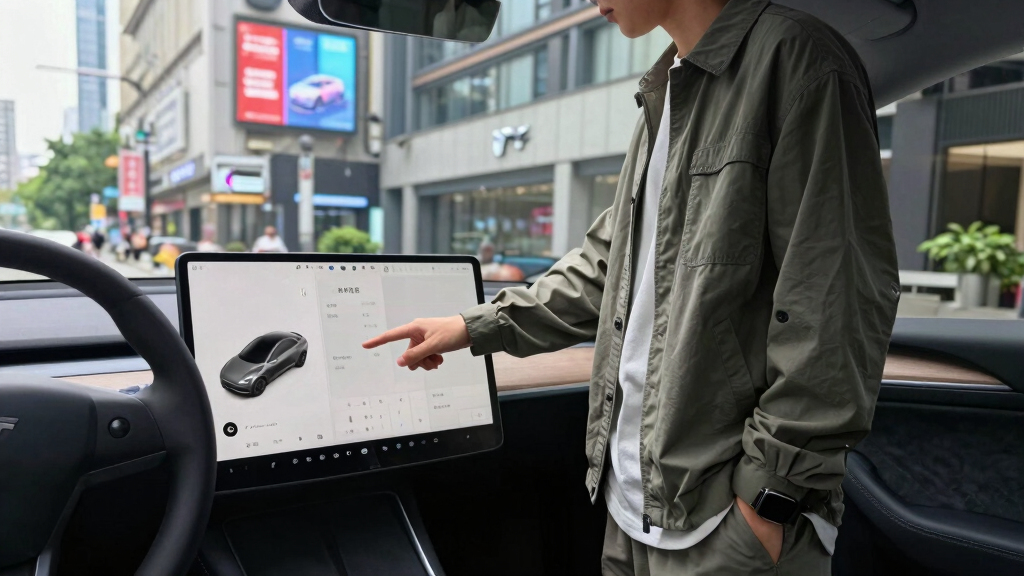
Tesla Full Self-Driving FSD Level 2++ system
As an affiliate, we earn on qualifying purchases.
As an affiliate, we earn on qualifying purchases.
Historical Delays and Musk’s Autonomous Driving Predictions
Elon Musk has repeatedly set ambitious timelines for Tesla’s autonomous driving capabilities, dating back over a decade. In 2016, Musk predicted a coast-to-coast Model S trip and automatic cross-country charging within two years, but these milestones have not been realized. Despite incremental improvements, Tesla’s FSD remains at Level 2++, requiring driver supervision. Musk’s optimistic forecasts, often qualified with terms like ‘probably’ or ‘fairly confident,’ have consistently missed deadlines. Recent reports and expert analyses suggest that Tesla’s current system still relies heavily on human intervention, with no confirmed plans for fully autonomous, unsupervised robotaxi services in the near future.
“Despite the miles driven, most are with human drivers, and the company has not demonstrated the capability for fully driverless operation in real-world conditions.”
— Tesla insider
autonomous driving safety monitor
As an affiliate, we earn on qualifying purchases.
As an affiliate, we earn on qualifying purchases.
Unconfirmed Aspects of Tesla’s Autonomous Roadmap
It is still unclear when Tesla will achieve full Level 4 autonomy, as technological, regulatory, and safety challenges persist. The company has not announced specific timelines, and recent statements suggest that significant development hurdles remain before widespread autonomous robotaxi deployment can occur.
driver assistance systems for Tesla
As an affiliate, we earn on qualifying purchases.
As an affiliate, we earn on qualifying purchases.
Future Developments in Tesla’s Autonomous Driving Efforts
Tesla is expected to continue incremental improvements to its FSD system, with potential regulatory approvals and pilot programs in select cities. Industry analysts will monitor miles driven, safety reports, and Tesla’s public statements to gauge progress toward true autonomy. Additionally, Tesla’s regulatory filings and safety data disclosures may provide clearer timelines in the coming months.
self-driving car safety features
As an affiliate, we earn on qualifying purchases.
As an affiliate, we earn on qualifying purchases.
Key Questions
Why has Tesla’s full self-driving progress been so delayed?
Technical challenges in ensuring safety, regulatory hurdles, and the complexity of achieving full autonomy in diverse environments have contributed to delays.
What does Level 2++ mean for Tesla drivers?
It indicates that Tesla’s current driver-assist system can handle some driving tasks but still requires active human supervision and intervention at any moment.
Are Tesla’s claims about miles driven and robotaxi deployment reliable?
Many miles include trips with human drivers, and there is limited evidence of fully driverless robotaxi operations in real-world conditions, making such claims potentially misleading.
When might Tesla achieve true Level 4 autonomy?
There is no confirmed timeline; experts suggest it may still be years away due to ongoing technological, regulatory, and safety challenges.
What should consumers and investors expect moving forward?
Expect continued incremental improvements, cautious regulatory progress, and ongoing delays in achieving full autonomous vehicle deployment.
Source: CleanTechnica
Fall Picks
fall essentials
As an affiliate, we earn on qualifying purchases.