
TL;DR

Play games on Amazon Luna for your game nights, included with Prime
- A rotating selection of games, no download needed
- Play on TV, laptop or phone
- Fast, free delivery for your gear, too
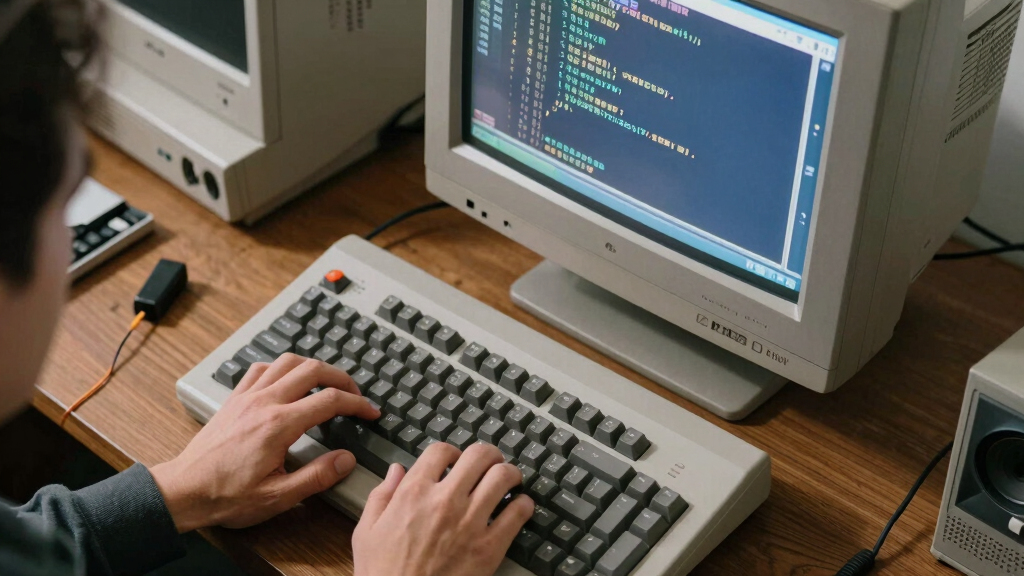
GentleOS has released two hobby operating systems, GentleOS/32 for 32-bit PCs and GentleOS/16 for older 16-bit devices. The project aims to provide simple platforms for vintage hardware enthusiasts. Development is ongoing, focusing on bug fixes, optimizations, and app additions.
GentleOS has introduced two hobby operating systems: GentleOS/32 for vintage 32-bit PCs and GentleOS/16 for 16-bit devices, targeting retro hardware enthusiasts and tinkerers. The project aims to provide simple, configurable platforms for running graphical applications on bare metal, with ongoing development focused on bug fixes and feature expansion.
GentleOS/32 is designed for minimal hardware, requiring only an i386 CPU, 4MB of RAM, and a VGA display capable of 640x480x16 mode. It is a monolithic OS, mostly configured at compile time, supporting standard PC devices such as VGA/SVGA, keyboard, PS/2 mouse, serial mouse, and PC speaker. Its primary goal is to facilitate experimentation with vintage hardware and simple graphical applications.
Additionally, GentleOS/16 is a pure 16-bit version targeting devices as old as the 80186, providing similar capabilities for even older hardware. Both versions are licensed under GPLv2, with the project emphasizing bug fixes, performance improvements, and app support in future updates. The project’s repository and build instructions are available on GitHub.
Potential Impact on Retro Hardware Enthusiasts
This development offers hobbyists and vintage hardware enthusiasts a new platform for experimenting with old PCs, enabling them to run graphical applications on minimal hardware. It also provides a foundation for educational projects, hardware preservation, and software development on legacy systems. The open-source nature encourages community involvement and further customization.
As an affiliate, we earn on qualifying purchases.
Background of Hobby Operating Systems for Vintage PCs
Hobby OS projects for vintage hardware have existed for years, often driven by enthusiasts seeking to preserve and explore older computer systems. Existing efforts include minimalist OSes and specialized environments for early PCs. GentleOS’s focus on supporting both 16- and 32-bit architectures, along with its simple configuration and licensing, positions it as a modern addition to this niche. The project aligns with ongoing trends of retro computing revival and open-source hardware experimentation.
“GentleOS aims to provide a lightweight, configurable platform for vintage hardware tinkering, with a focus on graphical capabilities on minimal systems.”
— an anonymous researcher
As an affiliate, we earn on qualifying purchases.
Development Roadmap and Future Features Unclear
It is not yet clear what specific features or applications will be added in future updates beyond bug fixes and optimizations. The scope of community involvement and potential expansion plans remain to be seen, as development is ongoing and primarily driven by the original project team.
As an affiliate, we earn on qualifying purchases.
Upcoming Updates and Community Contributions Expected
The project’s maintainers plan to focus on bug fixes, performance improvements, and expanding app support. Community contributions and feedback are likely to influence future features, with detailed development milestones yet to be announced. Users interested in vintage computing are encouraged to follow the project’s repository for updates.
As an affiliate, we earn on qualifying purchases.
Key Questions
What hardware is compatible with GentleOS?
GentleOS/32 requires an i386 CPU, 4MB of RAM, and a VGA display supporting 640x480x16 mode. GentleOS/16 targets devices as old as the 80186, supporting similar minimal hardware configurations.
Is GentleOS open source?
Yes, GentleOS is licensed under GPLv2, making it freely available for modification and distribution.
Can I run graphical applications on GentleOS?
Yes, the OS supports running simple graphical apps, with future plans to add more applications and improve support.
How active is the development?
Development appears ongoing, with initial release announcements and plans for bug fixes and optimizations, but specific future milestones are not yet detailed.
Where can I find the source code and build instructions?
The project is hosted on GitHub, with build and usage instructions available in the repository’s documentation.
Source: Hacker News
Fall Picks
fall essentials
As an affiliate, we earn on qualifying purchases.