TL;DR
ChannelGate reports that AMD plans to raise prices for GPU-and-GDDR6 memory sets supplied to board partners in November. The reported increase could affect Radeon RX 9000 retail prices after a delay of several weeks, but AMD has not confirmed the change and the size of any consumer price increase is unknown.
AMD is reportedly preparing to raise the price of GPU-and-GDDR6 memory bundles sold to its board partners in November, a move that could lift prices for Radeon RX 9000 cards after new-cost components reach stores. The report comes from supply-chain account ChannelGate; AMD has not publicly confirmed the increase, and no retail price changes or amounts have been announced.

Play games on Amazon Luna for your game nights, included with Prime
- A rotating selection of games, no download needed
- Play on TV, laptop or phone
- Fast, free delivery for your gear, too
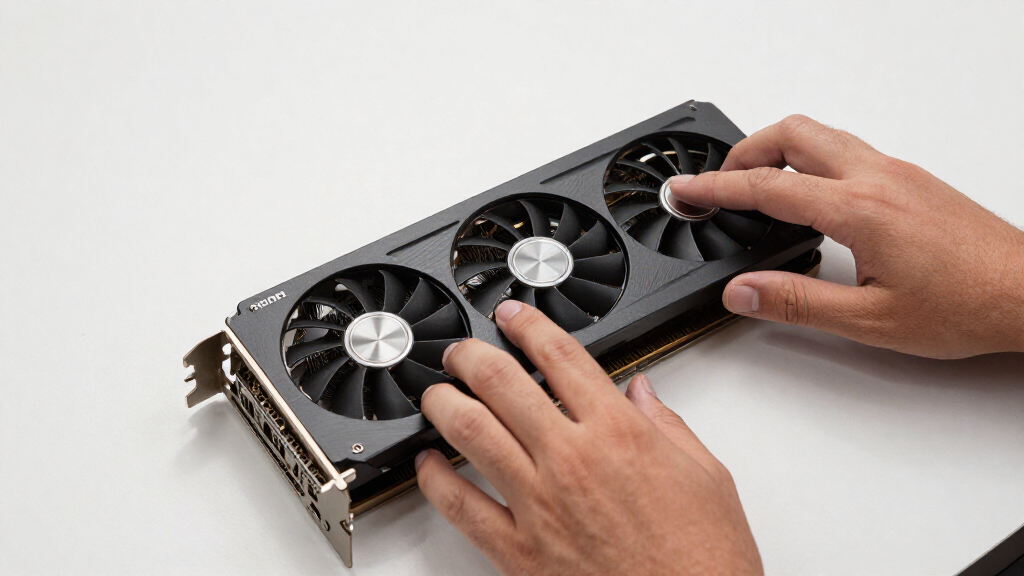
ChannelGate reports that AMD will increase the price of the combined GPU and GDDR6 memory set it supplies to graphics-card partners. Those partners add their own printed circuit boards and cooling systems before sending finished cards through retail channels. Because the GPU and memory make up a large portion of a card’s component procurement costs, higher bundle prices can put pressure on what partners pay to build each model.
The report says the adjustment is expected in November 2026, with any impact at retail likely to take several weeks to appear. That delay reflects the time it takes for board partners to receive components at the new rate and for affected finished cards to move through distribution. The timing does not establish that every retailer or every Radeon model will change its listed price at the same time.
ChannelGate also reportedly linked the planned increase to GDDR6 memory prices rising by about 8% to 10% in Q3. That figure refers to memory pricing in that quarter, not a confirmed increase in the total price of a graphics card. The available report does not specify AMD’s new bundle price, whether the change applies equally across products, or how much of any added cost partners may pass on to buyers.
RX 9000 prices may rise after component costs climb
A supply-chain report says AMD plans to raise GPU and GDDR6 bundle prices for board partners. Any effect on store prices remains unconfirmed.
What the report says
ChannelGate’s supply-chain report describes a planned component price increase, not a confirmed retail change.
The reported change concerns GPU-and-GDDR6 sets sold to board partners.
Partners add their own circuit boards and cooling systems.
Any retail impact could take several weeks to appear.
What shoppers know
The memory figure does not tell buyers how much a finished card might cost.
- GDDR6 prices rose about 8–10% in Q3, according to the report.
- RX 9000 cards are singled out as a possible retail impact.
- AMD has not publicly confirmed the bundle increase.
- No retail increase, amount, or affected models have been announced.
Why store prices may vary
A component cost change is only one factor in a finished card’s price.
GPU and memory
Higher bundle costs could raise what partners pay to build each model.
Card design
Board and cooling choices also shape a card’s costs.
Market conditions
Distribution, stock age, supply, demand, and seller pricing can affect checkout prices.
What to watch next
Evidence of revised component pricing or higher-cost deliveries would clarify whether the reported change is taking effect.
- Look for confirmation from AMD or its board partners.
- Watch for retail changes as inventory turns over.
- Treat a change at one store as a market signal, not proof of its cause.
Potential Pressure on RX 9000 Prices
If the reported increase takes effect and partners pass some of the added cost through, shoppers could pay more for Radeon cards bought after existing inventory turns over. The RX 9000 series is singled out in the report because its availability is described as better than that of earlier-generation Radeon GPUs. Wider availability may make the series easier to find, but it would not prevent prices from responding to higher component costs.
The distinction between a supplier price increase and a retail price increase matters. AMD’s reported adjustment concerns the GPU-and-memory bundle sold to partners; retail prices also reflect board design, cooling, distribution, retailer pricing, and supply and demand. The reported 8% to 10% memory increase cannot be treated as an equivalent increase in full-card prices. Buyers therefore do not yet have a confirmed percentage or date for any change at checkout.
Popular right now

TCL 55-Inch T7 Series 4K QLED Smart Google TV, 55T7

KitchenAid Classic Series 4.5-Quart Tilt-Head Stand Mixer, Onyx Black

De'Longhi La Specialista Touch Semi-Automatic Espresso Machine with Grinder
As an affiliate, we earn on qualifying purchases.
From Component Costs to Store Prices
AMD’s board partners do not sell the GPU bundle as a finished graphics card. They use the supplied processor and memory with their own PCB and cooler designs, then ship completed products to retailers. Changes to the cost of major components can affect partner purchasing costs, while other manufacturing and sales expenses also shape a card’s final price.
The report describes this as a change to AMD’s GPU-plus-memory bundle, rather than a confirmed price revision announced by retailers. It also places the potential adjustment in November, following a reported rise in GDDR6 costs during Q3. The interval between a component price change and a visible retail adjustment means old and new pricing could coexist while inventory moves through the channel.
“AMD is going to increase the price of its GPU + GDDR6 memory set in November.”
— ChannelGate, as cited in Wccftech’s report
The Size of Any Retail Increase
AMD’s plans remain unconfirmed in the information available, and the report gives no revised component price list or official company statement. It is also unclear which specific GPU and memory configurations would be covered, whether all board partners would receive the same terms, and whether the change would apply uniformly across regions.
There is no confirmed estimate of how much RX 9000 cards might cost more, or whether partners and retailers will pass on the full added component cost. The reported 8% to 10% figure applies to GDDR6 memory prices in Q3; it is not a stated forecast for the price of a GPU bundle or a finished graphics card. Retail changes, if they occur, could vary by model, stock age, market, and seller.
Watch for November Supply Changes
The next indication would be confirmation of revised bundle pricing or reports from board partners that new AMD components are arriving at higher rates. If the reported timing holds, the first possible retail effects would follow as those components are made into cards and move through distribution, a process ChannelGate’s account suggests could take several weeks.
Until AMD, its partners, or retailers provide concrete prices, shoppers should treat a near-term RX 9000 increase as a reported possibility, not a confirmed price change. Listings and availability may provide evidence of market movement, but a change in a particular store’s price alone would not establish that AMD’s reported bundle adjustment caused it.
Source: Wccftech
Key Questions
Has AMD confirmed a November GPU price increase?
No. The expected increase is attributed to ChannelGate’s supply-chain reporting; the information provided does not include public confirmation from AMD.
Which graphics cards could be affected?
The report says the increase could affect Radeon cards broadly and calls out the Radeon RX 9000 series. It does not identify specific models or say that every card will change price.
How much could RX 9000 cards cost more?
No retail increase has been quantified. The reported 8% to 10% rise concerns GDDR6 memory prices in Q3, not the total price of a graphics card.
When might shoppers see higher prices?
If the reported November component adjustment happens, retail effects may take several weeks to appear as partners build cards with higher-cost components and inventory moves through stores.
Source: Wccftech