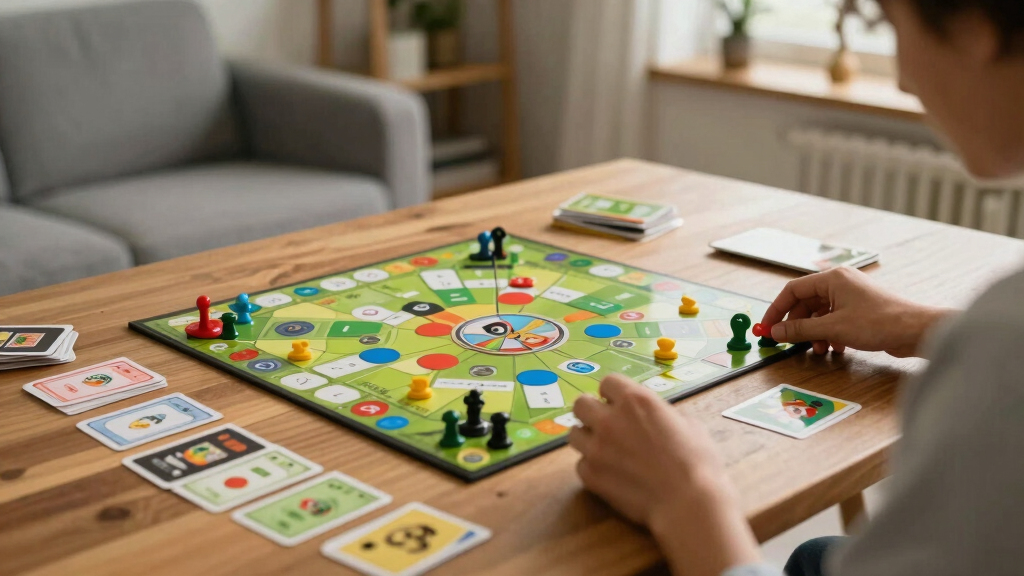

The best board games combine easy entry, meaningful choices, and strong replay value, but the right pick depends on who will gather around the table. I rank CGE Codenames Board Game (2nd Edition) as the best overall because its flexible team play and compact rules suit more occasions than the longer or more specialized alternatives. Azul is my premium strategy pick for players who prefer thoughtful competition, while UNO remains the accessible choice for low-cost, quick entertainment. The main tradeoffs are strategy versus luck, conversation versus concentration, and immediate accessibility versus depth across repeated sessions. Continue reading for my full breakdown of which game fits each type of player and gathering.
Complete the kit


Key Takeaways
- Codenames takes the top position because it balances social interaction, deduction, replayability, and manageable rules better than the more specialized games.
- Azul offers the strongest premium experience, while Splendor provides gentler engine-building and Catan asks for more time, negotiation, and tolerance for direct competition.
- Yahtzee and UNO lead on value, though their greater dependence on chance gives regular groups less strategic depth than Azul or Splendor.
- Wavelength suits conversational adult parties, Hues and Cues works better across mixed ages, and TAPPLE is the sharper option for short, energetic word rounds.
- Sequence is the easiest broad-audience starting point, while Sorry! makes more sense when younger children matter more than adult replay value.


| board game | Players | Recommended Age | Game Type |
|---|---|---|---|
| CGE Codenames Board Game | 4+ | 4+ | Party word association |
| Catan Board Game | 3–4 | 10+ | — |
| Hues and Cues | 3–10 | 8+ | — |
| Sequence | 2–12 | 7+ | — |
| Hasbro Gaming Yahtzee Game | 2 or more | 8+ | Dice and scorecard game |
| Mattel Games UNO Card Game for | 2 to 10 | 7+ | Card game |
| Asmodee Splendor Board Game | 2 to 4 | 10+ | Engine-building strategy game |
| CMYK Wavelength: The Mind Read | 2+ | — | Team party game |
| USAOPOLY The Original TAPPLE | 2 to 8 | 8+ | Timed word game |
| Azul Board Game | 2 to 4 | 8+ | Tile-drafting strategy game |
| Sorry! Board Game for Kids Age | — | — | Family race board game |
More Details on Our Top Picks
CGE Codenames Board Game (2nd Edition)
I rank Codenames 2nd Edition first because its simple clue-giving framework creates high player interaction without demanding a long setup or dense rules. Compared with Hues and Cues, it rewards more deliberate word association and team coordination; compared with Catan, it accommodates larger gatherings and finishes with less commitment. The 5×5 grid gives spymasters room for clever connections, while the assassin card makes every ambitious clue risky. That balance of accessibility, tension, and replay value gives it the broadest appeal here. The tradeoff is that four or more players works best, and mismatched vocabularies can leave younger players behind. It also invites table debate, so I would choose Sequence instead for groups that dislike verbal competition.
Pros:- One-word clues encourage creative connections and coordinated team play
- Supports larger gatherings more naturally than many strategy games
- Assassin card adds meaningful risk to every round
- Second edition refreshes the words, artwork, components, and rulebook
Cons:- Does not reach its full potential with fewer than four players
- Vocabulary gaps can create uneven teams
- Competitive clue discussions may frustrate quieter or younger players
Best for: Families, friend groups, and party hosts who regularly gather four or more confident readers for team-based wordplay
Not ideal for: Couples, very young children, or conflict-averse groups who may dislike team pressure and disputed clue interpretations
- Players:4+
- Recommended Age:4+
- Edition:2nd Edition
- Game Type:Party word association
- Play Format:Two competing teams
- Grid:5 × 5 word cards
- Clue Format:One word plus a number
- Updated Content:Words, artwork, components, and rulebook
Our verdict“This is my strongest all-purpose recommendation for groups that want quick rules, lively discussion, and lasting replay value.”
Catan Board Game (6th Edition)
Catan 6th Edition is my strategy pick for players who want negotiation to shape the board rather than happen between turns. Its modular island changes resource access from game to game, and trading lets players recover from weak production through persuasion. That produces more layered decisions than Sequence or Yahtzee, while remaining easier to approach than many hobby strategy games. I place it below Codenames for general appeal because it needs three or four committed players, takes 60–90 minutes, and can slow when trades stall. Random dice rolls may also undercut careful plans, while an early lead can become difficult to challenge. Still, for families ready to move beyond lighter classics, its blend of building, bargaining, and modular replay value is hard to match.
Pros:- Modular hex board changes resource layouts between sessions
- Trading creates direct negotiation and shifting player relationships
- Resource management supports several paths toward expansion
- Offers more strategic depth than lighter family games such as Sequence
Cons:- New players need time to absorb the building and trading rules
- Dice rolls can punish sound planning or reward fortunate players
- Sessions may drag when trading slows or one player falls behind
Best for: Families and friend groups with three or four players who want an hour-long game built around trading, resource management, and competing plans
Not ideal for: Short-attention-span groups or players who dislike negotiation, dice-driven setbacks, and sessions lasting up to 90 minutes
- Players:3–4
- Recommended Age:10+
- Playtime:60–90 minutes
- Edition:6th Edition
- Board Design:Modular hexagonal island
- Core Actions:Gather, trade, build, and expand
- Included Cards:Resource cards
- Included Pieces:Game pieces and modular board
Our verdict“I recommend Catan to groups ready for a longer, more competitive game where negotiation matters as much as board planning.”
Hues and Cues – Vibrant Color Guessing Board Game for 3-10 Players Ages 8+
I give Hues and Cues the creative-party slot because it turns color perception into an easy social guessing challenge. A clue such as “avocado” may send ten players toward very different greens, making the reveal more conversational than confrontational. Compared with Codenames, it relies less on vocabulary and team tactics, while its 3–10-player range fits parties better than Catan. The 480-color board also gives short clues plenty of room for interpretation, so rounds rarely feel identical. Yet color-vision differences can create a genuine barrier, and vague associations may feel arbitrary to players who prefer firm logic. I also find Codenames the stronger repeat choice for highly competitive groups. This pick earns its place through inclusive, low-pressure interaction, not deep strategy.
Pros:- Accommodates three to ten players without requiring teams
- A 480-color board creates varied clue interpretations
- One- or two-word clues keep turns quick and approachable
- Encourages conversation without the heavier competition of Codenames
Cons:- Color-vision differences can make play inaccessible or uneven
- Subjective clues may feel arbitrary to logic-driven players
- Offers less strategic depth than Codenames or Catan
Best for: Creative families and party groups of three to ten who enjoy subjective clues, visual association, and relaxed conversation
Not ideal for: Players with color-vision limitations or strategy-focused groups that want precise deductions and firm control over outcomes
- Brand:USAOPOLY
- Players:3–10
- Recommended Age:8+
- Genre:Creative color guessing
- Colors on Board:480
- Color Cards:100
- Player Pieces:30
- Language Edition:English
- Included Components:Game board, cards, pieces, rulebook, and scoring frame
Our verdict“This is my party recommendation for groups that value playful interpretation and visual creativity over tactical depth.”
Sequence – Original Game with Folding Board, Cards, and Chips by Jax
Sequence is my choice for mixed-age tables because card matching makes the first turn understandable, while chip placement still rewards blocking and planning. Its 2–12-player flexibility covers couples, families, and team gatherings more readily than Catan or Hues and Cues. Compared with Yahtzee, players interact directly by claiming spaces and disrupting opposing rows, which gives each card more purpose than a private dice roll. The folding board also stores more easily than its 19.75-by-15.25-inch playing surface suggests. That accessibility comes with a ceiling: repeated plays can expose familiar placement patterns, and the card draw sometimes dictates the best move. Managing 135 loose chips is another burden. I rank it below the leaders because broad accessibility outweighs depth, but that is exactly why varied-age households may prefer it.
Pros:- Works with two players or team gatherings of up to twelve
- Card matching makes the core rules accessible from age seven
- Blocking opponents adds more direct interaction than Yahtzee
- Folding board reduces the storage footprint
Cons:- Repeated sessions can reveal a limited range of tactical patterns
- Card draws may leave players with few meaningful choices
- The 135 loose chips require careful storage and handling
Best for: Households that need one game to serve children, adults, couples, and larger teams without a lengthy rules lesson
Not ideal for: Frequent hobby gamers seeking evolving strategy, or homes where numerous loose cards and chips are likely to disappear
- Players:2–12
- Recommended Age:7+
- Board Size:19.75 × 15.25 inches
- Board Format:Folding
- Card Size:2.25 × 3.5 inches
- Total Chips:135
- Chip Colors:50 green, 50 blue, 35 red
- Winning Pattern:Five chips in a row
Our verdict“I would pick Sequence for a varied-age household that values flexible player counts and accessible competition over deep strategy.”
Hasbro Gaming Yahtzee Game
I include Hasbro Gaming Yahtzee as the budget-friendly classic because five dice and a scorecard produce meaningful push-your-luck choices with very little setup. Players must decide whether to protect a modest combination or chase a full house, straight, or Yahtzee, giving each turn a clear risk calculation. Compared with Sequence, it needs less table space and fewer components; compared with Catan, it is much easier to teach and fit into a short family evening. Its weakness is limited player interaction: most decisions affect only the active player’s score, and unlucky rolls can overpower careful category management. New players may also need help reading the scorecard. It cannot match Codenames for lively group conversation, but simple portability and familiar rules make it a dependable low-cost choice.
Pros:- Minimal setup makes it easy to start and pack away
- Push-your-luck decisions give simple dice rolls strategic weight
- Compact components suit travel and small tables
- Supports any group size from two players upward
Cons:- Luck can overwhelm careful scorecard planning
- Players have little ability to affect one another
- Scoring categories require explanation for first-time players
Best for: Budget-conscious families and casual players who want a compact, quick-to-start game for two or more people
Not ideal for: Groups seeking direct competition, rich conversation, or enough strategic variety for frequent back-to-back sessions
- Players:2 or more
- Recommended Age:8+
- Game Type:Dice and scorecard game
- Core Action:Shake, roll, and score
- Scoring Focus:Dice combinations
- Example Combinations:Straights, full houses, and Yahtzee
- Play Format:Individual scoring
Our verdict“Yahtzee is my value pick for buyers who want an inexpensive, portable classic and accept luck as the main source of drama.”
Mattel Games UNO Card Game for Kids, Adults & Families
I rank UNO as the best family classic because its color-and-number matching rules accommodate children, adults, and mixed-age groups without a lengthy explanation. Unlike Splendor or Azul, it asks for little strategic planning, so occasional players can join without feeling behind. The special graphic symbols also provide meaningful color-blind accessibility, while three blank Wild Cards let families add house rules. UNO works with up to 10 players, giving it broader group flexibility than Tapple or Codenames. That accessibility comes with tradeoffs: luck can outweigh good decisions, rule disputes may arise around homemade cards, and rounds can run longer than expected when action cards pile up. I place it below more strategic choices because its appeal rests on familiarity and social chaos, not depth.
Pros:- Graphic symbols make color matching accessible to color-blind players
- Three blank Wild Cards support customizable family rules
- Accommodates groups ranging from 2 to 10 players
- Simple matching system is approachable for mixed-age gatherings
Cons:- Luck and action-card swings can overshadow player decisions
- Round length varies and may stretch with larger groups
- Small cards can be awkward for younger children to hold and manage
Best for: Mixed-age families and casual groups that want familiar rules and support for as many as 10 players
Not ideal for: Strategy-focused players who want careful planning, predictable session lengths, or strong control over outcomes
- Game Type:Card game
- Players:2 to 10
- Recommended Age:7+
- Core Mechanic:Color and number matching
- Custom Cards:3 blank Wild Cards
- Accessibility:Color-blind accessible graphic symbols
Our verdict“I recommend UNO for families seeking an inclusive, instantly recognizable game that favors lively interaction over strategic depth.”
Asmodee Splendor Board Game – Gem Trading & Engine-Building Strategy for Adults & Families
Splendor is my gateway-strategy pick because collecting gems and buying development cards creates a clear sense of progress without the negotiation or longer setup associated with Catan. Its 30-minute format makes repeated plays realistic, and the engine-building system introduces resource planning in manageable steps. Compared with Azul, Splendor is less spatial and more focused on building purchasing power across several turns; that makes it better for players who enjoy efficiency puzzles. It does not claim the top spot because the theme feels fairly abstract, and experienced hobby gamers may exhaust its strategic range sooner than they would with heavier games. The four-player limit also makes it less flexible than UNO or Wavelength. Still, I see a strong bridge between casual and strategic play here.
Pros:- Clear rules introduce engine building without a steep learning curve
- Thirty-minute sessions fit weeknights and allow rematches
- Multiple purchasing paths support repeat play
- Works for both two-player and small family sessions
Cons:- Limited to four players
- Renaissance commerce theme can feel detached from the mechanics
- Strategic range may feel narrow to experienced gamers
Best for: Families and casual adults ready to move from luck-driven games into short, approachable engine-building strategy
Not ideal for: Groups larger than four or experienced hobby gamers seeking complex player interaction and multi-layered strategy
- Game Type:Engine-building strategy game
- Players:2 to 4
- Recommended Age:10+
- Playtime:30 minutes
- Theme:Renaissance commerce
- Core Mechanisms:Gem collection, development purchasing, and prestige scoring
Our verdict“I recommend Splendor as a polished first strategy game for buyers who want more planning than UNO without Catan’s longer commitment.”
CMYK Wavelength: The Mind Reading Party Game
I give Wavelength the party-game role because it turns subjective clues into group discussion, making personalities and disagreements part of the entertainment. Codenames rewards precise word association, while Wavelength leaves more room for playful arguments about where an idea belongs on a spectrum. Its one-minute learning time and five-second setup also make it easier to introduce after guests arrive. Although the box lists two or more players, the format is strongest with a talkative group; pairs and reserved players may find the exchanges thin. Repeated sessions can also expose familiar clue patterns, reducing surprise. I rank it above Hues and Cues for teams that prefer conversation over color perception, but below more structured strategy games for replay depth. This is a social centerpiece rather than a tactical contest.
Pros:- Spectrum-based clues spark conversation and friendly debate
- One-minute teaching time welcomes mixed-experience groups
- Five-second setup keeps party downtime low
- Open-ended team format can accommodate large gatherings
Cons:- Two-player games lack the energy of larger teams
- Recurring clue styles may feel repetitive across frequent sessions
- Enjoyment depends heavily on players being comfortable speaking up
Best for: Talkative party groups and team events where subjective clues and lively discussion are the main attraction
Not ideal for: Quiet pairs or strategy gamers who prefer individual control, objective answers, and evolving tactical choices
- Game Type:Team party game
- Players:2+
- Setup Time:5 seconds
- Learning Time:1 minute
- Playtime:30 minutes
- Core Mechanic:Clue placement on a hidden spectrum
Our verdict“I recommend Wavelength for sociable groups that want conversation-led play rather than a tightly competitive board game.”
USAOPOLY The Original TAPPLE – Fast-Paced Family Word Board Game for Ages 8 and Up
Tapple is my pick for rapid wordplay, using a built-in timer and letter wheel to create immediate pressure without score sheets or a large board. Compared with Codenames, it rewards fast recall rather than careful clue construction, so a full game can fit into 15 to 20 minutes. The self-contained wheel stores the category cards, making it more portable than Azul or Sequence. That speed can also divide a group: younger players, non-native English speakers, and anyone who freezes under a countdown may struggle to contribute equally. Its two-to-eight-player range is useful but cannot match UNO or Wavelength for very large gatherings. Category familiarity may eventually reduce variety as well. I rank it highly for short, energetic family sessions, though its pressure-driven format is less universally welcoming than slower games.
Pros:- Built-in timer creates energetic turns with little administration
- Portable wheel stores the included category cards
- Short sessions work well as an opener or quick rematch
- Category prompts exercise vocabulary and rapid recall
Cons:- Time pressure can disadvantage slower thinkers and developing readers
- Eight-player ceiling is restrictive for bigger parties
- Thirty-six category cards may become familiar after frequent play
Best for: Families with confident readers who want a portable, 15-minute word game built around quick recall
Not ideal for: Players who need extra response time, including younger readers and mixed-language groups, because the timer can create an uneven contest
- Game Type:Timed word game
- Players:2 to 8
- Recommended Age:8+
- Typical Playtime:15 to 20 minutes
- Included Cards:36 category cards
- Game Unit:Portable Tapple wheel with built-in timer and card storage
- Model Year:2022
- Model Number:TL097-000-002100-06
Our verdict“I recommend Tapple for quick-thinking families who value portable, high-energy wordplay and do not mind timer pressure.”
Azul Board Game – Mosaic Pattern Placement & Beautiful Art, Award-Winning Strategy for Adults & Families
I place Azul first overall because it balances approachable rules, meaningful choices, and tactile presentation more evenly than the other games here. Drafting tiles creates direct competition without Catan’s negotiation, while pattern placement offers more spatial tension than Splendor’s card-driven engine. It also scales cleanly from two to four players, giving couples and small families a consistent experience. The colorful components make board state easy to read, yet every attractive tile can become a penalty if it does not fit. That blend earned the game the 2018 Spiel des Jahres and supports repeat play through changing tile availability. Azul is not suited to large groups, and hobby gamers seeking long campaigns or layered powers may find its 30-to-45-minute structure light. Even so, its broad appeal carries fewer compromises than the alternatives.
Pros:- Tile drafting combines accessible rules with consequential decisions
- High-quality mosaic pieces give the game strong table presence
- Player interaction remains engaging from two to four players
- Changing tile draws support varied tactical puzzles
Cons:- Four-player maximum excludes larger family gatherings
- Mistakes can create punishing scoring swings for newer players
- Mechanics may feel too light for experienced heavy-game groups
Best for: Couples and small families seeking an attractive strategy game with accessible rules and enough interaction for repeat sessions
Not ideal for: Groups of five or more and heavy-strategy fans who want long sessions, asymmetric powers, or complex narrative systems
- Game Type:Tile-drafting strategy game
- Players:2 to 4
- Recommended Age:8+
- Playtime:30 to 45 minutes
- Theme:Portuguese mosaic art
- Core Mechanisms:Tile selection, pattern placement, and set scoring
- Award:2018 Spiel des Jahres
Our verdict“I recommend Azul as the best all-around choice for small groups that want attractive components, quick teaching, and lasting strategic tension.”
Sorry! Board Game for Kids Ages 6 and Up
I rank Sorry! as the best classic choice for younger kids because its race-to-home objective is easy to grasp, while sending rival pawns back to start adds lively conflict. Compared with Catan or Azul, it asks for less planning and works better when children are still learning turn-taking and simple tactical choices. The four pawns per player create small decisions about which piece to move, giving families more interaction than a purely solitary race. The compromise is limited control: card draws can overturn a strong position, and repeated setbacks may frustrate sensitive players. It can also feel repetitive beside the shifting clues of Codenames or the faster pace of UNO. I would choose it for an accessible family tradition, not for a group seeking deep strategy or broad player support.
Pros:- Simple race-to-home goal is approachable for children ages 6 and up
- Pawn-bumping mechanic creates direct interaction between players
- Four pawns per player allow basic tactical choices
- Classic format suits multigenerational family game nights
Cons:- Card draws give luck more influence than long-term planning
- Repeated trips back to start can frustrate younger or conflict-averse players
- Two-to-four-player limit excludes larger family groups
Best for: Families with children ages 6 and up who want a familiar, easy-to-teach game built around turn-taking and playful competition
Not ideal for: Strategy-focused groups or gatherings with more than four players, since card luck drives many outcomes and the player count is limited
- Game Type:Family race board game
- Number of Players:2-4
- Minimum Age:6 years
- Audience:Kids and adults
- Pawns per Player:4
- Core Mechanism:Card-driven pawn movement
- Objective:Move all pawns to the home space
- Player Interaction:Send opponents’ pawns back to start
Our verdict“I recommend Sorry! for families seeking an approachable first competitive board game, provided they are comfortable with high luck and frequent setbacks.”
How We Picked
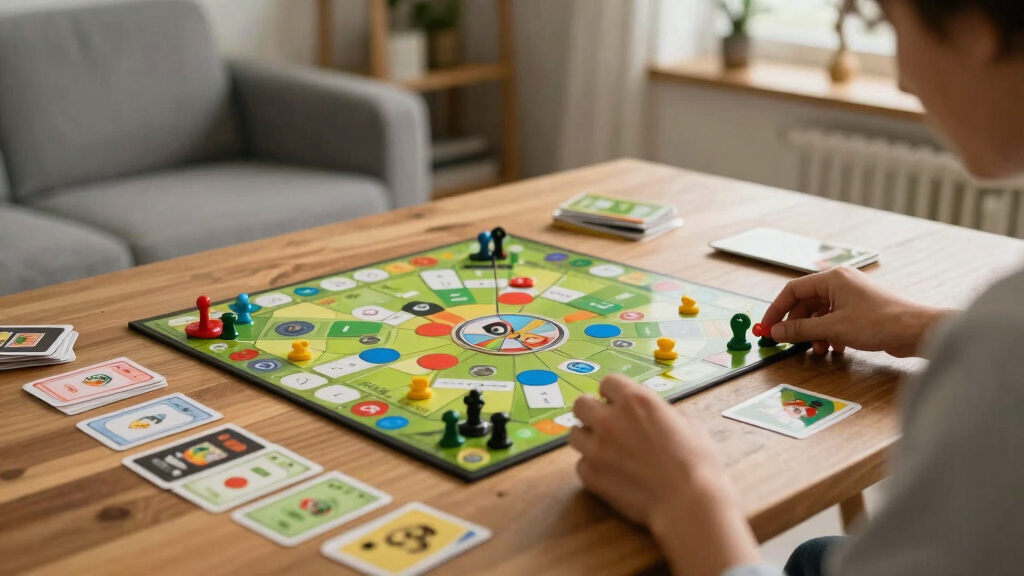
I ranked these games around how easily they reach the table, not simply how many mechanisms or components they include. My main criteria were rules accessibility, decision quality, player interaction, replay value, session length, and audience flexibility. I also weighed how well each design handles mixed experience levels, since a clever game has limited value if one person must teach it for half an hour. Price mattered, but I treated value per likely play as more useful than the lowest purchase price.
The highest positions went to games that can serve several occasions without losing their identity. Codenames leads because it combines broad social appeal with real deduction, whereas Azul ranks highly through refined strategy and physical presentation but asks for a more focused table. UNO and Yahtzee score well for accessibility and low commitment, yet their luck and repetition keep them below games with richer decisions. More audience-specific choices, including Wavelength, TAPPLE, and Sorry!, remain worthwhile but rank lower because their ideal setting is narrower.
Factors to Consider When Choosing Best Board Games
I would choose a board game by starting with the people and occasion, then working backward to mechanics, price, and presentation. A celebrated strategy game can become a poor purchase if the group wants conversation, while a simple card game may disappoint players seeking decisions that improve with practice. The factors below help separate a game that merely sounds appealing from one that will actually return to the table.
Match the Game to the Group’s Preferred Interaction
The first split is between games that create conversation and games that reward quiet planning. Party designs rely on clues, associations, or rapid responses, so their success depends heavily on the group being willing to perform or speak up. Strategy games give players more control, but pauses between turns can frustrate a lively social gathering. Traditional family games often sit between those poles, using enough luck to keep skill gaps from deciding every session. I would also check whether the group enjoys direct interference, because blocking, stealing, and negotiation can feel playful to one table and hostile to another. Choosing the desired social mood is more useful than choosing by theme alone, since interaction style shapes the entire evening.
Use the Realistic Player Count, Not the Box Maximum
A printed player range rarely tells the whole story. Many games technically support two players but become more dynamic with four, while some large-group titles create long waits once every available seat is filled. I would buy for the number that appears most often, using occasional guests as a secondary concern. Team games can handle crowds efficiently, although uneven teams may leave quieter players with less influence. For couples, tight turns and meaningful two-player choices matter more than a generous maximum count. Families with changing attendance benefit from scalable rules and limited downtime, while dedicated groups can accept narrower player requirements in exchange for deeper play.
Account for Setup, Teaching, and Total Table Time
Box playtime often leaves out setup, explanation, and cleanup. A 45-minute game can occupy twice that window when several players are learning, making it a poor fit for spontaneous weeknights. I place extra value on rules that can be taught while playing, especially for households that frequently introduce new guests. Longer games earn their space when decisions develop across the session, but length caused by repeated procedures or slow turns is harder to justify. Storage also affects use: a small box near the dining table is more likely to appear than a component-heavy game stored elsewhere. The best practical purchase is often the one with the lowest friction before the first turn, even if another game offers more depth.
Choose the Right Balance of Luck and Player Control
Luck is not automatically a weakness; it can keep mixed-skill groups competitive and create stories that calculated play cannot. Too much randomness, however, makes repeated sessions feel interchangeable and can leave careful choices unrewarded. Low-luck strategy games favor players who enjoy learning patterns, which may widen the gap between newcomers and regulars. A useful middle ground gives players imperfect information or random inputs, then asks them to make worthwhile decisions with what they receive. Parents may prefer more chance when younger children join, while hobby groups usually benefit from greater control and several viable paths. I would avoid equating complexity with strategy, since extra rules can add workload without adding better decisions.
Judge Value by Replayability, Not Component Count
Large boards, trays, and sculpted pieces raise cost, but they do not guarantee lasting appeal. Replay value comes from variable decisions, changing opponents, and different outcomes rather than the number of items in the box. Social games can remain fresh through the personalities at the table, while abstract strategy games rely on systems that reveal more with practice. Content-driven games may feel exciting early and then lose variety once familiar prompts or patterns repeat. I would pay more for durable components and a design suited to frequent play, but not for decoration that makes storage or setup harder. A modest game played monthly offers better value than a premium box opened once, so purchase price should be divided mentally by likely sessions.
Frequently Asked Questions
Which Game Is the Safest Choice for a Mixed-Age Family?
I would choose Sequence for the broadest mixed-age table because its card matching and board placement are easier to grasp than the strategic systems in Catan, Azul, or Splendor. It gives adults enough tactical choice without asking children to follow long explanations. Luck also prevents experienced players from controlling every round, although it can frustrate anyone who wants full agency. If the youngest players are around early elementary age, Sorry! offers an easier starting point but has less staying power for adults. Families comfortable with word clues can move to Codenames once everyone can contribute confidently.
Should I Buy Codenames or Wavelength for Parties?
I favor Codenames for competitive teams and repeat play, especially when guests enjoy word association and deduction. Wavelength is better when the goal is conversation, because its spectrum clues encourage players to explain how they think rather than search for one precise answer. Codenames can place pressure on the clue-giver, while Wavelength asks more of the whole group’s willingness to debate subjective ideas. Neither is ideal for guests who dislike speaking in front of others. For a regular game group I would buy Codenames first; for a casual adult gathering, Wavelength creates the looser social atmosphere.
Which Strategy Game Is Best: Catan, Splendor, or Azul?
I recommend Azul for focused tactical play, Splendor for an approachable engine-building path, and Catan for negotiation-driven sessions. Azul offers the cleanest decisions but can feel unforgiving when opponents take the tiles another player needs. Splendor is easier to repeat and less confrontational, though its theme and early turns may feel subdued. Catan produces the most table talk and dramatic swings, but it also takes longer and can leave a blocked player struggling to recover. Buyers who dislike bargaining should choose Azul or Splendor, while groups that treat negotiation as the main entertainment will get more from Catan.
Is UNO or Yahtzee the Better Budget Game?
I would pick UNO for larger groups and faster rounds, since players can join with little explanation and the cards travel easily. Yahtzee works better for quieter sessions, small groups, or players who enjoy weighing probability before committing dice. Both depend heavily on luck, but Yahtzee gives each player more control over how a turn develops. UNO creates more direct reversals and playful targeting, which can either energize a gathering or cause arguments over house rules. If portability and broad recognition lead the decision, choose UNO; if independent choices matter more, Yahtzee is the stronger value.
Do I Need Different Games for Two Players and Large Groups?
Usually, yes, because two-player tension and large-group energy require different structures. Azul and Splendor retain meaningful choices with two players, while party games lose much of their appeal without enough voices or teams. Codenames, Wavelength, and Hues and Cues make more sense when several people can contribute, though each handles participation differently. Trying to buy one game for every count often leads to a compromise that feels merely adequate in each setting. I would build a small library around actual attendance: one focused two-player option, one flexible family game, and one party pick cover more situations than a single all-purpose box.
Conclusion
For most buyers, Codenames is my best overall recommendation because it combines approachable rules, flexible team play, and enough deduction to reward repeat sessions. Yahtzee is the best value for buyers who prefer individual choices on a small budget, while Azul is the best premium pick for polished components and sharper tactical play. Beginners should start with Sequence, or choose Sorry! when younger children are the main audience. Wavelength fits conversational adult parties, Hues and Cues serves larger mixed-age gatherings, and TAPPLE is the better choice for quick word play. Catan suits groups that enjoy bargaining and longer sessions, while Splendor gives strategy fans a calmer, more accessible engine-building game.