The best RTX gaming laptops balance graphics performance, screen quality, and cooling without asking you to carry more laptop than you need. My best overall pick is the MSI Vector 16 HX AI, whose RTX 5080, 240Hz QHD+ display, 32GB of memory, and 2TB SSD make it the strongest all-around high-end option in this lineup. For a slimmer, less demanding alternative, the Acer Nitro V 16S AI pairs an RTX 5060 with a fast 180Hz screen, while the Lenovo Legion 5 with OLED suits buyers who put image quality first. The main tradeoffs are graphics headroom versus portability, premium displays versus cost, and newer RTX tiers versus entry-level systems with less memory. Read on for the full breakdown, ranking logic, and advice on matching a laptop to your games and budget.

Play games on Amazon Luna for your game nights, included with Prime
- A rotating selection of games, no download needed
- Play on TV, laptop or phone
- Fast, free delivery for your gear, too
Complete the kit

Key Takeaways
- The MSI Vector 16 HX AI leads for high-end performance: its RTX 5080 is paired with a QHD+ 240Hz screen, 32GB RAM, and a 2TB SSD, a more complete setup than the other RTX 5080 pick.
- The ROG Strix G16 RTX 5080 is the high-refresh alternative: its 2.5K 300Hz display favors games where very high frame rates matter, while the Vector’s larger SSD and 240Hz panel make it the more rounded configuration.
- RTX 5060 models form the practical middle: the Alienware 16X Aurora, Acer Nitro V 16S AI, and Legion 5a all target this tier, but differ in screen format, memory, and portability.
- OLED is a meaningful differentiator in the Legion options: the Legion 5 with RTX 5070 combines an OLED screen with a stronger graphics tier than the RTX 5060 Legion 5a.
- Some listed configurations are entry-level or lower-generation choices: the HP Victus RTX 3050 and Acer Nitro V RTX 4050 have less graphics headroom than the RTX 5060 and above, and the Victus’s 8GB RAM is a particular limitation.
| Alienware 16X Aurora Gaming Laptop, 16-inch WQXGA 240Hz, Intel Core Ultra HX, NVIDIA GeForce RTX 5060 |  | Best RTX 5060 Display | Display: 16-inch OLED, 2560 × 1600, 240Hz, 500 nits, matte finish | Processor: Intel Core Ultra HX, Series 2 | Graphics: NVIDIA GeForce RTX 5060 Laptop GPU, 8GB GDDR7 | VIEW LATEST PRICE | See Our Full Breakdown |
| ASUS ROG Strix G16 (2025) 16-Inch Gaming Laptop |  | Best Overall Performance | Model: G615LR-AS96 | Display: 16-inch ROG Nebula, 16:10, 2.5K, 240Hz, 3ms | Processor: Intel Core Ultra 9 275HX | VIEW LATEST PRICE | See Our Full Breakdown |
| ASUS ROG Strix G18 (2025) 18-Inch Gaming Laptop, Core i9-14900HX, RTX 5070, 32GB RAM, 1TB SSD |  | Best Large-Screen Option | Display: 18-inch, 144Hz, 3ms; resolution listed as both 2560 × 1600 and 1920 × 1200 | Processor: Intel Core i9-14900HX | Graphics: RTX 5070 in title and description; RTX 5060 in product details | VIEW LATEST PRICE | See Our Full Breakdown |
| Lenovo Legion 5a Gaming Laptop, Ryzen 7 250, GeForce RTX 5060, 15.3-inch OLED Display, 32GB RAM, 1TB SSD, with Portable 500GB Drive |  | Best RTX 5060 Value Configuration | Processor: AMD Ryzen 7 250, 8 cores, 16 threads, up to 5.1GHz | Graphics: NVIDIA GeForce RTX 5060, 8GB GDDR7 | Display: 15.3-inch WQXGA OLED, 2560 × 1600, 165Hz | VIEW LATEST PRICE | See Our Full Breakdown |
| Alienware 16 Aurora Gaming Laptop, RTX 5060, Intel Core 7 240H | 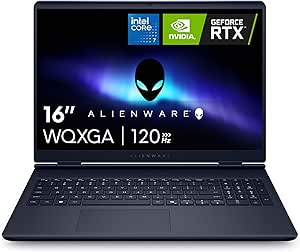 | Best Entry-Level Alienware | Display: 16-inch WQXGA, 2560 × 1600, 16:10, 120Hz, 300 nits | Processor: Intel Core 7 240H | Graphics: NVIDIA GeForce RTX 5060 | VIEW LATEST PRICE | See Our Full Breakdown |
| ASUS ROG Strix G16 (2025) 16-Inch Gaming Laptop |  | Best for Cooling on an RTX 5060 | Model: G615JMR-AS74 | Display: 16-inch FHD+ 16:10, 165Hz, 3ms | Processor: Intel Core i7-14650HX | VIEW LATEST PRICE | See Our Full Breakdown |
| Lenovo Legion 5 15.3-Inch OLED Gaming Laptop, Intel Core Ultra 9 275HX, GeForce RTX 5070 |  | Best OLED RTX 5070 Pick | Processor: Intel Core Ultra 9 275HX, 24 cores, up to 5.4GHz | Graphics: NVIDIA GeForce RTX 5070, 8GB GDDR7 | Display: 15.3-inch OLED, 2560 × 1600, 165Hz, up to 1000 nits | VIEW LATEST PRICE | See Our Full Breakdown |
| ASUS ROG Strix G16 Gaming Laptop, 16-inch 2.5K 300Hz Display, Intel Core Ultra 9, NVIDIA GeForce RTX 5080, 32GB DDR5, 1TB SSD |  | Best High-Performance RTX Pick | Model: G615LW-AB96 | Processor: Intel Core Ultra 9 290HX Plus (listed in specifications) | Graphics: NVIDIA GeForce RTX 5080 Laptop GPU, 16GB GDDR7 | VIEW LATEST PRICE | See Our Full Breakdown |
| Acer Nitro V 16S AI Gaming Laptop, 16-inch WUXGA 180Hz, Ryzen 7 260, RTX 5060, 32GB DDR5, 1TB SSD |  | Best RTX 5060 Value Configuration | Model: ANV16S-41-R2AJ | Processor: AMD Ryzen 7 260 | Graphics: NVIDIA GeForce RTX 5060 Laptop GPU | VIEW LATEST PRICE | See Our Full Breakdown |
| HP Victus 15 Gaming Laptop, 15.6-inch FHD Display, Intel Core i5-12500H, NVIDIA GeForce RTX 3050, 8 GB RAM, 512 GB SSD |  | Best Entry-Level RTX Option | Model: 15-fa0025nr (2022) | Processor: 12th Gen Intel Core i5-12500H | Graphics: NVIDIA GeForce RTX 3050 | VIEW LATEST PRICE | See Our Full Breakdown |
| Acer Nitro V 15 Gaming Laptop |  | Best RTX 4050 Pick | Processor: Intel Core i7-13620H | Graphics: NVIDIA GeForce RTX 4050 Laptop GPU, 6GB GDDR6 | Display: 15.6-inch Full HD IPS, 1920 × 1080, 165Hz, matte | VIEW LATEST PRICE | See Our Full Breakdown |
| MSI Katana 15 HX 15.6-Inch QHD+ 165Hz Gaming Laptop |  | Best for CPU-Heavy Gaming | Processor: Intel Core i9-14900HX, 24-core | Graphics: NVIDIA GeForce RTX 5070, 8GB GDDR7 | Display: 15.6-inch QHD+, 2560 × 1600, 165Hz | VIEW LATEST PRICE | See Our Full Breakdown |
| MSI Cyborg 17 17.3-Inch FHD 144Hz Gaming Laptop |  | Best for Big-Screen Gaming | Processor: Intel Core 7-240H | Graphics: NVIDIA GeForce RTX 5060, 8GB GDDR7 | Display: 17.3-inch Full HD, 1920 × 1080, 144Hz, matte | VIEW LATEST PRICE | See Our Full Breakdown |
| GIGABYTE Gaming A16 16-Inch Laptop |  | Best for Memory-Heavy Multitasking | Processor: Intel Core i7-13620H | Graphics: NVIDIA GeForce RTX 5070 Laptop GPU, 8GB GDDR7 | Display: 16-inch IPS WUXGA, 1920 × 1200, 165Hz, matte | VIEW LATEST PRICE | See Our Full Breakdown |
| MSI Vector 16 HX AI Gaming Laptop |  | Best Premium RTX Performance | Processor: Intel Core Ultra 9 275HX, 24-core | Graphics: NVIDIA GeForce RTX 5080, 16GB | Display: 16-inch IPS QHD+, 2560 × 1600, 240Hz | VIEW LATEST PRICE | See Our Full Breakdown |
| RTX gaming laptop | Display | Processor | Graphics | Memory |
|---|---|---|---|---|
| Alienware 16X Aurora Gaming La | 16-inch OLED, 2560 × 1600, 240Hz, 500 nits, matte finish | Intel Core Ultra HX, Series 2 | NVIDIA GeForce RTX 5060 Laptop GPU, 8GB GDDR7 | Not specified |
| ASUS ROG Strix G16 | 16-inch ROG Nebula, 16:10, 2.5K, 240Hz, 3ms | Intel Core Ultra 9 275HX | NVIDIA GeForce RTX 5070 Ti Laptop GPU | 32GB DDR5-5600MHz |
| ASUS ROG Strix G18 | 18-inch, 144Hz, 3ms; resolution listed as both 2560 × 1600 and 1920 × 1200 | Intel Core i9-14900HX | RTX 5070 in title and description; RTX 5060 in product details | 32GB DDR5-5600 |
| Lenovo Legion 5a Gaming Laptop | 15.3-inch WQXGA OLED, 2560 × 1600, 165Hz | AMD Ryzen 7 250, 8 cores, 16 threads, up to 5.1GHz | NVIDIA GeForce RTX 5060, 8GB GDDR7 | 32GB DDR5 |
| Alienware 16 Aurora Gaming Lap | 16-inch WQXGA, 2560 × 1600, 16:10, 120Hz, 300 nits | Intel Core 7 240H | NVIDIA GeForce RTX 5060 | 16GB DDR5-5600MHz; maximum 32GB |
| ASUS ROG Strix G16 | 16-inch FHD+ 16:10, 165Hz, 3ms | Intel Core i7-14650HX | NVIDIA GeForce RTX 5060 Laptop GPU | 16GB DDR5-5600MHz |
| Lenovo Legion 5 15.3-Inch OLED | 15.3-inch OLED, 2560 × 1600, 165Hz, up to 1000 nits | Intel Core Ultra 9 275HX, 24 cores, up to 5.4GHz | NVIDIA GeForce RTX 5070, 8GB GDDR7 | 32GB DDR5-4800, expandable to 64GB |
| ASUS ROG Strix G16 Gaming Lapt | 16-inch, 2560 × 1600, listed as 300Hz in description and specifications | Intel Core Ultra 9 290HX Plus (listed in specifications) | NVIDIA GeForce RTX 5080 Laptop GPU, 16GB GDDR7 | 32GB DDR5-5600MHz |
| Acer Nitro V 16S AI Gaming Lap | 16-inch WUXGA IPS, 1920 × 1200, 180Hz, 100% sRGB | AMD Ryzen 7 260 | NVIDIA GeForce RTX 5060 Laptop GPU | 32GB DDR5-5600MHz; maximum 32GB |
| HP Victus 15 Gaming Laptop | 15.6-inch LED IPS, 1920 × 1080 | 12th Gen Intel Core i5-12500H | NVIDIA GeForce RTX 3050 | 8GB |
| Acer Nitro V 15 Gaming Laptop | 15.6-inch Full HD IPS, 1920 × 1080, 165Hz, matte | Intel Core i7-13620H | NVIDIA GeForce RTX 4050 Laptop GPU, 6GB GDDR6 | 16GB DDR5; 2 slots, maximum 32GB |
| MSI Katana 15 HX 15.6-Inch QHD | 15.6-inch QHD+, 2560 × 1600, 165Hz | Intel Core i9-14900HX, 24-core | NVIDIA GeForce RTX 5070, 8GB GDDR7 | 32GB DDR5 |
| MSI Cyborg 17 17.3-Inch FHD 14 | 17.3-inch Full HD, 1920 × 1080, 144Hz, matte | Intel Core 7-240H | NVIDIA GeForce RTX 5060, 8GB GDDR7 | 16GB DDR5 |
| GIGABYTE Gaming A16 16-Inch La | 16-inch IPS WUXGA, 1920 × 1200, 165Hz, matte | Intel Core i7-13620H | NVIDIA GeForce RTX 5070 Laptop GPU, 8GB GDDR7 | 32GB DDR5 5200MHz |
| MSI Vector 16 HX AI Gaming Lap | 16-inch IPS QHD+, 2560 × 1600, 240Hz | Intel Core Ultra 9 275HX, 24-core | NVIDIA GeForce RTX 5080, 16GB | 32GB DDR5 |
More Details on Our Top Picks
Alienware 16X Aurora Gaming Laptop, 16-inch WQXGA 240Hz, Intel Core Ultra HX, NVIDIA GeForce RTX 5060
I’d pick the Alienware 16X Aurora for players who want a sharp, fast screen without moving up to an RTX 5070 Ti system. Its 16-inch 2560 × 1600 OLED panel at 240Hz gives fast-paced games room for fluid motion while keeping detail crisp; the ASUS ROG Strix G18 offers a larger screen, but its listed refresh rate is lower at 144Hz. Alienware Cryo-tech cooling and a useful set of ports, including Thunderbolt 4 and Ethernet, round out a gaming-focused setup. The tradeoffs are its 5.9-pound weight and unlisted memory capacity, which makes it harder to judge how much multitasking headroom comes in the box. I’d choose it for its display, not for portability or the strongest graphics tier.
Pros:- 16-inch OLED panel combines 2560 × 1600 resolution with a 240Hz refresh rate
- RTX 5060 Laptop GPU has 8GB of GDDR7 memory
- Cryo-tech cooling is designed for gaming workloads
- Thunderbolt 4, HDMI, Ethernet, and four USB ports offer flexible connections
Cons:- At 5.9 pounds, it is a substantial load for regular commuting
- Memory capacity is not specified, making the out-of-box configuration unclear
- RTX 5060 graphics sit below the RTX 5070 Ti in the ASUS ROG Strix G16
Best for: Players who prioritize a high-refresh-rate OLED screen for competitive games and want an RTX 5060 laptop with a full-size port selection.
Not ideal for: Frequent travelers and buyers who need confirmed memory capacity before choosing; it weighs 5.9 pounds and the listed memory is unspecified.
- Display:16-inch OLED, 2560 × 1600, 240Hz, 500 nits, matte finish
- Processor:Intel Core Ultra HX, Series 2
- Graphics:NVIDIA GeForce RTX 5060 Laptop GPU, 8GB GDDR7
- Memory:Not specified
- Storage:1TB SSD
- Wireless:Wi-Fi 7, Bluetooth 5.4
- Weight:5.9 pounds
- Operating system:Windows 11 Home
Our verdict“Choose this Alienware if its 240Hz OLED display matters more to you than a lighter chassis or a higher graphics tier.”
ASUS ROG Strix G16 (2025) 16-Inch Gaming Laptop
The ASUS ROG Strix G16 earns my performance-focused lead with an RTX 5070 Ti Laptop GPU, a Core Ultra 9 275HX, and 32GB of DDR5 memory. That combination gives it a stronger graphics and memory foundation than the RTX 5060 Alienware 16X Aurora, while its 16-inch 2.5K display still runs at 240Hz with a 3ms response time. The 1TB PCIe Gen 4 SSD provides room for a game library, and the vapor chamber, tri-fan design, and liquid metal cooling are built for sustained gaming loads. This is a more performance-oriented choice than the RTX 5060 Legion 5a, but it is not automatically the better fit for everyone: battery life is not specified, and the listed details favor a gaming setup over portability.
Pros:- RTX 5070 Ti Laptop GPU offers a higher graphics tier than the RTX 5060 models here
- Core Ultra 9 275HX and 32GB DDR5 suit demanding games and multitasking
- 240Hz display with 3ms response time supports responsive play
- Vapor chamber, tri-fan cooling, and liquid metal are designed for heavy loads
Cons:- Battery life is not specified in the product details
- Its performance-focused configuration may be more than needed for casual or lighter gaming
- The 1TB SSD offers less listed capacity than the 2TB drive in the MSI Vector 16 HX AI
Best for: Gamers who want a high-end 16-inch RTX laptop with an RTX 5070 Ti, ample memory, and a fast display for competitive play.
Not ideal for: Buyers who need verified battery-life figures or who would rather prioritize a smaller, lighter laptop than graphics performance.
- Model:G615LR-AS96
- Display:16-inch ROG Nebula, 16:10, 2.5K, 240Hz, 3ms
- Processor:Intel Core Ultra 9 275HX
- Graphics:NVIDIA GeForce RTX 5070 Ti Laptop GPU
- Memory:32GB DDR5-5600MHz
- Storage:1TB PCIe Gen 4 SSD
- Cooling:Vapor chamber, tri-fan technology, Conductonaut Extreme liquid metal
- Wireless:Wi-Fi 7
Our verdict“Pick the ROG Strix G16 if you want the strongest clearly specified graphics configuration in this batch without stepping up to an RTX 5080 laptop.”
ASUS ROG Strix G18 (2025) 18-Inch Gaming Laptop, Core i9-14900HX, RTX 5070, 32GB RAM, 1TB SSD
The ROG Strix G18 is the pick for buyers who want an expansive gaming display and are comfortable treating this as a desk-first laptop. Its 18-inch screen is larger than the 16-inch panels on the ROG Strix G16 and Alienware 16X Aurora, and the listed 144Hz refresh rate remains suited to fast games. A Core i9-14900HX, 32GB of DDR5, and a 1TB SSD make a capable foundation, while the vapor chamber and three fans are intended to manage demanding sessions. I’d rank it below the G16 for confidence in the configuration: the listing conflicts on both GPU (RTX 5070 versus RTX 5060) and display resolution, and its listed 10-pound weight limits portability. Buyers should verify those specs before choosing.
Pros:- 18-inch display offers more screen area than the 16-inch models in this batch
- 32GB DDR5 memory and a 1TB PCIe 4.0 SSD are specified
- Vapor chamber and three-fan cooling are included
- Tool-free RAM and SSD access can make upgrades easier
Cons:- Graphics listing conflicts between RTX 5070 and RTX 5060
- Display resolution is listed as both 2560 × 1600 and 1920 × 1200
- Listed weight of 10 pounds makes it a poor choice for regular travel
Best for: Desk-based gamers who prefer a larger built-in screen and want 32GB of memory for gaming alongside other demanding tasks.
Not ideal for: Travelers or buyers who need a confirmed GPU and display resolution before purchase; the listing gives conflicting specifications and lists a 10-pound weight.
- Display:18-inch, 144Hz, 3ms; resolution listed as both 2560 × 1600 and 1920 × 1200
- Processor:Intel Core i9-14900HX
- Graphics:RTX 5070 in title and description; RTX 5060 in product details
- Memory:32GB DDR5-5600
- Storage:1TB PCIe Gen 4 SSD
- Weight:10 pounds
- Battery:90Wh lithium-ion
- Operating system:Windows 11 Home
Our verdict“Choose the G18 for a larger, mostly stationary gaming setup only if you can confirm its GPU and screen resolution with the seller.”
Lenovo Legion 5a Gaming Laptop, Ryzen 7 250, GeForce RTX 5060, 15.3-inch OLED Display, 32GB RAM, 1TB SSD, with Portable 500GB Drive
The Lenovo Legion 5a stands out among the RTX 5060 choices by pairing its GPU with 32GB of DDR5 memory, a 1TB SSD, and an included portable 500GB drive. That gives buyers a more complete storage and memory setup than the Alienware 16 Aurora, whose listed memory is 16GB, and avoids the uncertainty around the 16X Aurora’s unspecified memory. Its 15.3-inch WQXGA OLED screen runs at 165Hz, a lower refresh rate than the 240Hz Alienware 16X Aurora, but the 100% DCI-P3 coverage suits visually rich games and creative work. The tradeoff is a roughly five-pound chassis that is not especially light for its screen size; battery runtime also varies with use.
Pros:- RTX 5060 has 8GB of GDDR7 memory
- 32GB DDR5 memory and a 1TB SSD provide a strong ready-to-use base
- 15.3-inch WQXGA OLED offers 165Hz and 100% DCI-P3 color coverage
- Includes a separate portable 500GB drive
Cons:- 165Hz is slower than the 240Hz screen on the Alienware 16X Aurora
- Approximately five-pound weight is substantial for frequent travel
- Battery runtime varies with workload and use
Best for: Gamers and creators who want an RTX 5060 system with 32GB of memory, an OLED screen, and extra portable storage included.
Not ideal for: Competitive players who prioritize the highest listed refresh rate, or frequent travelers seeking a particularly light laptop.
- Processor:AMD Ryzen 7 250, 8 cores, 16 threads, up to 5.1GHz
- Graphics:NVIDIA GeForce RTX 5060, 8GB GDDR7
- Display:15.3-inch WQXGA OLED, 2560 × 1600, 165Hz
- Memory:32GB DDR5
- Storage:1TB SSD
- Included portable drive:500GB
- Wireless:Wi-Fi 7, Bluetooth 5.4
- Weight:Approximately 5 pounds
Our verdict“Choose the Legion 5a if you want a well-equipped RTX 5060 laptop for both gaming and creative work, rather than the fastest refresh rate in the group.”
Alienware 16 Aurora Gaming Laptop, RTX 5060, Intel Core 7 240H
The Alienware 16 Aurora is the more straightforward entry point to Alienware’s RTX 5060 lineup: it pairs the GPU with an Intel Core 7 240H, 16GB of DDR5, and a 1TB SSD. Its 16-inch WQXGA display at 120Hz offers more resolution than a basic Full HD panel, though it is less fluid than the 240Hz screen on the Alienware 16X Aurora. The Cryo-Chamber cooling design and backlit keyboard add gaming-focused features, while the 5.5-pound weight makes it a substantial carry. The main compromise is the 16GB of installed memory, with a listed maximum of 32GB; the Legion 5a ships with 32GB already. I’d choose this Alienware when the brand and screen format appeal, but not for the fastest refresh rate or highest out-of-box memory.
Pros:- RTX 5060 graphics paired with a 1TB SSD
- 16-inch WQXGA resolution provides more screen detail than Full HD
- Cryo-Chamber cooling design is built for gaming sessions
- Backlit keyboard includes a numeric keypad
Cons:- 16GB installed memory is less than the 32GB in the Lenovo Legion 5a
- 120Hz refresh rate trails the 240Hz Alienware 16X Aurora
- At 5.5 pounds, it is not a light everyday carry
Best for: Gamers who want an Alienware RTX 5060 laptop with a high-resolution 16-inch screen and are comfortable starting with 16GB of memory.
Not ideal for: Buyers who want 32GB installed from the start, or competitive players who prefer a 165Hz or 240Hz display.
- Display:16-inch WQXGA, 2560 × 1600, 16:10, 120Hz, 300 nits
- Processor:Intel Core 7 240H
- Graphics:NVIDIA GeForce RTX 5060
- Memory:16GB DDR5-5600MHz; maximum 32GB
- Storage:1TB SSD
- Weight:5.5 pounds
- Cooling:Cryo-Chamber design
- Operating system:Windows 11 Home
Our verdict“Pick this model if you want Alienware branding and WQXGA resolution at a 120Hz refresh rate, and do not need 32GB of memory out of the box.”
ASUS ROG Strix G16 (2025) 16-Inch Gaming Laptop
The ROG Strix G16 pairs an RTX 5060 with an i7-14650HX and a 165Hz FHD+ screen, a sensible mix for buyers who value responsive play over a higher-resolution panel. Its vapor chamber, three fans, and liquid metal cooling give this configuration a more elaborate thermal setup than the Acer Nitro V 16S AI, which offers more memory but a lower-specified cooling design. The 1TB Gen 4 SSD also gives a useful starting point for a game library, while Wi-Fi 7 adds newer wireless support. The tradeoff is its 16GB of RAM, which leaves less room for heavy multitasking than the Nitro’s 32GB or the Lenovo Legion 5’s 32GB. This Strix makes the most sense for gaming-first buyers who want advanced cooling, not for creators who routinely keep many demanding apps open.
Pros:- RTX 5060 Laptop GPU supports DLSS 4 and Max-Q technologies
- 165Hz FHD+ 16:10 display supports smooth gameplay
- Vapor chamber, tri-fan cooling, and liquid metal thermal design
- 1TB PCIe Gen 4 SSD and Wi-Fi 7
Cons:- 16GB RAM can constrain demanding multitasking compared with 32GB alternatives
- FHD+ resolution is less detailed than the QHD+ screens on the Legion 5 and higher-end Strix G16
Best for: Gaming-focused buyers who want an RTX 5060, a high-refresh display, and an advanced cooling system in a 16-inch laptop.
Not ideal for: Players who stream, edit, or multitask heavily and want 32GB of memory without upgrading.
- Model:G615JMR-AS74
- Display:16-inch FHD+ 16:10, 165Hz, 3ms
- Processor:Intel Core i7-14650HX
- Graphics:NVIDIA GeForce RTX 5060 Laptop GPU
- Memory:16GB DDR5-5600MHz
- Storage:1TB PCIe Gen 4 SSD
- Wireless:Wi-Fi 7
- Cooling:Vapor chamber, tri-fan technology, Conductonaut Extreme liquid metal
Our verdict“Choose this Strix if cooling and smooth RTX 5060 gaming matter more to you than a higher-resolution screen or 32GB of RAM.”
Lenovo Legion 5 15.3-Inch OLED Gaming Laptop, Intel Core Ultra 9 275HX, GeForce RTX 5070
The Legion 5 is the display-focused step up from RTX 5060 laptops such as the Acer Nitro V 16S AI: it combines RTX 5070 graphics with a 2560 × 1600 OLED panel, so games get both stronger graphics hardware and sharper, high-contrast presentation. Its 165Hz refresh rate suits fast play, while 32GB of RAM gives multitaskers more breathing room than the ASUS ROG Strix G16 with 16GB. The 15.3-inch format and listed 4.1-pound weight also make it a more portable choice than the larger Strix G16 models. There are tradeoffs: the RTX 5070 has 8GB of GDDR7, and the supplied details do not state battery runtime. Buyers who prioritize raw graphics hardware over OLED image quality may prefer the RTX 5080 Strix G16, but that is a different performance tier.
Pros:- 2560 × 1600 OLED display with a 165Hz refresh rate
- RTX 5070 graphics with 8GB GDDR7
- 32GB DDR5 memory, expandable to 64GB
- Useful port selection including HDMI, Ethernet, and two USB-C ports
Cons:- RTX 5070’s 8GB graphics memory is less than the 16GB listed for the RTX 5080 Strix G16
- Battery runtime is not specified in the supplied product details
- Maximum memory capacity is 64GB
Best for: Gamers who want an OLED display, QHD+ detail, RTX 5070 graphics, and 32GB of memory in a relatively portable laptop.
Not ideal for: Buyers who need a stated battery-life target, extensive memory beyond 64GB, or the strongest graphics option in this group.
- Processor:Intel Core Ultra 9 275HX, 24 cores, up to 5.4GHz
- Graphics:NVIDIA GeForce RTX 5070, 8GB GDDR7
- Display:15.3-inch OLED, 2560 × 1600, 165Hz, up to 1000 nits
- Memory:32GB DDR5-4800, expandable to 64GB
- Storage:1TB SSD
- Battery:80Wh
- Wireless:Wi-Fi 7 and Bluetooth
- Weight:4.1 lbs
Our verdict“Pick the Legion 5 if OLED image quality and a balanced RTX 5070 configuration matter more than having the lineup’s highest-tier GPU.”
ASUS ROG Strix G16 Gaming Laptop, 16-inch 2.5K 300Hz Display, Intel Core Ultra 9, NVIDIA GeForce RTX 5080, 32GB DDR5, 1TB SSD
This is the graphics-first choice in this group: its RTX 5080 Laptop GPU with 16GB GDDR7 sits above the RTX 5070 in the Lenovo Legion 5 and the RTX 5060 options from Acer and ASUS. The 2560 × 1600 screen combines high resolution and a very high listed refresh rate, making it a better match for buyers who want both detailed visuals and fast motion. Dolby Vision HDR, anti-glare coating, and a 500-nit maximum brightness add flexibility across games and viewing conditions. The 32GB of memory, 1TB SSD, and tool-free access for upgrades round out a configuration built to stay useful as needs change. The main caution is listing inconsistency: refresh rates appear as both 240Hz and 300Hz, and processor naming also varies. I would verify the exact configuration before buying.
Pros:- RTX 5080 Laptop GPU with 16GB GDDR7
- 2560 × 1600 display with Dolby Vision HDR and anti-glare coating
- 32GB DDR5-5600 memory and 1TB PCIe Gen 4 SSD
- Tool-free access supports upgrades to memory, storage, and fans
Cons:- Refresh rate is inconsistent across the listing, with 240Hz and 300Hz both stated
- Processor model naming varies between the title and product details
- Its high-spec configuration is more than buyers seeking basic RTX gaming may need
Best for: Enthusiasts seeking an RTX 5080, a high-resolution high-refresh display, and accessible upgrade options for demanding games.
Not ideal for: Buyers who need fully consistent specifications before ordering or who would rather choose a lower graphics tier.
- Model:G615LW-AB96
- Processor:Intel Core Ultra 9 290HX Plus (listed in specifications)
- Graphics:NVIDIA GeForce RTX 5080 Laptop GPU, 16GB GDDR7
- Display:16-inch, 2560 × 1600, listed as 300Hz in description and specifications
- Memory:32GB DDR5-5600MHz
- Storage:1TB PCIe Gen 4 SSD
- Battery:90Wh
- Cooling:Vapor chamber, three fans, and liquid metal
Our verdict“Choose this Strix for the group’s strongest listed GPU and ambitious screen, but confirm the exact processor and refresh rate first.”
Acer Nitro V 16S AI Gaming Laptop, 16-inch WUXGA 180Hz, Ryzen 7 260, RTX 5060, 32GB DDR5, 1TB SSD
The Nitro V 16S AI gives budget-minded RTX buyers a practical feature mix: an RTX 5060, 32GB of DDR5, and a 1TB Gen 4 SSD without stepping up to the premium RTX 5070 or RTX 5080 class. Its 180Hz WUXGA screen is quicker than the 165Hz panel on the ASUS ROG Strix G16 with RTX 5060, and the stated 100% sRGB coverage makes it more appealing for gaming and color-aware everyday work. Compared with that ASUS, Acer supplies twice the memory, but its Wi-Fi 6 is older than Wi-Fi 7 and its memory is already at the stated 32GB maximum. One of two M.2 slots remains open for added storage, so expansion is possible without replacing the existing drive. This is a strong fit for buyers who want balanced specs, not extensive memory upgrades.
Pros:- RTX 5060 Laptop GPU supports DLSS 4
- 180Hz WUXGA IPS display with 100% sRGB coverage
- 32GB DDR5-5600 memory and 1TB PCIe Gen 4 SSD
- One of two M.2 slots is available for storage expansion
Cons:- 32GB is the stated maximum memory capacity
- Wi-Fi 6 is older than Wi-Fi 7 on the ASUS ROG Strix G16 and Lenovo Legion 5
- WUXGA resolution is lower than the QHD+ screens on the Lenovo Legion 5 and RTX 5080 Strix
Best for: RTX 5060 shoppers who want 32GB of memory, a 180Hz screen, and an open storage slot for future expansion.
Not ideal for: Buyers who require Wi-Fi 7, want to expand memory beyond 32GB, or prioritize a higher-resolution display.
- Model:ANV16S-41-R2AJ
- Processor:AMD Ryzen 7 260
- Graphics:NVIDIA GeForce RTX 5060 Laptop GPU
- Display:16-inch WUXGA IPS, 1920 × 1200, 180Hz, 100% sRGB
- Memory:32GB DDR5-5600MHz; maximum 32GB
- Storage:1TB PCIe Gen 4 SSD
- Wireless:Wi-Fi 6
- Expansion:Two DDR5 slots; two PCIe M.2 slots, one available
Our verdict“Choose the Nitro V 16S AI for an RTX 5060 system with generous included memory and storage, as long as its WUXGA resolution and 32GB memory ceiling suit you.”
HP Victus 15 Gaming Laptop, 15.6-inch FHD Display, Intel Core i5-12500H, NVIDIA GeForce RTX 3050, 8 GB RAM, 512 GB SSD
The Victus 15 is the entry point here, with an RTX 3050 rather than the RTX 5060, RTX 5070, or RTX 5080 graphics found in the other laptops in this batch. That puts it in a different performance class, but its 15.6-inch Full HD IPS screen and Core i5-12500H still provide a straightforward platform for buyers focused on lighter gaming and everyday tasks. The full-size backlit keyboard with a number pad is a practical touch, and the 512GB SSD provides less game-library space than the 1TB drives in the Acer Nitro V 16S AI and both Strix models. The biggest limitation is 8GB of RAM, which can restrict newer games and multitasking. Its Wi-Fi 5 and glossy screen also feel less current than the newer options, so this is best for buyers with modest needs.
Pros:- Dedicated NVIDIA GeForce RTX 3050 graphics
- 15.6-inch Full HD IPS display with 178-degree viewing angles
- Full-size backlit keyboard with numeric keypad
- 512GB SSD and Windows 11 Home
Cons:- 8GB RAM can limit demanding games and multitasking
- RTX 3050 is a lower graphics tier than the RTX 5060, RTX 5070, and RTX 5080 options here
- Glossy display can reflect surrounding light
Best for: First-time gaming-laptop buyers focused on lighter gaming and general use who are comfortable with an older RTX 3050 configuration.
Not ideal for: Players targeting demanding new games, heavy multitasking, or the higher graphics performance of the RTX 5060-and-up alternatives.
- Model:15-fa0025nr (2022)
- Processor:12th Gen Intel Core i5-12500H
- Graphics:NVIDIA GeForce RTX 3050
- Display:15.6-inch LED IPS, 1920 × 1080
- Memory:8GB
- Storage:512GB SSD
- Wireless:Wi-Fi 5 and Bluetooth 5.2
- Weight:2.29 kg
Our verdict“Pick the Victus 15 only if an entry-level RTX 3050 system fits your gaming needs better than the newer, higher-tier alternatives.”
Acer Nitro V 15 Gaming Laptop
The Acer Nitro V 15 is the lineup’s accessible entry to RTX gaming, pairing an RTX 4050 with a 165Hz Full HD screen. That combination suits players who prioritize responsive 1080p gaming over higher-resolution detail. Its 1TB SSD also leaves more room for a game library than a smaller boot drive would. Compared with the MSI Cyborg 17, this Acer is easier to fit into a typical desk setup, though it gives up the Cyborg’s newer RTX 5060 graphics and larger display. The i7-13620H and 16GB of memory cover everyday gaming and multitasking, while Thunderbolt 4 adds useful dock connectivity. The tradeoff is the RTX 4050’s lower graphics tier, and the memory ceiling of 32GB leaves less room for future upgrades than some buyers may want.
Pros:- RTX 4050 graphics provide dedicated GPU power for gaming
- 165Hz Full HD IPS display supports responsive play
- 1TB PCIe Gen 4 SSD provides useful game storage
- Thunderbolt 4, Wi-Fi 6, and Ethernet support flexible connections
Cons:- RTX 4050 is a lower graphics tier than the RTX 5060 and RTX 5070 options here
- Memory expansion is capped at 32GB
- Full HD resolution offers less workspace and detail than the QHD+ models
Best for: 1080p players seeking an RTX laptop with a high-refresh-rate screen, a roomy SSD, and a more manageable 15.6-inch format.
Not ideal for: Buyers who want stronger graphics for demanding games at higher resolutions or plan to expand memory beyond 32GB.
- Processor:Intel Core i7-13620H
- Graphics:NVIDIA GeForce RTX 4050 Laptop GPU, 6GB GDDR6
- Display:15.6-inch Full HD IPS, 1920 × 1080, 165Hz, matte
- Memory:16GB DDR5; 2 slots, maximum 32GB
- Storage:1TB PCIe Gen 4 SSD
- Connectivity:Wi-Fi 6, Bluetooth, Thunderbolt 4, HDMI, Ethernet
- Weight:4.7 pounds
- Operating system:Windows 11 Home
Our verdict“Choose the Nitro V 15 for straightforward 1080p RTX gaming; step up to the MSI Cyborg 17 if newer graphics matter more than a smaller screen.”
MSI Katana 15 HX 15.6-Inch QHD+ 165Hz Gaming Laptop
The Katana 15 HX suits buyers who want a powerful processor alongside newer RTX graphics. Its Core i9-14900HX and RTX 5070 make it a stronger fit for demanding games and heavy multitasking than the Acer Nitro V 15, while the QHD+ 165Hz display brings more workspace and detail than that Acer’s Full HD panel. The screen’s 100% DCI-P3 gamut also gives creative work a wider color range. MSI’s Cooler Boost 5 uses dual fans and five heat pipes, a design aimed at handling sustained workloads. The compromise is a five-pound chassis, and it carries only 1TB of storage compared with the MSI Vector 16 HX AI’s 2TB. Choose it for a fast, well-rounded 15.6-inch system, not a travel-light laptop or the highest-tier graphics in this group.
Pros:- RTX 5070 graphics with 8GB GDDR7
- 24-core Core i9-14900HX processor for demanding workloads
- QHD+ 165Hz display with 100% DCI-P3 color gamut
- Cooler Boost 5 design and Wi-Fi 6E connectivity
Cons:- Five-pound weight makes frequent carrying less convenient
- 1TB SSD provides less capacity than the MSI Vector 16 HX AI’s 2TB drive
- RTX 5070 sits below the RTX 5080 in the MSI Vector 16 HX AI
Best for: Gamers and multitaskers who want an RTX 5070, a high-end Intel processor, and a color-rich QHD+ screen in a 15.6-inch laptop.
Not ideal for: Frequent travelers seeking a light system, or buyers who want RTX 5080 graphics and more built-in storage.
- Processor:Intel Core i9-14900HX, 24-core
- Graphics:NVIDIA GeForce RTX 5070, 8GB GDDR7
- Display:15.6-inch QHD+, 2560 × 1600, 165Hz
- Color gamut:100% DCI-P3
- Memory:32GB DDR5
- Storage:1TB NVMe SSD
- Cooling:Cooler Boost 5, dual fans and five heat pipes
- Weight:5 pounds
Our verdict“Pick the Katana 15 HX for a fast processor and vivid QHD+ display, while the MSI Vector 16 HX AI is the better fit for buyers prioritizing RTX 5080 graphics and more storage.”
MSI Cyborg 17 17.3-Inch FHD 144Hz Gaming Laptop
The Cyborg 17 makes a larger gaming view its main draw: the 17.3-inch Full HD display gives games more screen area than the Acer Nitro V 15, while its RTX 5060 with 8GB GDDR7 is a step above that Acer’s RTX 4050. The 144Hz refresh rate still supports smooth motion, though it is below the Acer’s 165Hz and well below the MSI Vector 16 HX AI’s 240Hz. A 1TB SSD and Wi-Fi 6E make for a practical everyday setup, and the listed ports include USB-C, HDMI, and Ethernet. The larger panel comes with a portability cost: at 5.3 pounds, this is not the easiest choice for daily commuting. Its display is Full HD rather than QHD+, so buyers who want extra sharpness should look at the Katana 15 HX.
Pros:- 17.3-inch matte screen offers a larger viewing area
- RTX 5060 graphics with 8GB GDDR7
- 144Hz refresh rate supports responsive gaming
- 1TB NVMe SSD and Wi-Fi 6E
Cons:- 5.3-pound weight and large chassis are less convenient to carry
- Full HD panel has lower resolution than the MSI Katana 15 HX QHD+ screen
- 144Hz refresh rate is lower than the Acer Nitro V 15’s 165Hz
Best for: Players who prefer a roomy 17.3-inch view for gaming at a desk and want RTX 5060 graphics without moving to a QHD+ panel.
Not ideal for: Commuters who carry a laptop often, or buyers who prioritize QHD+ resolution and refresh rates above 144Hz.
- Processor:Intel Core 7-240H
- Graphics:NVIDIA GeForce RTX 5060, 8GB GDDR7
- Display:17.3-inch Full HD, 1920 × 1080, 144Hz, matte
- Memory:16GB DDR5
- Storage:1TB NVMe SSD
- Connectivity:Wi-Fi 6E, Bluetooth 5.3
- Ports:USB-C, USB-A, HDMI, RJ45
- Weight:5.3 pounds
Our verdict“Choose the Cyborg 17 if a large screen matters more than portability or QHD+ sharpness.”
GIGABYTE Gaming A16 16-Inch Laptop
The GIGABYTE Gaming A16 stands out for combining RTX 5070 graphics with 32GB of DDR5 memory in a 16-inch, 16:10 format. That memory capacity is double the MSI Cyborg 17’s listed 16GB, making the Gigabyte a more comfortable starting point for gaming alongside creative apps or many open tasks. Its 165Hz WUXGA screen provides a taller workspace than standard 16:9 Full HD, and the 180-degree hinge gives more flexibility for sharing the display. Compared with the MSI Katana 15 HX, it has the same RTX tier and refresh rate but a less demanding listed resolution. The main compromise is display color: 300 nits and 45% NTSC are limiting for color-sensitive work. At 4.9 pounds, it is substantial for regular travel as well.
Pros:- RTX 5070 Laptop GPU with 8GB GDDR7
- 32GB DDR5 memory suits heavier multitasking
- 16-inch 16:10 WUXGA display with a 165Hz refresh rate
- 180-degree hinge supports flexible screen positioning
Cons:- Display is listed at 300 nits and 45% NTSC, limiting color-sensitive creative work
- 4.9-pound weight is a burden for frequent travel
- WUXGA resolution is lower than the MSI Katana 15 HX’s QHD+ panel
Best for: Gamers who keep multiple applications open and want RTX 5070 graphics, 32GB memory, and a 16:10 screen for mixed work and play.
Not ideal for: Color-critical creators or frequent travelers seeking a light laptop with a wide-gamut display.
- Processor:Intel Core i7-13620H
- Graphics:NVIDIA GeForce RTX 5070 Laptop GPU, 8GB GDDR7
- Display:16-inch IPS WUXGA, 1920 × 1200, 165Hz, matte
- Display brightness and gamut:300 nits; 45% NTSC
- Memory:32GB DDR5 5200MHz
- Storage:1TB PCIe Gen4 NVMe M.2 SSD
- Hinge:180-degree hinge
- Weight:4.9 pounds
Our verdict“Choose the Gaming A16 for RTX 5070 performance and 32GB memory in a mixed-use 16-inch laptop, but skip it for color-critical display work.”
MSI Vector 16 HX AI Gaming Laptop
The MSI Vector 16 HX AI is the premium performance pick in this group, led by an RTX 5080 with 16GB and a QHD+ 240Hz display. Compared with the RTX 5070-powered MSI Katana 15 HX, it steps up both the graphics tier and refresh rate, making it the clearest fit for buyers who prioritize high-end gaming hardware. The 2TB SSD, 32GB of memory, Wi-Fi 7, and two Thunderbolt 5 ports also give it a strong foundation for a large game library and fast peripherals. Those features come in a hefty 5.95-pound chassis, heavier than every other laptop in this batch. Battery-life information is not provided, so I would not choose it for unplugged gaming expectations; it makes more sense as a powerful desktop replacement.
Pros:- RTX 5080 graphics with 16GB
- 16-inch QHD+ IPS display with a 240Hz refresh rate
- 32GB DDR5 memory and a 2TB SSD
- Two Thunderbolt 5 ports and Wi-Fi 7
Cons:- 5.95-pound weight makes it the least portable laptop in this batch
- Battery-life information is not provided
- Larger, heavier chassis is less practical for routine commuting than the MSI Katana 15 HX
Best for: Enthusiast gamers seeking RTX 5080 graphics, a fast QHD+ screen, and generous storage in a laptop that will mostly stay at a desk.
Not ideal for: Frequent travelers or buyers who need a lighter system and clear battery-life information.
- Processor:Intel Core Ultra 9 275HX, 24-core
- Graphics:NVIDIA GeForce RTX 5080, 16GB
- Display:16-inch IPS QHD+, 2560 × 1600, 240Hz
- Memory:32GB DDR5
- Storage:2TB SSD
- Operating system:Windows 11 Pro
- Connectivity:Wi-Fi 7, Bluetooth, 2 × Thunderbolt 5, HDMI 2.1, RJ45 Ethernet, SD Express card reader
- Battery:90Wh
- Weight:5.95 pounds
Our verdict“Pick the Vector 16 HX AI for the strongest listed graphics and fast QHD+ gaming, provided portability is secondary.”

How We Picked
I compared the listed configurations by how well their GPU tier, processor, memory, storage, and display work together for gaming. I gave stronger weight to newer and faster RTX graphics options, but also looked for enough RAM and storage to avoid a lopsided setup. Screen resolution and refresh rate mattered because they affect both image detail and the frame rates a laptop needs to drive. I also considered the practical differences between 15-, 16-, 17-, and 18-inch systems, along with whether a model’s stated configuration makes it a sensible everyday machine.
The ranking favors balanced gaming configurations over a single standout specification. That puts the MSI Vector 16 HX AI first for its RTX 5080 and well-matched memory, storage, and display; the ROG Strix G16 RTX 5080 follows for buyers who value a 300Hz panel. RTX 5070 and RTX 5060 laptops rank as more accessible performance choices, with OLED, screen size, and portability shaping their places. The RTX 4050 and RTX 3050 options sit lower because they offer less graphics headroom, and the Victus configuration also starts with just 8GB RAM. Where a product name covers multiple configurations or the supplied details omit specifications, I avoid treating unlisted features as confirmed advantages.
Factors to Consider When Choosing Best RTX Gaming Laptops
Choosing an RTX laptop means matching the entire system to your games and routine, not simply buying the highest GPU number. These broader checks can help you avoid paying for performance your screen cannot show or accepting a weak supporting configuration.
Match the GPU to Your Resolution and Games
Think about the resolution and visual settings you expect to use before choosing a graphics tier. Higher resolutions and demanding effects ask more of the GPU, while competitive games often reward stable high frame rates at less demanding settings. A fast display alone does not guarantee that every game will run at its maximum refresh rate. Check the graphics power limit and cooling details for the exact laptop configuration, since two laptops with the same GPU name can perform differently. If you play a mix of newer single-player games and esports titles, a balanced RTX 5060 or RTX 5070 system may fit better than paying extra for a top tier you rarely use. Keep some headroom for future games, but do not treat the GPU label as the whole performance story.
Choose a Display for the Workload, Not the Headline
A high refresh rate is most useful when your games can produce enough frames to make motion look smoother. QHD+ offers sharper detail than FHD or WUXGA, but it also places more load on the graphics system. OLED can provide rich contrast and vivid image quality, though buyers should check the specific panel’s brightness, finish, and warranty terms rather than assume all OLED screens are alike. For competitive play, prioritize refresh rate and response behavior; for cinematic games, resolution and contrast may matter more. Also check whether the screen size suits your desk and travel habits. Avoid paying for a very high refresh rate if your typical games and chosen graphics settings cannot take advantage of it.
Check Memory and Storage Before Comparing GPU Tiers
Memory affects multitasking and can limit a gaming laptop even when its GPU is capable. The 8GB configuration listed for the HP Victus is a clear reason to check upgrade options or choose a better-equipped model for modern gaming. For a new purchase, verify whether RAM is upgradeable, how many slots are available, and whether the stated capacity is installed as one or two modules. Storage needs depend on your game library: a larger SSD reduces the need to uninstall games, while an external drive is better suited to files that do not need fast access. Compare the actual included capacity rather than relying on a product family name, since listings can cover different configurations.
Treat Cooling and Power Limits as Part of Performance
A laptop’s GPU and processor need adequate cooling and electrical power to sustain demanding workloads. Chassis size can create room for cooling, but it also affects carrying weight and desk space; a large-screen model is not automatically faster than a well-configured smaller one. Look for independent measurements of sustained gaming performance, fan noise, and surface temperatures for the exact model and GPU configuration. A thin chassis may be easier to carry but can run louder or limit sustained output under long sessions. Read the manufacturer’s details for power profiles and ventilation, and plan to keep vents clear. A cooling pad can help airflow in some setups, but it cannot replace a well-designed laptop cooling system.
Balance Portability Against Screen Size and Connections
Screen size changes more than viewing comfort: larger laptops take up more room, and their power adapters add to the travel load. A 15- or 16-inch model is often easier to move between home, school, or work than a 17- or 18-inch system. Before buying, check the full port selection for your mouse, headset, external monitor, and storage devices. Confirm whether USB-C supports display output or charging if those functions matter to your setup. If the laptop will stay on a desk, a larger screen and stronger cooling may be worth the bulk. If you carry it daily, compare weight and charger size rather than judging portability from screen measurements alone.
Pay for the Upgrade You Will Actually Notice
Spend more when an upgrade changes your daily experience, such as moving to a stronger GPU for demanding games or choosing an OLED panel for image quality you value. A jump to a very high refresh rate brings less benefit if your games rarely reach those frame rates. Extra SSD capacity can be more useful than a small processor upgrade for someone with a large installed game library. Check the exact configuration and upgrade path before deciding that a lower-tier model is a bargain; a laptop with limited memory or storage can need immediate add-ons. Compare warranty coverage, return terms, and repair options as part of the purchase decision. The best fit is the configuration whose strengths match your actual use, not the one with the longest specification list.
Frequently Asked Questions
Is an RTX 5060 laptop enough for current PC games?
For many players, an RTX 5060 laptop is a sensible middle ground, especially when paired with adequate RAM and a 1080p-class or carefully tuned QHD display. The Acer Nitro V 16S AI and the two listed Alienware RTX 5060 configurations show how the same GPU tier can come in different screen and processor packages. Demanding games at high resolution and maximum settings may call for lowering a few graphics options or using supported upscaling features. Check independent performance results for the exact laptop, since cooling and GPU power limits affect sustained speed. If you want more headroom for demanding games, the RTX 5070 and RTX 5080 models in this roundup are stronger choices.
Should I choose an RTX 5080 laptop or an OLED RTX 5070 model?
Choose based on what you value more: graphics headroom or display character. The RTX 5080 options, including the MSI Vector 16 HX AI and ROG Strix G16, are better suited to buyers prioritizing demanding games and high frame rates. The Lenovo Legion 5 RTX 5070 gives up some GPU tier in exchange for an OLED screen that may better suit visually rich games and media. A faster GPU is not automatically the better purchase if the screen matters more to you or your games are not especially demanding. Compare the exact panel, GPU power limit, and configuration before deciding, since the product name alone does not answer those questions.
Is the HP Victus RTX 3050 a good choice for a first gaming laptop?
It may suit a beginner with modest expectations, older games, or a strict need for a basic dedicated gaming system, but its listed configuration has clear limits. The RTX 3050 offers less graphics headroom than the RTX 4050, RTX 5060, RTX 5070, and RTX 5080 choices in this roundup, and 8GB of RAM may constrain newer games and multitasking. Check whether the memory can be upgraded and what that would involve before buying. If you want a machine that can handle a broader range of current games without an immediate upgrade, an RTX 4050 or RTX 5060 option is a stronger starting point. Also verify the exact display and storage configuration in the listing.
Does a 300Hz gaming laptop screen make sense for most buyers?
A 300Hz panel is most useful for competitive players whose games can run at very high frame rates and who notice the benefits of extra motion clarity. It is less compelling for slower-paced games, where image quality, resolution, or contrast may matter more. The ROG Strix G16 RTX 5080 combines a 300Hz 2.5K screen with a high-end GPU, but not every game will make full use of that refresh rate at that resolution. A 240Hz QHD+ laptop such as the MSI Vector 16 HX AI still offers a fast screen while pairing it with substantial storage. Consider the games you play and the frame rates the laptop can sustain before treating 300Hz as a deciding factor.
What should I verify when a laptop listing has multiple configurations or an unclear model name?
Confirm the exact GPU, processor, memory capacity, SSD size, screen resolution, refresh rate, and operating system on the specific listing before ordering. Several names in this roundup cover product families or appear more than once, and details can vary between configurations. Check whether the GPU is listed with a power limit, and look for independent testing of that exact chassis where available. Verify memory and storage upgrade options, warranty terms, and port selection rather than assuming they match another version with a similar name. If a key specification is missing, ask the seller or manufacturer for confirmation instead of treating it as a feature.
Conclusion
For the strongest all-around high-end configuration, I recommend the MSI Vector 16 HX AI: its RTX 5080, QHD+ 240Hz display, 32GB RAM, and 2TB SSD make it my best overall pick. The best premium alternative for competitive players who want an especially fast panel is the ROG Strix G16 RTX 5080 with its 300Hz 2.5K display. For a more measured graphics tier, the best value direction is an RTX 5060 model such as the Acer Nitro V 16S AI, while the Lenovo Legion 5 RTX 5070 is my choice for buyers who put OLED image quality first. Beginners with modest gaming needs can look at the Acer Nitro V RTX 4050, but should treat the HP Victus RTX 3050’s 8GB RAM as a reason to check upgrade options carefully. For a large-screen setup, compare the 18-inch ROG Strix G18 and 17.3-inch MSI Cyborg 17 by their exact GPU configurations; if you want maximum graphics headroom in a more manageable 16-inch format, start with the Vector.
Halloween Picks
halloween
As an affiliate, we earn on qualifying purchases.