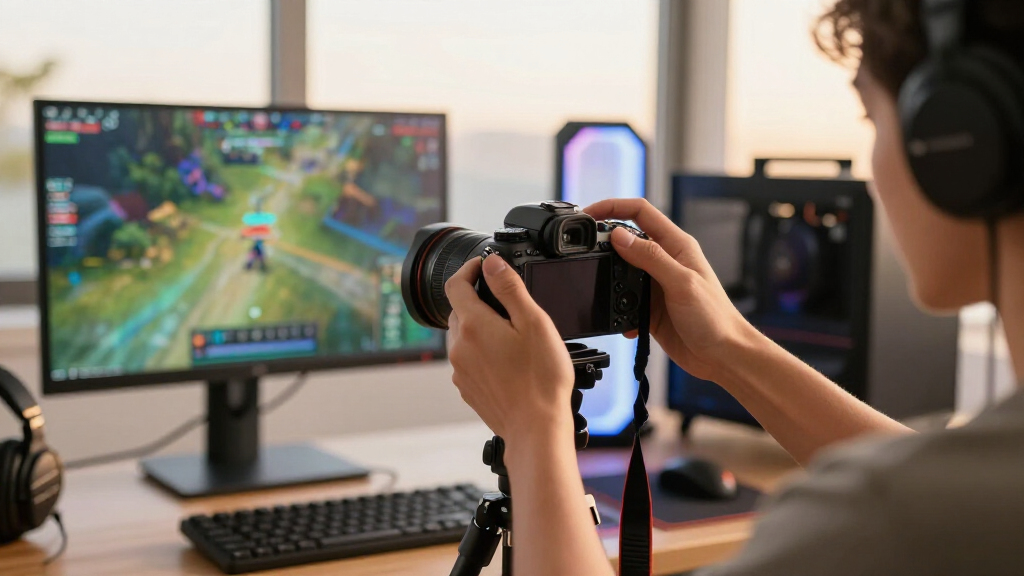
Finding the best mirrorless cameras for gaming streams involves balancing video quality, ease of use, and streaming features. The Sony Alpha 7 IV stands out as the top overall choice thanks to its excellent image quality and reliable autofocus, making it ideal for high-quality streams. The Canon EOS R50 offers a more budget-friendly option with solid 4K capabilities, while the Sony ZV-E10 provides a compact design with great vlogging features that suit streamers new to cameras. The main tradeoffs involve balancing cost against features like autofocus, video resolution, and connectivity. Continue reading for an in-depth breakdown of each option to help you find the perfect fit for your streaming setup.

Play games on Amazon Luna for your game nights, included with Prime
- A rotating selection of games, no download needed
- Play on TV, laptop or phone
- Fast, free delivery for your gear, too
Complete the kit


Key Takeaways
- The Sony Alpha 7 IV combines professional-level quality with dependable autofocus, making it the best overall pick for streamers seeking high fidelity.
- Budget options like the Canon EOS R50 deliver excellent 4K video at a lower price but may lack some advanced streaming features.
- Compact models such as the Sony ZV-E10 excel for streamers who prioritize portability and ease of use without sacrificing video quality.
- Lens flexibility varies across models, impacting versatility; full-frame options generally offer better low-light performance.
- Connectivity options like clean HDMI output and microphone jacks are essential for streaming quality and should influence your choice.
| Sony Alpha 7 IV Full-frame Mirrorless Interchangeable Lens Camera |  | Best Overall for Professional-Quality Streaming | Sensor: 33MP full-frame Exmor R CMOS | Video Recording: Up to 4K 60p 10-bit 4:2:2 | Image Processor: BIONZ XR | VIEW LATEST PRICE | See Our Full Breakdown |
| Canon EOS R100 Mirrorless Camera RF-S18-45mm F4.5-6.3 IS STM Lens Kit | 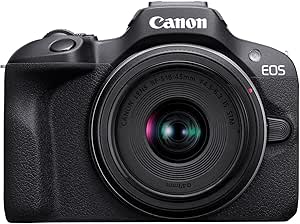 | Best Value for Budget-Conscious Streamers | Sensor: 24.2 MP APS-C CMOS | Video Resolution: 4K up to 59.94p | Lens: RF-S 18-45mm F4.5-6.3 IS STM | VIEW LATEST PRICE | See Our Full Breakdown |
| Sony Alpha a6400 Mirrorless Camera with 16-50mm Lens |  | Best for Fast-Paced Content with Versatile Shooting | Sensor: 20.1MP stacked back-illuminated CMOS | Video: 4K | Lens: 16-50mm E Mount | VIEW LATEST PRICE | See Our Full Breakdown |
| Canon EOS R50 V Mirrorless Camera (Body Only) – APS-C Digital Camera with Flip Screen and 4K Video |  | Best for Vloggers and Content Creators Who Stream with Flexibility | Sensor: 24.2 MP APS-C CMOS | Processor: DIGIC X | Video Resolution: 4K up to 59.94p | VIEW LATEST PRICE | See Our Full Breakdown |
| Sony ZV-E10 APS-C Mirrorless Camera with 16-50mm Lens |  | Best for Easy Live Streaming and Content Creation | Sensor: 24.2MP APS-C Exmor CMOS | Processor: BIONZ X | Video: UHD 4K30p | VIEW LATEST PRICE | See Our Full Breakdown |
| Sony Alpha 7 IV Full-Frame Mirrorless Camera with 28-70mm Lens Kit |  | Best Overall for Professional-Grade Streaming and Content Creation | Sensor: 33MP Exmor R CMOS | Image Processor: BIONZ XR | Video Recording: 4K 60p | VIEW LATEST PRICE | See Our Full Breakdown |
| Canon EOS R50 Mirrorless Camera with 18-45mm Lens Bundle |  | Best for Beginners and Vloggers on a Budget | Sensor: APS-C | Video Resolution: 4K | Autofocus: Dual Pixel AF II | VIEW LATEST PRICE | See Our Full Breakdown |
| mirrorless cameras for gaming stream | Sensor | Autofocus | Lens |
|---|---|---|---|
| Sony Alpha 7 IV Full-frame Mir | 33MP full-frame Exmor R CMOS | — | — |
| Canon EOS R100 Mirrorless Came | 24.2 MP APS-C CMOS | Dual Pixel CMOS AF | RF-S 18-45mm F4.5-6.3 IS STM |
| Sony Alpha a6400 Mirrorless Ca | 20.1MP stacked back-illuminated CMOS | Real-Time Eye Auto Focus | 16-50mm E Mount |
| Canon EOS R50 V Mirrorless Cam | 24.2 MP APS-C CMOS | Dual Pixel CMOS AF II | — |
| Sony ZV-E10 APS-C Mirrorless C | 24.2MP APS-C Exmor CMOS | 425-point AF | — |
| Sony Alpha 7 IV Full-Frame Mir | 33MP Exmor R CMOS | — | 28-70mm zoom |
| Canon EOS R50 Mirrorless Camer | APS-C | Dual Pixel AF II | 18-45mm |
More Details on Our Top Picks
Sony Alpha 7 IV Full-frame Mirrorless Interchangeable Lens Camera
The Sony Alpha 7 IV stands out for its exceptional 33MP full-frame sensor and advanced 4K video capabilities, making it ideal for streamers who prioritize high-quality visuals. Compared to the Sony ZV-E10, it offers superior image detail and more professional-grade color profiles like S-Cinetone, though it comes with a significantly higher price and complexity. This camera excels in delivering crisp images under varied lighting, which is essential for creating engaging streams. The absence of in-body stabilization might be a drawback for handheld shooting, but its overall image quality makes it a top pick for serious creators. It’s best suited for streamers who want a versatile, high-end camera that can also serve as a primary photography tool, despite its steeper learning curve and cost.
Pros:- High-resolution 33MP sensor for detailed images
- Advanced 4K 60p 10-bit recording for cinematic quality
- Excellent color reproduction with S-Cinetone
Cons:- High cost and complex interface for newcomers
- Lack of in-body stabilization can affect handheld footage
Best for: Professional content creators who need top-tier image and video quality for streaming and beyond
Not ideal for: Beginners or streamers on a tight budget who may find the Sony Alpha 7 IV overwhelming or expensive
- Sensor:33MP full-frame Exmor R CMOS
- Video Recording:Up to 4K 60p 10-bit 4:2:2
- Image Processor:BIONZ XR
- Operating Temperature:0 to 40 °C
- Power Input:100 – 240 V, 50/60 Hz
Our verdict“This camera is ideal for experienced streamers seeking professional-grade visuals, despite its complexity and price.”
Canon EOS R100 Mirrorless Camera RF-S18-45mm F4.5-6.3 IS STM Lens Kit
The Canon EOS R100 offers a well-rounded package with a 24.1 MP APS-C sensor and 4K video, making it a strong choice for streamers starting out or seeking good quality without breaking the bank. Unlike the Sony ZV-E10, which is more tailored for vlogging, the R100 provides more traditional camera controls and a reliable autofocus system, though it has fewer lens options and a less robust build. Its compact design makes it highly portable, perfect for streamers who record on the go. The limited lens ecosystem and relatively modest aperture (f/6.3 at 45mm) could hinder low-light performance, but its affordability and ease of use compensate for these drawbacks. It’s best for beginner or casual streamers who want decent quality without the complexity or cost of higher-end models.
Pros:- Affordable price with solid 24.2 MP sensor
- Reliable Dual Pixel autofocus with subject detection
- Compact and lightweight for portability
Cons:- Limited lens options compared to more versatile systems
- Aperture at 6.3 may struggle in low-light conditions
Best for: Entry-level streamers or content creators seeking quality at an accessible price point
Not ideal for: Advanced streamers or professionals who need extensive lens options and better low-light performance
- Sensor:24.2 MP APS-C CMOS
- Video Resolution:4K up to 59.94p
- Lens:RF-S 18-45mm F4.5-6.3 IS STM
- Connectivity:Wi-Fi, Bluetooth
- Autofocus:Dual Pixel CMOS AF
- Continuous Shooting:Up to 6.5 fps
Our verdict“This camera offers a good balance of quality and affordability for beginners or casual streamers, though it falls short for professional needs.”
Sony Alpha a6400 Mirrorless Camera with 16-50mm Lens
The Sony Alpha a6400 impresses with its 20.1MP stacked CMOS sensor and real-time eye autofocus, making it a good choice for streamers who want quick, sharp footage. Compared to the Sony ZV-E10, the a6400 offers more robust autofocus tracking and a slightly better build quality, although it lacks some of the newer video features. Its compact size and tiltable LCD make it easy to shoot from different angles, especially for streamers recording themselves. While the menu system can be complex for newcomers, its fast autofocus and high-quality sensor help produce clear, engaging streams. Battery life and accessory options are somewhat limited, but its overall speed and reliability make it suitable for dynamic content creation.
Pros:- Fast, accurate real-time eye autofocus
- Good image quality with 20.1MP sensor
- Tiltable LCD screen for flexible framing
Cons:- Limited accessories included in the box
- Complex menu system may challenge beginners
Best for: Streamers who value speed, autofocus, and versatility for both video and photography
Not ideal for: Beginners or those who want straightforward, simple operation without extensive menu navigation
- Sensor:20.1MP stacked back-illuminated CMOS
- Video:4K
- Lens:16-50mm E Mount
- Autofocus:Real-Time Eye Auto Focus
- Continuous Shooting:Up to 11 fps
- Metering:1200 zone evaluative
Our verdict“This camera suits streamers needing speed and adaptability, though it demands some familiarity with advanced settings.”
Canon EOS R50 V Mirrorless Camera (Body Only) – APS-C Digital Camera with Flip Screen and 4K Video
The Canon EOS R50 V excels with its 24.2 MP APS-C sensor and a fully articulating flip screen, making it a strong candidate for streamers and vloggers who need visual flexibility. Its built-in autofocus with subject detection surpasses some competitors like the Sony ZV-E10 in tracking accuracy, and the interface is more intuitive for newcomers. While it’s only body-only, requiring an additional lens purchase, its user-friendly controls and reliable 4K video at multiple frame rates make it practical for live streaming setups. Its battery life and lens ecosystem are somewhat limited, but for content creators focused on ease of use, this model provides a compelling balance of features.
Pros:- Flip-out touchscreen for versatile framing
- Reliable autofocus with subject detection
- Good 4K video quality with multiple frame rates
Cons:- Body-only purchase means additional lens cost
- Limited lens options and battery life
Best for: Vloggers and streamers who want a flip-out screen and easy-to-use controls
Not ideal for: Professional streamers or those needing extensive lens options and longer battery life
- Sensor:24.2 MP APS-C CMOS
- Processor:DIGIC X
- Video Resolution:4K up to 59.94p
- Screen:Flip screen
- Connectivity:Microphone and headphone jacks
- Autofocus:Dual Pixel CMOS AF II
Our verdict“This camera is best for content creators who prioritize ease of use and flexible framing, despite needing to invest in lenses separately.”
Sony ZV-E10 APS-C Mirrorless Camera with 16-50mm Lens
The Sony ZV-E10 offers a compact, user-friendly design with a 24.2MP APS-C sensor, making it ideal for streamers who want quick setup and high-quality visuals. Its flip-out touchscreen and background defocus setting are tailored for vlogging and live content, similar to the Canon EOS R50, but with more emphasis on ease of use. The ZV-E10’s UHD 4K video and fast autofocus make it straightforward to produce engaging streams, especially with its live streaming via USB feature. However, it lacks in-body stabilization, which may lead to shaky footage without additional stabilization gear. Its limited lens options and learning curve mean it’s best for beginner or casual content creators seeking simplicity and decent quality.
Pros:- High-quality 24.2MP sensor for detailed images
- 4K UHD video with oversampling for clarity
- Flip-out touchscreen for versatile angles
Cons:- No in-body stabilization, risking shaky footage
- Limited lens options included in the kit
Best for: Content creators needing a simple, effective camera for live streaming with minimal fuss
Not ideal for: Advanced streamers or professionals requiring extensive lens choices and robust stabilization
- Sensor:24.2MP APS-C Exmor CMOS
- Processor:BIONZ X
- Video:UHD 4K30p
- Screen:3.0-inch side flip-out
- Special Features:Background Defocus, Product Showcase
- Autofocus:425-point AF
Our verdict“This camera is perfect for streamers who want quick, high-quality content with minimal setup complexity, despite some limitations in stabilization and lens choices.”
Sony Alpha 7 IV Full-Frame Mirrorless Camera with 28-70mm Lens Kit
The Sony Alpha 7 IV stands out for delivering professional-quality images and videos, making it an excellent choice for streamers who want top-tier visuals. Its 33MP full-frame sensor provides more detail than APS-C options like the Canon EOS R50, resulting in sharper streams with richer backgrounds. The advanced autofocus, including real-time Eye-AF, ensures consistent focus on you, even during quick movements or camera shifts. While the 4K 60p recording is smooth and supports high-quality streaming, the camera’s premium price and heavier build compared to smaller models might be a barrier for some users. Additionally, its extensive feature set offers room to grow, but that complexity can be overwhelming for beginners. Compared to the Canon EOS R50, which is simpler and more affordable, the Sony excels in professional video quality but at a steeper learning curve and cost.
Pros:- High-resolution 33MP full-frame sensor for detailed imagery
- Excellent autofocus with real-time Eye-AF ensures sharp focus on face or eyes
- Versatile 4K 60p video recording suitable for high-quality streams
- Includes a versatile 28-70mm zoom lens for flexibility
Cons:- Premium price point may be prohibitive for casual users
- Heavier and bulkier than compact options, impacting mobility and setup time
Best for: Streamers seeking professional-grade image quality and advanced features, willing to invest in top-tier gear
Not ideal for: Beginners or casual streamers who prefer simplicity and lower cost, and those needing a lightweight setup
- Sensor:33MP Exmor R CMOS
- Image Processor:BIONZ XR
- Video Recording:4K 60p
- Lens:28-70mm zoom
- Features:Real-time Eye-AF, Breathing Compensation, S-Cinetone, S-log3, HLG
- Weight:approx. 658g body only
Our verdict“This camera is best suited for experienced streamers who prioritize image quality and are comfortable handling complex gear.”
Canon EOS R50 Mirrorless Camera with 18-45mm Lens Bundle
The Canon EOS R50 offers a straightforward and lightweight option for streamers just starting out or those who want an easy-to-use camera, especially when compared to the Sony Alpha 7 IV’s complexity. Its APS-C sensor, while smaller than full-frame, still captures sharp images and 4K video that look good on streams without the fuss of extensive settings. The Dual Pixel AF II provides reliable autofocus, keeping your face in focus even during movement, making it perfect for casual gaming streams. Its included accessories—a 64GB memory card and a camera bag—add value for new users. However, the limited zoom range of the 18-45mm lens might restrict framing options, and the lack of advanced features like S-log or high-end stabilization could be a drawback for more serious content creators. Compared with the Sony, it sacrifices some image depth but wins on ease of use and affordability.
Pros:- Lightweight and easy to operate, ideal for new users
- Reliable 4K video and Dual Pixel AF II for stable focus
- Includes useful accessories like a 64GB SD card and a carrying bag
- Vari-angle touchscreen enhances framing flexibility
Cons:- Limited zoom range with the 18-45mm lens may restrict framing options
- Lacks advanced video features like S-log or high-end stabilization
- Battery life details are not specified, which could be a concern for long streams
Best for: Beginners, casual streamers, and vloggers seeking an affordable, user-friendly camera with good autofocus
Not ideal for: Streamers wanting high-end cinematic quality or extensive manual controls for professional productions
- Sensor:APS-C
- Video Resolution:4K
- Autofocus:Dual Pixel AF II
- Lens:18-45mm
- Included Accessories:64GB SD card, camera bag
- Features:Vari-angle touchscreen, Creative Assist, Vertical Video
Our verdict“This camera makes the most sense for beginners wanting decent stream quality without the complexity or cost of high-end models.”
How We Picked
The selection process focused on cameras that excel in live streaming, prioritizing video quality, autofocus performance, ease of connectivity, and user-friendliness. We evaluated each model’s ability to handle continuous streaming without overheating, their compatibility with streaming software, and the availability of features like clean HDMI output and microphone inputs. Budget considerations also played a role, ensuring options are accessible for different users. The ranking reflects a balance of value, feature set, and overall performance in a streaming context, with top picks offering both quality and practicality for gamers and content creators alike.Factors to Consider When Choosing Best Mirrorless Cameras For Gaming Streams
Choosing the best mirrorless camera for gaming streams involves more than just image quality. Consider factors like connectivity options, ease of setup, and compatibility with streaming platforms. Your choice should match your skill level, budget, and specific streaming needs to ensure a smooth experience.Video Quality and Resolution
High-resolution video, especially 4K, is essential for crisp, professional-looking streams. However, higher resolutions demand more powerful hardware and can increase latency. Balance your desire for clarity with your current streaming setup to avoid performance bottlenecks. Many budget models now offer 4K, but some may crop the frame or have longer processing times, which can impact your stream’s quality.
Autofocus and Face Tracking
Reliable autofocus, especially eye and face tracking, ensures your image stays sharp even if you move around. This feature reduces the need for manual focus adjustments during live streams, creating a more professional appearance. Not all models excel equally—look for cameras with advanced autofocus systems designed for video to avoid blurry images or focus hunting that can distract viewers.
Connectivity and Streaming Features
Clear, reliable HDMI output with clean feed capability is vital for live streaming. A microphone input is also important if you plan to use external audio sources. Built-in Wi-Fi or Ethernet can simplify setup by allowing direct streaming without additional hardware. Remember, some cameras require additional capture cards—factor this into your overall budget and setup complexity.
Ease of Use and Size
Ease of setup and user interface matter, especially for beginners. Compact, lightweight models reduce clutter and are easier to position in your streaming space. However, smaller cameras might have fewer physical controls, making adjustments more cumbersome during long sessions. Consider your comfort with tech setup and whether you prefer a more straightforward or feature-rich device.
Price and Value
Prices range widely, with premium models offering advanced features and budget options covering basic needs. Investing more often grants better autofocus, higher resolution, and more robust connectivity. But, for casual streamers or those just starting out, a mid-range or budget model might suffice. Always weigh features against your actual streaming requirements to avoid overspending.
Frequently Asked Questions
Can I use a mirrorless camera as a webcam for streaming?
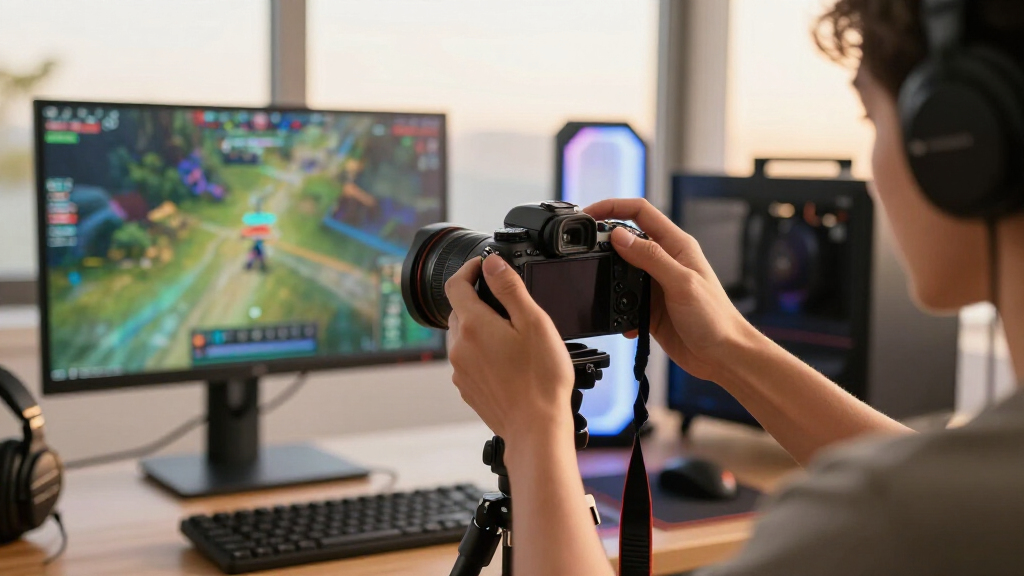
Yes, many mirrorless cameras can be used as webcams through HDMI output and compatible capture cards or via USB with dedicated software. Ensure the camera supports clean HDMI output and that your streaming setup can handle the video feed. Some models also offer direct webcam functionality, simplifying the process without extra hardware. Keep in mind, prolonged use as a webcam may cause overheating, so check the camera’s thermal performance beforehand.
What is the best way to connect my mirrorless camera to my PC for streaming?
The most common method involves using a clean HDMI output from your camera into a capture card connected to your PC. Capture cards like Elgato Cam Link are popular choices, providing a stable, high-quality video feed. Some newer cameras support direct USB streaming, which can simplify setup and reduce hardware clutter. Always verify your camera’s compatibility and ensure your PC’s hardware can handle the video processing demands.
Is autofocus important for streaming with a mirrorless camera?
Autofocus, especially face and eye tracking, significantly improves streaming quality by keeping you in sharp focus even if you move around. This feature minimizes the need for manual adjustments, creating a more professional appearance. Cameras without reliable autofocus may require frequent manual refocusing, which can be distracting or impractical during live sessions. For dynamic streamers, autofocus is often a key deciding factor.
Should I prioritize a full-frame or APS-C mirrorless camera for streaming?
Full-frame cameras generally offer better low-light performance and shallower depth of field, creating a more cinematic look. However, they tend to be more expensive and larger. APS-C models are more compact, affordable, and still deliver excellent video quality suitable for streaming. Your choice depends on your budget, space constraints, and whether you want a more professional look or a portable setup.
Do I need special lenses for streaming with a mirrorless camera?
While many streamers use kit lenses for simplicity, investing in a lens with good autofocus and a wide aperture can improve image quality and background blur. Prime lenses with wide apertures (like f/1.8) are popular for achieving a more professional look. Consider the focal length based on your streaming setup—wider lenses are better if you want to capture more of your environment or use a close-up shot in tight spaces.
Conclusion
For streamers seeking an all-around reliable choice, the Sony Alpha 7 IV stands out as the best overall option thanks to its impressive video quality and autofocus. Budget-conscious content creators will find the Canon EOS R50 offers excellent value with 4K recording and user-friendly features. Those new to streaming should consider the Sony ZV-E10 for its compact size and straightforward setup. For professional streamers demanding top-tier performance, investing in a full-frame model like the Sony Alpha 7 IV makes sense, while beginners or casual users might prefer more affordable, simpler options that still produce quality streams.
As an affiliate, we earn on qualifying purchases.Fall Picks
fall essentials