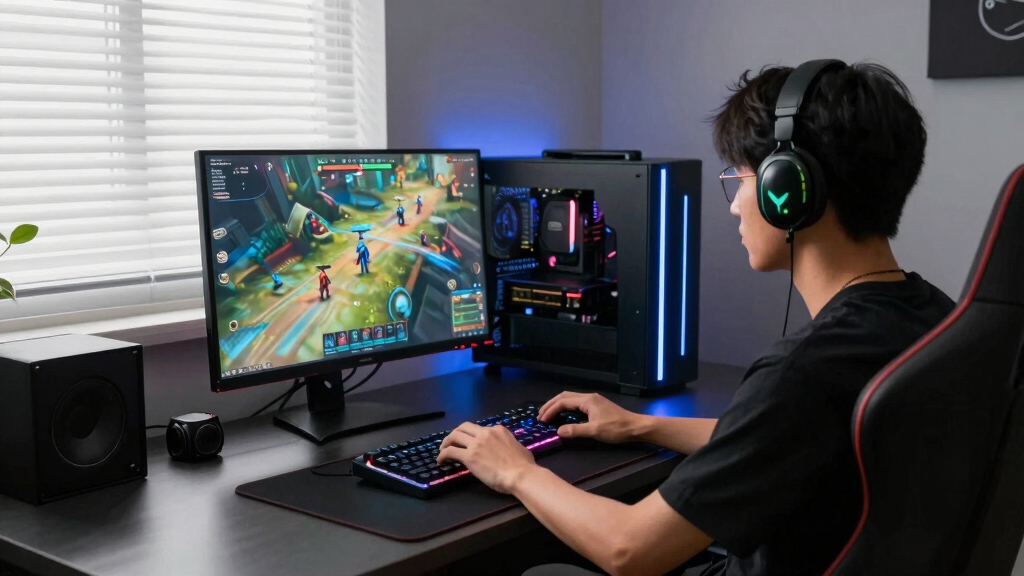

The Alienware Area-51 AAT2250 with RTX 5080 is my best overall Alienware gaming PC because it pairs high-end 4K performance with liquid cooling, a 2TB SSD, and fewer excesses than the RTX 5090 configuration. For better value, I favor the Aurora ACT1250 with RTX 5070, while the Area-51 laptop with RTX 5070 Ti is the more practical choice for players who need portability. The main decision is whether to pay for maximum frame rates, settle on a balanced midrange GPU, or accept the heat, noise, and limited upgrades of a gaming laptop. Storage type, memory capacity, chassis cooling, and the price gap between configurations also matter more than Alienware branding alone. Continue reading for my full breakdown of the best Alienware gaming PCs and the buyers each model suits.

Play games on Amazon Luna for your game nights, included with Prime
- A rotating selection of games, no download needed
- Play on TV, laptop or phone
- Fast, free delivery for your gear, too
Complete the kit


Key Takeaways
- The RTX 5080 Area-51 desktop offers the strongest overall balance: it provides far more performance headroom than the ACT1250 models without charging for the RTX 5090 configuration’s specialized power.
- The RTX 5090 Area-51 is a luxury choice rather than the default winner; its 64GB of RAM and 4TB SSD make the most sense for demanding 4K gaming, creation work, and heavy multitasking.
- The RTX 5070 ACT1250 is the value sweet spot, while the RTX 5060 Ti version is better positioned as an approachable first gaming desktop with lower performance expectations.
- The RTX 5070 Ti Area-51 laptop is the smarter portable pick for most buyers; the RTX 5080 laptop asks for more money while retaining the thermal and upgrade limits shared by both notebooks.
- The Aurora R15 and antivirus bundle require price scrutiny: the R15 remains capable but uses an older platform, while bundled security software adds little if the underlying hardware costs more.
| Alienware Aurora R16 Gaming Desktop |  | Best Overall Desktop | Graphics Card: NVIDIA GeForce RTX 5080, 16GB GDDR7 | Processor: Intel Core Ultra 9 285K, 24 cores, up to 5.7GHz | Memory: 32GB DDR5 | VIEW LATEST PRICE | See Our Full Breakdown |
| Alienware Aurora ACT1250 Gaming Desktop |  | Best Entry-Level Desktop | Processor: Intel Core Ultra 7 265F | Graphics Card: NVIDIA GeForce RTX 5060 Ti | Memory: 16GB DDR5 | VIEW LATEST PRICE | See Our Full Breakdown |
| Alienware Aurora R15 Gaming Desktop |  | Best AMD-Powered Desktop | Processor: AMD Ryzen 9 7900X | Graphics Card: NVIDIA GeForce RTX 4080, 16GB GDDR6X | Memory: 32GB DDR5 | VIEW LATEST PRICE | See Our Full Breakdown |
| Alienware 16 Area-51 Gaming Laptop with RTX 5070 Ti |  | Best Balanced Gaming Laptop | Display: 16-inch WQXGA, 240Hz | Processor: Intel Core Ultra 9 275HX | Graphics Card: NVIDIA GeForce RTX 5070 Ti | VIEW LATEST PRICE | See Our Full Breakdown |
| Alienware 16 Area-51 Gaming Laptop with RTX 5080 |  | Best Premium Gaming Laptop | Graphics Card: NVIDIA GeForce RTX 5080, 16GB GDDR7 | Processor: Intel Core Ultra 9 275HX, 24 cores, up to 5.4GHz | Display: 16-inch WQXGA, 2560×1600, 240Hz | VIEW LATEST PRICE | See Our Full Breakdown |
| Alienware Aurora ACT1250 Gaming Desktop Bundle with 3-Year Anti-Virus |  | Best Aurora for 4K Gaming | Processor: Intel Core Ultra 9 285K | Graphics: NVIDIA GeForce RTX 5080 with 16GB GDDR7 | Memory: 32GB DDR5 | VIEW LATEST PRICE | See Our Full Breakdown |
| Alienware Aurora ACT1250 AI Gaming Desktop PC with GeForce RTX 5070 and Intel Ultra 7 265F |  | Best Value for 1440p Gaming | Processor: Intel Core Ultra 7 265F, 20 cores, up to 5.3GHz | Graphics: GeForce RTX 5070 with 12GB GDDR7 | Memory: 32GB DDR5 | VIEW LATEST PRICE | See Our Full Breakdown |
| Dell Alienware Area-51 AAT2250 Gaming Desktop with GeForce RTX 5090 |  | Best Premium Performance | Processor: Intel Core Ultra 9 285K at 3.2GHz | Graphics: NVIDIA GeForce RTX 5090 with 32GB GDDR7 | Memory: 64GB DDR5-6400 | VIEW LATEST PRICE | See Our Full Breakdown |
| Dell Alienware Area-51 AAT2250 Gaming PC with GeForce RTX 5080 | | Best for Future Upgrades | Processor: Intel Core Ultra 9 285K, 24 cores, up to 5.7GHz | Graphics: NVIDIA GeForce RTX 5080 with 16GB GDDR7 | Memory: 32GB DDR5-6400 | VIEW LATEST PRICE | See Our Full Breakdown |
| Alienware gaming PC | Processor | Memory | Storage | Cooling |
|---|---|---|---|---|
| Alienware Aurora R16 Gaming De | Intel Core Ultra 9 285K, 24 cores, up to 5.7GHz | 32GB DDR5 | 1TB SSD plus 2TB HDD | 240mm liquid cooling |
| Alienware Aurora ACT1250 Gamin | Intel Core Ultra 7 265F | 16GB DDR5 | 1TB SSD | — |
| Alienware Aurora R15 Gaming De | AMD Ryzen 9 7900X | 32GB DDR5 | 1TB SSD plus 2TB HDD | Alienware Cryo-Tech liquid cooling |
| Alienware 16 Area-51 Gaming La | Intel Core Ultra 9 275HX | 32GB DDR5 | 1TB SSD | Alienware Cryo-Chamber design |
| Alienware 16 Area-51 Gaming La | Intel Core Ultra 9 275HX, 24 cores, up to 5.4GHz | 32GB DDR5 | 1TB SSD | Cryo-Chamber with copper heat pipes and quad fans |
| Alienware Aurora ACT1250 Gamin | Intel Core Ultra 9 285K | 32GB DDR5 | 2TB SSD | 240mm liquid cooling |
| Alienware Aurora ACT1250 AI Ga | Intel Core Ultra 7 265F, 20 cores, up to 5.3GHz | 32GB DDR5 | 1TB PCIe NVMe SSD | — |
| Dell Alienware Area-51 AAT2250 | Intel Core Ultra 9 285K at 3.2GHz | 64GB DDR5-6400 | 4TB SSD | Liquid cooling |
| Dell Alienware Area-51 AAT2250 | Intel Core Ultra 9 285K, 24 cores, up to 5.7GHz | 32GB DDR5-6400 | 2TB NVMe PCIe Gen4 SSD | 360mm liquid cooling |
More Details on Our Top Picks
Alienware Aurora R16 Gaming Desktop
I rank the Alienware Aurora R16 as the best overall desktop because its RTX 5080, 24-core Intel Ultra 9, and 32GB of memory offer the strongest balance of current-generation gaming power and practical capacity here. It sits ahead of the Aurora R15: the RTX 5080 provides a newer graphics platform, while Wi-Fi 7 and a 1000W power supply give the system more headroom. The R15 remains the appealing AMD alternative, and the Area-51 RTX 5090 is faster for buyers with much larger budgets. A 1TB SSD plus 2TB hard drive supplies ample space, although games stored on the hard drive load more slowly. I would also account for the large chassis and premium price; this is excessive for routine 1080p play and less approachable than the ACT1250.
Pros:- RTX 5080 graphics provide strong headroom for demanding games and high-resolution displays
- 24-core Intel Ultra 9 processor suits gaming, streaming, and content work
- 240mm liquid cooling supports sustained heavy workloads
- 1000W Platinum power supply and Wi-Fi 7 create a well-equipped platform
Cons:- Premium configuration is poor value for buyers focused on 1080p gaming
- Large desktop footprint demands substantial space
- Mechanical hard drive is spacious but much slower than solid-state storage
Best for: 4K gamers and creators who want a powerful current-generation Alienware desktop with generous storage and cooling capacity
Not ideal for: 1080p players, first-time desktop buyers, or anyone with limited desk and floor space, since the hardware and chassis are more than they need
- Graphics Card:NVIDIA GeForce RTX 5080, 16GB GDDR7
- Processor:Intel Core Ultra 9 285K, 24 cores, up to 5.7GHz
- Memory:32GB DDR5
- Storage:1TB SSD plus 2TB HDD
- Power Supply:1000W Platinum
- Cooling:240mm liquid cooling
- Wireless:Wi-Fi 7
- Operating System:Windows 11 Pro
Our verdict“I would choose the Aurora R16 for high-end desktop gaming without paying the steeper price attached to the RTX 5090 Area-51.”
Alienware Aurora ACT1250 Gaming Desktop
I see the Alienware Aurora ACT1250 as the most sensible entry point for buyers who want Alienware styling without jumping directly to enthusiast hardware. Its RTX 5060 Ti and Core Ultra 7 are better matched to mainstream 1080p and 1440p gaming than the far more expensive RTX 5080 Aurora R16. That lower performance tier also makes this a weaker choice for demanding 4K gaming, heavy creative work, or buyers seeking years of maximum graphics headroom. The 16GB memory and 1TB SSD cover a standard gaming setup, but both are less generous than the 32GB and mixed 3TB storage found in the R16 and R15. I also find the 500W power supply and unclear upgrade path restrictive for major future GPU changes, while possible load noise could matter in a shared room.
Pros:- RTX 5060 Ti is a suitable match for mainstream 1080p and 1440p gaming
- Core Ultra 7 processor supports gaming, streaming, and everyday multitasking
- AlienFX lighting and basalt-black finish deliver the expected Alienware appearance
- One-year onsite support adds convenient hardware assistance
Cons:- 16GB of memory is less comfortable for heavy multitasking than the 32GB alternatives
- 500W power supply may constrain substantial graphics upgrades
- Upgrade details are unclear, and fan noise may rise during demanding play
Best for: New Alienware buyers targeting 1080p or 1440p gaming who want a ready-made desktop with modern styling
Not ideal for: 4K enthusiasts and frequent hardware upgraders, because the RTX 5060 Ti, 16GB memory, and 500W power supply leave less expansion headroom
- Processor:Intel Core Ultra 7 265F
- Graphics Card:NVIDIA GeForce RTX 5060 Ti
- Memory:16GB DDR5
- Storage:1TB SSD
- Power Supply:500W Platinum-rated
- Chassis Finish:Matte basalt black
- Operating System:Windows 11 Home
Our verdict“I would pick the ACT1250 for approachable Alienware gaming, but not for ambitious 4K play or extensive future upgrades.”
Alienware Aurora R15 Gaming Desktop
I give the Alienware Aurora R15 the AMD-focused role because its Ryzen 9 7900X combines 12-core processing with an RTX 4080, making it a capable choice for high-resolution gaming and mixed creative workloads. It is substantially faster and better equipped than the RTX 5060 Ti ACT1250, with 32GB of DDR5 and 3TB of combined storage. Against the newer Aurora R16, however, the R15 loses ground: the RTX 4080 belongs to an older graphics generation, while the R16 adds RTX 5080 performance and Wi-Fi 7. The R15 can still make sense when priced below that model, particularly for buyers who prefer AMD. Its 240mm Cryo-Tech cooling supports sustained loads, but fan noise may rise under pressure. I would also treat the premium pricing and slower 2TB hard drive as real compromises.
Pros:- Ryzen 9 7900X provides strong multicore capacity for gaming and creative workloads
- RTX 4080 remains capable for demanding high-resolution games
- 32GB of DDR5 supports heavier multitasking than the ACT1250
- 1TB SSD and 2TB hard drive provide substantial combined capacity
Cons:- Older RTX 4080 platform trails the newer RTX 5080 Aurora R16
- Cooling system may become noisy during sustained demanding workloads
- Part of the storage capacity relies on a slower mechanical hard drive
Best for: AMD-oriented desktop buyers who want strong high-resolution gaming, 32GB of memory, and abundant local storage
Not ideal for: Buyers who want the newest NVIDIA generation or the quietest possible system under prolonged heavy loads
- Processor:AMD Ryzen 9 7900X
- Graphics Card:NVIDIA GeForce RTX 4080, 16GB GDDR6X
- Memory:32GB DDR5
- Storage:1TB SSD plus 2TB HDD
- Cooling:Alienware Cryo-Tech liquid cooling
- Heat Exchanger:240mm
- Voltage Regulation:10-phase
- Operating System:Windows 11 Home
Our verdict“I would buy the Aurora R15 when its price undercuts the R16 and an AMD processor matters more than owning the newest GPU generation.”
Alienware 16 Area-51 Gaming Laptop with RTX 5070 Ti
I rank the Alienware 16 Area-51 with RTX 5070 Ti as the better-balanced laptop because it retains the 240Hz WQXGA display, Core Ultra 9 processor, 32GB of memory, and 1TB SSD found in the pricier RTX 5080 version. The main compromise is graphics performance: the RTX 5070 Ti has less headroom for demanding native-resolution settings and future games than its RTX 5080 sibling. For competitive play, that trade can be reasonable because the 240Hz panel prioritizes fluid motion, while the powerful processor helps sustain high frame rates. This is still a large performance laptop rather than an everyday ultraportable, and the supplied data gives no battery-life figure. Compared with an Aurora R16 desktop, it offers mobility but less upgrade flexibility. I view its weight, likely price, and unknown unplugged endurance as the main reasons to skip it.
Pros:- 240Hz WQXGA display pairs sharp detail with smooth competitive-game motion
- RTX 5070 Ti offers a more balanced performance tier than the costlier RTX 5080 model
- 32GB of DDR5 supports gaming, streaming, and demanding multitasking
- Cryo-Chamber cooling is designed for sustained laptop performance
Cons:- RTX 5070 Ti provides less graphics headroom than the RTX 5080 configuration
- Heavy, bulky construction limits everyday portability
- Battery-life information is absent, making unplugged endurance difficult to judge
Best for: Competitive and high-refresh-rate players who need a movable gaming system but do not require the costliest mobile GPU
Not ideal for: Frequent commuters and unplugged users, since the bulky design and unspecified battery life weaken its travel credentials
- Display:16-inch WQXGA, 240Hz
- Processor:Intel Core Ultra 9 275HX
- Graphics Card:NVIDIA GeForce RTX 5070 Ti
- Memory:32GB DDR5
- Storage:1TB SSD
- Cooling:Alienware Cryo-Chamber design
- Operating System:Windows 11 Home
- Service:1-year onsite service
Our verdict“I would choose this Area-51 configuration for a strong screen-and-performance balance when the RTX 5080 model feels excessive.”
Alienware 16 Area-51 Gaming Laptop with RTX 5080
I reserve the premium laptop position for the Alienware 16 Area-51 with RTX 5080. Its 16GB GDDR7 graphics, 24-core Intel Ultra 9, and 32GB of DDR5 target players who want maximum mobile gaming headroom without moving to a desktop. Compared with the RTX 5070 Ti Area-51, the stronger GPU is better suited to demanding WQXGA settings, although both models share a 240Hz display and similar core capacity. The panel also adds DCI-P3 color and G-SYNC, which broadens its appeal for visual work and tear-free play. Its quad-fan Cryo-Chamber cooling is built around sustained performance, but that hardware contributes to bulk, power demand, and likely fan activity. Buyers should not expect Aurora R16 portability compromises to disappear: the laptop is easier to move, yet less expandable. I find the high price and modest 1TB storage difficult to overlook.
Pros:- RTX 5080 with 16GB GDDR7 offers the strongest laptop graphics specification in this batch
- 240Hz WQXGA G-SYNC display supports sharp, fluid gaming
- DCI-P3 color coverage and 4K webcam add value beyond gaming
- Quad-fan Cryo-Chamber cooling supports demanding extended sessions
Cons:- High-end components drive premium pricing and substantial power use
- Heavy, large chassis reduces the benefit of choosing a laptop
- 1TB SSD may fill quickly with modern game libraries
Best for: Enthusiast laptop gamers who want high WQXGA settings, a fast color-capable display, and desktop-like processing in a movable system
Not ideal for: Budget-conscious players, frequent travelers, and large-library owners who need lighter hardware or more than 1TB of built-in storage
- Graphics Card:NVIDIA GeForce RTX 5080, 16GB GDDR7
- Processor:Intel Core Ultra 9 275HX, 24 cores, up to 5.4GHz
- Display:16-inch WQXGA, 2560×1600, 240Hz
- Display Features:DCI-P3 color and NVIDIA G-SYNC
- Memory:32GB DDR5
- Storage:1TB SSD
- Wireless:Wi-Fi 7
- Webcam:4K
- Cooling:Cryo-Chamber with copper heat pipes and quad fans
Our verdict“I would choose this model only when mobile RTX 5080 performance matters enough to justify its price, weight, and limited included storage.”
Alienware Aurora ACT1250 Gaming Desktop Bundle with 3-Year Anti-Virus
I rank the Alienware Aurora ACT1250 Bundle as the strongest Aurora here for demanding 4K play. Its RTX 5080 has more graphics headroom than the RTX 5070 in the Alienware Aurora ACT1250 AI Gaming Desktop, while the 24-core Core Ultra 9 is better prepared for streaming, video work, and heavy multitasking. The included three-year ESET security package adds practical value for a buyer who would purchase protection separately. Compared with the Dell Alienware Area-51 AAT2250 RTX 5080, though, this model has a smaller 240mm cooler, a lower-capacity power supply, and fewer clear upgrade advantages. I see it as a performance-first Aurora, not the most flexible long-term platform. Its price, tower footprint, and elaborate setup also make it excessive for casual or primarily 1080p gaming.
Pros:- RTX 5080 delivers ample graphics power for high-detail 4K gaming
- Core Ultra 9 processor and 32GB of DDR5 suit streaming and demanding multitasking
- 240mm liquid cooling supports sustained performance with controlled thermals
- Three-year ESET bundle and Wi-Fi 7 add useful long-term value
Cons:- Premium hardware and bundled security may cost more than casual gamers need
- Large tower requires more dedicated space than a compact gaming system
- Less expansion-focused than the ATX-based Area-51 RTX 5080
Best for: I recommend it to 4K gamers and streamers who want RTX 5080 performance, strong multitasking capacity, and prepaid security coverage in an Aurora configuration.
Not ideal for: I would skip it for casual 1080p players, tight desk setups, or buyers who want the expansion room and standardized internals of the Area-51.
- Processor:Intel Core Ultra 9 285K
- Graphics:NVIDIA GeForce RTX 5080 with 16GB GDDR7
- Memory:32GB DDR5
- Storage:2TB SSD
- Cooling:240mm liquid cooling
- Networking:Wi-Fi 7 and 2.5GbE Ethernet
- Power Supply:1000W Platinum-rated PSU
- Chassis:Basalt Black with RGB lighting
Our verdict“I would choose this Aurora for powerful 4K gaming with bundled protection, provided upgrade flexibility is less important than ready-to-run performance.”
Alienware Aurora ACT1250 AI Gaming Desktop PC with GeForce RTX 5070 and Intel Ultra 7 265F
The Alienware Aurora ACT1250 RTX 5070 earns my value role by pairing 32GB of memory with a modern GPU without charging for RTX 5080-class performance many 1440p players will not use. It sits above the Alienware Aurora ACT1250 RTX 5060 Ti as the more capable choice for higher settings and faster displays, yet remains a more restrained purchase than the Aurora ACT1250 Bundle with RTX 5080. I also like the Wi-Fi 7 and Bluetooth 5.4 support for buyers building a current wireless setup. The compromise is lower 4K headroom: the RTX 5070 has 12GB of graphics memory, while the 5080 alternatives provide 16GB. A 1TB SSD can also fill quickly once large games are installed. No keyboard or mouse is included, and the 1000W supply may draw buyers into paying for capacity this configuration rarely needs.
Pros:- RTX 5070 offers a useful performance step above the RTX 5060 Ti configuration
- 32GB of DDR5 supports gaming, streaming, and everyday multitasking
- Wi-Fi 7 and Bluetooth 5.4 provide current wireless connectivity
- Twenty-core Core Ultra 7 offers strong performance without requiring the Ultra 9 tier
Cons:- RTX 5070 has less 4K headroom and graphics memory than the RTX 5080 models
- 1TB SSD is restrictive for a large modern game collection
- Keyboard and mouse are not included
Best for: I recommend it to 1440p gamers who want strong frame rates, 32GB of memory, and current wireless connectivity without stepping up to an RTX 5080 desktop.
Not ideal for: I would skip it for uncompromising 4K players, buyers with large game libraries, or anyone expecting a complete bundle with keyboard and mouse.
- Processor:Intel Core Ultra 7 265F, 20 cores, up to 5.3GHz
- Graphics:GeForce RTX 5070 with 12GB GDDR7
- Memory:32GB DDR5
- Storage:1TB PCIe NVMe SSD
- Power Supply:1000W
- Connectivity:Wi-Fi 7, Bluetooth 5.4, and RJ-45 Ethernet
- Operating System:Windows 11 Home
- Dimensions:16.5 x 18.2 x 7.9 inches
- Weight:29.2 lbs
Our verdict“I would pick this configuration for high-quality 1440p gaming, but serious 4K buyers should budget for one of the RTX 5080 systems.”
Dell Alienware Area-51 AAT2250 Gaming Desktop with GeForce RTX 5090
I place the Dell Alienware Area-51 AAT2250 RTX 5090 at the performance summit because no other system in this batch matches its 32GB graphics card, 64GB of system memory, and 4TB SSD. Compared with the Area-51 AAT2250 RTX 5080, it is better suited to maximum-detail 4K gaming, demanding ray tracing, local AI work, and memory-heavy creative projects. That extra capability gives it a distinct purpose beyond chasing benchmark numbers. The large storage and memory allocation also delays the need for early upgrades. Yet I would reserve it for buyers who can exploit that headroom: the price and power demands will be steep, and its large chassis needs a permanent home. For gaming alone, the RTX 5080 sibling offers a more measured balance. This is my no-compromise pick, but it is also the easiest model to overspend on.
Pros:- RTX 5090 with 32GB GDDR7 provides the lineup’s highest graphics ceiling
- 64GB DDR5-6400 handles memory-heavy creative and AI workloads
- 4TB SSD accommodates a large game and project library
- Liquid cooling supports sustained output from flagship components
Cons:- Flagship hardware is likely to carry the highest price in the roundup
- Large chassis requires ample permanent space
- Power consumption can be excessive for buyers focused only on gaming
Best for: I recommend it to affluent 4K enthusiasts, AI developers, and creators who can put 32GB of graphics memory, 64GB of RAM, and 4TB of storage to regular use.
Not ideal for: I would skip it for 1440p gamers, occasional players, energy-conscious households, or anyone who cannot dedicate substantial floor or desk space to a tower.
- Processor:Intel Core Ultra 9 285K at 3.2GHz
- Graphics:NVIDIA GeForce RTX 5090 with 32GB GDDR7
- Memory:64GB DDR5-6400
- Storage:4TB SSD
- Cooling:Liquid cooling
- Wired Networking:2.5GbE LAN
- Wireless:Wi-Fi 7 and Bluetooth 5.4
- Operating System:Windows 11 Home
Our verdict“I would buy this Area-51 only when flagship 4K, AI, or creative performance justifies its imposing cost, size, and power appetite.”
Dell Alienware Area-51 AAT2250 Gaming PC with GeForce RTX 5080
The Dell Alienware Area-51 AAT2250 RTX 5080 is my upgrade-minded choice. It uses an industry-standard ATX Z890 motherboard, tool-less chassis access, a 1500W Platinum-rated supply, and 360mm liquid cooling, giving future component changes more breathing room than the Alienware Aurora ACT1250 RTX 5080 Bundle. Both systems pair an Ultra 9 285K with the same class of graphics card, so the Area-51 earns its higher standing through platform flexibility and thermal capacity, not a basic frame-rate advantage. Its broad USB and Thunderbolt selection also suits streamers with several peripherals. Buyers pay for that foundation through a larger, heavier enclosure and likely higher pricing. The 32GB memory and 2TB SSD are adequate rather than lavish beside the RTX 5090 Area-51. I rank this as the better long-term ownership choice, while the Aurora is more sensible for buyers who rarely replace internal parts.
Pros:- Industry-standard ATX Z890 platform is friendlier to future upgrades
- 360mm liquid cooling provides greater thermal capacity than the Aurora’s 240mm system
- 1500W Platinum-rated power supply leaves ample capacity for demanding components
- Thunderbolt 4, multiple USB ports, Wi-Fi 7, and 2.5GbE support complex setups
Cons:- Large and heavy chassis demands dedicated space
- Upgrade-oriented engineering may command a premium over the Aurora RTX 5080
- 32GB RAM and 2TB storage look modest beside the RTX 5090 Area-51 configuration
Best for: I recommend it to 4K gamers, streamers, and PC enthusiasts who want RTX 5080 performance now with a more accommodating platform for later component upgrades.
Not ideal for: I would skip it for space-limited buyers, beginners who never plan to open the chassis, or shoppers who want the lowest-priced route to RTX 5080 gaming.
- Processor:Intel Core Ultra 9 285K, 24 cores, up to 5.7GHz
- Graphics:NVIDIA GeForce RTX 5080 with 16GB GDDR7
- Memory:32GB DDR5-6400
- Storage:2TB NVMe PCIe Gen4 SSD
- Cooling:360mm liquid cooling
- Motherboard:Industry-standard ATX Z890
- Power Supply:1500W Platinum-rated ATX12VO
- Networking:Wi-Fi 7, Bluetooth 5.4, and 2.5GbE Ethernet
- Chassis:Lunar Silver with tempered glass and AlienFX RGB
Our verdict“I would choose this Area-51 over the Aurora RTX 5080 when easier upgrades, stronger cooling, and richer connectivity justify the extra size and expense.”
How We Picked
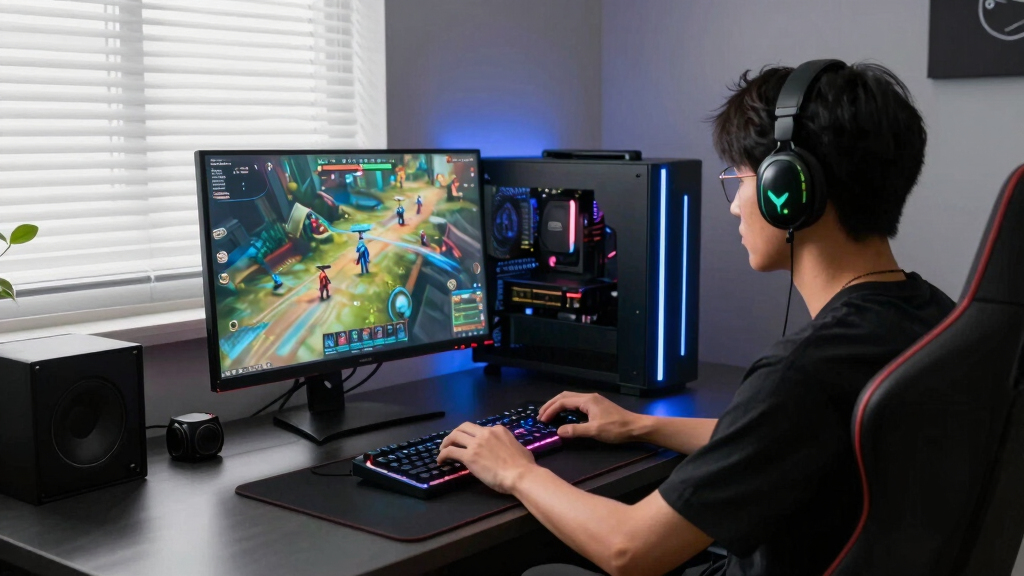
I ranked these systems by gaming performance at realistic display resolutions, not by model number or price alone. GPU tier carried the most weight because it has the largest effect on frame rates, ray tracing, and how long a configuration can handle demanding games. I then compared CPU and GPU balance, memory capacity, SSD space, secondary-drive speed, cooling design, and wireless connectivity. For laptops, I gave extra weight to display quality, portability, and the performance limits created by a smaller chassis. I also examined upgrade flexibility and configuration clarity, since vague bundles and hard-drive-heavy storage can weaken an otherwise appealing system.
My ranking favors the Area-51 RTX 5080 desktop because its liquid-cooled chassis, 2TB SSD, and flagship-class GPU form the best all-around package. The RTX 5090 model sits in the premium role because its extra graphics power, memory, and storage are expensive benefits that many players will not use fully. Among less costly systems, I placed the ACT1250 RTX 5070 ahead of the RTX 5060 Ti version for its stronger performance runway, while retaining the 5060 Ti model as the easier beginner purchase. The RTX 5070 Ti laptop ranks ahead of its RTX 5080 sibling on value, though the 5080 version remains the faster portable machine. Older and bundled configurations rank lower because discount size and exact component details determine whether they beat newer alternatives.
| Alienware gaming PC | Graphics Card | Operating System |
|---|---|---|
| Alienware Aurora R16 Gaming De | NVIDIA GeForce RTX 5080, 16GB GDDR7 | Windows 11 Pro |
| Alienware Aurora ACT1250 Gamin | NVIDIA GeForce RTX 5060 Ti | Windows 11 Home |
| Alienware Aurora R15 Gaming De | NVIDIA GeForce RTX 4080, 16GB GDDR6X | Windows 11 Home |
| Alienware 16 Area-51 Gaming La | NVIDIA GeForce RTX 5070 Ti | Windows 11 Home |
| Alienware 16 Area-51 Gaming La | NVIDIA GeForce RTX 5080, 16GB GDDR7 | — |
| Alienware Aurora ACT1250 Gamin | — | — |
| Alienware Aurora ACT1250 AI Ga | — | Windows 11 Home |
| Dell Alienware Area-51 AAT2250 | — | Windows 11 Home |
| Dell Alienware Area-51 AAT2250 | — | — |
Factors to Consider When Choosing Best Alienware Gaming PCs
Choosing among Alienware systems starts with identifying the performance you will actually use. I would focus on resolution and refresh rate, then decide how much portability, storage, and upgrade access matter. A higher model number can buy more speed, but chassis design and component balance decide whether that speed is sensible for your setup. The following factors help separate a worthwhile configuration from an expensive mismatch.
Match the GPU Tier to Your Display
I would choose the graphics card around the monitor rather than buying the fastest GPU by habit. An RTX 5060 Ti is aimed more naturally at 1080p or moderate 1440p play, while an RTX 5070 gives higher-refresh 1440p setups more breathing room. The RTX 5080 tier makes sense for 4K, heavy ray tracing, or keeping a system for several demanding game cycles. An RTX 5090 can push farther, but part of its price pays for performance that ordinary 1440p displays cannot show. CPU choice matters most when chasing very high frame rates, running simulation-heavy games, or streaming while playing. I see the RTX 5080 and Core Ultra 9 pairing as the broadest high-end fit, while the ACT1250’s Ultra 7 configurations are better matched to midrange GPUs.
Decide Whether Portability Is Worth the Compromise
An Area-51 laptop places the display, keyboard, battery, and gaming hardware in one transportable package, but it is not a direct substitute for an equally named desktop GPU. Laptop graphics processors operate within tighter power and thermal limits, so an RTX 5080 laptop may trail an RTX 5080 desktop by a meaningful margin. The 16-inch WQXGA 240Hz display suits competitive games and detailed single-player releases, though the large chassis is closer to a movable workstation than a light travel notebook. A desktop offers better cooling, easier repairs, and broader upgrades if it will remain at one desk. I would choose the RTX 5070 Ti laptop for mixed work, gaming, and travel, then reserve the RTX 5080 laptop for buyers who need the fastest portable option. Anyone who rarely moves the machine gets more performance per dollar from an Aurora or Area-51 tower.
Account for Cooling, Noise, and Chassis Size
High-end components create heat that has to leave the case, making cooling design part of the performance equation. The liquid-cooled Area-51 desktops have a stronger foundation for power-hungry RTX 5080 and RTX 5090 configurations than a smaller enclosure. Better thermal capacity can reduce fan surges and help components sustain their intended clock speeds during long sessions, though no flagship gaming PC will be silent under full load. The Aurora R16 takes up less visual and physical space, but that advantage should be weighed against tighter internal access. I would measure the desk area, ventilation clearance, and route to the room before buying a large tower. Buyers sensitive to noise should favor a balanced GPU rather than excess power, since limiting heat at the source often helps more than chasing an elaborate cooling specification.
Buy Enough Memory and Fast Storage
For a new gaming system, I view 16GB of RAM as the entry point and 32GB as the safer target for modern games, background applications, and several years of use. Moving to 64GB rarely improves frame rates by itself, but it helps with large creative projects, virtual machines, and memory-heavy production work. Storage deserves equal attention because current games can consume hundreds of gigabytes. A 2TB SSD is more convenient than a mixed SSD and hard-drive setup, even when both configurations advertise the same total capacity. Mechanical drives remain useful for archives and media, but their slower loading and installation speeds make them less appealing for an active game library. I would value usable SSD capacity over inflated total storage unless the hard drive serves a clear secondary purpose.
Judge Upgrade Access Before Paying for Longevity
A desktop can last longer when memory, storage, and graphics hardware remain accessible, but a branded gaming tower may use case layouts or supporting parts that narrow future options. I would inspect the available slots, power-supply capacity, physical GPU clearance, and service documentation before treating any Alienware as a long-term upgrade platform. Adding an SSD or memory is usually simpler than replacing a graphics card, cooling system, or motherboard. The Area-51 chassis offers the better starting point for expansion, while compact Aurora designs appeal more to buyers who expect to keep the factory configuration. Laptops permit far fewer meaningful changes because the CPU and GPU are generally fixed. If future upgrades are a priority, pay for the chassis and power foundation now, then add storage or memory later.
Compare the Whole Configuration, Not the Bundle Label
Alienware listings with similar names can hide different GPUs, memory amounts, storage layouts, operating-system editions, warranties, or third-party software. I would verify the component list line by line before treating a bundle as a better deal. A three-year antivirus subscription has limited hardware value and should not outweigh a stronger GPU, more SSD space, or a better service plan. Windows 11 Pro is useful for business management, remote access, and certain security features, but it does not improve gaming frame rates. Older systems such as the Aurora R15 can still be attractive when the discount is large enough to offset the older platform. The fairest comparison uses the final checkout price, warranty length, included peripherals, and exact internal parts rather than the advertised savings.
Frequently Asked Questions
Is the RTX 5090 Area-51 worth buying over the RTX 5080 model?
I would choose the RTX 5090 Area-51 only for uncompromised 4K gaming, demanding creation workloads, local AI work, or a multi-display setup that can use its 32GB of graphics memory. The RTX 5080 configuration already offers high-end gaming power and places less pressure on the purchase budget. Its 2TB SSD and 32GB of system memory are also enough for a much wider group of players. The RTX 5090 model’s 64GB of RAM and 4TB SSD add workstation appeal, but those upgrades do not automatically produce better gaming value. For gaming first and everything else second, the RTX 5080 is my preferred balance.
Should I buy an Alienware Area-51 desktop or an Aurora?
I favor an Area-51 desktop for maximum performance and expansion, particularly with an RTX 5080 or RTX 5090. Its larger liquid-cooled design is better aligned with components that draw substantial power during long gaming sessions. An Aurora makes more sense when desk space, a lower entry price, or a less imposing case matters more than broad internal access. The Aurora R16 with RTX 5080 can still deliver serious 4K performance, but its mixed SSD and hard-drive storage is less appealing than the all-SSD Area-51 configuration. Buyers who plan to retain the original hardware can save with an Aurora, while frequent upgraders should lean toward Area-51.
Is 16GB of RAM enough for an Alienware gaming PC in 2026?
16GB remains workable for a beginner system when gaming is the main task and background applications are kept under control. It can become restrictive when a game runs alongside a browser, voice chat, recording software, or creative tools. I prefer 32GB for a new midrange or high-end purchase because it provides breathing room without the steep cost of 64GB. Before upgrading, check whether the listing uses one memory module or a matched pair, since memory-channel configuration can affect performance. I would reserve 64GB for buyers whose non-gaming workloads can actually use it.
Which Alienware Area-51 laptop configuration offers better value?
The RTX 5070 Ti Area-51 laptop offers the better value for most portable gamers because it retains the same 16-inch WQXGA 240Hz display, Ultra 9 processor class, 32GB of RAM, and 1TB SSD as the pricier option. Its graphics hardware is still well suited to the laptop’s native resolution, especially when upscaling is available. I would pay for the RTX 5080 version only when higher settings and stronger ray tracing matter more than price. Both machines remain large gaming laptops with limited internal upgrades and substantial power needs. The 5070 Ti model is my portable recommendation, while the RTX 5080 model is the performance-first choice.
When does the older Aurora R15 make more sense than a current ACT1250?
The Aurora R15 with RTX 4080 can be the better purchase when a major discount places it near an ACT1250 with RTX 5070 or below it. Its Ryzen 9 7900X, 32GB of RAM, and RTX 4080 remain capable for high-resolution gaming, while the 3TB combined storage is useful for a large library. The tradeoff is an older platform, a mechanical secondary drive, and less appeal for buyers who value current connectivity or a longer upgrade runway. I would compare real game performance, warranty coverage, and final price rather than assuming the newer model always wins. If the price gap is small, the newer ACT1250 is the cleaner long-term buy.
Conclusion
For the widest range of high-end buyers, I recommend the Alienware Area-51 AAT2250 with RTX 5080 as the best overall choice. The Aurora ACT1250 with RTX 5070 is my value pick, while the RTX 5060 Ti ACT1250 gives beginners a more accessible entry point. Buyers seeking the fastest desktop and substantial creation capacity should choose the RTX 5090 Area-51 as the premium option. For portable gaming, I favor the Area-51 laptop with RTX 5070 Ti; the RTX 5080 laptop fits players who accept a higher price for added mobile performance. The Aurora R16 RTX 5080 is the better compact high-end alternative, and the Aurora R15 deserves attention only when its discount clearly beats newer configurations. I would skip paying extra for the antivirus bundle unless its hardware and final price match the stronger standalone ACT1250 deals.
Halloween Picks
halloween
As an affiliate, we earn on qualifying purchases.