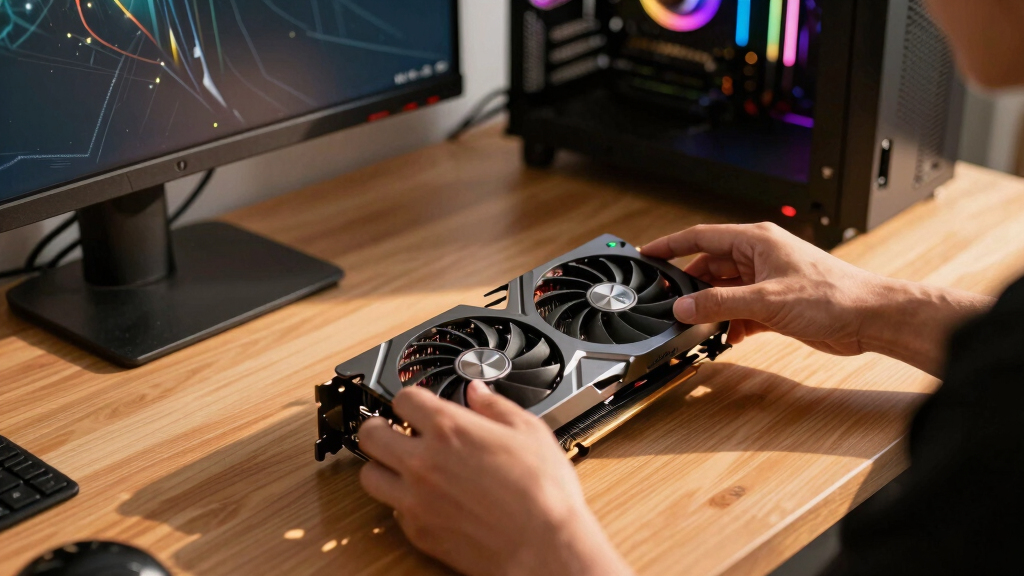

The EVGA GeForce GTX 1080 Ti SC Black Edition is my best overall pick among these GTX 1080 graphics cards because it pairs the faster Ti GPU with a custom cooler. Buyers seeking a standard GTX 1080 should favor the MSI Gaming GeForce GTX 1080 8GB for its balanced cooling, while the renewed MSI Armor model offers a lower-cost route if it includes strong return protection. The main choice is between 1080 Ti performance and the lower power demands of an 8GB GTX 1080. Cooler design, card dimensions, power connections, and the risks attached to used or renewed hardware may matter as much as raw frame rates. Continue reading for my full breakdown of which model fits each buyer and where every option gives something up.

Play games on Amazon Luna for your game nights, included with Prime
- A rotating selection of games, no download needed
- Play on TV, laptop or phone
- Fast, free delivery for your gear, too
Complete the kit


Key Takeaways
- EVGA’s GTX 1080 Ti SC Black Edition ranks first because its faster 11GB Ti platform and custom cooling provide the strongest all-around combination in this lineup.
- Among the standard 8GB cards, the MSI Gaming GTX 1080 offers a more balanced ownership proposition than the louder blower-style Founders Edition models.
- The Founders Edition cards make the most sense for exhaust-focused cases, but their blower coolers usually trade lower internal case heat for more noise and higher GPU temperatures.
- The renewed MSI Armor GTX 1080 can be the value leader, yet seller quality, warranty length, and return rights can erase its price advantage.
- The 1080 Ti models deliver more performance and 11GB of memory, but none of these Pascal cards supports hardware ray tracing or DLSS, which limits their appeal beside newer GPUs.
| MSI Gaming GeForce GTX 1080 Ti 11GB GDDR5X VR Ready Graphics Card (Renewed) |  | Best Overall Performance | GPU: NVIDIA GeForce GTX 1080 Ti | Memory: 11GB GDDR5X | Memory Interface: 352-bit | VIEW LATEST PRICE | See Our Full Breakdown |
| EVGA GeForce GTX 1080 Ti SC Black Edition Gaming Graphics Card |  | Best for Cooling | GPU: NVIDIA GeForce GTX 1080 Ti | Base Clock: 1556 MHz | Boost Clock: 1670 MHz | VIEW LATEST PRICE | See Our Full Breakdown |
| EVGA GeForce GTX 1080 FTW GAMING ACX 3.0 8GB GDDR5X Graphics Card |  | Best Factory Overclock | GPU: NVIDIA GeForce GTX 1080 | Base Clock: 1721 MHz | Boost Clock: 1860 MHz | VIEW LATEST PRICE | See Our Full Breakdown |
| MSI Gaming GeForce GTX 1080 8GB GDDR5X Graphics Card |  | Best for Multi-Monitor Gaming | GPU: NVIDIA GeForce GTX 1080 | Video Memory: 8GB GDDR5X | Maximum Resolution: 7680 x 4320 | VIEW LATEST PRICE | See Our Full Breakdown |
| Nvidia GeForce GTX 1080 8GB Founders Edition GDDR5X Video Graphics Card (Renewed) |  | Best Reference-Design Value | GPU: NVIDIA GeForce GTX 1080 | Memory: 8GB GDDR5X | Edition: Founders Edition | VIEW LATEST PRICE | See Our Full Breakdown |
| GIGABYTE GeForce GTX 1080 G1 Gaming 8GB Graphics Card |  | Best Mainstream All-Rounder | Memory: 8GB GDDR5X | Memory Interface: 256-bit | Base Clock: 1721 MHz | VIEW LATEST PRICE | See Our Full Breakdown |
| NVIDIA GeForce GTX 1080 Founders Edition |  | Best Reference-Design Pick | GPU Model: GeForce GTX 1080 | Edition: Founders Edition | Condition: Refurbished | VIEW LATEST PRICE | See Our Full Breakdown |
| NVIDIA GeForce GTX 1080 Ti – Founders Edition (Renewed) |  | Best Performance Upgrade | GPU Model: GeForce GTX 1080 Ti | Edition: Founders Edition | Condition: Renewed | VIEW LATEST PRICE | See Our Full Breakdown |
| MSI Gaming GeForce GTX 1080 8GB GDDR5X Graphics Card (GTX 1080 ARMOR 8G OC) – Renewed |  | Best for Multi-Monitor Gaming | Chipset: NVIDIA GeForce GTX 1080 | Video Memory: 8GB GDDR5X | OpenGL Support: OpenGL 4.5 | VIEW LATEST PRICE | See Our Full Breakdown |
| GTX 1080 graphics card | GPU | Memory | Condition |
|---|---|---|---|
| MSI Gaming GeForce GTX 1080 Ti | NVIDIA GeForce GTX 1080 Ti | 11GB GDDR5X | Certified refurbished |
| EVGA GeForce GTX 1080 Ti SC Bl | NVIDIA GeForce GTX 1080 Ti | 11264MB GDDR5X | — |
| EVGA GeForce GTX 1080 FTW GAMI | NVIDIA GeForce GTX 1080 | 8GB GDDR5X | — |
| MSI Gaming GeForce GTX 1080 8G | NVIDIA GeForce GTX 1080 | — | — |
| Nvidia GeForce GTX 1080 8GB Fo | NVIDIA GeForce GTX 1080 | 8GB GDDR5X | Renewed |
| GIGABYTE GeForce GTX 1080 G1 G | — | 8GB GDDR5X | — |
| NVIDIA GeForce GTX 1080 Founde | — | — | Refurbished |
| NVIDIA GeForce GTX 1080 Ti | — | — | Renewed |
| MSI Gaming GeForce GTX 1080 8G | — | — | Renewed |
More Details on Our Top Picks
MSI Gaming GeForce GTX 1080 Ti 11GB GDDR5X VR Ready Graphics Card (Renewed)
I rank the MSI GTX 1080 Ti first because its 11GB of GDDR5X memory and 352-bit interface give demanding games, VR applications, and high-resolution workloads more breathing room than any standard GTX 1080 here. Compared with the MSI GTX 1080 8GB, it offers greater performance headroom and three additional gigabytes of memory, making it better suited to heavier textures and rendering projects. Support for four displays also suits elaborate workstations. The compromise is condition: this is a certified refurbished card, so cosmetic wear, generic packaging, and a minimum 90-day warranty may concern buyers seeking long-term protection. Its 290mm length and 51mm thickness also demand a roomy case. I see it as the strongest performance choice, but only when its renewed price stays sensible.
Pros:- 11GB of GDDR5X memory provides extra room for demanding textures and rendering workloads
- 352-bit memory interface offers more bandwidth than standard GTX 1080 models
- Supports VR and configurations with up to four displays
- Certified refurbished condition includes testing, accessories, and a minimum 90-day warranty
Cons:- Renewed condition may include cosmetic wear and generic packaging
- Minimum 90-day warranty is short for an aging high-performance card
- Large 290 x 140 x 51 mm body may obstruct adjacent slots or exceed case clearance
Best for: Enthusiasts and creators who want GTX 1080 Ti performance, 11GB of memory, and four-display support at a renewed-market price
Not ideal for: Buyers wanting a compact card, original retail packaging, or warranty coverage extending well beyond 90 days
- GPU:NVIDIA GeForce GTX 1080 Ti
- Memory:11GB GDDR5X
- Memory Interface:352-bit
- Display Support:Up to 4 monitors
- VR Support:VR Ready
- Dimensions:290 x 140 x 51 mm
- Condition:Certified refurbished
- Warranty:Minimum 90 days
Our verdict“This is my first choice for buyers seeking the highest performance in the lineup and willing to accept renewed-condition risks.”
EVGA GeForce GTX 1080 Ti SC Black Edition Gaming Graphics Card
The EVGA GTX 1080 Ti SC Black Edition earns its place through iCX cooling, redesigned airflow, and L-shaped contact fins that help manage its 250W power draw. That thermal focus makes it a better fit for long gaming sessions than the faster-clocked EVGA GTX 1080 FTW, whose fans may become noisy under load. It also carries 11GB of GDDR5X memory, giving it a clear capacity advantage over every 8GB GTX 1080 in this batch. I place it behind the renewed MSI GTX 1080 Ti because the MSI offers similar memory-class performance without the SC Black Edition’s stated premium positioning. Buyers also need a 600W power supply, both 6-pin and 8-pin connectors, and ample case space. This is the thermally focused premium pick, not the easiest drop-in upgrade.
Pros:- EVGA iCX cooling targets heat across key card components
- 11GB of GDDR5X memory suits demanding games and high-resolution assets
- L-shaped contact fins and redesigned airflow support sustained workloads
- 1556MHz base and 1670MHz boost clocks provide strong gaming performance
Cons:- Requires a 600W power supply plus separate 6-pin and 8-pin PCIe connectors
- 250W board draw produces substantial heat and raises system power demand
- Large, heavy construction and premium pricing narrow its appeal
Best for: Desktop gamers with spacious cases and 600W power supplies who prioritize sustained GTX 1080 Ti performance and capable heat management
Not ideal for: Budget upgraders and small-form-factor owners whose cases or power supplies cannot support a large 250W graphics card
- GPU:NVIDIA GeForce GTX 1080 Ti
- Base Clock:1556 MHz
- Boost Clock:1670 MHz
- Memory:11264MB GDDR5X
- Power Supply Requirement:600W
- Power Connectors:1x 6-pin and 1x 8-pin PCIe
- Total Power Draw:250W
- API Support:DirectX 12 and Vulkan
- Operating System Support:Windows 7, 8, and 10, 32/64-bit
Our verdict“I recommend this model to power-ready buyers who value robust cooling more than compact dimensions or a lower purchase price.”
EVGA GeForce GTX 1080 FTW GAMING ACX 3.0 8GB GDDR5X Graphics Card
I would choose the EVGA GTX 1080 FTW GAMING when clock speed and tuning flexibility matter more than extra memory. Its 1721MHz base and 1860MHz boost clocks are aggressive for a GTX 1080, while the double BIOS gives enthusiasts a useful fallback when adjusting settings. Compared with the MSI GTX 1080 8GB, the EVGA combines higher listed clocks with adjustable RGB lighting, making it the more performance-oriented and visually customizable option. It cannot match either GTX 1080 Ti model’s 11GB capacity or broader performance ceiling, so buyers targeting demanding high-resolution workloads should move up the ranking. ACX 3.0 cooling can also become audible under load, and the card needs a suitably capable power supply. I give it a distinct role as the fastest standard GTX 1080 pick in this batch.
Pros:- High 1721MHz base and 1860MHz boost clocks
- Double BIOS provides added flexibility for tuning and recovery
- Fully adjustable RGB lighting suits coordinated gaming builds
- VR-ready design supports plug-and-play headset compatibility
Cons:- 8GB memory offers less capacity than the GTX 1080 Ti models
- Cooling fans may become noisy during sustained heavy loads
- High clock speeds require adequate case ventilation and power delivery
Best for: Enthusiast gamers who want high factory clocks, adjustable RGB lighting, and dual-BIOS flexibility without moving to a GTX 1080 Ti
Not ideal for: Noise-sensitive users and buyers whose high-resolution workloads would benefit more from the 11GB memory of a GTX 1080 Ti
- GPU:NVIDIA GeForce GTX 1080
- Base Clock:1721 MHz
- Boost Clock:1860 MHz
- Memory:8GB GDDR5X
- RGB Lighting:Fully adjustable
- VR Support:VR Ready
- BIOS:Double BIOS
- Operating System Support:Windows 7, 8, and 10, 32/64-bit
Our verdict“This is my standard GTX 1080 pick for performance-focused builders who accept more fan noise in exchange for high clocks and tuning features.”
MSI Gaming GeForce GTX 1080 8GB GDDR5X Graphics Card
The MSI Gaming GTX 1080 8GB is my multi-monitor choice because its DVI-D, HDMI, and three DisplayPort outputs accommodate varied displays without forcing every owner onto one connector type. Its maximum 7680 x 4320 resolution also makes it useful for high-resolution desktop arrangements. Against the EVGA GTX 1080 FTW, this MSI is less compelling for buyers chasing the highest listed clocks or dual-BIOS flexibility, but its clearly documented output selection makes system planning easier. A 180W power draw and 500W supply recommendation are more approachable than the EVGA GTX 1080 Ti SC Black Edition’s 250W draw and 600W requirement. The tradeoff is physical size: at 279mm long and 140mm tall, it may not fit compact cases. I rank it as the more balanced connectivity pick, rather than the performance leader.
Pros:- DVI-D, HDMI, and three DisplayPort outputs support varied monitor combinations
- 8GB of GDDR5X memory remains suitable for gaming and VR applications
- 180W power draw is lower than the listed GTX 1080 Ti alternatives
- Supports DirectX 12, OpenGL 4.5, and resolutions up to 7680 x 4320
Cons:- 279 x 140 x 42 mm dimensions rule out some compact cases
- Requires both 6-pin and 8-pin PCIe power connections
- Standard GTX 1080 performance trails the two GTX 1080 Ti cards
Best for: Gamers and workstation users building mixed-connector, high-resolution, or multi-display setups around a 500W-or-better power supply
Not ideal for: Small-case builders and performance seekers who need the 11GB memory and higher ceiling of a GTX 1080 Ti
- GPU:NVIDIA GeForce GTX 1080
- Video Memory:8GB GDDR5X
- Maximum Resolution:7680 x 4320
- Display Outputs:1x DVI-D Dual Link, 1x HDMI, 3x DisplayPort
- Power Connectors:1x 6-pin and 1x 8-pin PCIe
- Power Supply Requirement:500W
- Power Consumption:180W
- OpenGL Support:4.5
- Dimensions:279 x 140 x 42 mm
Our verdict“I favor this card for buyers who need flexible display connectivity and manageable power demands more than maximum frame rates.”
Nvidia GeForce GTX 1080 8GB Founders Edition GDDR5X Video Graphics Card (Renewed)
I see the Nvidia GTX 1080 Founders Edition Renewed as the straightforward value route for buyers who prefer Nvidia’s reference design and can find it well below custom-card pricing. Its 8GB of GDDR5X memory supports gaming and rendering, but the sparse listing does not disclose clocks, outputs, power requirements, included accessories, or detailed warranty terms. That uncertainty places it below the MSI Gaming GTX 1080, which supplies clearer information for checking display and power compatibility. It also lacks the EVGA GTX 1080 FTW’s stated RGB lighting and double BIOS. The compact package measurements and 2.15-pound shipping weight make ordering logistics clear, yet they do not confirm installed-card dimensions. I would treat this as a price-dependent renewed buy: appealing when inexpensive, but hard to recommend when a better-documented card costs only slightly more.
Pros:- 8GB of GDDR5X memory supports gaming and GPU-accelerated professional workloads
- Renewed status may provide a lower entry price than custom GTX 1080 cards
- Founders Edition styling suits builders seeking Nvidia’s reference design
Cons:- Listing omits clock speeds, display outputs, power requirements, and installed dimensions
- Warranty coverage and included accessories are not specified
- Renewed condition creates more uncertainty than a clearly documented new card
Best for: Price-conscious buyers who specifically want Nvidia’s reference-style GTX 1080 and are willing to verify condition, compatibility, accessories, and warranty details before purchase
Not ideal for: Buyers who need documented clock speeds, display outputs, card dimensions, accessories, or dependable long-term warranty coverage
- GPU:NVIDIA GeForce GTX 1080
- Memory:8GB GDDR5X
- Edition:Founders Edition
- Condition:Renewed
- Product Type:Video card
- Package Dimensions:10.7 x 3.7 x 2.5 inches
- Package Weight:2.15 pounds
- Quantity:1
Our verdict“This renewed Founders Edition makes sense only when its price clearly offsets the missing specifications and limited condition details.”
GIGABYTE GeForce GTX 1080 G1 Gaming 8GB Graphics Card
I rank the GIGABYTE GTX 1080 G1 Gaming as the strongest all-round choice in this batch because its 1860 MHz boost clock pairs solid gaming speed with a clearly documented power requirement. It offers more performance-oriented tuning than the NVIDIA GeForce GTX 1080 Founders Edition, while avoiding the renewed-condition uncertainty attached to the MSI GTX 1080 ARMOR 8G OC. The 8GB of GDDR5X memory remains useful for high-resolution textures and graphics-heavy work, and its display support suits demanding multi-screen setups. Buyers still need room for the 280mm card, making it a poor match for compact cases. Its 500W minimum PSU also raises the upgrade cost for older systems. I see it as the most balanced conventional GTX 1080, but not the smallest or cheapest route into this performance class.
Pros:- 1860 MHz boost clock provides strong performance for a standard GTX 1080
- 8GB GDDR5X memory supports high-resolution textures and graphics workloads
- Supports output up to 8K at 60Hz when paired with the required DisplayPort connections
- Clear 500W minimum PSU specification makes compatibility planning easier
Cons:- 280mm length can block installation in compact or crowded cases
- A 500W minimum power supply may force an additional system upgrade
- Standard GTX 1080 performance falls behind the GTX 1080 Ti Founders Edition
Best for: ATX desktop owners who want a factory-overclocked GTX 1080 with documented clocks and high-resolution display support
Not ideal for: Small-form-factor builders or owners of older systems that lack space for a 280mm card or a suitable 500W power supply
- Memory:8GB GDDR5X
- Memory Interface:256-bit
- Base Clock:1721 MHz
- Boost Clock:1860 MHz
- Minimum PSU:500W
- Card Dimensions:280 x 114 x 41 mm
- Maximum Display Support:Up to 8K at 60Hz with two DisplayPort 1.3 connections
- Form Factor:ATX
Our verdict“This is my pick for buyers seeking the best balance of clock speed, documented requirements, and standard GTX 1080 performance.”
NVIDIA GeForce GTX 1080 Founders Edition
I place the NVIDIA GeForce GTX 1080 Founders Edition here for buyers who specifically want NVIDIA’s reference design rather than a factory-overclocked partner card. Its refurbished status can make it more accessible than a new old-stock model, and the listing states that it receives functionality testing and basic cleaning. Compared with the GIGABYTE GTX 1080 G1 Gaming, however, the product data supplies far fewer details about clocks, power needs, dimensions, and display outputs. That makes compatibility planning less certain. It also lacks the GIGABYTE model’s stated 1860 MHz boost clock, so I would not choose it purely for maximum speed. The generic packaging has no effect on frame rates, but it reduces collector appeal. This pick makes sense for a reference-card buyer who accepts refurbished-condition tradeoffs and can verify system compatibility independently.
Pros:- Official NVIDIA Founders Edition design
- Refurbished unit receives functionality testing and basic cleaning
- Suitable for both gaming and graphics-oriented professional workloads
- Relevant accessories are included according to the supplied product data
Cons:- Refurbished condition brings more history and uncertainty than a new card
- Listing omits clock speeds, dimensions, power requirements, and output details
- Generic packaging reduces appeal for collectors or gift buyers
Best for: Reference-design enthusiasts who want a refurbished NVIDIA-branded GTX 1080 and can verify dimensions and power compatibility themselves
Not ideal for: Buyers who want a new card, retail presentation, or detailed clock, connector, and power specifications before ordering
- GPU Model:GeForce GTX 1080
- Edition:Founders Edition
- Condition:Refurbished
- Functionality Check:Tested and certified
- Cleaning:Basic cleaning completed
- Accessories:Relevant accessories included
- Packaging:May ship in a generic box
- Intended Workloads:Gaming and professional graphics
Our verdict“I recommend this mainly to reference-design buyers who value the NVIDIA Founders Edition format more than detailed specifications or new condition.”
NVIDIA GeForce GTX 1080 Ti – Founders Edition (Renewed)
I give the NVIDIA GeForce GTX 1080 Ti Founders Edition the performance-upgrade role because the Ti model sits above standard GTX 1080 cards such as the GIGABYTE G1 Gaming and MSI ARMOR 8G OC. It is the better fit for buyers prioritizing demanding games or professional graphics workloads over the lower entry cost of a regular GTX 1080. The renewed condition may reduce its purchase price, but that saving comes with less certainty about prior use, warranty coverage, and remaining lifespan. Buyers may also receive non-original accessories and generic packaging, which matters if specific adapters or collector presentation are expected. The supplied data omits core specifications such as memory capacity, clocks, outputs, and power requirements, so I would verify the exact unit before purchase. I rank it for raw performance potential, not for buying simplicity or condition confidence.
Pros:- GTX 1080 Ti class offers higher performance potential than the standard GTX 1080 models in the lineup
- Founders Edition design suits buyers seeking NVIDIA’s reference configuration
- Renewed pricing can provide a cheaper route to Ti-level performance
- Listed as compatible and fully functional
Cons:- Renewed history may mean a shorter remaining service life
- Warranty coverage may be limited
- Non-original accessories and missing detailed specifications complicate purchase planning
Best for: Performance-focused gamers and graphics professionals willing to accept a renewed card for the higher capability of a GTX 1080 Ti
Not ideal for: Risk-averse buyers who require original accessories, confirmed warranty coverage, or complete clock and power specifications
- GPU Model:GeForce GTX 1080 Ti
- Edition:Founders Edition
- Condition:Renewed
- Product Type:Video card
- Package Dimensions:12.91 x 6.93 x 3.74 inches
- Package Quantity:1
- Accessories:May not be original
- Packaging:May be generic
Our verdict“This is my performance-first choice for buyers who want GTX 1080 Ti capability and are comfortable accepting renewed-product uncertainty.”
MSI Gaming GeForce GTX 1080 8GB GDDR5X Graphics Card (GTX 1080 ARMOR 8G OC) – Renewed
I assign the MSI GTX 1080 ARMOR 8G OC the multi-monitor role because its DVI-D, HDMI, and three DisplayPort connections offer more clearly documented display flexibility than the refurbished NVIDIA GTX 1080 Founders Edition listing. Its 8GB GDDR5X memory, VR support, and 7680 x 4320 maximum resolution also make it suitable for 4K gaming and graphics work across several screens. Compared with the GIGABYTE GTX 1080 G1 Gaming, though, MSI’s supplied data does not state base or boost clocks, leaving the real benefit of the OC branding unclear. Installation also demands both six-pin and eight-pin PCIe power, which may rule out basic power supplies. Since this is a renewed unit, warranty length and remaining lifespan deserve scrutiny. I favor it for output versatility and possible value, while the GIGABYTE remains the clearer performance pick.
Pros:- Five documented display outputs support varied multi-monitor arrangements
- 8GB GDDR5X memory is well suited to high-resolution textures and graphics work
- Supports resolutions up to 7680 x 4320
- VR-ready design broadens its gaming use
Cons:- Requires both a six-pin and an eight-pin PCIe power connection
- Renewed condition may bring limited warranty coverage or reduced remaining lifespan
- Listing does not provide base or boost clock figures despite the OC branding
Best for: Multi-monitor gamers and VR users who need DVI, HDMI, and several DisplayPort outputs from one GTX 1080
Not ideal for: Buyers with limited PSU cabling or anyone who wants a new card with disclosed clock speeds and predictable warranty coverage
- Chipset:NVIDIA GeForce GTX 1080
- Video Memory:8GB GDDR5X
- OpenGL Support:OpenGL 4.5
- Maximum Resolution:7680 x 4320
- Power Connections:1 x 6-pin PCIe and 1 x 8-pin PCIe
- DVI Output:1 x Dual-Link DVI-D
- HDMI Output:1 x HDMI
- DisplayPort Outputs:3 x DisplayPort
- Condition:Renewed
Our verdict“I would choose this for a display-heavy or VR setup when flexible outputs matter more than new condition and fully documented clock speeds.”
How We Picked
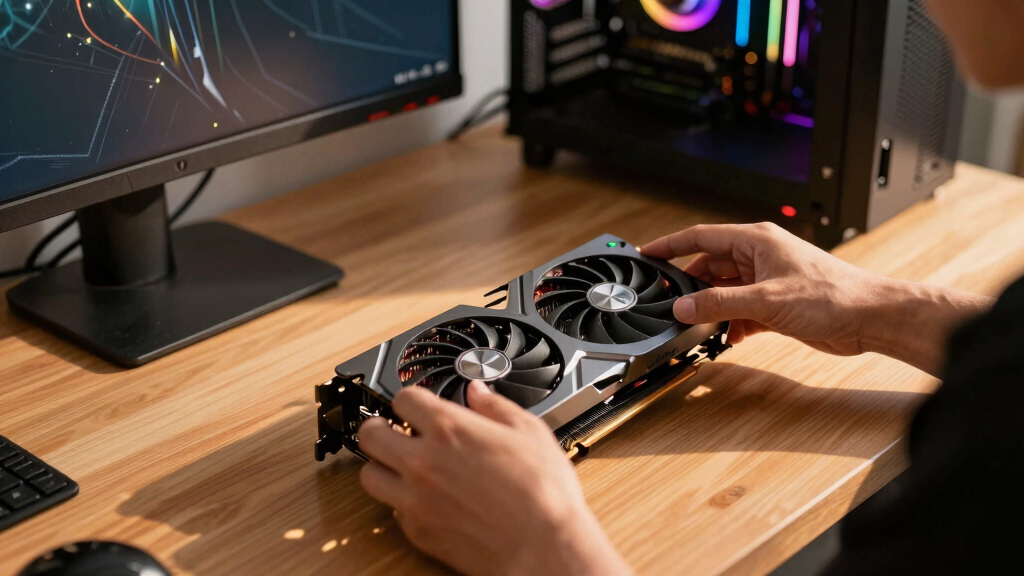
I ranked these cards by real buyer outcomes rather than branding alone. GPU tier received the greatest weight because a GTX 1080 Ti has a material performance advantage over a standard GTX 1080, but I also compared cooler design, expected noise, clock behavior, memory capacity, card size, and power requirements. Custom-cooled models generally placed above reference blower cards when they offered a better balance of sustained speed, temperature, and noise. Blower models still earned distinct roles where exhausting heat from the case is more useful than quiet operation.
Because every GTX 1080-generation card is now old hardware, I gave condition, seller protection, and value more weight than I would in a roundup of new GPUs. Renewed products lost ground when their savings did not clearly compensate for shorter coverage or uncertain prior use. I also separated models by buyer role so that the ranking reflects more than average performance: the first pick is the strongest all-rounder, while later choices address budget, reference dimensions, cooling preferences, and enthusiast features. I did not treat factory overclock labels as major advantages because cooler quality and unit condition can have a larger effect on day-to-day results.
| GTX 1080 graphics card | GPU | Condition |
|---|---|---|
| MSI Gaming GeForce GTX 1080 Ti | NVIDIA GeForce GTX 1080 Ti | Certified refurbished |
| EVGA GeForce GTX 1080 Ti SC Bl | NVIDIA GeForce GTX 1080 Ti | — |
| EVGA GeForce GTX 1080 FTW GAMI | NVIDIA GeForce GTX 1080 | — |
| MSI Gaming GeForce GTX 1080 8G | NVIDIA GeForce GTX 1080 | — |
| Nvidia GeForce GTX 1080 8GB Fo | NVIDIA GeForce GTX 1080 | Renewed |
| GIGABYTE GeForce GTX 1080 G1 G | — | — |
| NVIDIA GeForce GTX 1080 Founde | — | Refurbished |
| NVIDIA GeForce GTX 1080 Ti | — | Renewed |
| MSI Gaming GeForce GTX 1080 8G | — | Renewed |
Factors to Consider When Choosing Best GTX 1080 Graphics Cards
Choosing from this generation requires more than finding the largest factory clock printed on a listing. I would start with the performance tier, then examine condition, cooler layout, physical compatibility, and the price gap to newer hardware. These factors reveal whether an older flagship is a sensible bargain or merely an expensive piece of aging hardware.
Choose Between GTX 1080 and GTX 1080 Ti Performance
The GTX 1080 Ti is the faster class, not a small factory-overclock variation of the regular GTX 1080. Its extra processing resources and 11GB of memory make it better suited to demanding 1440p games, high-resolution texture packs, and older 4K workloads. A standard GTX 1080 remains a reasonable match for 1080p gaming and lighter 1440p settings when it costs materially less. Paying a large premium for a Ti card makes less sense if the monitor is limited to 1080p at 60Hz. I would compare the total system target rather than buying the fastest board automatically, since the Ti also draws more power and produces more heat. The common mistake is treating 1080 and 1080 Ti listings as direct equivalents because their names look similar.
Treat Condition as Part of the Price
A low asking price means little when a card arrives with worn fans, dried thermal paste, or no practical return route. I would give preference to listings with clear photos, a serial number, written condition details, and buyer protection. Ask whether the card has been repaired, opened, mined on, or run with a modified firmware, though a seller’s answer cannot replace a return policy. Fan noise under load, display-output stability, and visible corrosion are useful warning signs during the return window. A renewed label is only valuable when it describes actual inspection work and comes with enforceable coverage. My rule is to treat warranty and return rights as part of the purchase price, not as minor extras.
Match the Cooler to the Case
Open-air custom coolers usually provide quieter operation and lower GPU temperatures by spreading heat through two or three fans. They also release most of that heat inside the computer, so weak case airflow can raise CPU, storage, and motherboard temperatures. A blower-style Founders Edition pulls air through the card and pushes much of it out the rear vent, which can help in tightly packed systems. The tradeoff is a smaller fan that often needs to spin faster and sound louder. Large triple-fan cards also need more physical room and may sag without support. I would favor a custom cooler for a ventilated tower and reserve a blower card for layouts that benefit from direct exhaust.
Check Power and Physical Compatibility
Board-partner cards can be longer, taller, and thicker than the reference design, making the model name an unreliable guide to fit. Measure available GPU length and slot clearance, then account for front radiators, drive cages, cables, and adjacent expansion cards. Power plugs also differ: some models use one connector, while heavily overclocked versions may require two. I would check the exact manufacturer’s specification for the individual model and pair it with a quality power supply that has native PCIe cables. Adapter chains and aging low-grade supplies add risk to hardware that can draw substantial power under load. Fit and power checks should happen before purchase because a bargain card that cannot be installed has no value.
Compare the Price With Newer GPUs
The GTX 1080 family can still deliver useful conventional gaming performance, but its age changes what counts as a fair deal. Newer cards may add hardware ray tracing, modern upscaling, newer video encoders, lower power use, and longer driver support. Those features can outweigh a small frame-rate advantage from an older GTX 1080 Ti. I would compare the complete cost against recent used and entry-level new GPUs, including any power-supply upgrade or fan replacement. A steep discount can make a clean GTX 1080 appealing for an existing PCIe system, while a narrow price gap favors newer hardware. Avoid paying collector-style prices for a Founders Edition unless its reference design serves a specific build requirement.
Frequently Asked Questions
Is a GTX 1080 graphics card still worth buying in 2026?
A GTX 1080 can still make sense for 1080p gaming and selected 1440p games when the price is low and the card is in good condition. It is less attractive for new ray-traced releases because Pascal lacks hardware ray tracing and DLSS support. Older esports titles and conventional rasterized games are a better fit than the most demanding new releases. I would compare its price with newer used GPUs before buying, since better efficiency and feature support may justify spending more. The card is a value purchase in 2026, not a future-focused upgrade.
How much more should I pay for a GTX 1080 Ti over a GTX 1080?
I would pay extra for a GTX 1080 Ti when the buyer wants higher-refresh 1440p performance or 11GB of memory and the rest of the system can support its power draw. The premium should remain moderate because both GPUs share the same aging Pascal feature set. If the Ti approaches the price of a newer card with a warranty and modern upscaling, the newer option may be the better purchase. Condition can also reverse the comparison: a clean GTX 1080 with strong coverage may be safer than a heavily used Ti. The right gap depends on local prices, but performance alone should not justify an open-ended premium.
Is it safe to buy a renewed GTX 1080 or GTX 1080 Ti?
A renewed card can be reasonable when the listing includes a clear return window and meaningful warranty coverage. The word renewed does not reveal whether the seller replaced fans, refreshed thermal material, or simply checked that the card displayed an image. I would inspect the ports, fan behavior, temperatures, clock stability, and video output soon after delivery. Any artifacting, repeated driver crashes, grinding fans, or unexpected thermal throttling should trigger a return. A renewed card is most appealing when the discount clearly pays for the added uncertainty.
What power supply do I need for these GTX 1080 cards?
A quality 550W unit is a sensible starting point for many standard GTX 1080 systems, while GTX 1080 Ti and heavily overclocked builds often call for 600W to 650W or more. CPU power draw, overclocking, storage, cooling hardware, and power-supply age can change that target. I would follow the specification for the exact graphics-card model rather than the GPU family alone. The supply also needs the correct number of native PCIe power connectors. Build quality matters more than a large wattage label, especially with an older unit.
Should I choose a Founders Edition or a custom-cooled GTX 1080?
I would choose a custom-cooled card for most ventilated desktop towers because its larger heatsink and multiple fans usually support quieter, cooler operation. A Founders Edition is better suited to builds that need reference dimensions or direct rear exhaust. That blower design can also help when several expansion cards sit close together, but it tends to run louder. Factory overclocks on custom cards are a smaller advantage than their cooling systems because Pascal dynamically adjusts clock speed around temperature and power limits. For most buyers, cooler layout and case airflow should decide the choice.
Conclusion
My best overall recommendation is the EVGA GeForce GTX 1080 Ti SC Black Edition, which combines Ti-class performance with a more capable custom cooler than the reference alternatives. Buyers chasing premium performance should also examine the MSI Gaming GeForce GTX 1080 Ti 11GB, provided its renewed coverage and condition justify the price. For value seekers, the renewed MSI Armor GTX 1080 is the most appealing budget route when backed by a dependable return policy. Beginners are better served by the MSI Gaming GeForce GTX 1080 8GB, whose conventional custom-cooled design avoids many of the noise compromises attached to blower cards.
The EVGA GTX 1080 FTW fits enthusiasts who value a feature-rich board and tuning flexibility, while the GIGABYTE G1 Gaming model suits a roomy, well-ventilated case. I would choose one of the standard GTX 1080 Founders Edition listings only for reference dimensions or rear exhaust, selecting the renewed version when its price and coverage are stronger. The renewed GTX 1080 Ti Founders Edition fills the same niche for buyers who want Ti performance from a blower design. For everyone else, the EVGA SC Black remains the clearest high-performance choice, while the MSI Gaming GTX 1080 offers the safer balance of cost, cooling, and usability.
Halloween Picks
halloween
As an affiliate, we earn on qualifying purchases.