
TL;DR

Play games on Amazon Luna for your game nights, included with Prime
- A rotating selection of games, no download needed
- Play on TV, laptop or phone
- Fast, free delivery for your gear, too
Polyarc Games, known for the critically acclaimed Moss VR series, has officially closed its doors after nearly a decade. The studio announced its shutdown via LinkedIn, with layoffs confirmed earlier this year. The closure marks the end of a notable chapter in VR gaming.
VR developer Polyarc Games has closed permanently, ending its nearly 12-year run. The company announced the shutdown via a LinkedIn post, stating that it is winding down active development and bidding farewell to its team. This marks the end of a studio responsible for critically acclaimed titles like the Moss series, which significantly influenced VR gaming.
Polyarc Games, best known for creating the Moss series, officially announced its closure on March 2026 through a LinkedIn statement. The post expressed gratitude to staff and players, noting the studio’s nearly 12-year history in VR development. The announcement follows a major layoffs event in March 2026, where approximately two-thirds of the team was let go, indicating financial or operational difficulties.
The Moss franchise, comprising Moss and Moss: Book II, was highly praised and awarded, with over 160 accolades. Learn more about VR game success. Originally launched on PlayStation VR in 2018, the series expanded to PC VR and Oculus Quest, garnering over 7,500 five-star reviews. The sequel, Moss: Book II, released in 2022, won several awards, including VR/AR Game of the Year at The Game Awards and Game of the Year at the VR Awards. A third installment, Moss: The Forgotten Relic, launched in July 2025, was also well-watched, with over 200,000 wishlists prior to release.
Aside from the Moss series, Polyarc expanded its universe with Glassbreakers: Champions of Moss, a PVP strategy game launched in November 2025. Despite initial interest, Glassbreakers received mixed reviews and did not replicate the success of the earlier titles, leading to questions about the studio’s financial stability.
As of now, it remains unclear what specific factors led to the studio’s closure, whether financial difficulties, shifting market conditions, or other internal issues. The company’s website and social channels have been taken down, and the affected employees are listed in a publicly available spreadsheet linked in the LinkedIn post.
Moss VR Developer Polyarc Games Has Shut Down
After nearly 12 years, the studio behind one of virtual reality’s most celebrated adventure series has ended active development. Its closure leaves an acclaimed catalogue—and major questions about the economics of specialist VR studios.
Polyarc announced that its team was winding down active development.
Reported awards and nominations earned by the Moss franchise.
No confirmed buyer or new steward for the Moss universe has been announced.
From breakout VR storytelling to a final farewell
The reported arc shows a studio that helped define character-driven VR, expanded its flagship universe, then faced severe operational pressure.
Polyarc begins
The studio forms around the belief that virtual reality can support intimate, character-led adventures.
Moss launches
The debut arrives on PlayStation VR before expanding across PC VR and Oculus Quest platforms.
The universe grows
Moss: Book II earns major recognition, followed by further Moss projects and the competitive Glassbreakers.
Development ends
Following substantial layoffs, Polyarc publicly announces the end of the studio’s active development work.
A small hero with an outsized influence
Moss demonstrated that VR could deliver polished narrative adventures across several hardware ecosystems—not only simulations, shooters, or experimental experiences.
Presence with perspective
The player inhabited the world as an active companion, creating a distinctive relationship with protagonist Quill while preserving precise third-person play.
Built across platforms
The series moved beyond its PlayStation VR origins to reach PC VR and Quest audiences, extending the life of a premium VR adventure.
Critical success was real
Awards, nominations, and thousands of highly positive user reviews established Moss as a reference point for story-driven virtual reality.
“The end of an era for Polyarc.”
“After nearly 12 years riding the joyous rollercoaster of emotions that is making video games, our time together has come to an end.”
Polyarc’s LinkedIn announcementActive development stopped
The shutdown ends Polyarc’s ongoing production activity and dissolves the team behind its VR catalogue.
Major layoffs preceded closure
Approximately two-thirds of the workforce was reportedly affected before the final shutdown announcement.
The precise cause is unknown
Financial pressure and market conditions are plausible factors, but Polyarc did not publish a detailed explanation.
Acclaim did not guarantee continuity
The studio’s projects generated different levels of critical, commercial, and strategic momentum.
| Project | Release context | Market signal | Legacy or outcome |
|---|---|---|---|
| Moss | Launched in 2018 and expanded across major VR platforms. | ✓ Breakout success | Established Polyarc’s reputation for polished narrative VR. |
| Moss: Book II | Released in 2022 with a refined version of the original formula. | ✓ Award-winning | Won major honors, including prominent VR game-of-the-year awards. |
| Moss: The Forgotten Relic | Reportedly launched in July 2025 after strong pre-release interest. | ~ 200,000+ wishlists | Attention was substantial, but its long-term impact was cut short. |
| Glassbreakers: Champions of Moss | A player-versus-player strategy expansion released in late 2025. | ✕ Mixed reception | Did not reproduce the reported success of the core Moss adventures. |
What is known—and what remains speculation
The closure itself is clear. The commercial causes, franchise ownership plans, and support outlook are not.
The bar lengths communicate certainty based on the supplied reporting; they are not financial scores or statistical probabilities.
Why one studio closure travels beyond one franchise
Polyarc’s story connects creative achievement to the structural pressures facing teams built primarily around virtual reality.
Premium craft
High-detail worlds require specialist talent and sustained production budgets.
VR focus
A smaller addressable audience limits the revenue ceiling for dedicated studios.
Platform shifts
Hardware cycles and storefront changes complicate long-term planning.
Portfolio risk
A later project that underperforms can place the wider studio under pressure.
Investor caution
The closure may influence how future specialist VR projects are funded.
The games endure; the roadmap does not
Existing Moss titles retain their artistic standing, but continued updates, a new installment, or an IP acquisition cannot be assumed without a future announcement.
Existing adventures remain the legacy
The released games continue to represent Polyarc’s contribution, even as future support becomes uncertain.
Experienced talent returns to the market
Former staff bring specialized knowledge in immersive design, character animation, and VR production.
Sustainability remains the question
Prestige and awards can build cultural value without removing the commercial risks of a focused VR strategy.
Implications for VR Gaming and Studio Stability
The shutdown of Polyarc Games marks a significant moment in the VR industry, highlighting the challenges faced by mid-sized developers in a competitive market. The Moss series was considered a flagship VR franchise, demonstrating that high-quality, story-driven experiences could succeed on multiple platforms. Its closure raises questions about the sustainability of VR-focused studios and the future of similar projects. For players and fans, this means the end of ongoing support and potential new titles in the Moss universe, though the existing games remain highly regarded.
Moreover, the closure underscores the volatility within the VR sector, where even award-winning developers are not immune to market pressures. The failure of the studio’s later projects, like Glassbreakers, may reflect broader industry trends, including platform shifts, development costs, and changing consumer interest. This development could influence investor confidence and strategic decisions among VR developers and publishers.
Popular right now
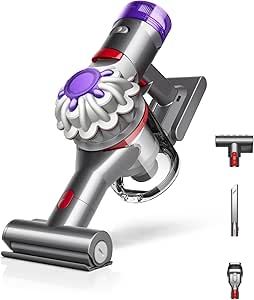
Dyson Car+Boat Cordless Handheld Vacuum

Ninja Luxe Café Premier 3-in-1 Espresso Machine, Drip Coffee & Cold Brew

Roborock Robot Vacuum and Mop with LiDAR Navigation and 10,000 Pa Suction
As an affiliate, we earn on qualifying purchases.
History of Polyarc and the Moss Franchise
Polyarc Games was founded around 2014 and quickly gained recognition for its innovative approach to VR gaming. Its debut title, Moss, launched in 2018 as a launch-day title for PlayStation VR and later expanded to PC VR and Oculus Quest. The game was praised for its charming storytelling, inventive mechanics, and seamless VR integration, earning over 160 awards and nominations. Its success led to the development of Moss: Book II, released in 2022, which further refined the formula and garnered critical acclaim.
The studio’s reputation was built on delivering immersive, narrative-rich experiences that appealed to both casual and core gamers. In addition to the Moss series, Polyarc attempted to diversify its portfolio with Glassbreakers, a PVP strategy game, which launched in late 2025. Despite initial enthusiasm, the game did not achieve comparable success, with mixed reviews and limited sales. The studio’s financial health appeared to decline earlier this year, culminating in the layoffs and eventual shutdown announced in March 2026.
Up to this point, Polyarc was regarded as an innovative leader in VR, demonstrating that compelling storytelling could thrive in the medium. Its closure is seen as a setback for the VR community, which had hoped for sustained growth and more high-quality titles from established developers.
“Today is the end of an era for Polyarc. After nearly 12 years riding the joyous rollercoaster of emotions that is making video games, our time together has come to an end. As we wind down active development, we are saying our farewells to each other.”
— Polyarc’s LinkedIn Post
Factors Behind Polyarc’s Closure Remain Unclear
It is not yet confirmed what specific financial or strategic issues led to Polyarc’s shutdown. While layoffs and market challenges are evident, the precise internal reasons have not been publicly disclosed. The future of the Moss franchise or potential sale remains uncertain, and the company has not issued further statements beyond the initial announcement.
Future of Moss Series and Studio Legacy
At present, it is unclear whether any other company or studio will acquire Polyarc’s assets or IPs, including the Moss series. The community and fans are awaiting further details on the fate of existing titles and potential new projects. Meanwhile, former employees are listed for hiring opportunities, suggesting some staff may seek employment elsewhere or in new ventures.
Industry observers will monitor whether the closure impacts upcoming VR projects or influences investor confidence in VR-focused developers. The VR community may see a shift in development focus as a result of this high-profile closure.
Key Questions
What led to Polyarc’s shutdown?
While the company has not publicly detailed the reasons, reports suggest financial difficulties and market challenges contributed, especially after underperformance of recent projects like Glassbreakers.
Will the Moss games continue to be supported?
No, with the studio closed, ongoing support or updates for Moss VR or Moss: Book II are unlikely. The existing games remain available, but future development is uncertain.
Are there plans to sell Polyarc’s IPs?
There has been no official announcement regarding the sale of Polyarc’s intellectual properties. It remains unclear whether other companies might acquire the franchise rights.
What does this mean for VR gaming overall?
The shutdown highlights ongoing challenges in the VR industry, including market competition and development costs, even for highly acclaimed studios. It may influence future investment and project planning within the sector.
Will former employees find new jobs in VR?
The LinkedIn post includes a list of affected staff and job openings, indicating some employees are seeking new opportunities within or outside VR development.
Source: UploadVR