
TL;DR

Play games on Amazon Luna for your game nights, included with Prime
- A rotating selection of games, no download needed
- Play on TV, laptop or phone
- Fast, free delivery for your gear, too
This week’s XR news highlights a GTA VI trailer with a VR segment, Meta’s Quest 3 gains a significant framerate boost, and updates on Meta’s smartglasses security. The developments suggest increasing integration of VR technology into mainstream applications, while also highlighting ongoing technical challenges.
The most confirmed development this week is Rockstar Games’ release of an extended GTA VI gameplay trailer that features a scene with a VR headset, indicating the game’s potential VR support. Additionally, Meta announced a significant framerate increase for Quest 3, boosting its maximum to 207Hz via a software update. These updates are shaping the current XR landscape, highlighting both mainstream adoption and technological progress.
Rockstar Games’ recent GTA VI extended gameplay trailer includes a brief scene showing a character using a VR headset resembling a Quest 1. While the clip is short, it suggests that VR could be integrated into the upcoming game, raising anticipation for a possible VR mod on PC. Rockstar has not officially confirmed VR support, but the trailer’s inclusion of VR hints at its potential.
In a move that aligns with ongoing hardware improvements, Meta announced that the Quest 3 headset can now run at a maximum of 207Hz after a software update, with the possibility of reaching 240Hz through developer mode tweaks. This is a notable development for standalone VR headsets, which typically operate around 90-120Hz. The first application to adopt this high refresh rate is Virtual Desktop, which introduced a beta 144Hz mode, aiming to provide smoother experiences for PC VR streaming.
Meta also addressed ongoing security concerns with its Meta Ray-Ban smartglasses, releasing a new update to improve the detection of tampering with the privacy LED. Despite previous limitations, Meta committed to ongoing updates to enhance security and transparency, including educational billboards in select cities informing users about the LED’s significance and privacy implications.
VR Goes Mainstream: GTA VI Trailer, Quest 3 Speed & Smartglasses Security
This week’s XR news highlights a GTA VI trailer with a VR segment, Meta’s Quest 3 gaining a significant framerate boost to 207Hz, and security updates for Meta’s Ray-Ban smartglasses — signaling increasing integration of VR into mainstream applications alongside ongoing technical challenges.
This Week’s Three Headlines
GTA VI Trailer Includes VR Scene
The extended gameplay trailer briefly shows a character using a VR headset resembling a Quest 1. While Rockstar has not confirmed VR support, the inclusion raises anticipation for a possible PC VR mod at launch or post-release.
Unofficial HintQuest 3 Framerate Boost
Meta announced the Quest 3 can now run at a maximum of 207Hz after a software update, with the possibility of reaching 240Hz through developer mode tweaks — a notable jump for standalone headsets.
ConfirmedSmartglasses Privacy Update
Meta addressed security concerns with Ray-Ban smartglasses, releasing an update to improve detection of privacy-LED tampering, plus educational billboards in select cities about the LED’s significance.
ConfirmedRefresh Rate Reality Check
“The trailer showcases a glimpse of what players can expect, including potential VR support, though nothing has been officially confirmed yet.”
— Rockstar Games SpokespersonMost VR applications are not yet optimized for these ultra-high refresh rates — software updates and developer support remain necessary to fully utilize the new hardware capabilities.
What Happens Next — Expected Timeline
Rockstar Clarifies VR Plans
Expected in coming months: native VR support announcement or mod compatibility confirmation for GTA VI.
Quest 3 Software Catches Up
Further updates to fully utilize high framerates, plus new titles optimized for 207Hz+ refresh rates.
Security Updates Continue
Meta promises ongoing smartglasses improvements, though long-term effectiveness remains to be evaluated.
Broader Industry Shift
Hardware advancements push developers to optimize apps, leading to more seamless and immersive VR experiences.
Confirmed vs. Uncertain — The Facts at a Glance
| Development | Status | Details | Uncertainty |
|---|---|---|---|
| GTA VI VR segment in trailer | ✓ Confirmed | Character shown using a Quest 1-like headset in extended trailer | ~ Native vs. mod support unknown |
| Quest 3 at 207Hz | ✓ Confirmed | Software update; 240Hz possible via developer mode | ~ App optimization limited |
| Virtual Desktop 144Hz beta | ✓ Confirmed | First app adopting high refresh for PC VR streaming | ~ Beta only |
| Ray-Ban privacy-LED update | ✓ Confirmed | Improved tampering detection + educational billboards | ~ Long-term impact unclear |
| GTA VI native VR at launch | ✗ Unconfirmed | No official announcement of launch-day VR capabilities | ~ Awaiting Rockstar word |
Top Steam Deals Right Now
Key Questions
Will GTA VI support VR at launch?
Not officially confirmed. The trailer hints at potential VR support, but Rockstar has not announced specific plans for native VR integration at launch.
How significant is the Quest 3 framerate boost?
The increase to 207Hz — potentially 240Hz — is notable for standalone VR headsets, promising smoother experiences especially for PC VR streaming apps like Virtual Desktop.
Will all VR apps benefit from higher framerates?
No. Most current applications are not yet optimized for ultra-high refresh rates; software updates and developer support are necessary to fully utilize the new hardware.
Are Meta’s security updates effective?
Meta has committed to ongoing updates improving security and privacy, but long-term effectiveness remains to be seen as vulnerabilities continue to be addressed.
Mainstream VR and Hardware Progress Signal Growth
The inclusion of VR scenes in a major game trailer like GTA VI indicates that VR is gaining visibility in mainstream titles, which could influence further development and interest. The Quest 3’s framerate boost to 207Hz, with potential for 240Hz, represents a technological advancement for standalone headsets, potentially enabling smoother experiences. These developments suggest that VR hardware and content are progressing toward greater maturity, which may impact user engagement and content quality.
However, the limited current support for these high framerates across VR applications highlights the ongoing need for software optimization to fully utilize new hardware capabilities. The security updates for Meta’s glasses reflect the importance of privacy and safety considerations as VR and AR devices become more integrated into daily life, emphasizing the need for continued security enhancements.
As an affiliate, we earn on qualifying purchases.
Recent Trends in VR and XR Industry Developments
Over the past months, the VR industry has seen a series of significant updates, including Meta’s efforts to improve smartglasses security, the rise of high-refresh-rate headsets like Quest 3, and increased mainstream visibility of VR in AAA titles such as GTA VI. The industry is moving from early adoption toward broader consumer acceptance, with major companies investing in hardware and content development. Notably, Meta’s Quest 3 framerate increase follows earlier hardware refreshes and software optimizations aimed at enhancing immersion and performance.
In parallel, game studios like Rockstar are subtly integrating VR elements into trailers and gameplay previews, hinting at future support or at least testing the waters for broader VR adoption. Meanwhile, VR content creators and developers face the challenge of optimizing applications for emerging hardware capabilities, such as ultra-high framerates and improved security features. The industry’s trajectory suggests a period of rapid technical innovation coupled with increasing consumer interest.
“The trailer showcases a glimpse of what players can expect, including potential VR support, though nothing has been officially confirmed yet.”
— Rockstar Games spokesperson
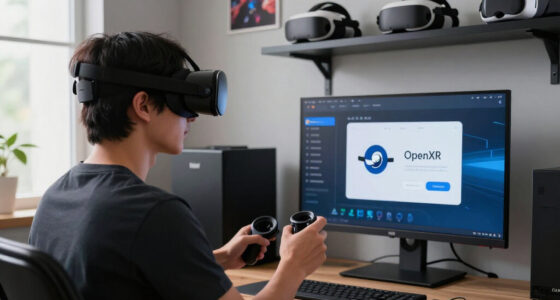
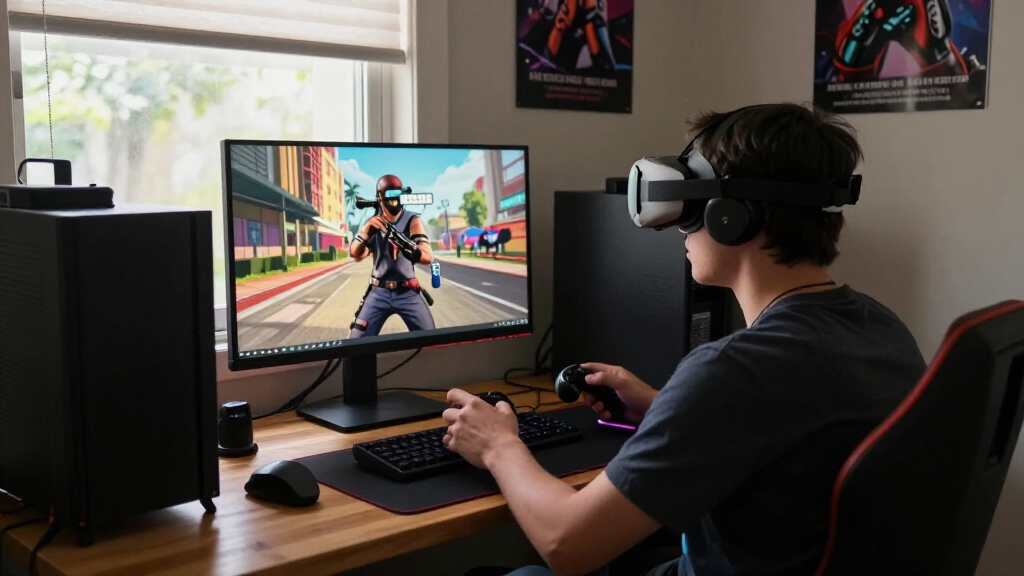
VR gaming headset with 207Hz refresh rate
As an affiliate, we earn on qualifying purchases.
As an affiliate, we earn on qualifying purchases.
Unconfirmed Aspects of VR Support and Future Features
While the GTA VI trailer hints at VR support, Rockstar has not officially confirmed whether the game will launch with native VR capabilities or if VR will be added via mods post-release. The extent of VR integration remains uncertain. Additionally, although Quest 3’s framerate increase is confirmed, most VR applications are not yet optimized to run at these higher refresh rates, raising questions about practical benefits and software support.
Meta’s ongoing security updates for Ray-Ban glasses are in progress, but it is unclear how effective these measures will be long-term, or whether additional hardware-level protections will be introduced. The overall impact of these security enhancements on user privacy and device security is still being evaluated.
Meta Ray-Ban smartglasses security update
As an affiliate, we earn on qualifying purchases.
As an affiliate, we earn on qualifying purchases.
Upcoming Developments and Industry Expectations
Rockstar is expected to clarify its VR plans for GTA VI in the coming months, possibly announcing native VR support or confirming mod compatibility. The gaming community will be watching for updates on the game’s release and potential VR features. Meanwhile, Meta’s Quest 3 is likely to see further software updates to fully utilize the high framerate capabilities, alongside new titles optimized for higher refresh rates.
Security updates for Meta’s smartglasses will continue, with Meta promising ongoing improvements. Industry analysts anticipate that hardware advancements like Quest 3’s framerate boost will encourage developers to optimize their applications, potentially leading to more seamless and immersive VR experiences in the near future.
Overall, the week signals a period of technological progress and increased mainstream visibility for VR, but widespread practical adoption will depend on software support and security assurances.
As an affiliate, we earn on qualifying purchases.
Key Questions
Will GTA VI support VR at launch?
It has not been officially confirmed. The trailer hints at potential VR support, but Rockstar has not announced specific plans for native VR integration at launch.
How significant is the Quest 3’s framerate boost?
The increase to 207Hz, with potential for 240Hz, is a notable development for standalone VR headsets, promising smoother experiences, particularly for PC VR streaming applications like Virtual Desktop.
Will all VR apps benefit from the higher framerate?
No, most current VR applications are not yet optimized for these ultra-high refresh rates. Software updates and developer support are necessary to fully utilize the new hardware capabilities.
Are Meta’s security updates for Ray-Ban glasses effective?
Meta has committed to ongoing updates to improve security and privacy, but the long-term effectiveness of these measures remains to be seen as the company continues to address vulnerabilities.
What’s next for the VR industry after these updates?
Expect further hardware improvements, more software optimization for high framerates, and clearer announcements from publishers about native VR support for upcoming titles like GTA VI.
Source: The Ghost Howls
Halloween Picks
halloween
As an affiliate, we earn on qualifying purchases.