
TL;DR
A hardware enthusiast modified a countertop ice machine to function as a GPU cooler for an RTX 3060. The project involved custom plumbing and electrical adjustments, resulting in temperatures dropping from 60°C to around 22°C. This demonstrates innovative cooling solutions but involves safety and reliability concerns.
A YouTuber known as TrashBench has successfully transformed a countertop ice machine into a working GPU cooler for an RTX 3060 graphics card, achieving temperatures as low as 22°C. This unconventional cooling method highlights innovative approaches to hardware cooling, which could interest PC enthusiasts and overclockers.
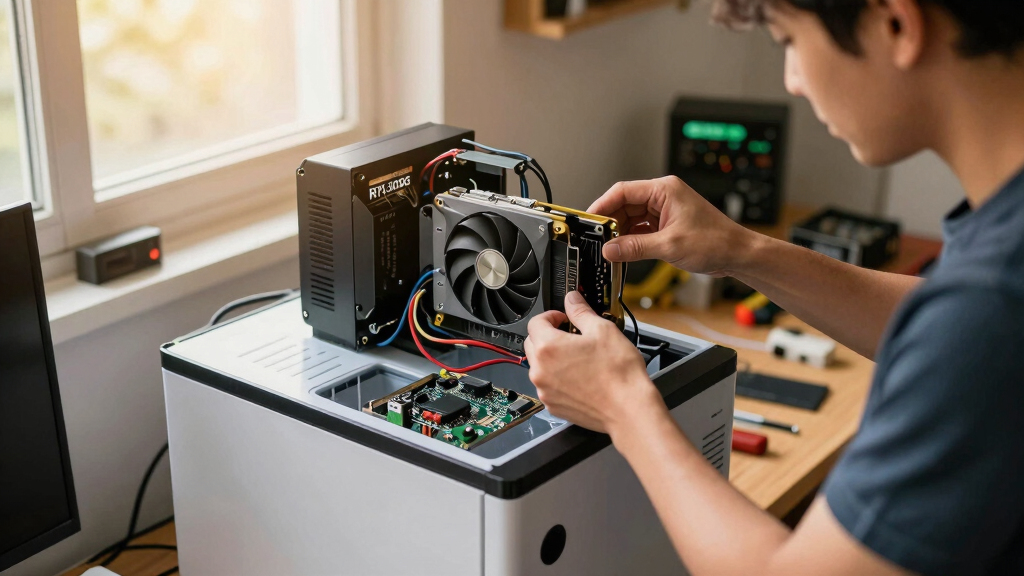
The project involved disassembling an RTX 3060 and replacing its stock cooler with a custom liquid cooling loop, powered by a submersible water pump placed inside the ice machine. The water was circulated through the GPU and cooled by the ice machine’s compressor, which was modified to stay on continuously. The internal thermostat was bypassed, and the evaporator coils were submerged in water to improve heat exchange.
Initial tests without the ice machine turned on showed the GPU reaching around 44°C, but activating the machine lowered the temperature by over 10°C. The original compressor cycle was too short to sustain effective cooling, so the YouTuber replaced the thermostat to keep the compressor running longer. Adjustments to submerge the evaporator coils fully in water further enhanced cooling efficiency, resulting in stable operation at 22-23°C during benchmarks. Temperatures previously reaching 60°C in gaming dropped significantly, with GPU hotspot temperatures falling from 75°C to 34°C.
Potential for Extreme PC Cooling Innovations
This project demonstrates that unconventional cooling methods, such as repurposing household appliances, can achieve remarkable thermal performance. While primarily experimental, such approaches could inspire new cooling solutions for overclocking or high-performance computing. However, safety and reliability concerns remain, particularly when modifying electrical devices to operate with water and refrigeration components.
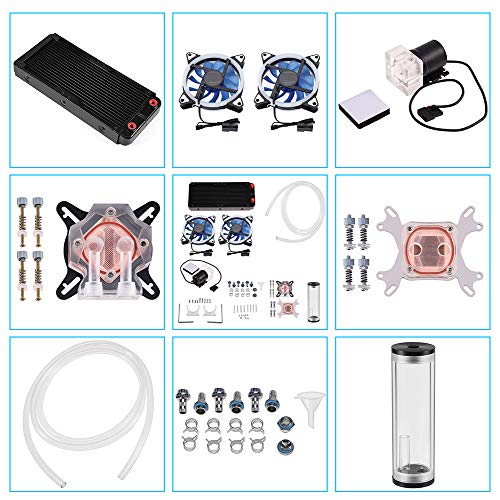
DIY 240mm Water Cooling Kit, DIY 240mm Cooler CPU/GPU Block Pump Reservoir with LED Fan Heat Sink Computer Water Cooling Connectors Kit, Liquid CPU Cooler Kit
【Professional Water Cooling Kit】This liquid CPU cooler kit provides a 240mm heat sink within screw pack+2pcs LED fan+universal…
As an affiliate, we earn on qualifying purchases.
As an affiliate, we earn on qualifying purchases.
Background of Creative Cooling Experiments
TrashBench has previously experimented with extreme cooling techniques, including submerging components in transmission fluid and using car antifreeze to cool GPUs. The idea of using a small ice machine as a cooling device originated from fellow modder MrYeester, who cooled a CPU with a similar approach. This latest project pushes the concept further by attempting to cool a high-performance GPU with a modified countertop ice machine, highlighting a trend of inventive but risky hardware modifications among enthusiasts.
“This project shows how creative solutions can push the boundaries of conventional cooling, but it also underscores the importance of safety and proper engineering.”
— an anonymous researcher

dracaena.io High Flow 650L/H PC Water Pump Combo with Colorful LED and 65ml 50mm (1.9in) Reservoir – 12W, 0.7A, 65mm x 65mm x 115mm (2.6 x 2.6 x 4.5in), Black
Optimized Cooling Performance: Embracing a rapid flow of up to 650L/H and an extended pump head of up…
As an affiliate, we earn on qualifying purchases.
As an affiliate, we earn on qualifying purchases.
Safety and Long-term Reliability of Ice Machine Cooling
It is not yet clear how sustainable or safe this cooling method is for prolonged use. The modifications involve electrical components and water, which pose risks of short circuits, leaks, or component damage. The long-term durability of the setup and potential safety hazards remain unverified, and the project is primarily experimental.

SCCCF Dual 92mm Graphic Card Fans, Graphics Card Cooler, Video Card VGA Cooler, PCI Slot Fan GPU Cooler
2 x 92mm fans combined into one interface, can be connected to the motherboard's 3-pin or 4-pin interface…
As an affiliate, we earn on qualifying purchases.
As an affiliate, we earn on qualifying purchases.
Future Testing and Potential Commercial Applications
Further testing is expected to evaluate the stability and safety of this cooling method over extended periods. Enthusiasts and researchers may explore refining the design or developing safer, more reliable versions. Commercial applications are unlikely in the near term due to safety concerns, but the project could inspire innovative cooling concepts for extreme overclocking or specialized hardware cooling solutions.

DIYhz Water Cooling Computer Radiator, 12 Pipe Aluminum Heat Exchanger Liquid Cooling Radiator Heat Sink 120mm for CPU PC Laser Water Cool System DC12V Black with Tube
★ Product Name: Water Cooling Radiator; Outer Size: 155 x 120 x 27mm / 6.10'' x 4.72'' x…
As an affiliate, we earn on qualifying purchases.
As an affiliate, we earn on qualifying purchases.
Key Questions
Is this cooling method safe for regular use?
No, this method involves electrical modifications and water in close contact with electrical components, posing safety risks. It is strictly experimental and not recommended for everyday use.
Can this cooling technique be applied to other GPUs?
In theory, yes, but significant modifications and safety precautions are required. The setup is complex and potentially hazardous, making it unsuitable for most users.
Will this cooling method improve overclocking performance?
Lower temperatures can enable higher overclocking margins, but the safety and stability of the system must be thoroughly tested before attempting such modifications.
Are there commercial products similar to this?
No, this is a custom, experimental project. Commercial cooling solutions are designed with safety and reliability in mind, unlike this DIY approach.
Source: Tom’s Hardware: For The Hardcore PC Enthusiast