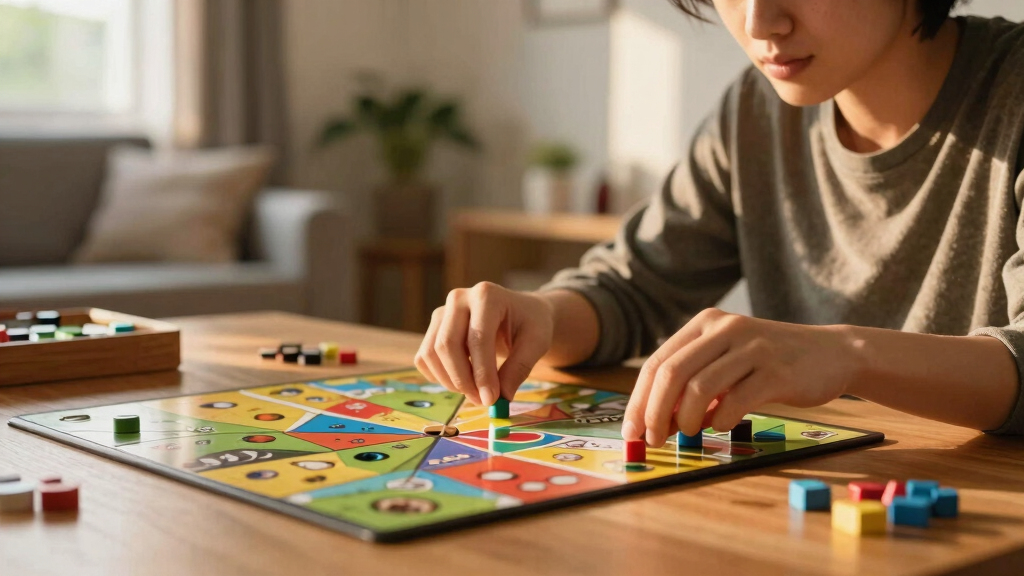

The best board games balance easy teaching, meaningful choices, and enough variety to stay enjoyable after the first few sessions. I rank Ticket to Ride as the best overall because its approachable route-building works for both casual players and developing strategy fans. UNO offers the strongest value for quick, portable play, while Catan suits groups seeking deeper negotiation and a more involved game night. The main tradeoffs are rules overhead, luck versus player control, group size, and how much direct competition everyone enjoys. Continue reading for the full breakdown of which game fits each type of player and occasion.

Play games on Amazon Luna for your game nights, included with Prime
- A rotating selection of games, no download needed
- Play on TV, laptop or phone
- Fast, free delivery for your gear, too
Complete the kit


Key Takeaways
- Ticket to Ride earned the top position because it offers more strategic substance than UNO, Trouble, or Sorry! without demanding the negotiation skills and longer learning curve associated with Catan.
- UNO is the best value, but its high card luck gives players less control than Splendor or Ticket to Ride; the lower price and broad familiarity are what secure its role.
- Splendor is the strongest compact strategy pick because it provides a cleaner, quieter contest than Catan, though it lacks Catan’s negotiation and group storytelling.
- Codenames, Wavelength, and TAPPLE serve different party groups: Codenames rewards clue precision, Wavelength promotes discussion, and TAPPLE favors fast word recall.
- Age labels do not tell the whole story: Trouble and Sorry! are accessible for children, while Sequence offers a better bridge when adults want more tactical choice without teaching a heavier strategy game.


| board game | Players | Minimum Age | Playtime |
|---|---|---|---|
| Trouble Board Game for Kids Ag | 2-4 | 5 years | — |
| Splendor Board Game | 2-4 | 10 years | About 30 minutes |
| SEQUENCE Original Game with Fo | 2-12 | 7 years | — |
| USAOPOLY The Original TAPPLE F | 2-8 | 8 years | 15-20 minutes |
| Wavelength: The Mind Reading P | 2 or more | — | About 30 minutes |
| Sorry! Board Game for Kids Age | — | 6 years | — |
| Mattel Games UNO Card Game for | 2-10 | 7 years | — |
| Asmodee Ticket to Ride Board G | 2-5 | 8 years | 30-60 minutes |
| Catan Board Game | 3-4 | 10 years | 60-90 minutes |
| CGE Codenames Board Game | 4+ | — | — |
More Details on Our Top Picks
Trouble Board Game for Kids Ages 5 and Up
I rank Trouble as the Best Kids’ Classic because it removes two barriers that often derail play with younger children: complicated rules and loose dice. The Pop-o-Matic die roller keeps turns tidy and gives children a satisfying action to repeat. Compared with Sorry!, Trouble is accessible to children a year earlier and has a more contained setup, though both rely heavily on luck and sending opponents backward. Power Up Spaces add variety, but they cannot match the layered decisions in Splendor. The narrow 2-4-player range also limits its usefulness at bigger gatherings. This is the strongest fit for younger families, while older strategy fans may find the repeated roll-and-move cycle wears thin.
Pros:- Pop-o-Matic roller keeps the die contained and makes turns easy for young children
- Rules are quick to teach to first-time players
- Standard and Power Up options provide two levels of play
- Works with both children and adults at a family table
Cons:- Luck determines much of the outcome
- Roll-and-move play can become repetitive
- Four-player maximum excludes larger families and groups
Best for: Families with children ages 5-8 who need simple rules, contained components, and short turn decisions
Not ideal for: Older children and strategy-focused adults who want meaningful control over outcomes rather than repeated dice rolls
- Players:2-4
- Minimum Age:5 years
- Game Type:Board game
- Die Mechanism:Pop-o-Matic roller
- Standard Play:Included
- Alternate Play:Power Up Spaces
Our verdict“I recommend Trouble for families introducing five-year-olds to board games, but not for buyers seeking strategic depth.”
Splendor Board Game – Gem Trading & Engine-Building Strategy for Adults & Families
I place Splendor first among these five because it offers the best balance of approachable rules, meaningful choices, and a manageable 30-minute runtime. Collecting gem tokens to buy development cards creates a clear engine-building arc: each purchase lowers the cost of later cards, so early decisions shape the entire session. It has more strategic control than Trouble or SEQUENCE, yet demands less time and negotiation than Catan. Compared with Ticket to Ride, Splendor feels more compact and tactical, though its theme is less vivid. The open market supports replayability, but interaction is largely indirect, and experienced hobby players may want more complexity. I see it as the most versatile strategy pick for mixed-skill households rather than a replacement for a heavier game.
Pros:- Accessible rules lead into meaningful planning and timing decisions
- Thirty-minute playtime fits weeknights and repeat sessions
- Engine-building system creates a satisfying sense of progression
- Open card market changes the tactical priorities from game to game
Cons:- Player interaction is mostly limited to competing for shared cards and tokens
- Renaissance theme can feel abstract during play
- Strategic possibilities may feel too narrow for experienced hobby gamers
Best for: Families and casual adult groups wanting a strategic game that teaches quickly and finishes in about 30 minutes
Not ideal for: Hobby gamers seeking complex systems, direct conflict, negotiation, or a strongly narrative theme
- Players:2-4
- Minimum Age:10 years
- Playtime:About 30 minutes
- Game Style:Engine-building strategy
- Theme:Renaissance commerce
- Resources:Gem tokens
- Scoring Components:Development cards and noble patrons
Our verdict“I recommend Splendor as the best all-around choice for buyers who want genuine strategy without a long rules lesson.”
SEQUENCE Original Game with Folding Board, Cards, and Chips by Jax
SEQUENCE earns my large-group role because its 2-12-player range is far broader than Trouble or Splendor can accommodate. Matching playing cards to board spaces makes the goal easy to grasp, while blocking opponents adds enough table-level strategy to keep adults involved. Compared with Codenames, SEQUENCE depends less on vocabulary and clue-giving, making it friendlier to mixed-age gatherings. It also provides a physical board and 135 chips, although managing those pieces becomes less convenient at a crowded table. Card draws introduce substantial luck, and children near the stated minimum age may miss defensive opportunities. The folding board helps with storage, but it is still larger than TAPPLE. I rank it as the most flexible family-group option, not the strongest choice for players who want deep individual planning.
Pros:- Supports a wider player range than most games in the lineup
- Card matching makes the core objective approachable
- Blocking and placement choices encourage tactical thinking
- Folding board simplifies storage between sessions
Cons:- Card draws can outweigh careful planning
- Board and numerous chips become cumbersome at a crowded table
- Younger players may struggle to spot threats and defensive moves
Best for: Mixed-age families and social groups that regularly need one game to support anywhere from 2 to 12 players
Not ideal for: Strategy enthusiasts who dislike draw-dependent outcomes or households without enough table space for the board and chips
- Players:2-12
- Minimum Age:7 years
- Board Size:19.75 x 15.25 inches
- Card Size:2.25 x 3.5 inches
- Chip Count:135
- Chip Colors:50 green, 50 blue, and 35 red
Our verdict“I recommend SEQUENCE for mixed-age gatherings that prioritize player capacity and accessible tactics over deep strategy.”
USAOPOLY The Original TAPPLE Family Board Game
I give TAPPLE the quick-word-game spot because its built-in timer turns a basic category challenge into a lively 15-20-minute contest. Players name a matching word, press its starting letter, and pass the wheel, creating almost no downtime. Compared with Codenames, TAPPLE teaches faster and asks for spontaneous recall rather than layered clue interpretation. Wavelength is better for collaborative conversation, while this game favors rapid individual responses and a sharper competitive mood. That speed is also its main weakness: younger players, non-native speakers, and anyone uncomfortable under time pressure may feel disadvantaged. Its all-in-one wheel stores more easily than the SEQUENCE board, though the electronic timer adds a component that can interrupt play if it fails. I rank it as the best short-session choice for verbally confident families.
Pros:- Built-in timer creates fast turns with little waiting
- 144 categories provide broad prompt variety
- Rules can be explained in a few minutes
- Self-contained wheel is compact enough for easy storage
Cons:- Time pressure can frustrate younger or slower-thinking players
- Vocabulary differences may create an uneven contest
- Reliance on a built-in timer introduces a possible failure point
Best for: Verbally confident families and friend groups wanting an energetic game that fits into a 15-20-minute window
Not ideal for: Players who need extra response time, dislike timers, or have uneven language fluency within the group
- Players:2-8
- Minimum Age:8 years
- Playtime:15-20 minutes
- Main Component:Tapple letter wheel
- Timer:Built into wheel
- Cards:36
- Categories:144
Our verdict“I recommend TAPPLE for quick-thinking groups that want compact, energetic wordplay and do not mind timer pressure.”
Wavelength: The Mind Reading Party Game
Wavelength takes my party-game role because it turns subjective judgments into conversation rather than testing facts or vocabulary alone. One player gives a clue for a hidden point between two extremes, and the team debates where that clue belongs. This creates creative group interaction that TAPPLE’s rapid individual turns cannot match. Compared with Codenames, Wavelength has fewer rules around clue construction and invites more open discussion, though its scoring can feel less exact. The 30-minute format and quick setup suit gatherings, but two-player sessions lose much of the social energy promised by the box. Clue quality also varies with confidence, shared references, and language fluency, so quieter players can fade into the background. I rank it as the strongest conversation starter, while Splendor remains better for controlled strategic competition.
Pros:- Subjective clues generate discussion and memorable disagreements
- Team format works well for parties and group gatherings
- Rules and setup are quick to handle
- Base and advanced cards support varied clue pairings
Cons:- Two-player play lacks the energy of a full group
- Subjective scoring may frustrate players who prefer exact answers
- Confident speakers can dominate team discussions
Best for: Talkative adult and teen groups seeking a team-based party game built around debate, interpretation, and shared references
Not ideal for: Two-player households, quiet groups, or players who prefer precise rules and objectively correct answers
- Players:2 or more
- Age Range:168-1500 months
- Playtime:About 30 minutes
- Wavelength Cards:84
- Advanced Cards:42
- Scoring Tokens:3
- Model Number:WAV01
- Model Year:2019
- Item Dimensions:10.25 x 10.25 x 2.75 inches
Our verdict“I recommend Wavelength for social groups that value funny debates and shared interpretation more than precise competitive strategy.”
Sorry! Board Game for Kids Ages 6 and Up
I rank Sorry! as the best introduction to competitive board games because its race-to-home objective is easy for children to grasp, while sending rival pawns back to start adds direct interaction. Compared with Trouble, it gives players more choices through card-driven movement, though luck still shapes most turns. It is also much lighter than Ticket to Ride, making it easier to bring out when attention spans are short. The central tradeoff is that setbacks can feel harsh for younger children, especially near the finish, and experienced players may tire of the limited tactical range. Still, its simple rules and lively reversals give families a clear step beyond purely roll-and-move play without demanding a long explanation or extended session.
Pros:- Rules are accessible enough for younger school-age players
- Card-driven movement creates more choices than a basic roll-and-move game
- Direct pawn interaction keeps family sessions lively
- Familiar race format makes teaching straightforward
Cons:- Card draws can outweigh careful decision-making
- Sending pawns back to start may frustrate younger children
- Limited strategic depth can become repetitive for experienced players
Best for: Families introducing children age 6 and older to competitive play, tactical choices, and handling setbacks
Not ideal for: Older strategy-focused groups that want sustained planning and less dependence on random card draws
- Minimum Age:6 years
- Pawn Allocation:4 pawns per player
- Game Format:Family board game
- Movement System:Card-driven
- Primary Objective:Move all pawns to the home space
- Player Interaction:Send opposing pawns back to start
Our verdict“I recommend Sorry! for families seeking an easy first competitive game, provided they are comfortable with luck and frequent setbacks.”
Mattel Games UNO Card Game for Kids, Adults & Families
UNO earns my value pick because one compact deck supports anywhere from two to ten players and works across family nights, parties, and trips. Its color-and-number matching is quicker to teach than Codenames, while Action and Wild Cards create enough disruption to keep mixed-age groups involved. The included graphic accessibility symbols make card colors easier to distinguish, a meaningful advantage over games that communicate only through color. Three blank Wild Cards also let a group add house rules, though those additions can create arguments if players do not agree beforehand. Compared with Sorry!, UNO accommodates much larger groups and packs more easily, but its round length is less predictable. Luck and attack cards can also overshadow skill, so serious strategists have better choices elsewhere in this lineup.
Pros:- Supports both pairs and groups of up to ten players
- Graphic symbols improve accessibility for color-blind players
- Compact deck travels easily
- Blank Wild Cards support customized house rules
Cons:- Random draws can outweigh tactical play
- Round length varies and may drag when hands keep growing
- Custom rules and attack cards can cause disputes between players
Best for: Mixed-age families and casual groups needing an inexpensive, portable game for two to ten players
Not ideal for: Strategy groups that dislike unpredictable rounds, take-that cards, or outcomes heavily influenced by the draw pile
- Players:2-10
- Minimum Age:7 years
- Format:Card game
- Core Mechanic:Match colors or numbers
- Custom Cards:3 blank Wild Cards
- Special Cards:Action and Wild Cards
- Accessibility:Graphic symbols for color identification
Our verdict“I see UNO as the strongest low-cost choice for portable, mixed-age group play rather than a deeply strategic game.”
Asmodee Ticket to Ride Board Game (2025 Refresh)
I place Ticket to Ride first because it balances accessibility, meaningful decisions, and broad family appeal better than the other games here. Players collect train cards and claim routes across North America, turning a simple card-matching system into visible competition over limited connections. Compared with Catan, it has less negotiation and a shorter listed playtime, so new players can contribute without learning a trading economy. Yet it offers far more forward planning than Sorry! or UNO. The 30-to-60-minute structure suits a main game-night event without routinely occupying an entire evening. Its drawbacks are real: blocked routes can punish beginners, repeated plays help players recognize valuable connections, and younger children may lose focus during longer sessions. Even so, the strongest all-round balance makes this my default recommendation.
Pros:- Easy core rules lead into meaningful route-planning decisions
- Two-to-five-player range works for couples and families
- Limited routes create interaction without requiring direct attacks
- Map and miniature trains make progress easy to read
Cons:- Blocked connections can derail a plan with limited recovery options
- Younger players may struggle with longer sessions
- Knowledge of common routes can advantage repeat players
Best for: Families and mixed-skill groups wanting an approachable strategy game that rewards planning within about an hour
Not ideal for: Very young players or highly confrontational groups that may find blocked routes frustrating
- Players:2-5
- Minimum Age:8 years
- Playtime:30-60 minutes
- Edition:2025 refresh
- Setting:Early 20th-century North America
- Core Mechanic:Collect train cards and claim routes
- Components:North American map and miniature trains
Our verdict“I recommend Ticket to Ride as the best all-purpose board game for buyers who want accessible strategy with room to improve.”
Catan Board Game (6th Edition)
Catan 6th Edition is my choice for groups that want strategy shaped by both resource planning and conversation. Settling a modular island, building infrastructure, and trading with rivals creates more social leverage than Ticket to Ride, where interaction centers mainly on competing for routes. The changing hexagonal layout also gives Catan strong replay value, since resource availability and expansion paths vary from session to session. That depth comes with friction: the 60-to-90-minute playtime is longer, setup is more involved, and a player who falls behind can remain stuck while others trade around them. Its three-to-four-player limit is also restrictive beside UNO or Codenames. I rank it below Ticket to Ride for broad accessibility, but negotiation-focused groups may find its shifting alliances and resource economy more rewarding.
Pros:- Trading makes player interaction central to the strategy
- Modular board changes resource patterns between sessions
- Resource management rewards both planning and adaptation
- Multiple development paths support repeat play
Cons:- Only supports three to four players without an expansion
- Sessions can run 60 to 90 minutes
- Poor early positioning or dice results can leave a player trailing for much of the game
Best for: Regular groups of three or four players who enjoy trading, resource management, and competitive table negotiation
Not ideal for: Two-player households, larger parties, or families wanting a short game with minimal setup and fewer rules
- Players:3-4
- Minimum Age:10 years
- Playtime:60-90 minutes
- Edition:6th Edition
- Board Design:Modular hexagonal island
- Core Activities:Gather resources, build, and trade
- Game Style:Competitive strategy and negotiation
Our verdict“I recommend Catan for a consistent three-to-four-person group that values negotiation and replayability over speed and simplicity.”
CGE Codenames Board Game (2nd Edition)
I give Codenames 2nd Edition the team-party slot because it turns a simple grid of words into lively debates about language, intent, and risk. Spymasters offer one-word clues while teammates identify agents, giving larger groups more shared problem-solving than UNO and more structure than Wavelength. The 5×5 word grid changes each game, while updated words, refreshed artwork, and streamlined rules make this edition easier to present. It is less welcoming for very young players than its stated age range suggests, since success depends on vocabulary and indirect associations. Four or more players are also needed for the intended team format, and the assassin card can end a close game abruptly. For groups that enjoy conversation rather than moving pieces, its creative clue-making provides the sharpest party experience in this batch.
Pros:- Team format keeps large groups involved
- One-word clues reward creative and disciplined thinking
- Changing word layouts support repeat sessions
- Second Edition refreshes the words, artwork, and rules
Cons:- Vocabulary demands make it difficult for very young players
- The intended format needs at least four players
- Choosing the assassin can end a round abruptly
Best for: Groups of four or more verbal players who enjoy team discussion, word association, and interpreting clever clues
Not ideal for: Very young children, two-player households, or groups uncomfortable with vocabulary-heavy play and sudden losses
- Players:4+
- Age Range:4+
- Edition:2nd Edition
- Game Type:Party word-association game
- Team Structure:Two competing teams
- Grid Size:5×5 cards
- Clue Format:One word plus a number
- Edition Updates:Updated words, refreshed artwork, and streamlined rules
Our verdict“I recommend Codenames for talkative groups of four or more that want collaborative wordplay with competitive tension.”
How We Picked
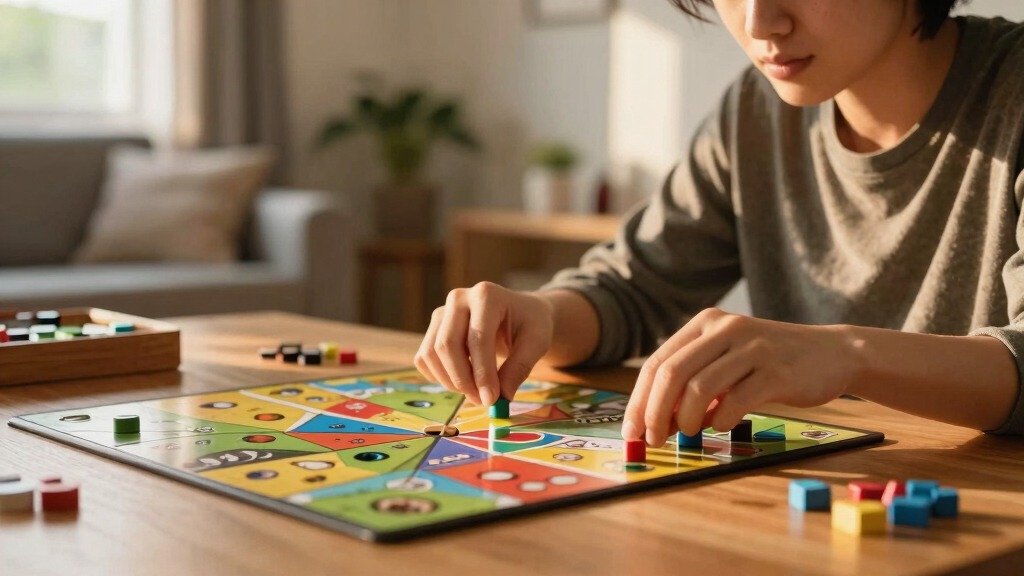
I ranked these games by ease of teaching, quality of player decisions, replay potential, pacing, group flexibility, component practicality, and value. A higher position went to games that can satisfy several buyer types without becoming bland or overly dependent on luck. I also weighed downtime, player elimination, direct conflict, setup demands, and whether the game remains engaging across its advertised player range. These factors placed Ticket to Ride ahead of more specialized options because it combines accessibility with decisions that remain meaningful.
I treated specialization as a reason to assign a clear role, rather than as an automatic flaw. Catan and Splendor rank highly for strategy, but each asks more from the group than UNO or Trouble. Likewise, Codenames, Wavelength, and TAPPLE are stronger in social settings than around a quiet two-player table. Price was judged against likely use, not component count alone, which is why a simple game can outrank a larger box when it reaches the table more often.
Factors to Consider When Choosing Best Board Games
I would start with the people who will play, then work backward to complexity, duration, and price. A highly rated design can still be a poor purchase when it mismatches the group’s patience or social style. The following factors help separate a game that gets regular play from one that stays on the shelf.
Match the Game to the Group Dynamic
Player count is only the starting point; the way people interact matters just as much. Some groups want quiet planning, while others prefer negotiation, jokes, or rapid verbal play. A game built around conversation can struggle when several players are shy, and a solitary strategy puzzle may feel flat to an outgoing party group. Check whether everyone acts frequently, especially when buying for six or more people, because long gaps between turns can drain the room’s energy. For households with changing attendance, a wide functional player range is more useful than a large number printed on the box. I would choose around the group’s usual size rather than an occasional maximum headcount.
Choose a Realistic Rules Weight
Teaching time often decides whether a game reaches the table. Families that play after dinner may benefit from rules that can be explained in a few minutes, while a dedicated game group can support layered systems and early mistakes. Familiar mechanisms reduce friction, but they can also limit discovery once everyone understands the pattern. Heavier rules make sense when the same players meet regularly and enjoy improving across repeated sessions. For mixed-skill gatherings, look for simple actions with room for better decisions rather than a long list of exceptions. A common buying mistake is choosing for the most enthusiastic player instead of the least patient person who must agree to play.
Balance Playtime Against Replay Potential
Box estimates rarely include teaching, setup, or discussion, so the real session may run longer than advertised. Short games support rematches and fit unpredictable schedules, but weak variety becomes apparent faster when rounds repeat. Longer games can produce memorable arcs, yet one slow turn or early setback has a greater cost. I favor designs where players remain involved until the finish and where the winner is not obvious too early. Ask whether the group wants a complete evening activity or a flexible game that fills spare time. Paying more for a long game is sensible only when its length matches how the household actually gathers.
Decide How Much Luck and Conflict Feel Fun
Luck lowers the entry barrier and gives younger or newer players a chance against experienced opponents. Too much luck, though, can frustrate people who want their choices to decide the result. Direct attacks create laughter in some families and genuine irritation in others, especially when a player can be repeatedly targeted. Indirect competition through shared spaces or limited resources usually produces tension without feeling personal. Cooperative discussion is another option, though dominant players can take over if the rules do not give everyone room to contribute. I would match the game to the group’s tolerance for setbacks, take-that moves, and visible competition.
Account for Space, Portability, and Long-Term Value
A large box is not automatically better value. Table footprint, setup space, storage, and the number of loose pieces all affect how convenient a game feels at home or while traveling. Card-based choices are easier to carry, though cards can wear faster and may require sleeves after frequent play. Larger boards offer a clearer shared state but can be awkward on small tables or in cafés. Expansion potential matters only when the base game already earns regular sessions; buying extra content early often creates unused clutter. I judge value by cost per likely play and audience fit, not by weight, miniature count, or shelf presence.
Frequently Asked Questions
If I Buy Only One Game, Should I Choose Ticket to Ride or Catan?
I would choose Ticket to Ride for most households because the rules are easier to teach and the route-building still provides satisfying choices. Catan is the better purchase when the same group meets regularly and actively enjoys negotiation, trading, and blocking rivals. Ticket to Ride also creates less social friction because competition happens mainly through the shared map. Catan can produce richer table stories, but dice results and failed trades may frustrate players who prefer tighter control. The decision comes down to broad accessibility versus deeper group interaction.
Which Game Works Best for Children and Adults Playing Together?
Sequence is the strongest mixed-age bridge when children can recognize cards and follow simple placement goals. It gives adults more tactical choice than Trouble or Sorry! without creating a large teaching burden. Trouble remains better for very young children because the pop-o-matic die and movement rules are easy to follow. Sorry! adds more direct setbacks, which can be entertaining or upsetting depending on the child. I would base the choice on attention span and tolerance for being sent backward, not age alone.
Should I Choose Codenames, Wavelength, or TAPPLE for Parties?
Choose Codenames for teams that enjoy clever clues and discussing multiple interpretations. Wavelength better suits conversational groups because success comes from debating how people place ideas along a scale. TAPPLE is the easiest to start in a lively setting, but its timed word recall can put quieter players under pressure. Codenames can slow down when clue-givers overthink, while Wavelength depends more heavily on the group’s chemistry. For a loud, spontaneous gathering I would favor TAPPLE; for a more thoughtful group, Codenames offers greater replay depth.
Which of These Games Is Best for Two Players?
Splendor is my preferred two-player option because its engine-building creates direct competition without relying on a larger social group. Ticket to Ride also supports two players, though parts of its map can feel less contested than in a fuller game. UNO and Sequence remain playable with two, but both gain energy and unpredictability as more people join. Codenames and Wavelength are built around team discussion, making them poor fits for a regular pair. Buyers who mostly play as a couple should prioritize low downtime and meaningful head-to-head choices.
Is It Better to Start With a Familiar Classic or a Modern Strategy Game?
Familiar games reduce teaching friction, which makes UNO, Trouble, and Sorry! dependable choices for casual family play. A modern strategy design makes more sense when the group wants decisions to matter more and is willing to learn a new system. Ticket to Ride provides the safest step upward because its objectives are easy to read even when the strategy takes time to develop. Splendor offers a more focused competitive puzzle, while Catan adds negotiation and greater session commitment. I would start with the lightest game that still offers enough choice to keep the intended players interested.
Conclusion
For the broadest mix of accessibility, strategy, and replay potential, Ticket to Ride is my best overall recommendation. Budget-focused buyers should choose UNO as the best value, especially when portability and fast setup matter. For beginners, UNO offers the easiest entry, while Trouble is the more suitable starting board for younger children. Buyers seeking a premium strategy night should pick Catan for negotiation or Splendor for a tighter, quieter contest.
For specific group needs, Sequence fits mixed ages better than the more luck-driven children’s classics. Codenames is my team-party choice, Wavelength works best for conversational groups, and TAPPLE favors quick-thinking word fans. Sorry! suits families that enjoy direct reversals and can laugh off setbacks. The right purchase depends less on finding a universal winner and more on matching rules weight, interaction style, and session length to the people who will actually play.
Halloween Picks
halloween
As an affiliate, we earn on qualifying purchases.