
TL;DR
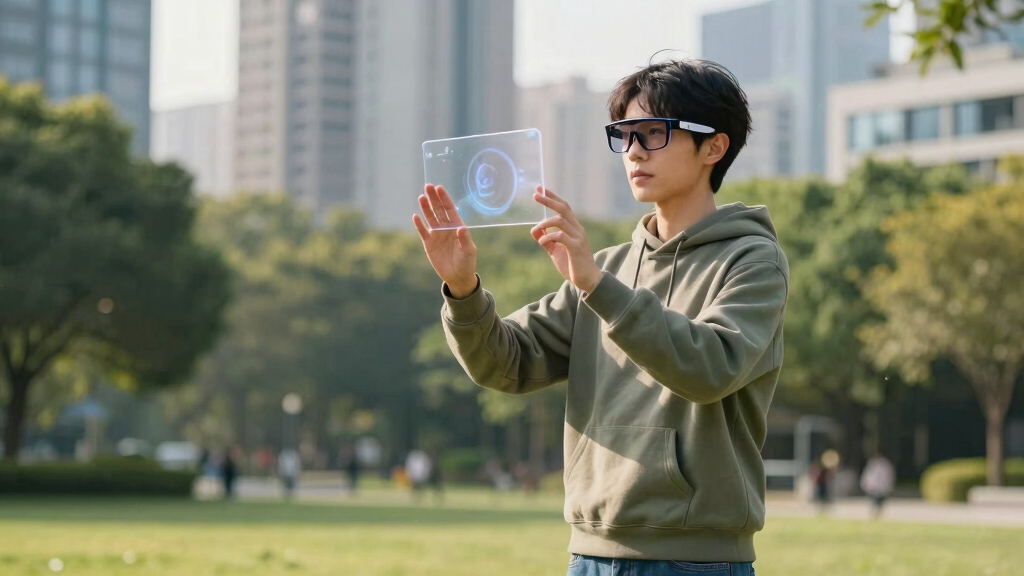
Google announced that its Gemini-powered smart glasses, developed with Warby Parker and Gentle Monster, will launch this fall. These glasses will feature AI capabilities and phone integration but no in-lens display, aiming to rival Meta’s Ray-Ban models.
Google has announced that its Gemini-powered smart glasses, developed in partnership with Warby Parker and Gentle Monster, will launch later this fall. This marks Google’s official entry into the competitive smart eyewear market, aiming to challenge Meta’s Ray-Ban models. The devices will feature AI integration and camera capabilities but will not include an in-lens display, a departure from earlier prototypes.

Play games on Amazon Luna for your game nights, included with Prime
- A rotating selection of games, no download needed
- Play on TV, laptop or phone
- Fast, free delivery for your gear, too
The upcoming smart glasses are the first products resulting from Google’s collaboration with Warby Parker and Gentle Monster, announced at I/O 2026. While the exact hardware specifications remain unconfirmed, the glasses will include cameras, microphones, and speakers, and will connect to Android phones. Google’s Gemini AI, specifically the Gemini 3.5 Flash, will enable features such as turn-by-turn directions via Google Maps and voice-activated commands to order food or rides through apps like DoorDash and Uber.
During a recent live demo, Google showcased the glasses’ AI capabilities, including a demonstration where the AI launched an app on a connected phone to order coffee. Notably, the glasses lack an in-lens display, but integration with Wear OS allows users to preview images on their smartwatch. The devices resemble the Ray-Ban Meta Headliner style and feature design elements from Gentle Monster, which is popular among younger consumers and celebrities.
Google has not disclosed pricing or detailed technical specifications, and it remains unclear whether the glasses will have one or two cameras. The launch comes ahead of Meta’s Connect event scheduled for September 23, where Meta is expected to unveil new products. Despite Meta’s dominance, with nearly 7 million units sold in 2025, Google’s deep AI integration and Android connectivity could present a significant challenge.
Potential Market Impact of Google’s New Smart Glasses
The launch of Google’s Gemini-powered smart glasses could significantly alter the competitive landscape of wearable augmented reality and smart eyewear. By leveraging advanced AI features and deep integration with Android, Google aims to differentiate itself from Meta’s Ray-Ban offerings. If successful, this could lead to increased competition, potentially driving innovation and price adjustments in the market. The absence of an in-lens display indicates a focus on AI and connectivity rather than visual overlays, which may appeal to consumers seeking more practical, style-oriented devices.
Popular right now

Hisense 40-Inch QD4SR Series Hi-QLED FHD Roku Smart TV

Hisense 43-Inch E6 Cinema Series Hi-QLED 4K UHD Smart Fire TV (43E6QF)

De'Longhi Stilosa Compact Manual Espresso Machine with Milk Frother
As an affiliate, we earn on qualifying purchases.
Background of Smart Glasses Competition and Google’s Entry
Meta’s Ray-Ban line has dominated the smart glasses market, with nearly 7 million units sold in 2025, and the brand has become a household name. Competitors like Warby Parker and Gentle Monster have gained popularity through stylish designs and celebrity endorsements, positioning themselves as lifestyle brands rather than tech gadgets. Google first announced its collaboration with these brands at I/O 2025 but kept details under wraps until the recent reveal at I/O 2026. Previous demos focused on prototypes with in-lens displays, but the upcoming launch will feature simpler, display-free models with AI capabilities integrated via Gemini and Android.
“Google’s new smart glasses aim to combine AI-powered assistance with stylish design, potentially disrupting the dominance of Meta’s Ray-Ban.”
— an anonymous researcher
Unconfirmed Technical Details and Market Reception
Specific hardware details such as the number of cameras, battery life, and exact pricing remain undisclosed. It is also unclear how consumers will receive the device without an in-lens display, and whether the AI features will be enough to sway users from existing brands like Meta. The competitive response from Meta and other players remains uncertain, as does the final market impact of Google’s entry.
Upcoming Launch Events and Market Competition
Google is expected to officially launch the Gemini-powered smart glasses later this fall, with detailed specifications and pricing to be announced closer to release. The device’s market performance will be closely watched, especially in light of Meta’s upcoming product announcements at Connect 2026. Consumer reception and early reviews will determine whether Google’s AI-driven approach can carve out a significant share in the smart eyewear market.
Key Questions
Will the new Google smart glasses have an in-lens display?
No, Google has confirmed that the upcoming smart glasses will not feature an in-lens display, focusing instead on AI and connectivity features.
How will Google’s AI capabilities enhance the glasses’ functionality?
The AI, powered by Gemini 3.5 Flash, will enable features like turn-by-turn directions, voice commands to order food or rides, and photo editing, all integrated with Google services and Android devices.
When exactly will the glasses be available for purchase?
Google has announced a launch later this fall, but specific release dates and pricing details have not yet been disclosed.
How do these glasses compare to Meta’s Ray-Ban models?
While the design resembles Ray-Ban Meta Headliner styles, Google’s glasses will emphasize AI integration and phone connectivity rather than augmented reality overlays, which are a key feature of Meta’s offerings.
Will the glasses support other brands or platforms besides Android?
Currently, Google has focused on Android integration, and it is unclear if or when support for other platforms will be added.
Source: UploadVR