TL;DR

Play games on Amazon Luna for your game nights, included with Prime
- A rotating selection of games, no download needed
- Play on TV, laptop or phone
- Fast, free delivery for your gear, too
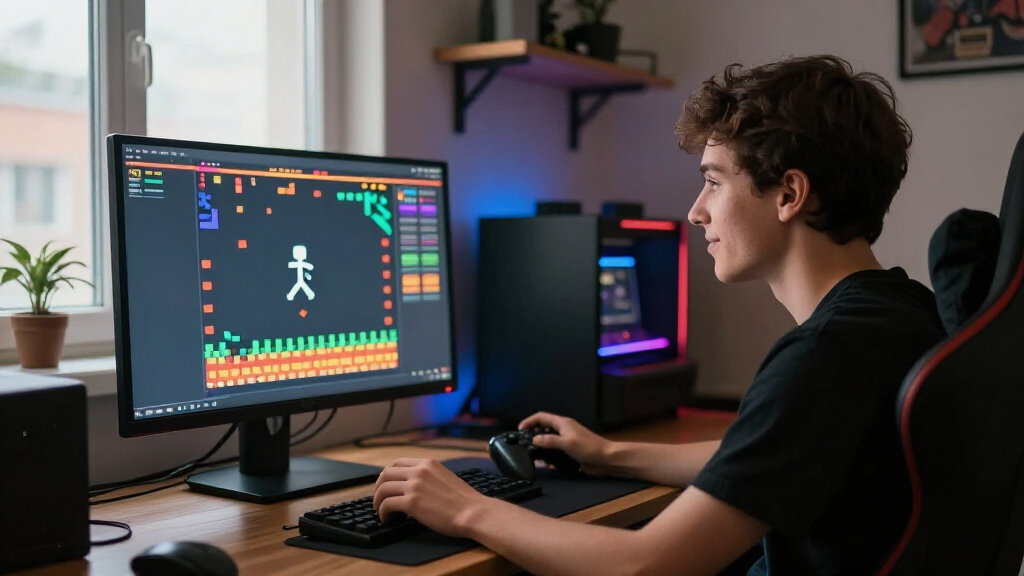
Thorsten Meyer gave the AI model Claude (Opus 5.5) an open-ended brief to build its own stickman game. In a single day, the AI produced BEATDOWN, a rhythm-based stick-figure brawler, and expanded it into a Stickman Arcade of nine free games plus an animator, all running in browsers and on phones.
Technology writer Thorsten Meyer reports that he gave the AI model Claude (Opus 5.5) a deliberately open brief — build your own stickman game, no clone, no tutorial — and received BEATDOWN, a rhythm-judged stick-figure brawler. By the end of the same day, after repeated follow-up requests, the AI had expanded the project into a Stickman Arcade: nine free games and a stick-figure animator, all running in any browser and on phones. Meyer states he wrote no code himself.
The headline game, BEATDOWN, is a brawler built around timing rather than button-mashing. According to Meyer’s account, every input is judged against a soundtrack generated live in the browser, with on-beat hits dealing 1.5× damage. Landing four on-beat hits in a row triggers a bonus shockwave attack, and enemies telegraph their strikes one beat before landing them, allowing counterattacks with a well-timed guard. Meyer describes rhythm as a bonus rather than a requirement — off-beat play can still clear waves — while playing in time makes the game hit harder and sound better, with music layers building as a “Groove” rank climbs from MUTE to FEVER.
The roster is twelve original fighters, each a musical archetype such as the Drummer, Conductor, DJ and Jazz Cat. Meyer’s write-up says each fighter has a passive ability, two specials, a cooldown skill and an ultimate called the DROP, for sixty abilities in total. The game offers seven venues with distinct rules — the Rooftop has no walls, the Subway doors slam on the downbeat, the Cruise Ship deck tilts with the song — plus a TOUR mode, a local VERSUS mode for two players on one keyboard or two gamepads, BOSS RUSH, a two-minute BLITZ mode, a seeded DAILY MIX, and a SOUNDCHECK practice mode with a live timing readout.
According to Meyer, the arcade’s other eight games — including Stickman Dismount, Pose-Off, Beat Runner, Noir Heist, Band Defense, Stickman Boxing, Head Soccer and Beat Skate — run on a shared engine the AI wrote for the project. A tenth card is the Stickman Animator, a tool for posing figures, building frames and exporting GIFs or sprite sheets. Meyer states the entire project is roughly 24,500 lines of plain JavaScript with zero dependencies, with all graphics and audio generated by code at runtime — no image or audio files. He also states the games collect no data, with progress stored in the user’s own browser.
How I Challenged AI To Create A Stickman Game — And Got An Arcade
Thorsten Meyer gave Claude (Opus 5.5) a deliberately open brief — “build your own stickman game, no clone, no tutorial.” In a single day the AI delivered BEATDOWN, a rhythm-judged brawler, then expanded it into a nine-game Stickman Arcade plus an animator. Meyer wrote no code himself.
Everything was built by Claude in one day. I wrote no code. I steered.— Thorsten Meyer, Author
BEATDOWN: A Brawler Judged by the Beat
Every input is scored against a soundtrack generated live in the browser. Enemies telegraph strikes one beat before landing — a well-timed guard turns them into counterattacks.
On-Beat, Hit Harder
Attacks landing on the beat deal 1.5× damage. Four on-beat hits in a row trigger a bonus shockwave attack.
Rhythm Is a Bonus
Off-beat play still clears waves. Playing in time simply makes the game hit harder and sound better.
Seven Ways to Fight
TOUR, local VERSUS for two players, BOSS RUSH, two-minute BLITZ, seeded DAILY MIX, and SOUNDCHECK practice with a live timing readout.
From MUTE to FEVER
As play stays in time, music layers stack up and a “Groove” rank climbs the spectrum below.
- 12Musical archetypes — the Drummer, Conductor, DJ, Jazz Cat and more
- 1Passive ability per fighter
- 2Specials plus a cooldown skill each
- 1The DROP — an ultimate attack
The Rooftop
No walls — one knock sends fighters toward the edge.
The Subway
Doors slam shut on the downbeat.
The Cruise Ship
The deck tilts with the song.
Nine Games, One Shared Engine
Eight further games run on a shared engine the AI wrote for the project — plus a tenth card: the Stickman Animator for posing figures, building frames and exporting GIFs or sprite sheets.
BEATDOWN
Rhythm-judged stick-figure brawler
Dismount
Classic stickman physics chaos
Pose-Off
Strike-the-pose competition
Beat Runner
Rhythm-fuelled running
Noir Heist
Stylish crime caper
Band Defense
Defend with musical flair
Stickman Boxing
Fisticuffs, stick-style
Head Soccer
Physics-based footwork
Beat Skate
Skate to the soundtrack
Stickman Animator
Pose, animate, export GIFs & sprite sheets
From Loose Brief to Arcade in One Day
Meyer’s role, as he describes it, was steering: answering the model’s questions, sending screenshots of games he liked, and repeatedly asking for more.
The Open Brief
“Make your own stickman game” — deliberately vague. No clone, no tutorial project.
BEATDOWN Ships
Reportedly playable in under an hour and live on his website in under two.
Shared Game Kit
The AI first built a shared engine and an engine guide as the foundation.
Eight More Games
Built on the same foundation across the same day, plus the Animator tool.
Everything Generated by Code
No image files, no audio files. Every fighter, venue, drum, bass line and sound effect is generated at runtime. No downloads, plugins or accounts; progress stays in your own browser.
Quotes From the Write-Up
“I gave an AI model a deliberately loose brief: make your own stickman game. No clone, no tutorial project, just its own take on a genre everyone knows.”— Thorsten Meyer
“Rhythm is a bonus, never a requirement: you can play off-beat and still clear waves. It just hits harder and sounds better in time.”— Thorsten Meyer
“There are no image files and no audio files. Every fighter, venue, drum, bass line and sound effect is generated by code while you play.”— Thorsten Meyer
“Everything was built by Claude (Opus 5.5), the AI model, in one day. I wrote no code. I steered.”— Thorsten Meyer
What Readers Ask
What is BEATDOWN?
A stick-figure brawler in which every attack is judged against a live-generated soundtrack. On-beat hits deal 1.5× damage, and successful play adds musical layers and raises a Groove rank. Playing in time is optional — off-beat play still clears waves.
Who actually wrote the code?
According to Thorsten Meyer, the AI model Claude (Opus 5.5) wrote all the code in one day. Meyer’s contribution was direction: answering questions, sharing reference screenshots and requesting additional features.
How many games are in the Stickman Arcade?
Nine games in total, headlined by BEATDOWN, plus a tenth card — a stick-figure animation tool capable of exporting GIFs and sprite sheets. All use a shared engine and the same nine art styles.
Do the games work on phones?
Yes, according to the author. The games run in any browser, include touch controls on phones, and require no downloads, plugins or accounts.
Are these claims independently verified?
No. The one-day build time, codebase size, zero-dependency architecture and no-data-collection claims all come from Meyer’s own account, which is marked as AI-assisted and includes affiliate links. Independent review has not been published.
Why One Loose Brief Matters
The project is a data point in the debate over how much creative and technical work current AI models can carry out when given minimal direction. Meyer’s role, as he describes it, was steering: answering the model’s questions, sending screenshots of games he liked, and repeatedly asking for more. If accurate, the account suggests a single non-programmer can now commission a multi-game software product in a working day — work that traditionally requires at least one experienced developer and substantially more time.
The claim that everything is code-generated, including a custom GIF encoder in the animator, also matters for how these games are delivered: no asset downloads, no dependencies, and no data collection make the arcade lightweight and browser-native by design. Readers should note these performance and scope claims come from Meyer’s own account rather than independent review.
How the Arcade Came Together
Meyer says the process began with the intentionally vague instruction to make the AI’s “own” stickman game rather than a clone or tutorial project. BEATDOWN was reportedly playable in under an hour and live on his website in under two. As he kept requesting more, the AI first built a shared game kit and an engine guide, then used it to produce the additional eight games on the same foundation.
The nine interchangeable art styles — CHALK, RISO, LASER, SHEET, ZINE, PIXEL, BRUSH, BLUEPRINT and NOIR — apply across the whole arcade and change how fighters, venues, effects and menus are drawn, according to the write-up. Meyer’s post is labelled as created with the assistance of AI and carries affiliate links, which readers may weigh when evaluating the account.
“I gave an AI model a deliberately loose brief: make your own stickman game. No clone, no tutorial project, just its own take on a genre everyone knows.”
— Thorsten Meyer
Where the Project Goes From Here
According to Meyer, the games are already free and playable in browsers and on phones with touch controls, so the immediate next step for readers is simply trying them. It is not stated whether further games, venues or fighters are planned, whether the source code will be published for verification, or whether the project will be maintained over time. Independent testing of the performance, accessibility and data-handling claims would clarify how the arcade holds up outside its author’s account.
Key Questions
What is BEATDOWN?
It is a stick-figure brawler in which every attack is judged against a live-generated soundtrack. On-beat hits deal 1.5× damage, and successful play adds musical layers and raises a Groove rank. According to the author, playing in time is optional — off-beat play still clears waves.
Who actually wrote the code?
According to Thorsten Meyer, the AI model Claude (Opus 5.5) wrote all the code in one day. Meyer says his contribution was direction: answering questions, sharing reference screenshots and requesting additional features.
How many games are in the Stickman Arcade?
Nine games in total, headlined by BEATDOWN, plus a tenth card that is a stick-figure animation tool capable of exporting GIFs and sprite sheets. All use a shared engine and the same nine art styles.
Do the games work on phones?
Yes, according to the author. The games run in any browser, include touch controls on phones, and require no downloads, plugins or accounts.
Are these claims independently verified?
No. The one-day build time, codebase size, zero-dependency architecture and no-data-collection claims all come from Meyer’s own account, which is marked as AI-assisted and includes affiliate links. Independent review has not been published.
Source: Thorsten Meyer AI
Fall Picks
fall essentials
As an affiliate, we earn on qualifying purchases.