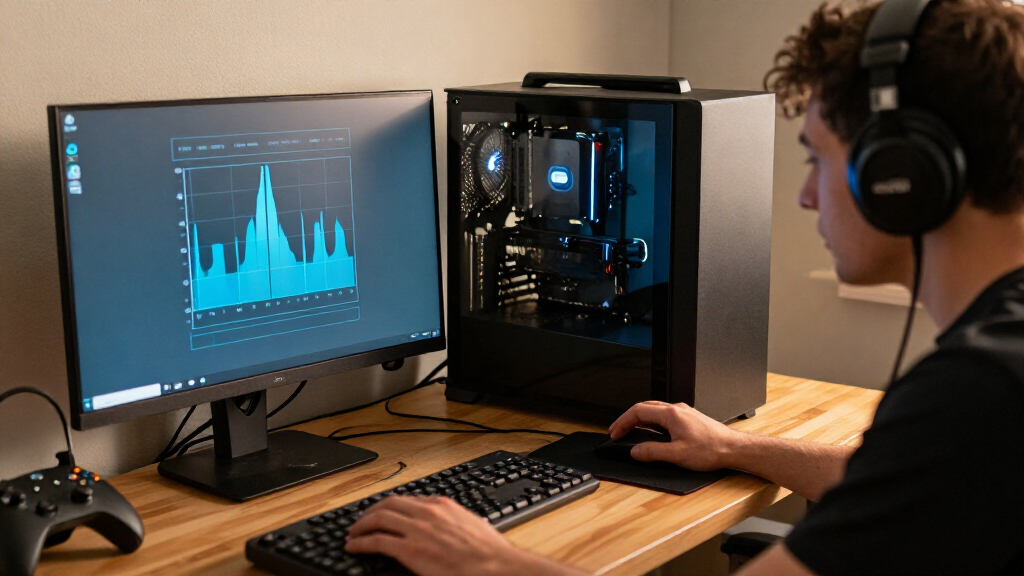

Among the best Intel CPUs in this roundup, I’d make the Core Ultra 7 270K Plus my overall pick for its blend of modern platform features and high-end performance. The Core i5-14400F is a more practical choice for buyers building a capable system without paying for flagship-tier processing, while the Core i9-14900K targets demanding workloads that can use its extra throughput. The central tradeoff is whether you need maximum multicore speed, a balanced gaming-and-work chip, or a lower-cost processor that leaves more of the build budget for other parts. Socket compatibility, cooling demands, and integrated graphics also separate these models in ways that matter after purchase. Read on for the full breakdown and guidance on which Intel CPU best fits your build.

Play games on Amazon Luna for your game nights, included with Prime
- A rotating selection of games, no download needed
- Play on TV, laptop or phone
- Fast, free delivery for your gear, too
Complete the kit

Key Takeaways
- The Core Ultra 7 270K Plus leads this comparison as the most balanced modern high-performance option, rather than a specialist chip built around only gaming or maximum core count.
- The Core i5-14400F is the practical value pick for a balanced desktop build, but its lack of integrated graphics means a discrete GPU is required even for basic display output.
- The Core i9-14900K and Core Ultra 9 285K serve demanding workloads; their extra headroom makes most sense when sustained multicore work is part of the routine, not just occasional use.
- Several familiar 14th Gen Core chips share the LGA1700 platform, which can help buyers reusing a compatible motherboard, but BIOS support and cooling capacity still need checking.
- “F” and “KF” models trade away integrated graphics, while non-F versions can provide a useful fallback for troubleshooting or a build that will run without a discrete graphics card.
| Intel Core i5-14400F 14th Gen Desktop Processor | 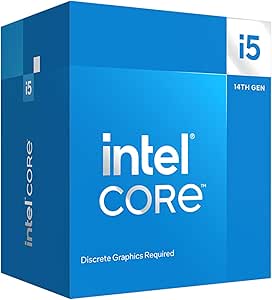 | Best Value for a Discrete-GPU Build | Generation: 14th Gen | Cores / threads: 10 cores (6 P-cores + 4 E-cores) / 16 threads | Maximum speed: Up to 4.7 GHz | VIEW LATEST PRICE | See Our Full Breakdown |
| Intel Core Ultra 7 270K Plus 24-Core Processor, up to 5.5 GHz |  | Best for Heavy Multitasking on the New Platform | Processor series: Intel Core Ultra 7 | Cores / threads: 24 cores (8 P-cores + 16 E-cores) / 24 threads | Maximum turbo frequency: Up to 5.5 GHz | VIEW LATEST PRICE | See Our Full Breakdown |
| Intel Core Ultra 9 285K Desktop Processor, 24 Cores, Up to 5.7 GHz |  | Best Premium Intel CPU | Cores / threads: 24 cores (8 P-cores + 16 E-cores) / 24 threads | Maximum speed: Up to 5.7 GHz | Cache: 40 MB | VIEW LATEST PRICE | See Our Full Breakdown |
| Intel Core Ultra 7 Desktop Processor 265 |  | Best for a New PC That Needs Integrated Graphics | Cores / threads: 20 cores (8 P-cores + 12 E-cores) / 20 threads | Maximum speed: Up to 5.3 GHz | Cache: 36 MB | VIEW LATEST PRICE | See Our Full Breakdown |
| Intel Core i7-14700K Desktop Processor, 20 Cores, Unlocked |  | Best for Flexible LGA1700 Upgrades | Processor series: Intel Core i7 | Cores / threads: 20 cores (8 P-cores + 12 E-cores) / 28 threads | Maximum speed: Up to 5.6 GHz | VIEW LATEST PRICE | See Our Full Breakdown |
| Intel Core i7-14700KF Unlocked Desktop Processor, 20 Cores |  | Best for Overclocked Gaming and Creation | Cores / threads: 20 (8 P-cores + 12 E-cores) / 28 | Maximum frequency: 5.6 GHz | Cache: 33 MB | VIEW LATEST PRICE | See Our Full Breakdown |
| Intel Core i9-14900K Desktop Processor |  | Best for Maximum Core Count | Cores / threads: 24 (8 P-cores + 16 E-cores) / 32 | Maximum clock speed: Up to 6.0 GHz | Cache: 36 MB | VIEW LATEST PRICE | See Our Full Breakdown |
| Intel Core i7-14700 Desktop Processor |  | Best Balanced 20-Core Option | Cores / threads: 20 (8 P-cores + 12 E-cores) / 28 | Maximum frequency: 5.4 GHz | Cache: 33 MB | VIEW LATEST PRICE | See Our Full Breakdown |
| Intel Core i9-12900KF 16-Core Unlocked Desktop Processor |  | Best Previous-Generation Enthusiast Pick | Cores / threads: 16 (8 P-cores + 8 E-cores) / 24 | Base / maximum speed: 3.2 GHz / up to 5.2 GHz | Cache: 30 MB L3 cache; 20 MB secondary cache | VIEW LATEST PRICE | See Our Full Breakdown |
| Intel Core i5-14600KF 14-Core Unlocked Desktop Processor |  | Best Midrange Overclocking Pick | Cores / threads: 14 (6 P-cores + 8 E-cores) / 20 | Maximum turbo frequency: 5.3 GHz | Socket: LGA 1700 | VIEW LATEST PRICE | See Our Full Breakdown |
| Intel Core Ultra 5 225 Desktop Processor, 10-Core, Up to 4.9 GHz |  | Best for Efficient Everyday Builds | Cores / threads: 10 (6 P-cores + 4 E-cores) / 14 | Maximum boost speed: Up to 4.9 GHz | Listed processor speed: 4.4 GHz | VIEW LATEST PRICE | See Our Full Breakdown |
| Intel Core Ultra 5 250K Plus 18-Core Processor |  | Best for Multithreaded Performance | Cores / threads: 18 (6 P-cores + 12 E-cores) / 36 | Processor speed: 3.3 GHz | Maximum turbo frequency: Up to 5.5 GHz | VIEW LATEST PRICE | See Our Full Breakdown |
| Intel Core i9-12900K 16-Core Desktop Processor, up to 5.2 GHz, LGA1700 |  | Best for LGA1700 Upgraders | Cores / threads: 16 (8 performance + 8 efficiency) / 24 | Processor speed: 3.2 GHz | Maximum boost speed: Up to 5.2 GHz | VIEW LATEST PRICE | See Our Full Breakdown |
| Intel CPU | Cores / threads | Cache | Memory support | Socket |
|---|---|---|---|---|
| Intel Core i5-14400F 14th Gen | 10 cores (6 P-cores + 4 E-cores) / 16 threads | 20 MB | DDR4 and DDR5 | LGA1700 |
| Intel Core Ultra 7 270K Plus 2 | 24 cores (8 P-cores + 16 E-cores) / 24 threads | 40 MB | DDR5 up to 7200 MT/s | — |
| Intel Core Ultra 9 285K Deskto | 24 cores (8 P-cores + 16 E-cores) / 24 threads | 40 MB | DDR5 | LGA1851 |
| Intel Core Ultra 7 Desktop Pro | 20 cores (8 P-cores + 12 E-cores) / 20 threads | 36 MB | DDR5 | — |
| Intel Core i7-14700K Desktop P | 20 cores (8 P-cores + 12 E-cores) / 28 threads | 33 MB | DDR4 and DDR5 | LGA 771, as listed; verify compatibility |
| Intel Core i7-14700KF Unlocked | 20 (8 P-cores + 12 E-cores) / 28 | 33 MB | DDR4 and DDR5 | LGA 1700 |
| Intel Core i9-14900K Desktop P | 24 (8 P-cores + 16 E-cores) / 32 | 36 MB | DDR4 and DDR5 | LGA 1700 |
| Intel Core i7-14700 Desktop Pr | 20 (8 P-cores + 12 E-cores) / 28 | 33 MB | DDR4 and DDR5 | LGA 1700 |
| Intel Core i9-12900KF 16-Core | 16 (8 P-cores + 8 E-cores) / 24 | 30 MB L3 cache; 20 MB secondary cache | — | LGA 1700 |
| Intel Core i5-14600KF 14-Core | 14 (6 P-cores + 8 E-cores) / 20 | — | DDR4 and DDR5 | LGA 1700 |
| Intel Core Ultra 5 225 Desktop | 10 (6 P-cores + 4 E-cores) / 14 | 22 MB | — | — |
| Intel Core Ultra 5 250K Plus 1 | 18 (6 P-cores + 12 E-cores) / 36 | 30 MB | DDR5 up to 7200 MT/s | — |
| Intel Core i9-12900K 16-Core D | 16 (8 performance + 8 efficiency) / 24 | 30 MB L3; 12 MB secondary cache | — | LGA 1700 |
More Details on Our Top Picks
Intel Core i5-14400F 14th Gen Desktop Processor
I’d choose the Core i5-14400F for a practical LGA1700 gaming or general-use build where the budget is better spent on a graphics card. Its 10 cores and 16 threads give it more room for multitasking than a basic entry-level chip, and the included Laminar RM1 cooler means one less component to source. Unlike the Core Ultra 7 265, it supports either DDR4 or DDR5, which can make an existing compatible motherboard and memory kit useful. That flexibility comes with an older platform, though, and the F-series chip has no integrated graphics: a discrete GPU is required even for display output. Some 600-series boards may also need a BIOS update. I’d skip it if you want a new-platform upgrade path or need a PC that can run without a graphics card.
Pros:- 10 cores and 16 threads handle gaming alongside everyday multitasking.
- Supports both DDR4 and DDR5, offering flexibility across compatible LGA1700 builds.
- Includes an Intel Laminar RM1 cooler.
- 65 W processor base power suits a mainstream desktop configuration.
Cons:- Requires a discrete graphics card because it has no integrated graphics.
- Some Intel 600-series motherboards may need a BIOS update.
- Uses the older LGA1700 platform rather than the LGA1851 platform of the Core Ultra models here.
Best for: Builders assembling an LGA1700 PC with a discrete graphics card who want a capable multitasking CPU and the option to use DDR4.
Not ideal for: Buyers who need integrated graphics for troubleshooting or a GPU-free desktop, or who are building around Intel’s newer LGA1851 platform.
- Generation:14th Gen
- Cores / threads:10 cores (6 P-cores + 4 E-cores) / 16 threads
- Maximum speed:Up to 4.7 GHz
- Cache:20 MB
- Socket:LGA1700
- Memory support:DDR4 and DDR5
- Processor base power:65 W
- Included cooler:Intel Laminar RM1
- Graphics:Discrete graphics card required
Our verdict“Choose the Core i5-14400F for a balanced LGA1700 build if you already plan to use a discrete graphics card.”
Intel Core Ultra 7 270K Plus 24-Core Processor, up to 5.5 GHz
The Core Ultra 7 270K Plus is the work-focused pick in this group: its 24 cores combine 8 performance cores with 16 efficiency cores, giving demanding multitasking and parallel workloads more core capacity than the 20-core Core Ultra 7 265. It also reaches 5.5 GHz and is unlocked, so buyers with a compatible Z-series board can tune performance. The tradeoff is a substantial platform commitment: it needs an LGA1851 Intel 800-series motherboard and DDR5, unlike the Core i7-14700K, which supports DDR4 or DDR5 on LGA1700. Its listed maximum turbo power is 250 W, so cooling and power delivery need to match the intended workload. I’d pick it over the Ultra 9 285K only when the latter’s higher listed boost speed matters less than getting a high-core-count Ultra 7.
Pros:- 24 cores, including 16 efficiency cores, support heavy parallel workloads.
- Boosts up to 5.5 GHz for workloads that benefit from high clock speeds.
- Unlocked for tuning with a compatible Intel Z-series chipset.
- Supports DDR5 up to 7200 MT/s and PCIe 5.0.
Cons:- Requires an Intel 800-series LGA1851 motherboard and DDR5 memory.
- Maximum turbo power is listed at 250 W, calling for suitable cooling and power delivery.
- The Core Ultra 9 285K has a higher listed maximum speed for buyers prioritizing peak boost frequency.
Best for: Content creators and power users building a new LGA1851 workstation-style desktop who run several demanding tasks or threaded applications at once.
Not ideal for: Upgraders hoping to reuse an LGA1700 motherboard or DDR4 memory, and buyers who do not want to plan around a 250 W maximum turbo power rating.
- Processor series:Intel Core Ultra 7
- Cores / threads:24 cores (8 P-cores + 16 E-cores) / 24 threads
- Maximum turbo frequency:Up to 5.5 GHz
- Cache:40 MB
- Socket and chipset:LGA1851; Intel 800 Series
- Memory support:DDR5 up to 7200 MT/s
- PCIe support:PCIe 5.0 and 4.0
- Base / maximum turbo power:125 W / 250 W
- Overclocking:Unlocked; requires an Intel Z-series chipset
Our verdict“Pick the Core Ultra 7 270K Plus for a new LGA1851 build centered on high core count, multitasking, and optional tuning.”
Intel Core Ultra 9 285K Desktop Processor, 24 Cores, Up to 5.7 GHz
For buyers seeking the highest specified boost speed among these five, the Core Ultra 9 285K pairs 24 cores and 24 threads with speeds up to 5.7 GHz. Its unlocked design, DDR5 support, and PCIe 5.0 make it a premium fit for a new high-end gaming and content-creation system. Compared with the Core Ultra 7 270K Plus, it offers a higher listed maximum speed, while both share the 24-core layout and require Intel 800-series boards with LGA1851. That makes the choice less about core count and more about whether the extra clock headroom suits the buyer’s priorities. The listing does not include a thermal solution, so the cooler is a separate build requirement. I’d pass if you want to reuse an LGA1700 board or would rather avoid planning a cooling setup.
Pros:- 24 cores and 24 threads suit demanding creative and multitasking workloads.
- Maximum speed up to 5.7 GHz is the highest listed among these five processors.
- Unlocked design supports performance tuning.
- Supports DDR5 and PCIe 5.0.
Cons:- Thermal solution is not included.
- Requires an Intel 800-series motherboard with an LGA1851 socket.
- Compared with the Core Ultra 7 270K Plus, its listed advantage is mainly maximum speed rather than a higher core count.
Best for: Enthusiasts building a new LGA1851 desktop for demanding gaming and content creation who want an unlocked 24-core processor with the highest listed boost speed in this batch.
Not ideal for: Buyers who want to reuse an LGA1700 motherboard, need DDR4 support, or expect a cooler to come with the processor.
- Cores / threads:24 cores (8 P-cores + 16 E-cores) / 24 threads
- Maximum speed:Up to 5.7 GHz
- Cache:40 MB
- Socket:LGA1851
- Compatibility:Intel 800-series chipset motherboards
- Memory support:DDR5
- PCIe support:PCIe 5.0 and 4.0
- Processor base power:125 W
- Thermal solution:Not included
Our verdict“Choose the Core Ultra 9 285K if you want an unlocked 24-core LGA1851 CPU and are prepared to supply compatible cooling.”
Intel Core Ultra 7 Desktop Processor 265
The Core Ultra 7 265 brings 20 cores and integrated Intel Graphics to Intel’s LGA1851 platform, making it the practical choice here for a new desktop that may run without a discrete graphics card. That built-in display capability sets it apart from the Core i5-14400F, which requires a graphics card, and can also help with basic setup or troubleshooting before a GPU is installed. Its listed 65 W base power is lower than the 125 W base power of the Core Ultra 9 285K, while the Ultra 9 offers a higher maximum speed and four additional cores. The 265 still requires a new Intel 800-series motherboard and DDR5, and the listing says no thermal solution is included. I’d choose it for a balanced platform build, not for buyers focused on the highest listed speed.
Pros:- 20 cores and 20 threads provide capacity for multitasking.
- Integrated Intel Graphics allows display output without a discrete graphics card.
- 65 W base power is lower than the listed 125 W base power of the Core Ultra 9 285K.
- Supports DDR5 and PCIe 5.0.
Cons:- Requires an Intel 800-series motherboard with an LGA1851 socket.
- The listing says a thermal solution is not included.
- Its maximum speed of 5.3 GHz is below the listed speeds of the Core Ultra 7 270K Plus and Core Ultra 9 285K.
Best for: Desktop builders moving to LGA1851 who want 20 cores and integrated graphics for display output, basic graphics duties, or GPU troubleshooting.
Not ideal for: Buyers seeking to keep an LGA1700 motherboard or DDR4 memory, or those who want the highest listed boost speed and are prepared for a higher-tier CPU and cooling setup.
- Cores / threads:20 cores (8 P-cores + 12 E-cores) / 20 threads
- Maximum speed:Up to 5.3 GHz
- Cache:36 MB
- Socket and chipset:LGA1851; Intel 800 series
- Base power:65 W
- Graphics:Integrated Intel Graphics
- Memory support:DDR5
- PCIe support:PCIe 5.0 and 4.0
- Thermal solution:Not included, according to the listing
Our verdict“Choose the Core Ultra 7 265 for an LGA1851 desktop that needs integrated graphics and substantial multitasking capacity.”
Intel Core i7-14700K Desktop Processor, 20 Cores, Unlocked
The Core i7-14700K is the flexible high-performance option for builders who want an unlocked 20-core CPU but are not ready to move to LGA1851. Its DDR4 and DDR5 support gives it a distinct advantage over the Core Ultra 7 265, which requires DDR5, and its integrated UHD Graphics 770 means a discrete card is not mandatory for basic display output. At up to 5.6 GHz with 28 threads, it is well suited to gaming alongside demanding productivity tasks. The tradeoffs are its 125 W base power and older platform: some 600-series boards may need a BIOS update. The provided listing also gives an unusual LGA 771 socket value, despite listing compatibility with 600- and 700-series chipsets; buyers should verify the exact motherboard and socket before ordering.
Pros:- 20 cores and 28 threads support gaming and demanding productivity workloads.
- Integrated Intel UHD Graphics 770 provides display output without a discrete GPU.
- Supports both DDR4 and DDR5 memory.
- Unlocked design and speeds up to 5.6 GHz support performance tuning.
Cons:- Some Intel 600-series motherboards may require a BIOS update.
- The listing’s LGA 771 socket specification conflicts with its stated 600- and 700-series chipset compatibility and should be verified.
- Its 125 W base power is higher than the 65 W base power listed for the Core Ultra 7 265.
Best for: LGA1700 builders who want an unlocked 20-core processor, need integrated graphics as a fallback, and want to choose between DDR4 and DDR5 memory.
Not ideal for: Buyers building a new LGA1851 system, avoiding BIOS checks on older boards, or unwilling to verify the listing’s conflicting socket information before purchase.
- Processor series:Intel Core i7
- Cores / threads:20 cores (8 P-cores + 12 E-cores) / 28 threads
- Maximum speed:Up to 5.6 GHz
- Cache:33 MB
- Socket:LGA 771, as listed; verify compatibility
- Memory support:DDR4 and DDR5
- Integrated graphics:Intel UHD Graphics 770
- Processor base power:125 W
- Chipset compatibility:Intel 600-series (may require BIOS update) and 700-series, as listed
Our verdict“Choose the Core i7-14700K for a flexible LGA1700 upgrade with integrated graphics, after confirming the motherboard socket and BIOS support.”
Intel Core i7-14700KF Unlocked Desktop Processor, 20 Cores
I’d pick the Core i7-14700KF for a high-performance build that will use a discrete graphics card and benefit from tuning. Its 20 cores and 28 threads give it more room for demanding multitasking than the 14-core Core i5-14600KF, while its 5.6 GHz maximum turbo frequency keeps it suited to games and responsive desktop work. The unlocked design also lets enthusiasts adjust performance, provided their motherboard and cooling setup support that plan.
The tradeoff is practical: unlike the Core i7-14700, this KF model has no integrated graphics, so a graphics card is required even for setup and troubleshooting. It also has a 125 W base power rating, and some 600-series boards may need a BIOS update. I’d choose it over the Core i9-14900K when I want strong multi-core capacity without moving up to that model’s 24 cores and 6.0 GHz ceiling.
Pros:- 20 cores and 28 threads handle gaming alongside demanding background tasks
- Unlocked design allows processor tuning on a suitable platform
- Supports both DDR4 and DDR5 memory, offering flexibility when choosing or reusing a motherboard
- 5.6 GHz maximum turbo frequency supports fast single-threaded workloads
Cons:- No integrated graphics, so a discrete graphics card is required
- 125 W base power calls for capable cooling and power delivery
- Some Intel 600-series motherboards may need a BIOS update
Best for: PC builders with a discrete graphics card who want an unlocked processor for gaming, streaming, and creator workloads.
Not ideal for: Builders who need integrated graphics for a backup display or troubleshooting, or who want a simpler lower-power setup without overclocking.
- Cores / threads:20 (8 P-cores + 12 E-cores) / 28
- Maximum frequency:5.6 GHz
- Cache:33 MB
- Socket:LGA 1700
- Base power:125 W
- Memory support:DDR4 and DDR5
- Chipset compatibility:Intel 600-series (possible BIOS update) and 700-series
- Integrated graphics:None; discrete graphics required
Our verdict“Choose the i7-14700KF if you want an unlocked 20-core CPU for a discrete-GPU build and don’t need onboard graphics.”
Intel Core i9-14900K Desktop Processor
For buyers who want the broadest workload headroom in this group, I’d put the Core i9-14900K at the top of the performance-focused choices. Its 24 cores and 32 threads exceed the Core i7-14700K’s 20 cores, making it a better fit for heavy rendering, compiling, and gaming while other demanding applications run. The 6.0 GHz maximum clock speed is also the highest listed here, and UHD Graphics 770 provides a display output for troubleshooting or use before a discrete card is installed.
That capability comes with a less restrained build profile: the 125 W base power figure is not a complete guide to cooling needs under sustained workloads, so I’d pair it with a robust cooling solution. It remains an LGA 1700 processor, and a 600-series motherboard may need a BIOS update. Compared with the i7-14700, it brings more cores and a higher peak clock, but it’s more processor than most gaming-focused builds need.
Pros:- 24 cores and 32 threads suit heavy parallel workloads
- Up to 6.0 GHz maximum clock speed
- Intel UHD Graphics 770 provides display output without a discrete GPU
- Supports both DDR4 and DDR5 memory
Cons:- High-end sustained workloads call for substantial cooling
- Some Intel 600-series motherboards may require a BIOS update
- Its extra cores offer limited value for buyers who mainly play games
Best for: Creators and power users who routinely render, compile, or run multiple heavy applications and want integrated graphics as a fallback.
Not ideal for: Mainly gaming-focused buyers or compact, quiet-build planners who won’t use the extra cores and don’t want to plan around substantial cooling.
- Cores / threads:24 (8 P-cores + 16 E-cores) / 32
- Maximum clock speed:Up to 6.0 GHz
- Cache:36 MB
- Socket:LGA 1700
- Processor base power:125 W
- Memory support:DDR4 and DDR5
- Integrated graphics:Intel UHD Graphics 770
- Chipset compatibility:Intel 600-series (possible BIOS update) and 700-series
Our verdict“Choose the i9-14900K when your work can use 24 cores and you want integrated graphics alongside flagship-class clock speeds.”
Intel Core i7-14700 Desktop Processor
The Core i7-14700 is my balanced pick for a 20-core build that doesn’t require buying an unlocked KF processor and a discrete graphics card from day one. It shares the i7-14700KF’s 20 cores and 28 threads, but steps down to a 5.4 GHz maximum frequency and includes Intel UHD Graphics 770. That built-in graphics can handle basic display duties and gives a builder a way to diagnose a system before adding a gaming GPU. The included Laminar RM1 cooler also means there is a stock cooling option in the box.
Compared with the unlocked i7-14700KF, this model is less suited to overclocking but more convenient for a standard build. Its listed base power is 65 W, while the product data also lists 125 W wattage, so I wouldn’t treat the base figure as a guarantee of low cooling demands under load. Buyers using older 600-series boards should check BIOS compatibility before installation.
Pros:- 20 cores and 28 threads support demanding multitasking
- Integrated Intel UHD Graphics 770 provides display output without a separate graphics card
- Intel Laminar RM1 cooler is included
- Supports DDR4 and DDR5 memory, plus PCIe 5.0 and 4.0
Cons:- 5.4 GHz maximum frequency is lower than the i7-14700KF’s 5.6 GHz
- Not listed as unlocked for overclocking
- Product data lists both 65 W base power and 125 W wattage, so cooling needs require attention
Best for: Builders seeking a 20-core processor for productivity and gaming who want integrated graphics and an included stock cooler.
Not ideal for: Enthusiasts set on overclocking, or buyers who want the highest listed i7 clock speed and already have a discrete-GPU-focused build.
- Cores / threads:20 (8 P-cores + 12 E-cores) / 28
- Maximum frequency:5.4 GHz
- Cache:33 MB
- Socket:LGA 1700
- Processor base power:65 W
- Memory support:DDR4 and DDR5
- PCIe support:PCIe 5.0 and 4.0
- Graphics and cooler:Intel UHD Graphics 770; Intel Laminar RM1 included
Our verdict“Choose the i7-14700 if you want 20-core performance with integrated graphics and a bundled cooler rather than an unlocked KF chip.”
Intel Core i9-12900KF 16-Core Unlocked Desktop Processor
I’d consider the Core i9-12900KF for an LGA 1700 build centered on a discrete graphics card, especially when the goal is an unlocked chip with plenty of parallel processing capacity. Its 16 cores and 24 threads are fewer than the 20-core i7-14700KF, but still give it room for gaming alongside streaming or other background work. A maximum speed of 5.2 GHz and unlocked tuning make it more compelling for enthusiasts than a basic entry-level processor.
Its age shows against the newer i7-14700KF and i5-14600KF: both offer higher maximum frequencies, and the i7 has four more cores. The 12900KF also lacks integrated graphics, so a discrete card is mandatory for display output. On the plus side, it works with Intel 600- and 700-series chipsets, making it a possible fit for an existing LGA 1700 system. I’d choose it for a compatible platform, not as the default pick for a new high-end build.
Pros:- 16 cores and 24 threads support gaming and concurrent workloads
- Unlocked for processor tuning
- Compatible with Intel 600- and 700-series chipsets
- LGA 1700 compatibility can suit an existing platform
Cons:- Fewer cores and a lower maximum speed than the newer i7-14700KF
- No integrated graphics; a discrete graphics card is required
- Limited to the LGA 1700 platform
Best for: Owners of an LGA 1700 system with a discrete graphics card who want an unlocked 16-core processor for gaming and multitasking.
Not ideal for: New-build shoppers who want the newer i7-14700KF’s extra cores and higher boost speed, or anyone who needs integrated graphics.
- Cores / threads:16 (8 P-cores + 8 E-cores) / 24
- Base / maximum speed:3.2 GHz / up to 5.2 GHz
- Cache:30 MB L3 cache; 20 MB secondary cache
- Socket:LGA 1700
- TDP:125 W
- Chipset compatibility:Intel 600- and 700-series
- Graphics:Discrete graphics card required
- Warranty:3-year limited
Our verdict“Choose the i9-12900KF when you’re building around a compatible LGA 1700 system and want an unlocked CPU with a discrete GPU.”
Intel Core i5-14600KF 14-Core Unlocked Desktop Processor
The Core i5-14600KF is the sensible step down for buyers who want an unlocked, modern desktop processor but don’t need the i7-14700KF’s 20 cores. Its 14 cores and 20 threads can cover gaming, streaming, and creator tasks, while a 5.3 GHz maximum turbo frequency keeps it firmly in performance territory. DDR4 and DDR5 support gives builders flexibility to reuse compatible memory or choose a newer platform configuration; PCIe 5.0 and 4.0 support also accommodates current and previous-generation devices.
Compared with the i7-14700KF, this i5 has fewer cores and a lower maximum frequency, making it a less natural choice for sustained, heavily threaded work. It is still an unlocked 125 W processor, so I’d budget for suitable cooling and a discrete graphics card. Unlike the Core i7-14700, it has no integrated graphics or included cooler listed, so it favors a deliberate performance build over a convenient out-of-box setup.
Pros:- 14 cores and 20 threads provide capacity for gaming and multitasking
- Unlocked design supports overclocking
- Supports both DDR4 and DDR5 memory
- PCIe 5.0 and 4.0 support offers flexibility for add-in components
Cons:- Requires a discrete graphics card
- Fewer cores than the i7-14700KF for heavily threaded workloads
- 125 W base power and an unlocked design call for suitable cooling
Best for: Gamers and hobbyist creators assembling a discrete-GPU system who want an unlocked 14-core CPU and DDR4/DDR5 flexibility.
Not ideal for: People who need integrated graphics, an included cooler, or the extra cores for frequent rendering and other heavily threaded work.
- Cores / threads:14 (6 P-cores + 8 E-cores) / 20
- Maximum turbo frequency:5.3 GHz
- Socket:LGA 1700
- Memory support:DDR4 and DDR5
- PCIe support:PCIe 5.0 and 4.0
- Processor base power:125 W
- Motherboard compatibility:Intel 600-series (possible BIOS update) and 700-series
- Graphics:Discrete graphics required
Our verdict“Choose the i5-14600KF for an unlocked midrange build with a discrete GPU when the i7-14700KF’s extra cores would go unused.”
Intel Core Ultra 5 225 Desktop Processor, 10-Core, Up to 4.9 GHz
The Core Ultra 5 225 is the sensible fit for a new desktop that needs current-platform features without the power demands of Intel’s larger unlocked chips. Its 10 cores and 14 threads cover everyday multitasking and moderate productivity, while the 65 W base power rating suits a less demanding build than the Core Ultra 5 250K Plus, which offers far more cores but can draw up to 250 W. Integrated Intel Graphics also lets a system start without a separate graphics card, useful for office work or troubleshooting.
The tradeoff is headroom: its 4.9 GHz maximum boost and core count are a step below the 250K Plus for heavier parallel workloads, and this model is not presented as an unlocked tuning pick. It also needs an LGA 1851, Intel 800 Series motherboard, and the listing is inconsistent about whether a cooler is included, so I would confirm that before buying.
Pros:- 10 cores and 14 threads handle everyday multitasking
- Integrated Intel Graphics can run a display without a discrete graphics card
- 65 W base power fits less demanding desktop builds
- Supports DDR5 and PCIe 5.0 on Intel 800 Series platforms
Cons:- Requires an LGA 1851 motherboard with an Intel 800 Series chipset
- Cooler inclusion is unclear in the product information
- Less suited to heavy parallel workloads than the 18-core Core Ultra 5 250K Plus
Best for: Builders putting together a lower-power LGA 1851 desktop for office work, browsing, and moderate multitasking who want integrated graphics.
Not ideal for: Enthusiast gamers and creators running sustained, heavily threaded workloads who would benefit from the Core Ultra 5 250K Plus’s higher core count and unlocked tuning.
- Cores / threads:10 (6 P-cores + 4 E-cores) / 14
- Maximum boost speed:Up to 4.9 GHz
- Listed processor speed:4.4 GHz
- Cache:22 MB
- Processor base power:65 W
- Socket and chipset:LGA 1851; Intel 800 Series
- Memory and PCIe:DDR5; PCIe 5.0 and 4.0
- Integrated graphics:Intel Graphics
Our verdict“Choose the Core Ultra 5 225 for a modest-power, current-generation desktop with integrated graphics, not for maximum gaming or workstation throughput.”
Intel Core Ultra 5 250K Plus 18-Core Processor
The Core Ultra 5 250K Plus is the strongest fit here for buyers who want a high core count and room to tune without moving up to a Core Ultra 7. Its 18 cores and 36 threads give it a clear workload advantage over the 10-core Core Ultra 5 225 for rendering, compiling, and running demanding tasks alongside games. A maximum turbo frequency of 5.5 GHz also makes it a more capable all-rounder than a processor chosen mainly for low-power everyday use.
That performance comes with a bigger platform and cooling commitment. The chip needs an LGA 1851 Intel 800 Series board, and its 250 W maximum turbo power calls for a capable cooler and power delivery. It is unlocked, but tuning requires a Z-series chipset; buyers who want a straightforward, restrained build may be better served by the Core Ultra 5 225. DDR5 support up to 7200 MT/s offers flexibility, but memory and cooling choices matter more in a performance-focused setup.
Pros:- 18 cores and 36 threads suit heavy multitasking and parallel workloads
- Up to 5.5 GHz turbo frequency supports responsive performance
- Unlocked for tuning with an Intel Z-series chipset
- Supports DDR5 up to 7200 MT/s and PCIe 5.0
Cons:- 250 W maximum turbo power raises cooling and power-delivery demands
- Requires an LGA 1851 motherboard with an Intel 800 Series chipset
- Tuning requires a Z-series board, adding platform requirements
Best for: PC builders who regularly render, compile code, stream while gaming, or run other parallel workloads and want an unlocked LGA 1851 processor.
Not ideal for: Small, quiet, or low-power builds, and buyers who do not want to budget for a Z-series motherboard and substantial cooling.
- Cores / threads:18 (6 P-cores + 12 E-cores) / 36
- Processor speed:3.3 GHz
- Maximum turbo frequency:Up to 5.5 GHz
- Cache:30 MB
- Base / maximum turbo power:125 W / 250 W
- Socket and chipset:LGA 1851; Intel 800 Series
- Memory support:DDR5 up to 7200 MT/s
- PCIe support:PCIe 5.0 and 4.0
- Tuning:Unlocked; requires an Intel Z-series chipset for tuning
Our verdict“Pick the Core Ultra 5 250K Plus for demanding, threaded work and tuning flexibility if your build can handle its power and cooling needs.”
Intel Core i9-12900K 16-Core Desktop Processor, up to 5.2 GHz, LGA1700
The Core i9-12900K is the practical choice in this group for buyers who already own a compatible LGA1700 motherboard and want an unlocked, high-core-count upgrade. Its 16 cores and 24 threads remain well suited to gaming and multitasking, and the integrated UHD 770 graphics provide a display output or basic fallback without a discrete GPU. Compared with the newer Core Ultra 5 250K Plus, it uses the older LGA1700 platform and has fewer listed cores and threads; its appeal is avoiding a platform change when a compatible Intel 600 or 700 Series board is already in place.
The tradeoffs are real for a new build: this is a 125 W processor, and its 5.2 GHz maximum boost and older platform make it a less future-facing choice than the LGA1851 options. It is unlocked, but buyers should check motherboard support and cooling before upgrading. The non-F model’s integrated graphics distinguish it from the Core i9-12900KF, but the added graphics do not make it the best fit for a fresh, forward-looking platform.
Pros:- 16 cores and 24 threads support gaming and multitasking
- Integrated Intel UHD 770 graphics provide display output without a discrete GPU
- Unlocked for processor tuning
- Compatible with Intel 600 and 700 Series motherboards
Cons:- Requires an LGA1700 motherboard, limiting platform choice for new builds
- 125 W TDP calls for appropriate cooling
- Older platform than the LGA1851 Core Ultra 5 250K Plus
Best for: Owners of compatible Intel 600 or 700 Series LGA1700 systems who want an unlocked processor with integrated graphics for gaming and multitasking.
Not ideal for: New-build shoppers prioritizing a newer socket, or buyers who need the higher core and thread count offered by the Core Ultra 5 250K Plus.
- Cores / threads:16 (8 performance + 8 efficiency) / 24
- Processor speed:3.2 GHz
- Maximum boost speed:Up to 5.2 GHz
- Cache:30 MB L3; 12 MB secondary cache
- Socket:LGA 1700
- Chipset compatibility:Intel 600 and 700 Series
- TDP:125 W
- Integrated graphics:Intel UHD 770
- Architecture:Intel 7, 10 nm
Our verdict“Choose the Core i9-12900K if you already have a compatible LGA1700 board and want a capable unlocked upgrade with integrated graphics.”
How We Picked
I ranked these 13 processors by how well their performance, platform fit, and practical ownership demands match common desktop builds. I weighed core and thread capacity, clock speed, gaming and productivity suitability, integrated graphics availability, power and cooling needs, and whether a chip offers a sensible step up from lower-tier options. I also treated socket and motherboard compatibility as part of the buying decision, since a CPU that looks appealing on paper may require a new board or a BIOS update.
The order favors versatility first: the Core Ultra 7 270K Plus takes the lead for balancing high-end capability with a newer platform, while the Core i5-14400F ranks as the value-focused alternative. Flagship Core i9 and Core Ultra 9 models rank higher for buyers who can use their extra throughput, but not automatically for general-purpose builds. Lower placements reflect narrower use cases, older platform considerations, missing integrated graphics, or a less compelling fit when compared with another chip in this lineup—not a claim that the processor cannot handle its intended work.
| Intel CPU | Socket | Memory support |
|---|---|---|
| Intel Core i5-14400F 14th Gen | LGA1700 | DDR4 and DDR5 |
| Intel Core Ultra 7 270K Plus 2 | — | DDR5 up to 7200 MT/s |
| Intel Core Ultra 9 285K Deskto | LGA1851 | DDR5 |
| Intel Core Ultra 7 Desktop Pro | — | DDR5 |
| Intel Core i7-14700K Desktop P | LGA 771, as listed; verify compatibility | DDR4 and DDR5 |
| Intel Core i7-14700KF Unlocked | LGA 1700 | DDR4 and DDR5 |
| Intel Core i9-14900K Desktop P | LGA 1700 | DDR4 and DDR5 |
| Intel Core i7-14700 Desktop Pr | LGA 1700 | DDR4 and DDR5 |
| Intel Core i9-12900KF 16-Core | LGA 1700 | — |
| Intel Core i5-14600KF 14-Core | LGA 1700 | DDR4 and DDR5 |
| Intel Core Ultra 5 225 Desktop | — | — |
| Intel Core Ultra 5 250K Plus 1 | — | DDR5 up to 7200 MT/s |
| Intel Core i9-12900K 16-Core D | LGA 1700 | — |
Factors to Consider When Choosing Best Intel CPUs
Choosing among these Intel CPUs is not just a matter of picking the largest core count or highest boost figure. I’d start with the work the PC will do, then check whether the processor fits the motherboard, graphics plan, and cooling setup already in the build.
Match Core Capacity to Your Actual Workload
More cores help when software can keep many threads busy, such as video exports, code builds, and some rendering workloads. They offer less benefit when a task depends mainly on a few fast cores or when gaming is limited by the graphics card. Before paying for a Core i9 or a high-core-count Core Ultra model, identify the applications you use and check whether they scale across additional cores. A common mistake is treating a core count as a direct measure of everyday speed. For a mixed-use PC, a strong midrange processor can leave room in the budget for a better GPU, more memory, or faster storage. Choose a flagship when your regular workload can turn its extra capacity into saved time.
Check the Socket Before Comparing Performance
The Core 12th, 13th, and 14th Gen desktop models listed here use LGA1700, while Core Ultra desktop models belong to a newer platform. That difference can determine whether you can reuse a motherboard, memory kit, or existing cooler without changing the rest of the build. Do not assume that a processor fits because its brand or product family sounds familiar; verify the exact board socket and supported CPU list. A BIOS update may be needed even when the socket matches. Buyers choosing a new platform should compare the full motherboard-and-memory cost, not only the CPU specification. Reusing a compatible board can make an older-generation chip a sensible upgrade, while a fresh build may favor a newer platform with a longer upgrade path.
Plan Cooling Around Sustained Work, Not Just Short Boosts
High clock speeds and many active cores can raise heat and power draw during extended workloads. A processor may reach its advertised peak briefly but run at different speeds during a long export if the cooler, case airflow, or motherboard power setup is limiting. Check the cooler’s compatibility and capacity before selecting an unlocked high-performance chip. Budget for a capable cooling solution and a case with clear airflow rather than assuming the included or existing cooler will be enough. For a quieter or smaller system, a lower-power model can be a better fit even if it gives up some peak throughput. The right choice depends on sustained performance and noise tolerance, not a single headline frequency.
Decide Whether Integrated Graphics Matter
Models marked F or KF do not include usable integrated graphics, so they need a discrete graphics card for display output. That is a reasonable trade when a gaming or workstation build already includes a dedicated GPU, but it removes a helpful fallback if the card fails or is being replaced. Integrated graphics can also simplify a basic office PC or help diagnose display problems without borrowing another GPU. Check the exact model suffix rather than assuming two chips with similar names have the same graphics capability. If the PC will be built in stages, a non-F processor can make it usable before a graphics card arrives. If a discrete GPU is certain from day one, the missing graphics may matter much less.
Balance CPU Spending Against the Whole System
A faster processor cannot compensate for a graphics card that is too weak for the games you play, too little memory for your projects, or slow storage that interrupts work. Think about the complete build and identify the part that currently limits performance. For gaming at higher resolutions, the GPU often deserves a larger share of the budget than a move from a capable midrange CPU to a flagship. For compiling, rendering, or heavy multitasking, CPU capacity may return more value. Another common mistake is paying for an unlocked model without a compatible motherboard and a plan to tune it. Compare the total platform cost—including board, cooler, and memory—before deciding which tier is the better buy.
Choose a Platform for the Build You Want to Keep
A CPU purchase can set the upgrade options for the rest of the computer. If you already own an LGA1700 board, a compatible 14th Gen chip may provide a straightforward performance step without replacing the platform, provided the board supports it and has suitable power delivery. A new build calls for a wider comparison: motherboard features, memory support, connectivity, and likely future CPU upgrades all affect long-term value. Avoid choosing a processor based only on the promise of future upgrades; confirm the manufacturer’s platform support and the board’s firmware options. A newer platform can make sense when you want current features and a clearer upgrade route, while a mature platform can be attractive when reusing parts is the priority. The best decision is the one that fits the total system plan, not the CPU in isolation.
Frequently Asked Questions
Should I choose a Core Ultra CPU or a 14th Gen Core processor for a new PC?
I’d compare the complete platform rather than treating the newer name as an automatic win. Core Ultra options in this lineup pair high performance with a newer desktop platform, while 14th Gen models can suit buyers who already own a compatible LGA1700 motherboard. For a new build, compare board features, memory support, upgrade plans, and total system cost alongside CPU performance. For an existing LGA1700 system, a supported 14th Gen processor may avoid a motherboard replacement. Check the exact CPU and motherboard support list before ordering.
Is an F or KF Intel CPU a bad choice if I already have a graphics card?
No; an F or KF model can be a sensible fit when a discrete GPU is part of the build from the start. The tradeoff is that the processor cannot provide display output on its own, so the PC will not be usable for graphics tasks if the card is absent or unavailable. Integrated graphics can also help with troubleshooting a suspected GPU problem. If you want to build the PC before buying a graphics card, a non-F model offers more flexibility. Choose based on how much you value that fallback, not on the suffix alone.
Is a Core i9 worth choosing over a Core i7 or Core Ultra 7?
A Core i9 makes sense when your regular software can use its additional processing capacity, such as sustained rendering, encoding, or demanding multitasking. For gaming and everyday work, a high-end Core i7 or Core Ultra 7 may already be more than capable, leaving a smaller real-world gap than the tier names suggest. A higher-tier chip can also call for stronger cooling and a motherboard suited to sustained power. Compare performance in the applications you actually use rather than relying on core count alone. If the extra throughput is occasional, spending the difference elsewhere in the PC may serve you better.
Can I use my current motherboard with one of these Intel CPUs?
It depends on the exact processor generation and motherboard socket. The Core 12th, 13th, and 14th Gen chips listed here use LGA1700, but a matching socket does not guarantee that every board supports every CPU out of the box. Some combinations need a BIOS update, and board power delivery can matter for high-performance chips. Core Ultra desktop processors in this lineup use a newer platform, so an LGA1700 board will not accept them. Check the board manufacturer’s CPU support list and firmware instructions before buying.
What should I prioritize for a gaming PC: CPU cores, clock speed, or graphics card?
For most gaming builds, I’d first match the graphics card to your resolution and visual settings, then choose a CPU that can keep it fed in the games you play. Strong per-core performance can matter more than a very high core count in many games, while some simulation and strategy titles benefit from additional CPU capacity. A flagship processor is not automatically the best gaming purchase if it forces a weaker GPU into the same build. Check benchmarks for the specific games and resolution you care about, since results can shift with the graphics card. Leave enough budget for cooling and memory as well as the processor and GPU.
Conclusion
For most buyers seeking one capable chip across gaming and productivity, I recommend the Core Ultra 7 270K Plus as the best overall in this lineup. The Core i5-14400F is my best value and beginner-friendly pick for a straightforward build with a discrete graphics card, while the Core i9-14900K is the best premium choice for workloads that can keep its extra processing capacity busy. Buyers building on a compatible LGA1700 motherboard should compare the Core i7-14700 and 14700K before paying for a platform change; anyone who wants integrated graphics should avoid F and KF models. For heavy modern workloads on a newer platform, the Core Ultra 9 285K is the specialist option, but its extra capability is best reserved for users who will use it regularly. Pick according to your workload, board, graphics plan, and cooling budget—not the tier name alone.
Halloween Picks
halloween
As an affiliate, we earn on qualifying purchases.