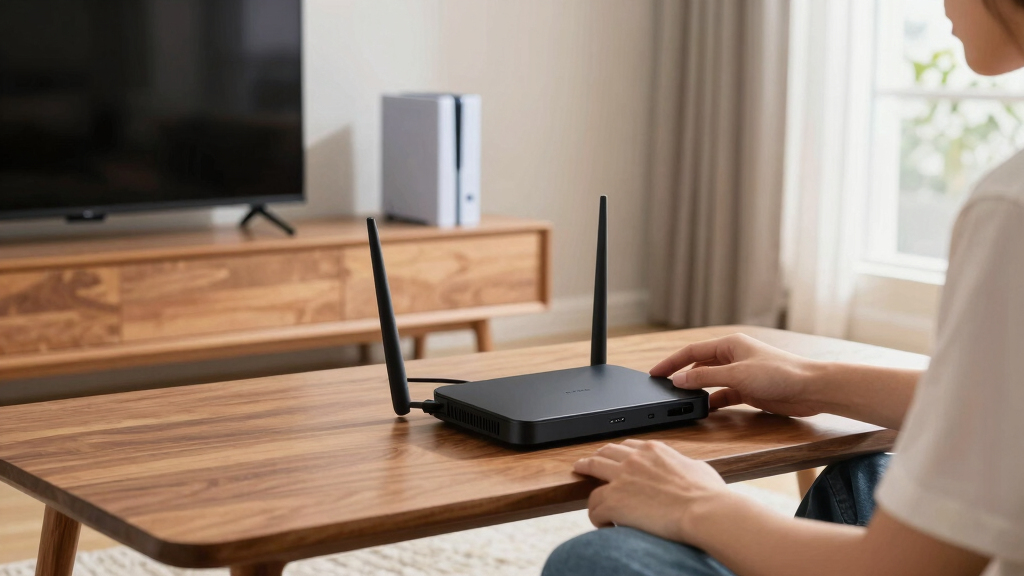

The phrase ad blocking devices covers two very different goals: stopping attention-grabbing apps on a phone and filtering unwanted activity across a network. Most products here address the first goal rather than removing banner or video advertising. I rank The Brick first because its customizable modes and usage tracking offer the best balance of control and accountability. Scrolly follows as the simpler, more approachable choice for someone who wants tap-based blocking without a subscription.
BestSelf Helm turns the same physical-friction idea into a premium desk object, while Firewalla Purple SE operates at the network level with content controls, security monitoring, and parental policies. Firewalla is more powerful but also more technical, and its supplied feature set does not establish that every type of online advertisement will disappear. The main choice is between personal app control and whole-network management, followed by how much customization, reporting, and setup complexity a buyer will accept.
Complete the kit


Key Takeaways
- The Brick ranks first because it combines physical app blocking with custom modes and usage tracking, giving it more flexibility than Scrolly or Helm.
- Scrolly is the strongest value-oriented choice for buyers who want simple tap-based control across iOS and Android without recurring fees.
- BestSelf Helm costs more to justify its brass construction, tactile presence, and lifetime warranty, not a larger digital feature set.
- Firewalla Purple SE is the only pick aimed at network-wide security and content policies, but its 500 Mbits IPS ceiling can restrict faster connections.
- None of these products should be treated as a guaranteed replacement for browser ad-blocking software; three primarily block distracting apps, while one manages network traffic.
| The Brick Phone Access Blocker Device for Cell Phones |  | Best Overall | Device type: Physical phone access blocker | Compatibility: Smartphones | Color: Grey | VIEW LATEST PRICE | See Our Full Breakdown |
| Scrolly Physical App Blocker – Phone Lock for Screen Time Management |  | Best Value | Device type: Physical app blocker | Compatibility: iOS and Android | Activation: Tap-to-use | VIEW LATEST PRICE | See Our Full Breakdown |
| BestSelf Helm Focus Device – NFC-Powered Phone Distraction Blocker for Deep Work and Productivity |  | Best Premium | Device type: NFC-powered phone distraction blocker | Primary material: Aerospace-grade brass | Crown finish: Fingerprint-resistant silicone | VIEW LATEST PRICE | See Our Full Breakdown |
| Firewalla Purple SE Cybersecurity Firewall for Home & Business |  | Best for Whole-Network Controls | Device type: Cybersecurity firewall | IPS throughput: Up to 500 Mbits | Operating modes: Router and Transparent Bridge | VIEW LATEST PRICE | See Our Full Breakdown |
| ad blocking device | Device type | Compatibility | Usage tracking | Subscription |
|---|---|---|---|---|
| The Brick Phone Access Blocker | Physical phone access blocker | Smartphones | Yes | None |
| Scrolly Physical App Blocker | Physical app blocker | iOS and Android | — | None |
| BestSelf Helm Focus Device | NFC-powered phone distraction blocker | — | No | — |
| Firewalla Purple SE Cybersecur | Cybersecurity firewall | — | — | — |
More Details on Our Top Picks
The Brick Phone Access Blocker Device for Cell Phones
I rank The Brick as the best overall choice because it adds two useful layers to physical app blocking: custom modes and usage tracking. The physical device creates deliberate friction when a user wants to change access, while separate configurations can support work, study, or family time. That makes it more adaptable than Scrolly, whose supplied description emphasizes simplicity but offers little detail about profiles or reporting.
The tracking component is the main reason The Brick earns first place. A blocker can interrupt an impulse, but visible usage patterns help a buyer see whether those interruptions are changing behavior. Compared with Helm, The Brick is less focused on premium materials and more focused on practical feedback. Buyers who want a handsome desk object may prefer Helm’s brass construction; buyers who want to measure their progress will get more relevant functionality here.
Physical control is also its main drawback. Someone who repeatedly needs immediate access to blocked apps may find the unblock step irritating, particularly when work and personal communication overlap. Compatibility is described only as smartphones, without the clearer iOS-and-Android statement supplied for Scrolly. The included unit also comes only in grey. Even with those limitations, I find its balance of customization, accountability, and no subscription the most convincing package in this lineup.
Pros:- Custom modes can separate work, study, and family-time restrictions
- Usage tracking adds feedback beyond basic blocking
- No recurring subscription is required
- Physical activation creates a deliberate pause before app access
Cons:- Blocking and unblocking require interaction with the physical device
- Compatibility is described broadly rather than by operating system
- Available only in grey
Best for: Smartphone users who want customizable focus modes and a way to track whether their screen habits are improving.
Not ideal for: People who frequently need instant access to blocked apps or want clearly documented platform-specific compatibility before buying.
- Device type:Physical phone access blocker
- Compatibility:Smartphones
- Color:Grey
- Included:1 Brick
- Modes:Customizable activity modes
- Usage tracking:Yes
- Subscription:None
- Connectivity:Not specified
Our verdict“The Brick is my first choice for buyers who want physical app blocking with more flexibility and feedback than the simpler alternatives provide.”
Scrolly Physical App Blocker – Phone Lock for Screen Time Management
Scrolly is my value pick for a buyer who wants a straightforward behavioral barrier without paying for elaborate hardware or a recurring service. Its tap-to-use setup and stated support for both iOS and Android make the buying decision easier than it is with The Brick, whose compatibility information is less specific. There is little ceremony here: tap, activate the restriction, and put attention back on the task.
That simplicity gives Scrolly an advantage for beginners, but it also creates uncertainty. The supplied information does not identify custom modes, analytics, or detailed controls. The Brick is the better option when a buyer wants to track usage or build different access rules around separate activities. Scrolly instead makes sense when extra dashboards would become another distraction and the goal is simply to interrupt reflexive scrolling.
I place it below The Brick because the available feature list is too limited to show the same degree of customization. I place it above Helm because it offers clearer cross-platform positioning and avoids asking the buyer to pay mainly for premium materials. Its subscription-free design also keeps long-term cost predictable. Buyers should still recognize that Scrolly is a personal app-management tool, not a whole-home network filter like Firewalla and not a guaranteed remover of advertising inside every app or webpage.
Pros:- Simple tap-based activation lowers the setup barrier
- Explicitly supports both iOS and Android devices
- No subscription adds predictable long-term value
- Focused design suits buyers who do not want complex controls
Cons:- Published feature information is limited
- No detailed tracking or mode system is specified
- Physical-device dependence may be inconvenient when plans change
Best for: Budget-minded iOS or Android users who want a low-complexity physical barrier against mindless scrolling.
Not ideal for: Buyers seeking detailed reports, multiple documented focus profiles, network filtering, or an extensive published feature set.
- Device type:Physical app blocker
- Compatibility:iOS and Android
- Activation:Tap-to-use
- Setup:Simple guided setup
- Subscription:None
- Primary purpose:Screen-time and scrolling control
- Usage analytics:Not specified
- Network filtering:Not specified
Our verdict“Scrolly offers the clearest low-friction route to subscription-free app blocking, provided the buyer does not need detailed customization or reporting.”
BestSelf Helm Focus Device – NFC-Powered Phone Distraction Blocker for Deep Work and Productivity
The BestSelf Helm takes a more tactile, design-led approach than the other phone blockers. Its aerospace-grade brass body, fingerprint-resistant silicone crown, and NFC activation make it suitable for a permanent place on a desk. I see its strongest appeal in the visibility of the ritual: tapping a substantial object can mark the start of a focused session more clearly than changing a software setting.
Helm is not ranked above The Brick because its premium construction does not translate into broader digital controls. There is no usage tracking or app integration, while The Brick supplies both feedback and activity-based modes. Compared with Scrolly, Helm also asks the buyer to value craftsmanship and workspace aesthetics rather than simple utility. The lifetime warranty supports the durability case, but the supplied information does not show that it blocks distractions more precisely than the cheaper physical options.
NFC activation may also feel unfamiliar to some buyers, and a physical tap is less convenient when access rules need frequent changes. On the other hand, the lack of dashboards may suit someone who wants fewer metrics and a stronger environmental cue. I recommend Helm for the buyer who views focus as a desk ritual and wants the blocker to look intentional. Anyone primarily comparing feature depth or cost efficiency should choose The Brick or Scrolly instead.
Pros:- Aerospace-grade brass gives the device a durable premium feel
- NFC tap activation creates a clear start-of-focus ritual
- Fingerprint-resistant silicone crown suits visible desk placement
- Lifetime warranty supports long-term ownership
Cons:- No digital tracking or app integration is included
- Premium materials may add cost without adding blocking controls
- NFC and physical activation may not suit every workflow
Best for: Design-conscious professionals, students, and people managing digital fatigue who want a durable focus cue on their desk.
Not ideal for: Value seekers or buyers who want usage analytics, app integration, remote controls, or detailed digital reporting.
- Device type:NFC-powered phone distraction blocker
- Primary material:Aerospace-grade brass
- Crown finish:Fingerprint-resistant silicone
- Activation:NFC tap
- Warranty:Lifetime
- Usage tracking:No
- App integration:No
- Primary purpose:Deep-work and distraction control
Our verdict“Helm is the premium choice for buyers who value a lasting physical focus ritual more than analytics, profiles, or feature-per-dollar value.”
Firewalla Purple SE Cybersecurity Firewall for Home & Business
Firewalla Purple SE is the outlier in this ranking and the right choice only when the problem extends beyond one person’s phone. It can operate in router or Transparent Bridge mode, adding intrusion prevention, malware blocking, parental controls, VPN features, content filtering, policy routing, and network monitoring. Those capabilities give households and small businesses a level of network oversight that The Brick, Scrolly, and Helm cannot provide.
Power comes with added setup work. Firewalla requires its mobile app for configuration, router compatibility can vary, and its IPS functionality is limited to 500 Mbits. A buyer paying for faster internet may not want that inspection ceiling in the traffic path. It is also a poor substitute for a physical focus blocker: network policies can manage connected traffic, but they do not create the same deliberate pause before opening a locally available distracting app.
I rank Firewalla fourth because its relevance to the title is narrower than its broad security feature list may suggest. The provided details establish content filtering and malware blocking, but they do not promise removal of every banner, sponsored post, video ad, or in-app promotion. Buyers focused specifically on webpage ads may still need browser-based tools. For a parent or administrator seeking centralized network policies, however, Firewalla is the only product here built for that job.
Pros:- Manages security and content policies across a network
- Includes intrusion prevention, malware blocking, and parental controls
- Supports router and Transparent Bridge modes
- Offers VPN, policy-routing, and monitoring capabilities
Cons:- IPS throughput is capped at 500 Mbits
- Router compatibility and setup may require technical care
- The management app is required
Best for: Households and small businesses that want centralized security, parental policies, content filtering, VPN tools, and network visibility.
Not ideal for: People seeking a simple personal focus aid, guaranteed removal of every online ad, or full IPS inspection above 500 Mbits.
- Device type:Cybersecurity firewall
- IPS throughput:Up to 500 Mbits
- Operating modes:Router and Transparent Bridge
- Management:Firewalla mobile app required
- Security features:Intrusion prevention and malware blocking
- Family controls:Parental controls and content filtering
- Network features:VPN, policy routing, and monitoring
- Included cable:Cat 6 Ethernet cable
- Power supply:USA power supply included
Our verdict“Firewalla Purple SE is the specialist pick for network-wide control, but it is more technical and less directly focused on personal app blocking than the top three.”
How We Picked
I ranked these products by how clearly they help a buyer block unwanted digital distractions, how much control they provide, and how much effort is required to keep using them. I gave extra weight to subscription-free operation, understandable activation, cross-platform support, and features that create a meaningful difference between work, study, family time, and unrestricted phone use.
I also separated phone-level blockers from network-level hardware. The Brick, Scrolly, and Helm create a physical action before distracting apps can be accessed. Firewalla manages traffic and policies for connected devices instead. Because those approaches solve different problems, I did not rank raw feature counts alone. A long security list does not automatically make Firewalla better for someone who only wants to stop opening social media.
My order reflects buyer usefulness rather than luxury. The Brick takes the lead through its combination of modes and tracking. Scrolly places second because it removes complexity and recurring cost, although its available feature information is sparse. Helm ranks third: its materials and visual presence are appealing, but it offers no digital tracking or app integration. Firewalla finishes fourth because it is the most specialized option, with greater setup demands and a 500 Mbits IPS limit that may matter on fast connections.
| ad blocking device | Device type | Compatibility | Usage tracking | Activation |
|---|---|---|---|---|
| The Brick Phone Access Blocker | Physical phone access blocker | Smartphones | Yes | — |
| Scrolly Physical App Blocker | Physical app blocker | iOS and Android | — | Tap-to-use |
| BestSelf Helm Focus Device | NFC-powered phone distraction blocker | — | No | NFC tap |
| Firewalla Purple SE Cybersecur | Cybersecurity firewall | — | — | — |
Factors to Consider When Choosing Best Ad Blocking Devices
I would start by defining what needs to be blocked. A product that limits social-media access on one phone solves a different problem from hardware that applies network policies across a household. Once that boundary is clear, the differences among these four picks become much easier to judge.
App Blocking Versus Ad Filtering
The Brick, Scrolly, and Helm are best understood as physical app blockers. They help interrupt access to distracting phone applications, but that does not mean they selectively remove commercial messages from every website or streaming service. Firewalla provides network-level content controls, yet even network filtering may miss ads delivered from the same domains as wanted content. I would pair the chosen hardware with browser controls when advertisement removal is the primary goal.
How Much Friction Is Helpful?
Physical friction works by making a change of mind less automatic. For scheduled focus periods, that deliberate extra step can be the point. It becomes a drawback when blocked services are also needed for work, authentication, travel, or urgent communication. I favor The Brick for flexible routines, Scrolly for basic sessions, and Helm for buyers who want a visible ritual tied to a fixed workspace.
Customization and Feedback
Modes and tracking matter when a buyer wants to change habits rather than block everything equally. The Brick’s custom modes can match different activities, while its tracking provides a way to observe progress. Scrolly and Helm appear more minimal from the supplied details. I would choose that simplicity only when fewer settings are an advantage, since neither product presents the same documented feedback loop.
Network Speed and Setup
Firewalla requires a different buying calculation. Its 500 Mbits IPS limit can become a bottleneck on a faster plan, and router compatibility deserves checking before purchase. Router and bridge modes provide deployment flexibility, but they also introduce choices absent from a tap-based phone blocker. I would reserve it for buyers who genuinely need central administration and security monitoring, not someone seeking the quickest way to reduce scrolling.
Subscriptions and Long-Term Value
The phone-blocking products emphasize subscription-free ownership, which is attractive when the device will be used for years. Price should still be weighed against capability: Helm’s value lies in materials and warranty, Scrolly’s in simplicity, and The Brick’s in modes and tracking. My preferred value depends on the goal, but feature relevance matters more than feature count.
Frequently Asked Questions
Do these devices block advertisements on every website and app?
No. The Brick, Scrolly, and Helm block access to distracting apps rather than selectively stripping ads from their content. Firewalla can apply network content policies, but the supplied feature information does not promise universal advertising removal. I would use browser or device-level ad-filtering software alongside hardware when the goal is to remove webpage ads rather than curb app access.
Which device is best for reducing social media use?
I would choose The Brick for most social-media reduction plans because its custom modes can support different routines and its tracking can reveal whether usage is falling. Scrolly is the better fit when a buyer wants the simplest possible tap-based barrier and does not care about documented analytics or multiple profiles.
Is Firewalla Purple SE suitable for gigabit internet?
Its supplied specifications state a 500 Mbits limit for IPS functionality, so buyers with gigabit service should examine how that ceiling affects their planned configuration. Firewalla may still offer useful network management, but I would not assume full inspected throughput at gigabit speed. The router or bridge deployment also needs to fit the existing network equipment.
Why choose Helm over a cheaper physical blocker?
I would choose Helm for its premium brass construction, tactile desk presence, fingerprint-resistant crown, and lifetime warranty. Those qualities support a durable focus ritual, not a richer software system. Buyers who value tracking, custom modes, or lower-cost utility will receive a stronger match from The Brick or Scrolly.
Can a physical blocker stop someone from bypassing restrictions?
A physical blocker adds real-world friction, which can make impulsive rule changes less convenient, but no supplied description supports a claim of absolute bypass prevention. The result depends on device setup, available alternatives, and the user’s willingness to maintain the system. I view these products as behavioral supports rather than unbreakable security controls.
Conclusion
For most buyers trying to reduce distracting phone use, I recommend The Brick because its modes and tracking provide the strongest mix of flexibility and accountability. I would pick Scrolly for a beginner or value-focused buyer who wants clear iOS and Android support without a subscription. Helm makes the most sense for someone who values premium materials and a visible desk ritual more than digital reporting.
I would choose Firewalla Purple SE only for a household or small business that needs network-wide security, parental controls, and content policies and can work within its 500 Mbits IPS ceiling. Buyers whose sole goal is removing webpage advertising should treat all four as partial solutions and add dedicated browser-based filtering where appropriate.