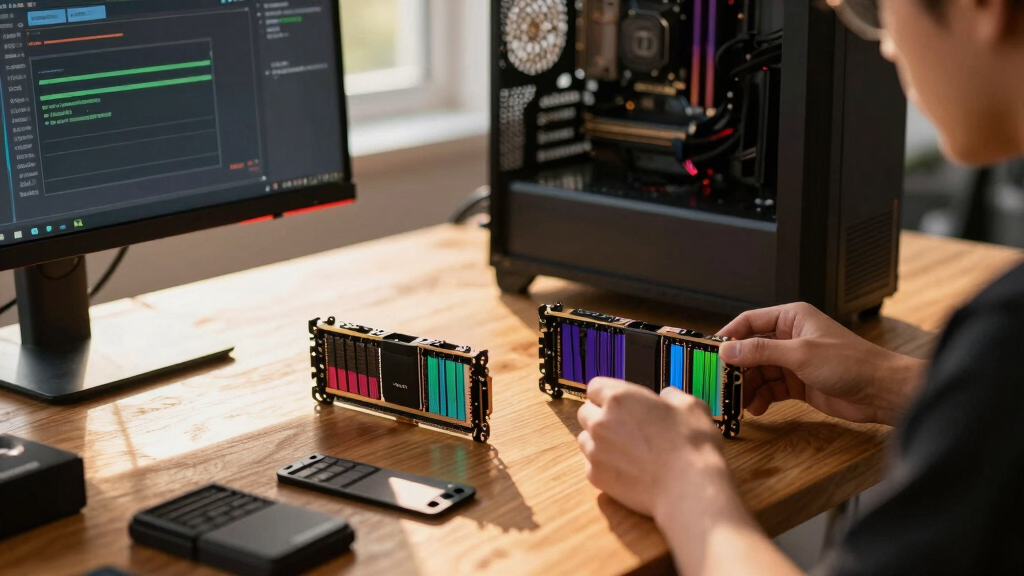

The YAWYORE Gaming PC with Ryzen 7 5700X and GeForce RTX 5060 is my best overall pick because it gives buyers the broadest gaming uplift: CPU, GPU, memory, storage, cooling style, and wireless connectivity in one swap. The G.SKILL Trident Z5 Neo RGB DDR5 64GB stands out as the premium memory choice for newer DDR5 platforms, while the PUSKILL 16GB DDR4 3200MHz kit is the better value route for older gaming PCs that still have life left. The main tradeoff in this category is whether a buyer needs a full-system replacement, a targeted RAM upgrade, or only cosmetic polish. Some options here can raise frame rates or smooth multitasking, while the CORSAIR lighting kit mainly fills empty DIMM slots for looks. Continue reading for the full breakdown of which kit fits each kind of gaming PC upgrade.
Key Takeaways
- Full-system upgrades beat single-component kits when the existing PC is held back by both CPU and GPU age, which is why the YAWYORE tower ranks above the memory-only picks.
- DDR5 buyers should skip budget DDR4 kits entirely; the G.SKILL Trident Z5 Neo RGB is the strongest fit for newer platforms because it pairs high capacity with fast 6000MT/s memory.
- The PUSKILL 3200MHz DDR4 kit is the value sweet spot because it offers a more gaming-friendly speed and latency balance than the slower PUSKILL 2666MHz kit.
- The Gamer Xtreme X1 is easier for beginners than swapping RAM or checking motherboard support, but its RTX 3050 makes it less future-facing than the YAWYORE system.
- The CORSAIR Vengeance RGB Light Enhancement Kit is not a performance upgrade; it only makes sense after memory capacity, GPU power, and storage needs are already handled.


More Details on Our Top Picks
YAWYORE Gaming PC, AMD Ryzen 7 5700X, GeForce RTX 5060 Desktop Computer
I rank the YAWYORE Gaming PC first because it changes the largest number of gaming bottlenecks at once: an 8-core Ryzen 7 5700X, 32GB DDR4, a 1TB NVMe SSD, and an RTX 5060-class GPU. Compared with the Gamer Xtreme Gaming PC X1, this is the stronger full-tower upgrade for players who want newer graphics features, more CPU headroom, and a higher ceiling before the next rebuild. The tradeoff is that it stays on the AM4/DDR4 platform, so the G.SKILL Trident Z5 Neo RGB DDR5 kit belongs to a newer memory path. The GPU brand may also vary, and the listed 32GB max memory limits tinkering. For a buyer replacing an aging PC outright, though, it is the broadest upgrade in this group.
Pros:- I get a full-system uplift rather than a single-part memory bump
- Ryzen 7 5700X and RTX 5060 8GB target modern 1080p and 1440p play
- 32GB DDR4-3200 and 1TB NVMe storage reduce memory pressure and load waits
- 650W 80 Plus Bronze PSU, Wi-Fi, Bluetooth, and ARGB fans make it ready out of the box
Cons:- AM4 and DDR4 leave less platform runway than a DDR5 build
- Graphics card brand may vary, which matters for cooler design and ports
- Listed maximum RAM is 32GB, limiting memory expansion
Best for: I would point this at 1080p and 1440p players replacing an older tower who want CPU, GPU, memory, and storage upgraded in one purchase.
Not ideal for: I would skip it for compact-desk builds, DDR5-first buyers, or users who want to choose the exact GPU board brand.
- Processor:AMD Ryzen 7 5700X, 8-core/16-thread, up to 4.6GHz
- Graphics Card:GeForce RTX 5060 8GB GDDR7
- Memory:32GB DDR4 3200MHz, 2x16GB
- Storage:1TB M.2 NVMe PCIe SSD
- Motherboard:MSI B550M-A PRO
- Power Supply:650W, 80 Plus Bronze
- Operating System:Windows 11
- Connectivity:Wi-Fi and Bluetooth
- Warranty:1 Year Limited Warranty
Bottom line: I would choose this when the goal is replacing an aging gaming PC in one shot rather than upgrading one part at a time.
Gamer Xtreme Gaming PC X1, Intel Core i7, 32GB DDR RAM, 1TB Ultra-Fast SSD, GeForce RTX 3050
The Gamer Xtreme Gaming PC X1 earns a high spot as my safer starter tower pick: it gives buyers Windows 11 Pro, Wi-Fi 6, 32GB RAM, a 1TB NVMe SSD, and bundled peripherals without forcing a parts-matching project. Next to the YAWYORE Gaming PC, it has the weaker graphics path; the RTX 3050 6GB is better framed as a smooth 1080p card than a high-setting monster for new releases. I also rate its quad-core i7 lower for long-term CPU headroom. Still, compared with the PUSKILL RAM kits, this is a complete gaming reset, not a small tune-up. It makes sense when the old machine needs everything replaced and simplicity matters more than peak frame rates.
Pros:- I get a complete tower upgrade with Windows 11 Pro and peripherals
- 32GB RAM gives more multitasking room than either PUSKILL 16GB kit
- 1TB M.2 NVMe SSD keeps boot, game load, and app launch times quick
- Wi-Fi 6 and a 1-year parts-and-labor warranty add buyer comfort
Cons:- RTX 3050 6GB has limited headroom for demanding games at high settings
- Quad-core i7 spec is less future-facing than the Ryzen 7 in YAWYORE
- No optical drive or extra storage bays are listed
Best for: I would point this at casual and esports players moving from an office PC who want a complete Windows tower with keyboard and mouse included.
Not ideal for: I would skip it for players chasing ultra settings in new AAA games or anyone who wants a many-core CPU for heavy streaming.
- Processor:Intel Core i7, quad-core, 3.4GHz base / 3.9GHz Turbo
- Memory:32GB DDR RAM
- Storage:1TB M.2 NVMe SSD
- Graphics Card:NVIDIA GeForce RTX 3050, 6GB GDDR6
- Operating System:Windows 11 Pro
- Wireless:Wi-Fi 6
- Included Accessories:Gaming keyboard and mouse
- Warranty:1-Year Parts & Labor
Bottom line: I would buy this as an easy first gaming tower, not as the strongest long-term performance play.
G.SKILL Trident Z5 Neo RGB Series DDR5 RAM 64GB (2x32GB) 6000MT/s CL30-40-40-96 1.40V Desktop Memory – Matte Black
I place the G.SKILL Trident Z5 Neo RGB above the DDR4-only RAM picks because it is the strongest memory upgrade here for a current AMD platform. Its 64GB DDR5-6000 CL30 setup gives more capacity and speed than either PUSKILL 16GB kit, which helps game streaming, large mods, content creation, and heavy multitasking stay off the page file. It is not a universal upgrade, though. Compared with the PUSKILL 3200MHz kit, this one asks for a compatible AMD DDR5 motherboard and a BIOS profile to reach its rated speed. The 1.40V rating and warning against mixed kits also make it less friendly for casual upgraders. I would pick it when the motherboard already supports the move.
Pros:- I get 64GB capacity, twice the size of the PUSKILL 16GB kits
- DDR5-6000 with CL30 targets high bandwidth and low latency
- AMD EXPO profile support suits X870, X670, B850, B840, and B650 boards
- RGB design fits visible showcase builds
Cons:- Needs compatible DDR5 AMD hardware to hit rated speed
- Higher 1.40V setting adds heat and tuning risk
- Mixing with non-matching kits may hurt stability
Best for: I would point this at AMD AM5 desktop owners with DDR5 boards who run games alongside streaming, editing, or large mod packs.
Not ideal for: I would skip it for DDR4 systems, budget refresh builds, or buyers who do not want to adjust memory profiles in BIOS.
- Memory Technology:DDR5
- Capacity:64GB, 2x32GB
- Speed:6000 MT/s
- CAS Latency:CL30
- Timings:CL30-40-40-96
- Voltage:1.40V
- Form Factor:288-pin UDIMM
- Profile Support:JEDEC default and AMD EXPO
- Compatibility:AMD X870/X670/B850/B840/B650 platforms
Bottom line: I would choose this for a serious AMD DDR5 gaming build where capacity and speed matter more than plug-and-play ease.
PUSKILL 16GB Kit (2x8GB) DDR4 RAM 3200MHz PC4-25600 Desktop Memory with Aluminum Heatsink
The PUSKILL 16GB DDR4-3200 kit is my value pick because it hits the practical DDR4 gaming target without making buyers pay for a whole platform change. Compared with the PUSKILL 2666MHz kit, the 3200MHz CL16 spec gives better bandwidth and lower latency, which can help older Ryzen and mainstream Intel desktops feel snappier in CPU-limited games. Compared with the G.SKILL Trident Z5 Neo RGB, it is smaller and older, but it is also the cleaner drop-in choice for DDR4 boards. The catch is setup: to see the advertised speed, buyers need XMP or DOCP enabled in BIOS. I would treat it as the best small upgrade for a still-useful DDR4 gaming PC, not a future platform build.
Pros:- I get a balanced 16GB dual-channel upgrade for mainstream gaming
- 3200MHz CL16 is a stronger gaming spec than the 2666MHz PUSKILL kit
- Aluminum heatsinks help with sustained loads and case aesthetics
- Broad Intel and AMD desktop DDR4 support
Cons:- Requires XMP or DOCP for the advertised 3200MHz speed
- 16GB can feel tight for heavy streaming, large mods, and creation workloads
- Desktop UDIMM format will not fit laptops or mini PCs
Best for: I would point this at DDR4 desktop owners with 8GB or mismatched memory who want smoother 1080p gaming for modest money.
Not ideal for: I would skip it for DDR5 motherboards, laptops, mini PCs, or users who need 32GB-plus for streaming and creator apps.
- Memory Technology:DDR4
- Capacity:16GB, 2x8GB
- Speed:3200MHz, PC4-25600
- CAS Latency:CL16
- Timings:CL16-18-18-42
- Voltage:1.35V
- Form Factor:288-pin DIMM/UDIMM
- Compatibility:Intel and AMD desktop motherboards
Bottom line: I would buy this when an older DDR4 gaming desktop needs a cheap, meaningful memory lift.
PUSKILL 16GB Kit (2x8GB) DDR4 RAM 2666MHz PC4-21300 Desktop Memory with Aluminum Heatsink
I would put the PUSKILL 16GB DDR4-2666 kit last in this ranking, but that does not make it useless. Its role is different: it is the least fussy way to revive an older DDR4 desktop that may not handle faster profiles well. Compared with the PUSKILL 3200MHz kit, this 2666MHz CL19 version gives up gaming bandwidth, so I would not choose it for chasing higher frame rates. What it offers instead is 1.2V plug-and-play behavior, backward compatibility with 2400MHz and 2133MHz systems, and dual-channel capacity for basic gaming. It also costs far less in platform effort than the G.SKILL DDR5 kit. The main drawback is clear: it is a stability-first refresh, not a performance-forward gaming upgrade.
Pros:- I get simple 1.2V operation with no profile tuning required
- 16GB dual-channel layout is a real upgrade for older 8GB desktops
- Backward compatible with 2400MHz and 2133MHz systems
- Aluminum heat spreaders add basic thermal control and visual polish
Cons:- 2666MHz CL19 is slower than the 3200MHz PUSKILL kit for gaming
- 16GB capacity is modest for streaming and heavy multitasking
- Desktop-only 288-pin UDIMM format limits where it can be used
Best for: I would point this at owners of older Intel or AMD DDR4 desktops who need 16GB with minimal BIOS work.
Not ideal for: I would skip it for high-refresh esports builds, DDR5 systems, laptops, and anyone already comfortable enabling XMP for faster RAM.
- Memory Technology:DDR4
- Capacity:16GB, 2x8GB
- Speed:2666MHz, PC4-21300
- CAS Latency:CL19
- Timings:CL19-19-19-43
- Voltage:1.2V
- Form Factor:288-pin UDIMM
- Memory Type:Non-ECC unbuffered desktop memory
- Warranty:Limited Lifetime Warranty
Bottom line: I would pick this only when compatibility and easy installation matter more than higher gaming frame rates.
CORSAIR Vengeance RGB DDR5 Light Enhancement Kit (No Physical Memory) – Black
I would place the CORSAIR Vengeance RGB DDR5 Light Enhancement Kit at the end of this ranking because it improves the look of a gaming PC, not its frame rates. Compared with the G.SKILL Trident Z5 Neo RGB 64GB DDR5 kit, this adds no memory capacity, bandwidth, or latency gains, so it is a poor pick for buyers chasing smoother gameplay. Its value is visual: the matched heatspreader, logos, lightbar, and 10 individually addressable LEDs per module can make a partially filled DDR5 board look cleaner and more balanced. It also makes more sense than a full prebuilt like the Gamer Xtreme Gaming PC X1 if the system is already fast enough and only looks unfinished. The tradeoff is clear: iCUE-controlled lighting is polished, but this is still a decorative filler kit.
Pros:- Matches CORSAIR Vengeance RGB DDR5 modules for a cleaner full-slot look
- 10 individually addressable RGB LEDs per module give fine lighting control
- Works with CORSAIR iCUE for synchronized effects across compatible gear
- Broad Intel and AMD DDR5 motherboard compatibility
Cons:- Adds no RAM capacity or gaming performance
- Best visual match is limited to Vengeance RGB DDR5-based builds
- Requires iCUE for full lighting control, adding another software layer
Best for: I would point this at builders with existing CORSAIR Vengeance RGB DDR5 memory who want all DIMM slots to look filled without buying extra RAM.
Not ideal for: I would skip it for gamers trying to fix low FPS, stutter, or limited memory capacity, since it has no physical memory.
- Product Type:DDR5 RGB light enhancement kit
- Physical Memory:None
- Color:Black
- Lighting:10 individually addressable RGB LEDs per module
- Software:CORSAIR iCUE
- Design Match:CORSAIR Vengeance RGB DDR5 heatspreader, logos, and lightbar
- RGB Sync:Compatible with other CORSAIR RGB products in the iCUE ecosystem
- Motherboard Support:Most Intel and AMD DDR5 motherboards
Bottom line: I would buy this only as a finishing piece for a CORSAIR RGB DDR5 build, not as a performance upgrade.
How We Picked
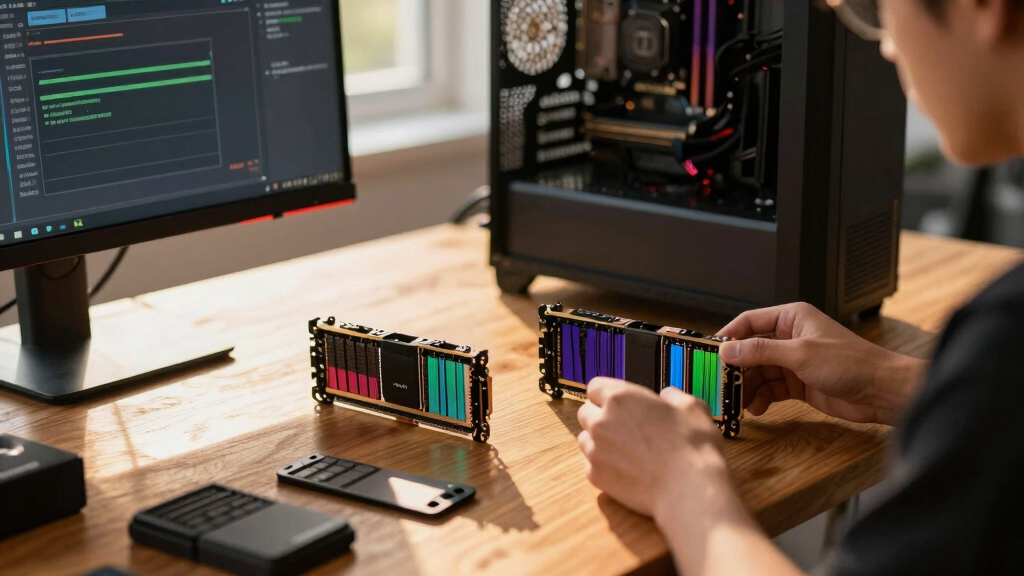
I ranked these options by the size and usefulness of the upgrade they offer for a gaming PC, not by spec lists alone. The strongest picks had to deliver a clear outcome: higher gaming headroom, smoother multitasking, easier installation, better platform fit, or a smarter price-to-benefit ratio. Full-system options moved up when they solved multiple bottlenecks at once, while RAM-only kits were judged by capacity, speed, latency, compatibility, and whether they make sense for DDR4 or DDR5 builds.
The ordering also reflects how easy it is for a buyer to make the wrong purchase. A DDR5 kit can be excellent and still useless in a DDR4 motherboard, and a lighting enhancement kit can look like memory even though it adds no RAM. I gave more weight to upgrade paths that reduce regret: the YAWYORE system for broad performance gains, the G.SKILL kit for high-end DDR5 builds, and the PUSKILL 3200MHz kit for practical DDR4 upgrades.
Factors to Consider When Choosing Best Gaming PC Upgrade Kits
The best gaming PC upgrade kit depends less on the biggest number printed on the box and more on the bottleneck inside the current machine. I would start by separating performance upgrades from convenience upgrades and cosmetic upgrades.Choose Between A Full-System Swap And A Targeted Upgrade
A full-system option like the YAWYORE Gaming PC makes sense when an older build has several weak points at once: aging processor, limited graphics power, slower storage, and dated connectivity. A RAM kit is a better buy when the CPU and GPU are still strong but the system stutters during newer games, streaming, browser use, or heavy launchers. The common mistake is buying memory to solve a graphics problem; extra RAM will not turn an entry GPU into a high-frame-rate card. The Gamer Xtreme X1 lowers setup effort, but its RTX 3050 makes it a softer long-term choice than the YAWYORE tower. I would pick a full-system upgrade when the current PC is several generations behind, and a memory kit when the rest of the machine still matches the games being played.
Check DDR4 Or DDR5 Before Looking At Speed
DDR4 and DDR5 are not interchangeable, so platform fit comes before speed, RGB, or capacity. The PUSKILL 3200MHz and PUSKILL 2666MHz kits belong in DDR4 systems, while the G.SKILL Trident Z5 Neo RGB is for DDR5 motherboards. Buying the wrong generation means the kit will not physically fit, even if the capacity looks perfect. DDR5 is the better path for a new high-end build, but DDR4 can still be a smart upgrade for cost-conscious players staying on an older motherboard. I would verify the motherboard memory type and supported speeds before choosing between these picks.
Treat The GPU As The Main Gaming Separator
For most games, the graphics card changes the play experience more than RAM speed once a PC already has enough memory. That is why the YAWYORE system with GeForce RTX 5060 sits ahead of the Gamer Xtreme X1 with RTX 3050 for buyers who want a broader gaming lift. Memory upgrades can reduce hitching and help with background apps, but they usually do not create the same frame-rate jump as a stronger GPU. If the current PC already has a capable graphics card, a RAM kit may be the sharper buy. If the current GPU is old or entry-level, a system-level upgrade will usually feel more meaningful.
Balance Capacity, Speed, And Latency
More RAM helps only when the current system is running short, so capacity should match the workload rather than chase bragging rights. For a DDR4 gaming PC, 16GB can still be enough for many games, but the PUSKILL 3200MHz CL16 kit is more appealing than the 2666MHz CL19 kit because it gives a better speed and latency mix. For newer DDR5 systems, 64GB on the G.SKILL kit is more useful for players who stream, mod games, edit clips, or keep many apps open. Paying for 64GB just to play lighter esports titles may be overkill. I would match RAM capacity to actual multitasking habits, then use speed and latency to break the tie.
Separate Performance From Appearance
RGB can make a build feel finished, but it should not be confused with a real performance upgrade. The CORSAIR Vengeance RGB DDR5 Light Enhancement Kit is the clearest example because it has no physical memory and will not improve frame rates, loading behavior, or multitasking. It belongs in a very specific setup: a DDR5 build that already has enough RAM and empty slots that look unfinished. By contrast, the G.SKILL Trident Z5 Neo RGB combines lighting with actual memory capacity and speed. I would only put appearance-first parts in the budget after the CPU, GPU, RAM capacity, and storage needs are handled.
Frequently Asked Questions
Should I buy a full gaming PC upgrade kit or just upgrade RAM?
I would buy a full-system upgrade if the current PC struggles across the board: low frame rates, slow loading, weak multitasking, and outdated wireless or storage. The YAWYORE Gaming PC is the stronger fit for that situation because it upgrades the gaming platform as a whole. A RAM kit makes more sense when the processor and graphics card are still good but the system hits memory limits. If games are slow because the GPU is weak, RAM alone will not fix the main problem. The cleanest way to decide is to identify the bottleneck before spending.
Is DDR5 worth paying more for over DDR4 in a gaming upgrade?
DDR5 is worth paying more for when the PC already uses a newer motherboard and processor that can take advantage of it. The G.SKILL Trident Z5 Neo RGB 64GB is the premium pick here because it combines high capacity with a strong 6000MT/s speed rating. DDR4 remains the better value for older platforms because replacing the motherboard just to use DDR5 can turn a simple upgrade into a much bigger project. The PUSKILL 3200MHz DDR4 kit is the smarter buy for many existing DDR4 gaming PCs. I would not mix platform generations just for memory speed alone.
Which pick is best for someone who does not want to install parts?
The Gamer Xtreme Gaming PC X1 is the simplest beginner-friendly route because it avoids opening the current PC, checking RAM slots, or matching memory generation. It is less powerful as a long-term gaming choice than the YAWYORE system, mainly because the RTX 3050 is more limited. Still, for a buyer who wants a ready-to-use gaming desktop and is moving from a much older machine, it reduces setup friction. The YAWYORE tower is also a full-system option, but it makes more sense for buyers who care more about performance headroom. I would choose the Gamer Xtreme X1 for ease and the YAWYORE for the stronger upgrade.
Is 16GB of RAM still enough for gaming in 2026?
16GB can still work for many games, especially esports titles and less demanding single-player games. The problem is that newer games, background launchers, Discord, browsers, and recording software can make 16GB feel tight faster than it used to. Between the two 16GB options here, the PUSKILL 3200MHz CL16 kit is the better gaming pick than the slower 2666MHz CL19 kit. Buyers who mod games, stream, or keep many apps open should look at a larger kit such as the G.SKILL 64GB DDR5 option if their platform supports it. I would treat 16GB as the budget floor, not the comfort ceiling.
Does the CORSAIR Vengeance RGB Light Enhancement Kit improve gaming performance?
No, the CORSAIR Vengeance RGB DDR5 Light Enhancement Kit does not improve gaming performance because it contains no usable memory. It is a visual filler for DDR5 builds, mainly for people who want empty DIMM slots to match installed RGB memory. That makes it very different from the G.SKILL Trident Z5 Neo RGB, which is real RAM and can improve capacity-related performance. I would only buy the CORSAIR kit after confirming the PC already has enough memory for the games and apps being used. It is the best cosmetic pick in this lineup, not a true upgrade kit for speed.
Conclusion
For most buyers searching for the best gaming PC upgrade kits, I would start with the YAWYORE Gaming PC because it solves the most problems at once and offers the best overall path for a bigger gaming leap. The PUSKILL 16GB DDR4 3200MHz kit is my best value pick for older DDR4 systems, while the G.SKILL Trident Z5 Neo RGB 64GB is the best premium memory upgrade for newer DDR5 builds. Beginners who want the least hands-on setup should look at the Gamer Xtreme X1, accepting that it trades long-term graphics headroom for simplicity. The PUSKILL 2666MHz kit fits buyers who need a basic DDR4 compatibility-first upgrade, and the CORSAIR Vengeance RGB Light Enhancement Kit is only for cosmetic slot-filling. My short answer: choose YAWYORE for the broadest upgrade, PUSKILL 3200MHz for budget DDR4, G.SKILL for high-end DDR5, Gamer Xtreme for easy setup, and CORSAIR only when appearance is the goal.