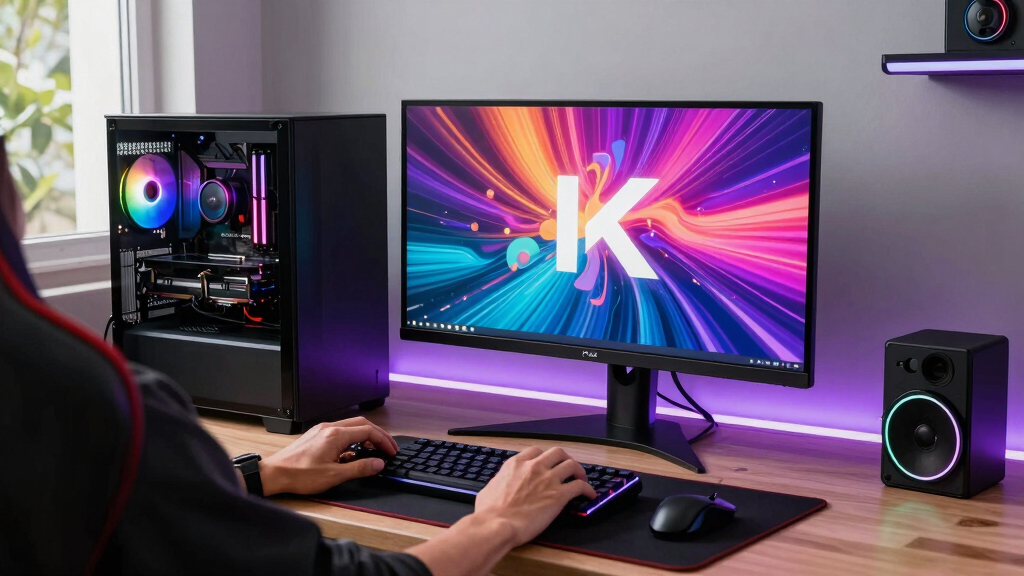

Choosing the best graphics card for 4K PC gaming involves balancing raw performance, price, and future-proofing. The GIGABYTE Radeon RX 9070 XT Gaming OC 16G stands out as the top overall pick thanks to its high frame rates and robust cooling. The MSI RTX 5080 16G Inspire offers cutting-edge performance for demanding titles, while the PNY RTX 5080 Epic-X provides a premium experience with exceptional boost speeds. However, these high-end options come with significant price tags and power requirements. For those seeking solid 4K gaming without breaking the bank, more affordable models like the ASUS TUF RTX 5060 are worth considering. Continue reading for a detailed breakdown of each card’s strengths and tradeoffs.

Play games on Amazon Luna for your game nights, included with Prime
- A rotating selection of games, no download needed
- Play on TV, laptop or phone
- Fast, free delivery for your gear, too
Key Takeaways
- Top-tier cards like the MSI RTX 5080 deliver unmatched performance but come with higher costs and power needs.
- The best value options balance price and performance, offering smooth 4K gaming without premium price tags.
- VRAM size is less critical than bandwidth and architecture; 12GB GDDR7 suffices for most 4K gaming scenarios.
- Cooling solutions and size matter — compact cards like the GIGABYTE WINDFORCE OC SFF are ideal for smaller builds.
- Future-proofing depends more on architecture and features like PCIe 5.0 and DLSS 4 support than raw speed alone.
| GIGABYTE Radeon RX 9070 XT Gaming OC 16G Graphics Card |  | Best High-End AMD Option for 4K Gaming | Graphics Coprocessor: AMD Radeon RX 9070 XT | RAM: 16 GB | GPU Clock Speed: 3060 MHz | VIEW LATEST PRICE | See Our Full Breakdown |
| msi RTX 5070 12G Gaming Trio OC Graphics Card |  | Best Nvidia Mid-Range for 4K Gaming | Graphics Coprocessor: NVIDIA GeForce RTX 5070 | RAM: 12 GB | GPU Clock Speed: 2625 MHz | VIEW LATEST PRICE | See Our Full Breakdown |
| msi Gaming RTX 5080 16G Inspire 3X OC Black Graphics Card |  | Best High-Performance Gaming and Creative Workhorse | Graphics Coprocessor: NVIDIA GeForce RTX 5080 | RAM: 16 GB | GPU Clock Speed: 2655 MHz | VIEW LATEST PRICE | See Our Full Breakdown |
| GIGABYTE GeForce RTX 5070 WINDFORCE OC SFF 12G Graphics Card |  | Best Compact Nvidia 4K Card for Small Builds | Graphics Coprocessor: NVIDIA GeForce RTX 5070 | RAM: 12 GB | GPU Clock Speed: 2655 MHz | VIEW LATEST PRICE | See Our Full Breakdown |
| PNY NVIDIA GeForce RTX™ 5080 Epic-X™ ARGB OC Triple Fan |  | Best Premium Nvidia 4K GPU with Aesthetic Features | Graphics Coprocessor: NVIDIA GeForce RTX 5080 | RAM: 16 GB | GPU Clock Speed: 2775 MHz | VIEW LATEST PRICE | See Our Full Breakdown |
| GIGABYTE Radeon™ RX 9060 XT Gaming OC ICE 16G Graphics Card |  | Best Overall for High-End 4K Gaming and Creative Work | Graphics Coprocessor: Radeon RX 9060 XT | Ram: 16 GB GDDR6 | GPU Clock Speed: 2780 MHz | VIEW LATEST PRICE | See Our Full Breakdown |
| PNY NVIDIA GeForce RTX™ 5070 Epic-X™ ARGB OC Triple Fan, 12GB GDDR7 |  | Best for Cutting-Edge 4K Gaming with AI Acceleration | Graphics Coprocessor: NVIDIA GeForce RTX 5070 | Ram: 12 GB GDDR7 | GPU Clock Speed: 2685 MHz | VIEW LATEST PRICE | See Our Full Breakdown |
| ASUS Prime RTX 5070 Graphics Card (12GB GDDR7, PCIe 5.0) |  | Best for Small-Form-Factor Builds and Quiet Operation | Graphics Coprocessor: NVIDIA GeForce RTX 5070 | RAM: 12 GB GDDR7 | GPU Clock Speed: 2542 MHz | VIEW LATEST PRICE | See Our Full Breakdown |
| ASUS TUF Gaming NVIDIA GeForce RTX 5060 8GB GDDR7 OC Edition |  | Best for Rugged Durability and Overclocked Performance | Graphics Coprocessor: NVIDIA GeForce RTX 5060 | RAM: 8 GB GDDR7 | GPU Clock Speed: 2640 MHz | VIEW LATEST PRICE | See Our Full Breakdown |
More Details on Our Top Picks
GIGABYTE Radeon RX 9070 XT Gaming OC 16G Graphics Card
This Radeon RX 9070 XT stands out for its robust 16GB GDDR6 memory and server-grade cooling system, making it ideal for gamers who want smooth 4K performance with rendering or multi-tasking demands. Compared to the GIGABYTE GeForce RTX 5070, which offers slightly higher clock speeds, the RX 9070 XT excels in raw GPU power suited for AMD-centric ecosystems. Its thermal conductive gel and dual Hawk Fans keep temperatures in check during extended gaming sessions, though it does consume a significant amount of power, which may require a high-capacity PSU. The absence of a specified price could be a concern for budget-conscious buyers, but for those prioritizing high-end AMD performance, this is a compelling choice.
Pros:- 16GB GDDR6 memory provides ample bandwidth for 4K textures and rendering
- Advanced WINDFORCE cooling with Hawk Fan technology keeps temperatures low
- Server-grade thermal conductive gel enhances heat dissipation
Cons:- High power consumption may require a robust power supply
- No clear pricing info makes budget planning difficult
Best for: Enthusiast gamers who prioritize high performance and AMD compatibility for 4K gaming and content creation.
Not ideal for: Budget gamers or those preferring Nvidia ecosystems due to AMD-specific features or higher power consumption.
- Graphics Coprocessor:AMD Radeon RX 9070 XT
- RAM:16 GB
- GPU Clock Speed:3060 MHz
- Video Output Interface:DisplayPort
- Graphics Ram Type:GDDR6
- Memory Clock Speed:2600 GHz
- Display Maximum Resolution:7680 x 4320
Bottom line: This card is best suited for high-end AMD users seeking reliable 4K performance and advanced cooling, despite its higher power needs.
msi RTX 5070 12G Gaming Trio OC Graphics Card
This MSI RTX 5070 Trio OC makes a strong case for gamers seeking balance between performance and cooling, with its 12GB GDDR7 memory and triple-fan thermal design. Compared to the GIGABYTE RTX 5070 OC, it offers slightly lower clock speeds but benefits from superior airflow and quieter operation, thanks to its TRI FROZR 4 thermal system. Its 2625 MHz boost clock ensures smooth 4K gameplay, though its 192-bit memory interface limits bandwidth somewhat compared to higher-end cards. This model is ideal for gamers who want Nvidia’s latest architecture without the extreme power draw of flagship models, but those with very high-end rendering needs might find it somewhat underpowered.
Pros:- 2625 MHz Boost Clock delivers smooth 4K gaming
- Triple-fan TRI FROZR 4 cooling maintains low noise levels
- NVIDIA Blackwell architecture provides efficient ray tracing
Cons:- Limited 192-bit memory interface may bottleneck high data loads
- Price and availability could be restrictive for some buyers
Best for: Mid-tier gamers looking for dependable 4K performance on Nvidia’s latest architecture with efficient cooling.
Not ideal for: Content creators or professionals requiring maximum VRAM and bandwidth for demanding tasks.
- Graphics Coprocessor:NVIDIA GeForce RTX 5070
- RAM:12 GB
- GPU Clock Speed:2625 MHz
- Video Output Interface:DisplayPort x3 2.1a, HDMI 2.1b
- Graphics Ram Type:GDDR7
- Memory Clock Speed:28.0
- Display Maximum Resolution:8K (7680×4320)
Bottom line: This card offers a balanced Nvidia experience for 4K gaming, especially for those prioritizing cooling and quiet operation over raw bandwidth.
msi Gaming RTX 5080 16G Inspire 3X OC Black Graphics Card
This MSI RTX 5080 Inspire edition features 16GB GDDR7 memory and a high clock speed of 2655 MHz, making it well-suited for intensive 4K gaming and demanding creative workflows. Compared to the PNY RTX 5080 Epic-X, it offers similar VRAM but with a slightly lower boost clock, which still provides excellent frame rates. Its triple axial-tech fans ensure efficient cooling, ideal for lengthy gaming or rendering sessions. While it’s slightly heavier and may require a robust power supply, this GPU caters to users who want top-tier Nvidia performance with a focus on stability and longevity rather than overclocking extremes.
Pros:- 16GB GDDR7 memory supports high-resolution textures and multitasking
- 2655 MHz clock speed ensures high frame rates in demanding games
- Axial-tech fans provide excellent cooling efficiency
Cons:- Slightly heavier, may need better case airflow
- Pricepoint might be high for budget-conscious buyers
Best for: Power users who need a reliable high-end GPU for both 4K gaming and professional creative applications.
Not ideal for: Casual gamers or buyers on a tight budget, due to premium pricing and power needs.
- Graphics Coprocessor:NVIDIA GeForce RTX 5080
- RAM:16 GB
- GPU Clock Speed:2655 MHz
- Video Output Interface:DisplayPort x3, HDMI
- Graphics Ram Type:GDDR7
- Memory Clock Speed:2295 MHz
- Display Maximum Resolution:7680 x 4320
Bottom line: This GPU provides exceptional 4K gaming and creative power, ideal for serious enthusiasts willing to invest in premium Nvidia hardware.
GIGABYTE GeForce RTX 5070 WINDFORCE OC SFF 12G Graphics Card
This GIGABYTE RTX 5070 SFF edition packs a punch with 12GB GDDR7 memory and a 2655 MHz boost clock, all in a 2.99-slot design perfect for small form factor builds. Compared to the MSI RTX 5070 Trio OC, it sacrifices a bit of VRAM but makes up for it with its compact size and efficient WINDFORCE cooling system, which features reinforced structure and thermal gel for reliable operation. Its PCIe 5.0 compatibility ensures future-proof bandwidth, although the slightly lower VRAM might limit some high-resolution textures or multi-monitor setups in very demanding scenarios. This card is ideal for gamers who want 4K performance in a compact case without sacrificing Nvidia’s latest architecture.
Pros:- Compact 2.99-slot design fits in small cases
- 12GB GDDR7 memory supports high-res textures
- Efficient WINDFORCE cooling system with thermal conductive gel
Cons:- Lower VRAM compared to larger models may limit some workloads
- Limited overclocking headroom due to size constraints
Best for: Small build enthusiasts needing a capable 4K GPU that fits in tight spaces without compromising on performance.
Not ideal for: Users requiring maximum VRAM for professional workloads or extensive multi-monitor setups.
- Graphics Coprocessor:NVIDIA GeForce RTX 5070
- RAM:12 GB
- GPU Clock Speed:2655 MHz
- Video Output Interface:DisplayPort x3, HDMI
- Graphics Ram Type:GDDR7
- Memory Clock Speed:28.0
- Display Maximum Resolution:7680 x 4320
Bottom line: This small form factor GPU delivers solid 4K gaming performance for compact builds, though with some VRAM tradeoffs.
PNY NVIDIA GeForce RTX™ 5080 Epic-X™ ARGB OC Triple Fan
The PNY RTX 5080 Epic-X offers a premium experience with 16GB GDDR7 memory, a boost clock of 2775 MHz, and a striking ARGB triple-fan design. It surpasses many competitors in aesthetic appeal and raw speed, making it perfect for builders who want both performance and visual flair. Its DLSS 4 technology and NVIDIA Blackwell architecture ensure cutting-edge AI-powered rendering and responsiveness, ideal for 4K gaming and professional workflows. While its 2.99-slot size demands a spacious case and a high-quality power supply, this card’s combination of style and performance makes it a top-tier choice for enthusiasts seeking the best Nvidia has to offer.
Pros:- 2775 MHz Boost Speed offers top-tier gaming performance
- 16GB GDDR7 memory supports demanding textures and applications
- NVIDIA DLSS 4 and AI acceleration enhance visual fidelity and responsiveness
Cons:- Requires a large case and high-capacity PSU
- Premium price point may be prohibitive for some
Best for: High-end gamers and creative professionals who want top performance with eye-catching design and advanced AI features.
Not ideal for: Budget-conscious buyers or those with small case constraints due to its size and power requirements.
- Graphics Coprocessor:NVIDIA GeForce RTX 5080
- RAM:16 GB
- GPU Clock Speed:2775 MHz
- Video Output Interface:HDMI, DisplayPort
- Graphics Ram Type:GDDR7
- Memory Clock Speed:2295 MHz
- Display Maximum Resolution:7680 x 4320
Bottom line: This GPU is ideal for enthusiasts who want the best Nvidia performance with style and AI-enhanced features for 4K gaming.
GIGABYTE Radeon™ RX 9060 XT Gaming OC ICE 16G Graphics Card
This model stands out for its robust 16GB GDDR6 memory, PCIe 5.0 support, and advanced cooling system, making it ideal for serious gamers and content creators who demand consistent high performance at 4K resolution. Compared to the GIGABYTE Radeon RX 9070 XT, it offers a comparable VRAM capacity with excellent thermal management, but the 9060 XT’s cooling system and reinforced structure provide better longevity and stability under heavy loads. The dual BIOS options allow for performance tuning or quieter operation, which is helpful for long gaming or rendering sessions. The tradeoff is its size—at over 11 inches long—and higher price point, which might not suit smaller cases or budget-conscious buyers. This pick is best suited for enthusiasts who want a future-proofed, reliable graphics card for demanding 4K gaming and multimedia work.
Pros:- 128-bit memory bus optimized for high resolutions
- Server-grade thermal gel and reinforced structure for durability
- Dual BIOS for performance and silent modes
- Excellent support for DisplayPort 2.1a and HDMI 2.1b
Cons:- Large size may limit compatibility with smaller cases
- Higher price can be a barrier for budget users
- Power consumption may be higher than some competitors
Best for: High-end gamers and professional content creators needing maximum stability and longevity at 4K.
Not ideal for: Owners of compact cases or users on a strict budget who prioritize affordability over raw performance.
- Graphics Coprocessor:Radeon RX 9060 XT
- Ram:16 GB GDDR6
- GPU Clock Speed:2780 MHz
- Video Output Interface:HDMI 2.1b / DisplayPort 2.1a
- Memory Bus:128-bit
- Item Dimensions L x W:11.06″ x 4.65″
Bottom line: Ideal for gamers and creatives who need a reliable, high-performance 4K GPU with advanced cooling and future-proof features.
PNY NVIDIA GeForce RTX™ 5070 Epic-X™ ARGB OC Triple Fan, 12GB GDDR7
This card makes the most sense for gamers who want top-tier performance with AI-powered features like DLSS 4, boosting frame rates and image quality at 4K. Its 12GB GDDR7, 192-bit memory interface and 2685 MHz boost clock provide a significant performance leap over older models like the ASUS Prime RTX 5070, especially in demanding titles and creative applications. The triple fan design offers excellent cooling, but at 2.4 slots, it’s bulkier, which could pose issues in smaller cases. The card’s high power draw (up to 250W) also requires a robust power supply, potentially limiting its compatibility. The ARGB lighting adds a customizable aesthetic, suited for gamers who want both performance and style. This option is ideal for enthusiasts seeking the latest in AI-enhanced 4K gaming and content creation.
Pros:- DLSS 4 AI technology for boosted FPS and image quality
- Advanced cooling with triple axial-tech fans
- High memory bandwidth for demanding workloads
- Supports PCIe 5.0 for future hardware compatibility
Cons:- Bulkier 2.4-slot design may limit case options
- Higher power consumption requires strong PSU
- Price may be steep for budget-conscious buyers
Best for: Gamers and creative professionals seeking maximum performance with DLSS 4 and AI features at 4K.
Not ideal for: Owners of ultra-compact builds or those with limited power supply capacity, due to size and power needs.
- Graphics Coprocessor:NVIDIA GeForce RTX 5070
- Ram:12 GB GDDR7
- GPU Clock Speed:2685 MHz
- Video Output Interface:HDMI 2.1b / DisplayPort 2.1
- Memory Bandwidth:Up to 672 GB/s
- Item Dimensions L x W:Approx. 11.9″ x 5.3″
Bottom line: Best suited for users who want cutting-edge AI features and high frame rates at 4K, regardless of size and power requirements.
ASUS Prime RTX 5070 Graphics Card (12GB GDDR7, PCIe 5.0)
This card is tailored for users with limited space, thanks to its 2.5-slot design and Axial-tech fans that deliver efficient cooling without excessive noise. Its 12GB GDDR7 memory and PCIe 5.0 support ensure it can handle 4K gaming with ease, similar to the PNY RTX 5070, but with added benefits for smaller builds. The phase-change thermal pad helps maintain optimal temperatures, though the 2.5-slot design may restrict compatibility with ultra-compact cases. Power draw is moderate but still requires a capable PSU. Its quieter operation makes it attractive for desktop setups where noise is a concern. This makes the best choice for users who prioritize compactness, low noise, and high performance at 4K.
Pros:- Compact 2.5-slot design fits smaller cases
- Efficient Axial-tech fans with barrier ring for airflow
- Phase-change thermal pad for stable temperatures
- Supports PCIe 5.0 for future upgrades
Cons:- Limited size may restrict compatibility with ultra-compact cases
- Higher cooling efficiency can mean higher power draw
- Potentially higher cost compared to similar models
Best for: Small build owners and those who prefer quiet operation without sacrificing high-resolution gaming performance.
Not ideal for: Enthusiasts with large cases or those needing maximum overclocking headroom, due to size constraints.
- Graphics Coprocessor:NVIDIA GeForce RTX 5070
- RAM:12 GB GDDR7
- GPU Clock Speed:2542 MHz
- Video Outputs:HDMI 2.1b, DisplayPort 2.1b
- Memory Interface:192-bit
- Item Dimensions L x W:Approx. 10.5″ x 4.7″
Bottom line: Perfect for compact, quiet builds that still demand capable 4K gaming performance.
ASUS TUF Gaming NVIDIA GeForce RTX 5060 8GB GDDR7 OC Edition
This card is designed to withstand tough conditions with its military-grade components, making it ideal for gamers who want robust hardware that can handle extended 4K gaming sessions. Its 8GB GDDR7 memory and 2640 MHz boost clock offer solid performance, comparable to the ASUS Prime RTX 5070 but with a focus on durability. The Axial-tech fans and protective PCB coating ensure better heat dissipation and resistance to dust or moisture, but the 8GB VRAM might be limiting in some future AAA titles or creative workflows that benefit from larger memory pools. The 3-slot design improves cooling but could restrict compatibility with smaller cases. Its emphasis on ruggedness makes it perfect for users who need reliability in demanding environments. This is best for gamers who want durable, overclocked performance with a focus on longevity and stability.
Pros:- Military-grade components for durability
- Overclocked boost to 2692 MHz
- Protective PCB coating against moisture and dust
- Axial-tech fans for efficient cooling
Cons:- Limited VRAM for future AAA titles
- 3-slot design may restrict case choices
- Higher price for durability features
Best for: Gamers and professionals seeking a durable, overclocked GPU that can handle extended 4K sessions in tough environments.
Not ideal for: Owners of ultra-compact builds or those needing maximum VRAM for future titles, due to the 8GB limit.
- Graphics Coprocessor:NVIDIA GeForce RTX 5060
- RAM:8 GB GDDR7
- GPU Clock Speed:2640 MHz
- Video Output Interface:HDMI 2.1b / DisplayPort 2.1b
- Memory Interface:192-bit
- Item Dimensions L x W:Approx. 11.9″ x 5.3″
Bottom line: Great for durability-focused users who want reliable 4K gaming with overclocked performance.
How We Picked
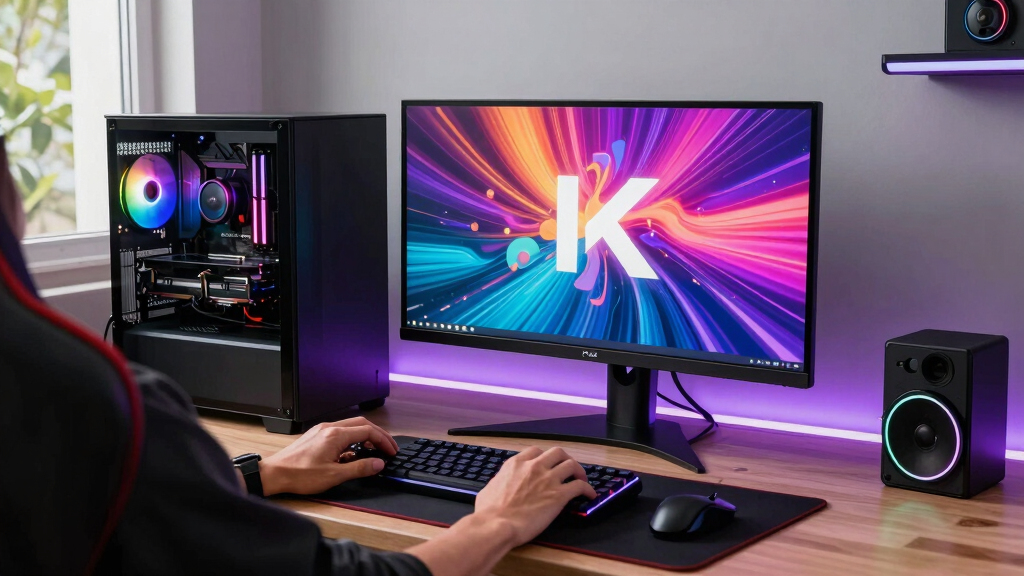
These products were evaluated based on their gaming performance at 4K resolution, focusing on frame rates, stability, and visual quality. We also considered build quality, cooling efficiency, and power consumption, since these factors affect long-term reliability and usability. Price-to-performance ratio played a key role—higher-priced models had to justify their premium through significant performance gains. Compatibility with current standards like PCIe 5.0 and DLSS 4 was also important, as these features influence future-proofing. The ranking reflects a combination of raw power, value, and suitability for different user needs, from casual gamers to enthusiasts.Factors to Consider When Choosing Best Graphics Cards For 4K PC Gaming
When selecting a graphics card for 4K gaming, it’s vital to consider more than just GPU specs. Performance at 4K depends heavily on factors like VRAM, architecture, and cooling—each influencing your gaming experience and longevity of the card. Additionally, your PC’s power supply and case size can limit options. Paying attention to features that enhance stability and future compatibility ensures your investment remains relevant. Lastly, understanding the tradeoffs between raw speed, price, and efficiency helps you avoid overspending for minimal gains or underinvesting in essential capabilities.Performance and Frame Rates
Achieving smooth 4K gaming depends on a GPU’s ability to maintain high frame rates in demanding titles. Look for models with high boost clocks, robust VRAM, and architecture optimized for gaming performance. Remember, a higher price often correlates with better performance, but some mid-range cards can still deliver excellent 4K experiences at a more accessible price point.
VRAM and Memory Bandwidth
While 12GB of VRAM is generally sufficient for most 4K titles today, consider the memory bandwidth and architecture. GDDR7 offers faster speeds than GDDR6, providing better data transfer rates crucial for rendering detailed textures smoothly. Avoid confusing VRAM size with overall performance—architecture and bandwidth often matter more for high-resolution gaming.
Cooling and Size
High-performance GPUs generate significant heat, making cooling solutions essential for maintaining stability and longevity. Compact cards like the GIGABYTE WINDFORCE OC SFF are suitable for smaller builds but may compromise on cooling capacity. Larger, triple-fan designs tend to offer better thermal performance but require more space and power. Assess your case size and airflow before choosing a model.
Power Consumption and Requirements
High-end GPUs demand substantial power, often requiring a high-capacity PSU and specialized connectors. Overlooking these needs can lead to system instability or the need for costly upgrades. Balance your GPU choice with your existing power supply and ensure your system can handle the load, especially if planning to overclock.
Future-Proofing and Features
Features like PCIe 5.0 support, DLSS 4, and advanced cooling solutions help keep your system relevant longer. These options enable compatibility with upcoming hardware and software improvements, making them a worthwhile consideration even if they increase initial costs. Think about your upgrade cycle and how much longevity you want from your investment.
Frequently Asked Questions
Is more VRAM necessary for 4K gaming?
While 12GB of VRAM is generally enough for most current 4K titles, having more VRAM can be beneficial for future games with higher-resolution textures and more demanding assets. However, VRAM alone isn’t the only factor; bandwidth, architecture, and optimization also influence performance. Investing in a GPU with faster memory and better architecture can often yield better results than simply opting for higher VRAM capacity.
Should I prioritize raw FPS or visual quality at 4K?
For 4K gaming, aiming for consistent high frame rates—preferably above 60 fps—ensures a smooth experience, especially in fast-paced titles. However, visual quality settings like ray tracing and DLSS can significantly enhance image fidelity without sacrificing performance. Balancing both aspects means selecting a GPU capable of high FPS while supporting features that improve image quality, such as DLSS 4.
How important is cooling for 4K gaming GPUs?
Cooling directly impacts a GPU’s performance and lifespan. High-performance cards generate a lot of heat, especially during extended gaming sessions at 4K. Efficient cooling solutions prevent thermal throttling, maintain stable boost clocks, and reduce noise. If your case airflow isn’t ideal, consider cards with advanced cooling systems or smaller form factors that fit your build better.
Can I upgrade my current PC for 4K gaming easily?
Upgrading to 4K gaming might require more than just a new GPU. Ensure your power supply can handle the new card’s wattage, your case has enough space, and your CPU isn’t bottlenecking performance. Compatibility issues can sometimes necessitate additional upgrades, so check your system’s specifications carefully before purchasing a high-end GPU.
Is PCIe 5.0 necessary for 4K gaming today?
While PCIe 5.0 offers increased bandwidth, most current GPUs, including those in this list, perform well with PCIe 4.0 or PCIe 3.0. PCIe 5.0 future-proofs your system for upcoming hardware, but it isn’t a critical requirement for gaming performance at this time. Focus more on GPU architecture and features that directly impact gaming experience.
Conclusion
For most gamers seeking the best overall experience, the MSI RTX 5080 16G Inspire strikes a fine balance of performance, features, and price. Those who want the highest possible frame rates and are prepared for a premium investment should consider the PNY RTX 5080 Epic-X. Budget-conscious buyers or those with smaller cases will find the ASUS TUF RTX 5060 a compelling choice, offering solid 4K gaming at a lower cost. Beginners or casual gamers should focus on proven, reliable models like the ASUS Prime RTX 5070, while enthusiasts aiming for future-proofing will benefit from cards with PCIe 5.0 and DLSS 4 support. Your ideal GPU depends on your performance needs, budget, and system compatibility.
Evergreen bestsellers Picks
bestsellers
As an affiliate, we earn on qualifying purchases.