
TL;DR
Archaeologists in Italy have discovered a remarkably preserved Roman board game dating back nearly 2,000 years. The find provides new insights into Roman recreational life and cultural practices. The discovery is confirmed, but its full significance is still being studied. For more on similar discoveries, see the best ancient Roman board games.
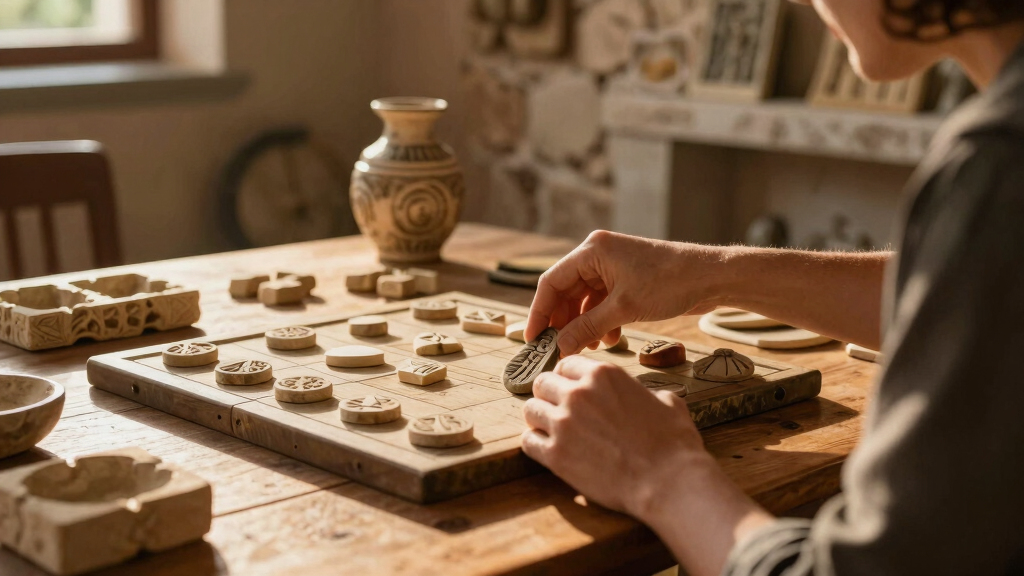
Archaeologists in Italy have confirmed the discovery of a well-preserved Roman board game dating back nearly 2,000 years. The find, made during excavations near Rome, provides rare physical evidence of leisure activities in ancient Rome and is considered a significant archaeological breakthrough.

Play games on Amazon Luna for your game nights, included with Prime
- A rotating selection of games, no download needed
- Play on TV, laptop or phone
- Fast, free delivery for your gear, too
This discovery matters because it offers concrete evidence of leisure activities among ancient Romans, complementing historical texts and artistic depictions. It helps historians better understand daily life, social interactions, and recreational habits in Roman society.
The game’s preservation allows researchers to study its design and materials, providing clues about technological skills and cultural preferences of the period. It also highlights the importance of leisure in Roman culture, which has often been underrepresented in archaeological records.
Popular right now

Bose QuietComfort Wireless Noise-Cancelling Headphones, Cypress Green

Breville Barista Express Espresso Machine with Built-In Grinder, Brushed Stainless Steel

Hisense 43-Inch E6 Cinema Series Hi-QLED 4K UHD Smart Fire TV (43E6QF)
As an affiliate, we earn on qualifying purchases.
Previous Discoveries and Roman Recreational Artifacts
While Roman literature and art have depicted various leisure activities, physical evidence has been scarce. Prior finds include frescoes, mosaics, and sculptures illustrating banquets, sports, and theatrical performances. However, tangible artifacts like game boards are rare.
This discovery builds on earlier finds of Roman gaming pieces and dice, but the completeness of this board provides a unique glimpse into the actual gameplay and social context. It also follows recent excavations revealing domestic artifacts that suggest a broader understanding of Roman daily life beyond the elite classes.
“This is one of the most complete Roman board games ever discovered, offering invaluable insight into the social and recreational lives of ancient Romans.”
— Dr. Lucia Romano
Unanswered Questions About the Game’s Rules and Use
It is not yet confirmed how the game was played or its specific rules, as no written instructions or direct gameplay evidence have been found. Researchers are comparing the artifacts to other Roman games, but definitive gameplay mechanics remain under investigation.
Additionally, it is unclear whether the game was used exclusively for entertainment or had other social or ritual functions. The full cultural significance of the game is still being explored.
Ongoing Analysis and Future Exhibitions
Researchers will continue analyzing the game’s artifacts, including microscopic studies of the paint and wood, to better understand its construction and use. Experimental archaeology efforts may attempt to recreate gameplay based on the artifacts.
The game is expected to be displayed in a local museum later this year, accompanied by educational programs about Roman leisure culture. Further excavations in the area are planned to uncover additional artifacts that could shed light on the social context of the game.
Key Questions
How old is the Roman board game?
The game dates back approximately 1,800 to 2,000 years, to the first or second century AD.
What materials was the game made of?
The game board was made of wood, decorated with painted geometric patterns, and included carved game pieces and dice-like objects.
Does this discovery tell us how the game was played?
No, the specific rules are still unknown. Researchers are studying the artifacts to infer gameplay, but no definitive instructions have been found.
Why is this discovery important?
It provides rare, tangible evidence of leisure activities in Roman society, enriching our understanding of daily life beyond written records and art.
When will the game be displayed to the public?
The game is expected to be exhibited in a local museum later this year, with further research and educational programs planned.
Source: hn