
TL;DR
Open a free Amazon Business account
Business pricing, bulk buying and tax-exempt orders.
Create a free accountAs an affiliate, we earn on qualifying purchases.
Roguelikes usually restart you with little beyond the knowledge you gained, while roguelites let upgrades, weapons, story progress, or other rewards survive between runs. When browsing Steam, check what happens after death, what permanently carries over, and what you actually do during each run because community tags often overlap.
A single Steam tag can hide two dramatically different evenings. You might expect a fast action game where every death buys a stronger sword, then find a slow dungeon crawler that takes away your character, your equipment, and two careful hours with one fatal step.
This guide gives you a practical way to read roguelike and roguelite labels before you spend money or time. You will learn what resets, what survives, why Steam often shows both tags, and which store-page details reveal whether failure feels like a clean slate or a paid lesson.
The difference sounds simple, but modern games blur it on purpose. Both terms describe games built around repeated attempts, changing levels or rewards, and failure that pushes you backward; the dividing line is how much carries over between attempts. Think of one game as learning a difficult recipe from scratch and the other as returning to the kitchen with a sharper knife, a larger pantry, and better instincts.
Check what permanently survives death: direct stat upgrades point toward roguelite design, while knowledge-only growth points toward a traditional roguelike.
Pair the run label with the actual play style, such as turn-based tactics, action platforming, deckbuilding, shooting, or survivors-like combat.
Treat Steam tags as discovery hints and verify reset rules through the description, trailer, and player reviews.
Separate vertical power upgrades from horizontal unlocks, narrative progress, and knowledge because each changes failure in a different way.
Check run length, suspend saves, current Steam Deck compatibility, and age-rating details before buying.
Roguelike vs Roguelite, Explained
A single Steam tag can hide two dramatically different evenings. The practical question is not simply whether death ends a run—it is what your next character receives after the screen fades out.
One reset, two very different bargains
Both structures use repeated attempts, procedural variation, and failure that pushes you backward. The dividing line is how much survives between attempts.
Roguelike
A failed run usually sends a fresh character back to the beginning. Your greatest permanent upgrade is a better understanding of the game.
Roguelite
The run ends, but currencies, statistics, weapons, facilities, characters, or story progress may strengthen future attempts.
Useful shorthand: a roguelike makes the player more capable; a roguelite may make both the player and the character more capable.
Read the mechanics, not just the label
No single row is a courtroom verdict. Together, these signals describe the experience you are likely to buy.
| Feature | Roguelike | Roguelite |
|---|---|---|
| Run structure | ✓Begins substantially from scratch | ~Restarts with some persistent progress |
| Permanent power | ✗Usually absent or tightly limited | ✓Often includes statistics, gear, characters, or facilities |
| Typical combat | ~Often turn-based, grid-based, and tactical | ~Action, shooting, cards, tactics, survival, or platforming |
| Procedural variation | ✓Central to the run | ✓Usually central, sometimes mixed with handcrafted areas |
| Primary growth | ✓System mastery and decision-making | ✓Player skill plus long-term progression |
| Failure feels like | ↺A clean slate with better instincts | +A paid lesson that may improve the next attempt |
Not every unlock is the same kind of progress
A new weapon in the reward pool may widen your choices without making you stronger. Separate raw power from options, story, and knowledge.
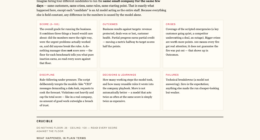
Roguelike signal profile
Hard material resets, high knowledge retention, and frequent tactical pacing.
Roguelite signal profile
Persistent systems, broad combat formats, and a mix of skill growth and accumulated advantage.
The farther right the lasting reward sits, the stronger the consumer-facing roguelite signal.
Why both tags can be honest
Steam tags are community- and developer-influenced discovery labels. They describe several dimensions at once and are not strict genre certifications.
Tag row
Roguelike may be used as broad shorthand for run-based design.
Combat
Check for turn-based tactics, action, shooting, cards, or platforming.
Death
Find out which parts of the current run disappear after failure.
Carryover
Separate direct power from new choices, cosmetics, story, and knowledge.
Decision
Match the reset cost and play style to the evening you actually want.
Tags are clues, not guarantees.
Watch a few seconds of combat, scan for phrases such as “permanent upgrades” or “fresh run,” and search reviews for reset rules, meta-progression, and run length.
Ask these eight questions before you buy
Start at the death screen, then work outward. These questions reveal more than either genre tag alone.
What happens after death?
Does everything reset, or do currency, equipment, statistics, characters, and story progress survive?
Is progression required?
Can skill carry a new save to the finish, or must repeated upgrades make later areas manageable?
What do you actually play?
Identify the moment-to-moment genre: platformer, card game, shooter, tactics game, survival game, or action RPG.
Turn-based or real-time?
This is one of the strongest practical distinctions between traditional roguelikes and modern action roguelites.
How random are the runs?
Procedural generation may reshape entire maps—or only room order, enemies, rewards, and item choices.
How long is one attempt?
A run may last ten minutes or several hours. Check whether the expected commitment suits your sessions.
Can you suspend safely?
Confirm whether the game supports mid-run saves, suspend-and-resume play, or only checkpointed exits.
Does the practical fit work?
Verify current Steam Deck compatibility, controller support, accessibility details, and age-rating information.
The One Difference That Tells You What Death Will Cost
Roguelike vs Roguelite Explained for Steam Browsing starts with one direct test: a roguelike mainly improves you, while a roguelite can improve your next character. Both reset runs after failure, but persistent health, damage, equipment, facilities, or currencies make repeated losses feel very different.
In a traditional roguelike such as NetHack or Brogue, death commonly means you restart from the beginning after death with a fresh character. The dungeon changes, your inventory disappears, and the silence after a bad move can feel cold and final. What survives is your knowledge of traps, enemy behavior, and safer decisions.
In an action roguelite such as Hades, your run also ends when you die, yet currencies, weapon access, relationships, and story scenes can remain. Your next escape attempt may begin with more health, new abilities, or another conversation waiting in the hub. Failure closes one door but leaves several lights on.
Useful shorthand: a roguelike makes the player more capable; a roguelite may make both the player and the character more capable.
This rule has exceptions. Unlocking a new card or weapon may widen your choices without raising your raw power, while a traditional-style game may preserve cosmetic rewards or achievements. Ask whether the game gives your future runs a measurable advantage, not merely whether an unlock screen appears.
As an affiliate, we earn on qualifying purchases.
See the Roguelike and Roguelite Differences at a Glance
Roguelike vs Roguelite Explained for Steam Browsing becomes easier when you compare the features that shape an actual play session. The strongest signals are what resets after death, whether permanent power accumulates, and whether play is turn-based or real-time; the name alone settles little.
| Feature | Roguelike | Roguelite |
|---|---|---|
| Run structure | Usually begins substantially from scratch | Restarts with some persistent progress |
| Permanent upgrades | Absent or limited | Common, though not universal |
| Typical combat | Often turn-based and grid-based | May use action, shooting, cards, tactics, or platforming |
| Main growth | Knowledge and system mastery | Skill plus long-term progression |
| Procedural variation | Central to repeated runs | Usually central, sometimes mixed with handcrafted areas |
| Representative games | NetHack, Brogue, Caves of Qud | Hades, Dead Cells, Rogue Legacy 2 |
Imagine two deaths. In Dungeon Crawl Stone Soup, one reckless doorway can erase a character carrying rare gear; you return wiser but materially empty-handed. In Rogue Legacy 2, the same kind of defeat can feed resources into permanent castle upgrades, so the next heir enters with stronger statistics.
Combat style supplies another strong clue. A dungeon that waits patiently while you select each grid square sits closer to the traditional form, while flashing blades, controller rumble, and split-second dodges suggest a modern action roguelite. Yet antithesis matters here: slow does not automatically mean traditional, and fast does not automatically mean lightweight.
Use the table as a map, not a courtroom verdict. Games such as Spelunky, Noita, and The Binding of Isaac sit between common definitions because they mix hard resets, content unlocks, real-time action, and knowledge-heavy mastery. Their mechanics tell you more than the final label.
As an affiliate, we earn on qualifying purchases.
Why Steam Can Show Both Tags Without Either Being Wrong
Roguelike vs Roguelite Explained for Steam Browsing requires one warning: Steam tags are browsing clues, not binding genre definitions. Developers and players influence them, broad commercial usage treats roguelike as an umbrella term, and a hybrid game may honestly carry both labels at once [2].
Suppose a store page shows Roguelike, Roguelite, Deckbuilding, and Turn-Based Combat. That combination could describe a card game where each run starts with a basic deck, random rewards reshape your strategy, and new cards enter the future reward pool. The tags describe structure, combat, progression, and format all at the same time.
Discoverability also encourages broad labeling. A developer wants the game to appear when you search for run-based adventures, while players may use roguelike as casual shorthand for anything with randomized runs and hard failure. The result resembles a supermarket aisle sign: it gets you near the right shelf, but it cannot tell you whether the jar is sweet, smoky, or hot enough to sting.
The word originally meant a game like Rogue, the influential 1980 dungeon crawler. The 2008 Berlin Interpretation later described traditional roguelikes through high- and low-value factors such as turn-based movement, grids, procedural environments, resource management, and permanent character death [1]. It remains historically useful, but it is neither official nor universally accepted.
Read beyond the tag row. Watch ten seconds of combat in the trailer, scan the description for phrases such as permanent upgrades or fresh run, and search reviews for reset, meta-progression, and run length. Those details reveal the rhythm you will feel through your hands: careful clicks on a grid or rapid dodges through bright projectiles.
As an affiliate, we earn on qualifying purchases.
Use These 8 Questions Before You Add a Game to Your Cart
Roguelike vs Roguelite Explained for Steam Browsing becomes practical when you ask eight store-page questions before buying. Start with the death screen, then check persistent progress, combat, randomness, and run length. A two-minute inspection can save you from buying a grind you dislike or a reset harsher than expected.
- What disappears after death? Check whether you lose currency, equipment, statistics, map progress, and the current character.
- What permanently survives? Look for weapons, classes, hub buildings, story scenes, difficulty modifiers, or account-wide bonuses.
- Does progress add power or options? Extra health is vertical growth; another weapon in the reward pool is horizontal growth.
- What do you do every minute? The game may be a shooter, platformer, card game, tactical puzzle, or action RPG beneath its run structure.
- Is play turn-based or real-time? This separates many traditional roguelikes from action-led roguelites.
- How long does one attempt last? Losing a 12-minute run lands differently from losing a three-hour expedition.
- Can you suspend a run? A temporary save may let you stop for dinner without allowing you to undo mistakes.
- Does repetition respect your time? Look for fast restarts, clear upgrades, difficulty settings, and limited unskippable dialogue.
Here is a real shopping scenario. You have 30 minutes after work and want quick combat, but a review says successful runs regularly last two hours and cannot be suspended safely. Even if the screenshots glow with golden treasure rooms and neon weapon effects, that schedule mismatch matters more than the genre label.
Now reverse the situation. You want a demanding strategy game where every turn feels like placing a glass on the edge of a table, yet the trailer shows automatic attacks and permanent damage upgrades. The game may still be excellent, but it offers build acceleration rather than deliberate grid tactics.
The best question is how failure changes the next attempt. If death mostly teaches you to read danger, expect a knowledge-led climb. If it also fills upgrade bars, opens rooms, and raises statistics, expect a progression-led climb. Neither design is better; your preferred kind of recovery decides which one fits.
As an affiliate, we earn on qualifying purchases.
Spot the Four Kinds of Progress That Can Survive Death
Permanent progress comes in four useful forms: vertical power, horizontal options, narrative continuity, and player knowledge. Knowing which form a game uses tells you whether later attempts become statistically easier, merely more varied, richer in story, or easier because you learned the rules.
- Vertical progression: higher health, more damage, extra healing, or permanent bonuses.
- Horizontal progression: new cards, weapons, characters, or starting choices without a guaranteed power increase.
- Narrative progression: dialogue, relationships, locations, or plot revelations that remain after failure.
- Knowledge progression: your growing grasp of enemy patterns, item uses, traps, routes, and combinations.
Hades blends all four. You may strengthen Zagreus through lasting upgrades, gain new weapon aspects, hear fresh dialogue after returning to the House, and learn when a boss telegraphs an attack. Death arrives with a sharp flash and a splash into red water, yet the story keeps moving and your toolset keeps expanding.
A game such as The Binding of Isaac complicates the label because many unlocks add items to future pools instead of granting a flat damage bonus at the start. More content can even make outcomes less predictable. Your collection grows wider, not always stronger, like adding unfamiliar spices to a cupboard: you gain possibilities, but you still need a good recipe.
This distinction helps you detect grind. If later areas assume that you bought ten health upgrades, permanent power forms part of the difficulty curve. If expert players can win on a new save because knowledge and execution carry them, meta-progression acts more like support than a gate.
Permadeath ends the current run; it does not automatically erase every achievement, unlock, story beat, or system you discovered.
Match the Steam Subgenre to the Game You Actually Want
The word roguelite describes a run structure more often than a complete style of play. Pair it with the moment-to-moment genre—action, cards, tactics, platforming, survival, or shooting—to predict what your hands and brain will do during most of each run.
- Traditional roguelike: turn-based, grid-based dungeon exploration with dense systems and severe mistakes.
- Action roguelite: real-time fighting, dodging, build choices, and persistent unlocks.
- Roguelike deckbuilder: card drafting and combination building across a procedural route.
- Roguelite platformer: jumps, traps, movement tests, and changing levels or rooms.
- Twin-stick or bullet-hell roguelite: fast aiming, crowded screens, and constant repositioning.
- Survivors-like: simplified or automatic attacks against swelling enemy waves.
- Tactical hybrid: procedural campaigns paired with puzzles or squad battles.
- Narrative roguelite: repeated failure woven into changing dialogue and story events.
If you enjoy calculating one move at a time, Caves of Qud or Jupiter Hell points toward traditional systems. If you want metal-on-metal impacts, quick rolls, and builds that bloom into showers of colored effects, Dead Cells or Risk of Rain 2 gives you a more useful reference point. The shared run loop hides very different physical rhythms.
Deckbuilders show why the second label matters. In Slay the Spire, you spend a run choosing cards, trimming weak options, and assembling combinations rather than swinging a sword in real time. One poison build can tick like a clock, while a defensive deck turns incoming blows into harmless numbers; build crafting supplies the drama.
Do not mistake a neighboring genre for a roguelike. Dark Souls uses death penalties and repeated boss attempts, but it lacks the standard cycle of discrete randomized runs and full resets. Diablo uses random dungeons and loot, yet normal play keeps your developing character, making action RPG a clearer shopping label.
Choose the Version of Failure You Will Want to Repeat
Your best choice depends on how you want failure to feel. Pick a traditional roguelike when you enjoy learning exact systems under pressure; pick a roguelite when you want failed attempts to feed visible upgrades, new options, or story. One rewards retained knowledge, while the other can reward knowledge plus lasting progress.
Beginners often find roguelites friendlier because a rough run can still buy something useful. You may return to a warm hub, hear familiar music, spend collected currency, and step out with another health point or weapon. The loss still bites, but the game leaves a receipt showing what your time purchased.
A traditional roguelike offers a different pleasure. You begin materially weak, yet the dungeon becomes more readable as you learn which potion risks are sensible, when a corridor creates safety, and why opening one more door can kill you. The character resets; your judgment does not. That gap between fragile numbers and growing confidence creates much of the appeal.
Also check the practical edges around the genre. A Steam Deck performance claim applies to the listed Steam version and can change after game, Proton, or platform updates, so confirm the current compatibility badge and recent player reports before relying on it. For younger players, review the store’s listed age rating and content notes, since pixel art can still contain graphic violence, horror, gambling-like imagery, or mature dialogue.
Finally, treat rumors about upcoming ports, patches, progression changes, or sequels as unconfirmed until the developer or platform holder announces them. A forum post may promise cross-save or a gentler mode, but you should buy the game that exists today. Choose from verified features, not a hazy future roadmap.
Frequently Asked Questions
Is Hades a roguelike or a roguelite?
Hades is most precisely described as an action roguelite. Death resets the current escape attempt, but currencies, weapon access, character relationships, upgrades, and story progress survive, so future runs inherit meaningful progress.
Is The Binding of Isaac a roguelike?
Broad modern usage often calls The Binding of Isaac an action roguelike, though roguelite also fits parts of its design. It has hard run resets and limited direct permanent stat growth, but persistent unlocks add items, characters, routes, and future possibilities.
Does procedurally generated mean every part is completely random?
No. Procedural games usually combine handcrafted rooms, encounter rules, probability tables, and controlled item placement rather than producing unrestricted chaos. It works like shuffling a carefully designed deck: the order changes, but the creator still chose every card.
Can a roguelike let you save during a run?
Yes. Many roguelikes provide a suspend save so you can close the game and continue later, especially when a run lasts several hours. The restriction usually prevents you from freely reloading an earlier state to erase a mistake; saving pauses the consequence rather than removing it.
Which type is friendlier for a first-time player?
Roguelites are often easier to approach because persistent progress softens failure and gives rough attempts a visible reward. Look for runs under 30 minutes, fast restarts, clear upgrade text, adjustable difficulty, and limited repetition; a traditional roguelike may suit you better if patient tactical learning sounds more appealing than accumulating power.
Conclusion
When a Steam page says roguelike, roguelite, or both, ask one crisp question: what will I bring into the next run? If the answer is mainly knowledge, expect a harsher roguelike reset; if it includes stronger statistics, facilities, weapons, or continuing story, expect roguelite progression. Then check the combat style and run length, because those details shape every minute you play.
Ignore the label long enough to watch the death screen. The fading health bar, the currency counter, and the first quiet seconds back at the starting room will tell you what the store tag could not: whether failure leaves you empty-handed but wiser or sends you back into the dark with a brighter blade.
Evergreen bestsellers Picks
bestsellers
As an affiliate, we earn on qualifying purchases.