
TL;DR
A Los Angeles Times report published Aug. 10, 1998, profiled BeatDown, a monthly Costa Mesa LAN party that brought hundreds of computer-game fans together to play over a local network. The gathering showed how online games could prompt players to travel for face-to-face competition and socializing, though the report did not establish the scale or longevity of the wider trend.
A Los Angeles Times report published Aug. 10, 1998, described BeatDown, a monthly computer-game party in Costa Mesa, California, where hundreds of players brought personal computers to compete over a local-area network. The event paired multiplayer gaming with music and in-person socializing, illustrating a counterpoint to the idea that networked games necessarily kept people apart.

Play games on Amazon Luna for your game nights, included with Prime
- A rotating selection of games, no download needed
- Play on TV, laptop or phone
- Fast, free delivery for your gear, too
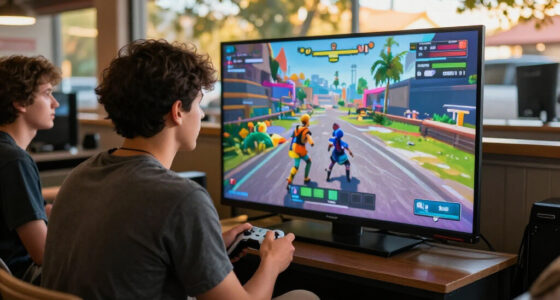
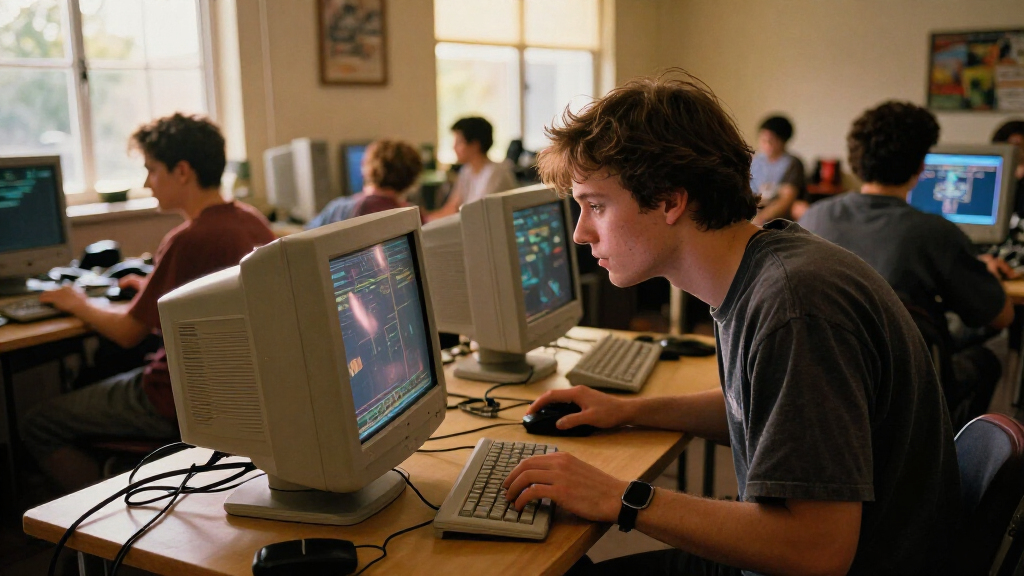
BeatDown attendees carried their computers to a corporate office complex and connected them so they could play against one another in the same venue. The gathering combined rows of gaming stations with a dance floor, flashing lights and music. The report said admission was sought by hundreds of fans, though it did not give an exact attendance figure for the specific party it described.
Andrea Bruns, a 27-year-old computer program manager who traveled from San Rafael, told the Times she came for the games but stayed for the people. At the party, she used the player identity “China”, a brash character distinct from her everyday life. The report also described participants using online handles rather than their real names, suggesting that digital identities remained part of the in-person gathering.
BeatDown founder Mark Surfas said the event began as a small gathering among friends and spread through online discussion and word of mouth. The report said the party had celebrated its first anniversary in July 1998. Surfas said organizers were not making money from it and held it for their enthusiasm for games and to attract attention to their work.
Why Players Took Games Offline
BeatDown offered a clear example of networked entertainment leading people to meet physically. The games could connect players over the internet, but the party brought them into the same room for competition, conversation and shared reactions. Attendees could see the person they had beaten, talk between matches and socialize beyond the game.
That distinction mattered as internet gaming expanded. The report framed LAN parties as a response to players tiring of being isolated online, but that is the article’s interpretation rather than a measured finding. Its reported examples nonetheless show how some players valued face-to-face play alongside digital competition, with travel and equipment part of the experience.
Popular right now

Breville Barista Express Espresso Machine with Built-In Grinder, Brushed Stainless Steel

Hisense 43-Inch E6 Cinema Series Hi-QLED 4K UHD Smart Fire TV (43E6QF)

KitchenAid Artisan Series 5-Quart Tilt-Head Stand Mixer, Juniper (KSM150PS)
As an affiliate, we earn on qualifying purchases.
How the LAN Scene Grew
A local-area network, or LAN, connects computers in one place so they can communicate and run multiplayer games. The Times explained that home users typically needed a network interface card in each computer and cables linking the machines. Organizers could adapt the setup to the size of the gathering. This equipment-based format made a LAN party different from simply joining a game over the internet: players brought their own computers to a shared location.
The report placed BeatDown within a broader, loosely organized scene. It cited events ranging from small college gatherings to a three-day competition in an Alberta airplane hangar. A listing on the gaming site Blue’s News reportedly showed more than 150 scheduled events in the United States and abroad at the time. That figure refers to a site’s event listing, not a verified count of all LAN parties or their attendees.
Games mentioned included Epic MegaGames’ Unreal and id Software’s Quake series, both fast-paced shooters suited to head-to-head competition. The report said millions of players had turned to internet gaming since the mid-1990s, while describing BeatDown as one response to a desire for more direct social contact. It did not provide independent market data to quantify that shift.
““I came for the games. I stayed for the people.””
— Andrea Bruns, BeatDown attendee
What the Report Does Not Establish
The article offers a 1998 snapshot, not a systematic survey of LAN parties. It does not establish how many events were active overall, how many people regularly attended, or whether the reported listings were complete. Its “hundreds” description of BeatDown is not tied to a precise headcount for the particular night covered.
Some details are presented as participants’ or organizers’ views. Claims that players were tired of internet gaming, that the scene was growing, or that anonymity encouraged extreme behavior are not supported by comparative research in the report. The article also gives no later update on BeatDown’s schedule, attendance or eventual status.
No Later Event Update Provided
The source does not announce a future milestone or provide a follow-up on BeatDown. At the time of publication, the party was described as a monthly gathering that had recently marked its first anniversary, and Surfas said it had spread through online promotion and word of mouth. The report’s account ends without confirming subsequent dates, growth or changes to the event.
For readers, the next point to verify would be a later event listing or a statement from the organizers. Without that follow-up, BeatDown’s longer-term history and the wider LAN scene’s development remain outside what this report confirms.
Key Questions
What was BeatDown?
BeatDown was a monthly Costa Mesa gathering where attendees brought computers and played multiplayer games over a local-area network, alongside music and social activities.
When was the event reported?
The Los Angeles Times published its report on Aug. 10, 1998. It said BeatDown had celebrated its first anniversary the month before.
What is a LAN party?
A LAN party brings computers together in one location and links them on a local-area network for multiplayer gaming. Participants typically bring their own machines and connect them through network equipment and cables.
Did the report prove LAN parties were replacing online gaming?
No. The article described some players seeking in-person competition and socializing, but it did not establish that LAN parties were replacing internet play or quantify the trend.
Is there information about BeatDown after 1998?
The supplied report does not provide later attendance figures, future dates or an account of when the event ended. Its description is limited to the gathering’s status in 1998.
Source: latimes.com