
TL;DR
Open a free Amazon Business account
Business pricing, bulk buying and tax-exempt orders.
Create a free accountAs an affiliate, we earn on qualifying purchases.
A Thorsten Meyer AI comparison names the ASUS ROG Xbox Ally its leading all-purpose gaming handheld for 2026, with the Steam Deck OLED positioned as a premium alternative. The report also identifies lower-cost Android and Linux devices but lacks pricing, independent benchmarks and full compatibility testing.
A 2026 gaming handheld comparison from Thorsten Meyer AI has placed the ASUS ROG Xbox Ally first for overall versatility and power, while identifying the Valve Steam Deck OLED as a strong premium option. The report matters because its eight selections cover sharply different hardware and software platforms, although several recommendations are not supported by pricing or independent performance data.
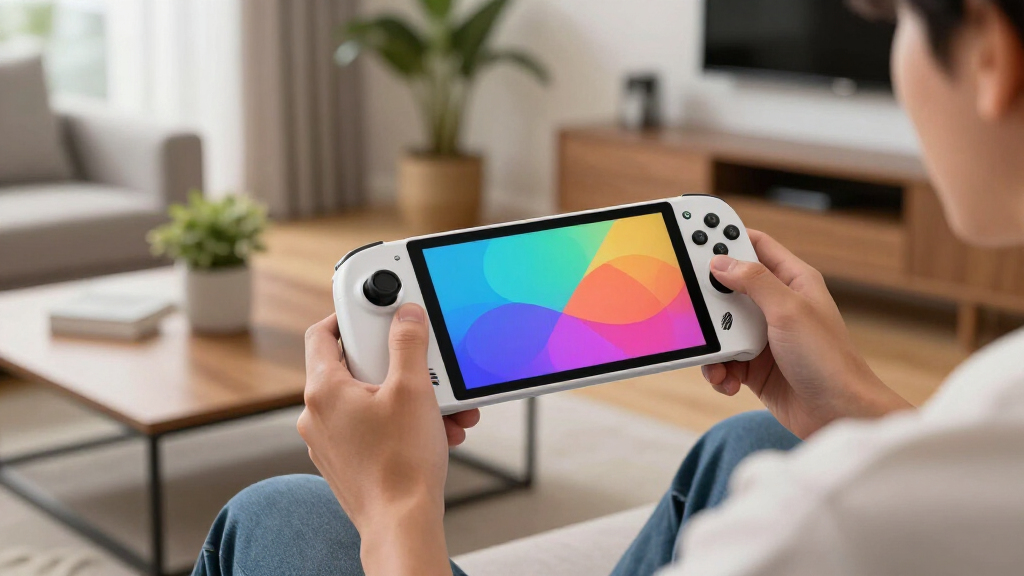
The comparison says the ROG Xbox Ally combines a 7-inch 120Hz touchscreen, AMD Ryzen Z2 A processor, 16GB of LPDDR5 memory and a 1TB SSD. It runs Windows 11 and supports Wi-Fi 6E and Bluetooth 5.4. The source describes it as the most versatile selection, but does not provide game-by-game frame rates or direct benchmark results against the other devices.
The Steam Deck OLED is selected for premium visuals and longer play, with a 7.4-inch HDR OLED display, refresh rates up to 90Hz and a 1TB NVMe SSD. The supplied specifications list a 50Wh battery and a broad estimated runtime of three to 12 hours. That range will depend on the game, display settings and system load, none of which are documented in the comparison.
Other picks serve narrower audiences. The MSI Claw A8 is presented as the most powerful option, pairing an AMD Ryzen Z2 Extreme processor with an 8-inch 120Hz display and 24GB of memory. The Android-based Retroid Pocket 5 and MANGMI AIR X target portable retro and mobile play, while the OnePro Cloud is aimed at streaming. The RF40H and foldable Aivuidbs RG DS are positioned as inexpensive emulation-focused systems.
8 Best Gaming Handhelds in 2026
The ASUS ROG Xbox Ally leads this comparison as the all-purpose choice, while the Steam Deck OLED stands out for premium visuals. Eight devices span Windows, Android, Linux, cloud gaming and retro play—but key buying evidence is still missing.
Eight devices, eight different jobs
The rankings cover premium PC handhelds, Android systems, cloud-focused hardware and inexpensive emulation devices. A higher specification does not automatically mean a better fit for every game library.
ASUS ROG Xbox Ally
The comparison’s leading all-purpose option for versatility and Windows game access.
Steam Deck OLED
Designed around its HDR OLED panel, Steam ecosystem and longer-play positioning.
MSI Claw A8
A performance-led Windows option with the largest listed display and most memory.
Retroid Pocket 5
An Android-based option aimed at portable retro play and customization.
MANGMI AIR X
A lower-spec Android handheld positioned for mobile and retro gaming.
OnePro Cloud
A streaming-first selection where network quality matters more than local processing.
RF40H
A Linux emulation device with a large bundled-game claim that remains unverified.
Aivuidbs RG DS
A dual-screen, emulation-focused system with unusually large expansion support.
Specifications tell only half the story
The biggest hardware divide is between current Windows PC gaming, Android portability and smaller retro-focused systems. Price, tested endurance and standardized performance remain unresolved.
| Device | Primary fit | Platform | Display | Memory | Storage | Independent data |
|---|---|---|---|---|---|---|
| ROG Xbox Ally | All-purpose PC | Windows 11 | 7″ / 120Hz | 16GB | 1TB SSD | ~ Missing |
| Steam Deck OLED | Premium visuals | SteamOS | 7.4″ HDR / 90Hz | Not supplied | 1TB NVMe | ~ Missing |
| MSI Claw A8 | Peak listed power | Windows | 8″ / 120Hz | 24GB | 1TB SSD | ~ Missing |
| Retroid Pocket 5 | Value and retro | Android | 5.5″ touch | 8GB | 128GB | ~ Missing |
| MANGMI AIR X | Mobile and retro | Android | Not supplied | 4GB | 64GB | ~ Missing |
| OnePro Cloud | Game streaming | Cloud-led | Not supplied | Not supplied | Not supplied | ~ Missing |
| RF40H | Classic games | Linux | Not supplied | Not supplied | 64GB | ~ Missing |
| Aivuidbs RG DS | Dual-screen retro | Not supplied | Dual 4″ | Not supplied | 32GB | ~ Missing |
~ The supplied comparison does not include standardized benchmarks, identical game tests, current regional pricing or full compatibility testing.
Choose the ecosystem before the processor
A fast chip cannot compensate for unsupported games, poor controls or an unsuitable operating system. The right handheld starts with the buyer’s actual library and preferred way to play.
Modern PC libraries
Broad launcher access and demanding games, balanced against setup friction, cooling, fan noise and higher power demand.
Portable customization
Well suited to mobile titles, streaming and retro use, but not a direct substitute for current high-end Windows releases.
Focused experiences
Useful for older games or streaming, provided emulator support, network quality, licensing and storefront access are verified.
The buying decision chain
Verify before buying
This ranking is a useful starting map, not a final performance verdict. Hardware revisions, firmware, compatibility and availability can change throughout 2026.
Which handheld ranked first?
The ASUS ROG Xbox Ally, based on its 120Hz screen, Windows 11 support, 16GB memory and 1TB SSD.
Which model leads for display quality?
The Steam Deck OLED, with a listed 7.4-inch HDR OLED panel and refresh rates up to 90Hz.
What are the lower-cost candidates?
Retroid Pocket 5, MANGMI AIR X and RF40H are the value-focused selections, though prices are not provided.
Can specifications decide the winner?
No. Software support, controls, cooling, battery life and game-by-game performance need current testing.
Software Fit Shapes the Choice
The comparison shows that gaming handhelds no longer form one category. Windows models target demanding PC games, Android devices emphasize portability and customization, and smaller Linux systems focus on older titles. A device with the fastest listed processor may still be a poor match if its operating system, controls or game compatibility do not support a buyer’s library.
Display and battery differences also affect how these systems are used. The list ranges from dual 4-inch screens to an 8-inch FHD+ panel, with refresh rates reaching 120Hz on the ASUS and MSI models. Higher performance and larger displays can increase power demand, making tested battery endurance more useful than capacity figures alone.
As an affiliate, we earn on qualifying purchases.
Eight Devices Span Three Tiers
The selections divide broadly into premium PC handhelds, midrange Android systems and inexpensive retro consoles. Storage runs from 32GB inside the Aivuidbs device to 1TB SSDs in the ASUS, Valve and MSI models. The Aivuidbs system reportedly accepts expansion cards up to 2TB, while the 64GB RF40H may require added storage for larger collections.
The report names the Retroid Pocket 5 its value choice, listing a Snapdragon 865 processor, 8GB of memory, 128GB of storage and a 5.5-inch touchscreen. The MANGMI AIR X has a Snapdragon 662, 4GB of memory and 64GB of storage. These specifications place both closer to Android and retro gaming than current high-end Windows releases.
As an affiliate, we earn on qualifying purchases.
Benchmarks and Pricing Still Missing
The ranking does not supply current prices, standardized benchmarks or identical game tests, so its value and performance conclusions cannot be independently checked from the source material. Performance claims also lack the firmware versions, operating-system builds, resolution settings and power profiles used during evaluation.
The source says the RF40H includes more than 20,000 games, but it does not identify those titles or document their licensing, regional availability or age ratings. Buyers cannot verify from the comparison whether every included game is authorized or suitable for children. Current platform compatibility, including any title-specific handheld verification status, should also be checked because support can change after software updates.
As an affiliate, we earn on qualifying purchases.
Verify Prices, Games and Firmware
Prospective buyers should compare live regional pricing and seek independent tests covering frame rates, heat, fan noise and battery life before choosing among the premium systems. For Windows devices, testing should specify the game version and power mode because those variables can materially change results.
For Android, Linux and retro-oriented products, the next checks are store access, emulator support, update policies and the legality of any bundled games. Availability and hardware revisions may also change during 2026, so the list should be treated as a starting comparison rather than a final performance verdict.
As an affiliate, we earn on qualifying purchases.
Key Questions
Which handheld did the comparison rank first?
The source selected the ASUS ROG Xbox Ally as its best overall device, citing its 120Hz display, Windows 11 support, 16GB of memory and 1TB SSD. The ranking is not accompanied by standardized benchmark results.
Which model is recommended for premium display quality?
The Valve Steam Deck OLED received the premium-visuals designation. Its listed hardware includes a 7.4-inch HDR OLED screen with refresh rates up to 90Hz and 1TB of NVMe storage.
What are the lower-cost options?
The report points to the Retroid Pocket 5, MANGMI AIR X and RF40H for value-focused buyers. Their intended uses differ: the first two run Android, while the RF40H uses an open-source Linux system and emphasizes classic games.
Are the 20,000 games on the RF40H verified?
No. The source claims the RF40H contains more than 20,000 games, but provides no title list or licensing documentation. Their legal status, age ratings and regional availability remain unconfirmed.
Can these devices be compared by specifications alone?
No. Processor, memory and display specifications offer only a partial comparison. Software support, control quality, cooling, battery performance and game-by-game compatibility require current testing on the relevant hardware and system version.
Source: Thorsten Meyer AI
Flea & tick season Picks
flea and tick prevention
As an affiliate, we earn on qualifying purchases.