
TL;DR

Play games on Amazon Luna for your game nights, included with Prime
- A rotating selection of games, no download needed
- Play on TV, laptop or phone
- Fast, free delivery for your gear, too
This article reviews the most notable features of several smart glasses tested in China, emphasizing their unique capabilities like advanced photography, style, integration, and translation. Confirmed details include their design, battery life, and key functionalities, while some claims about AI and ecosystem integration remain unverified. The development showcases China’s growing innovation in wearable tech.
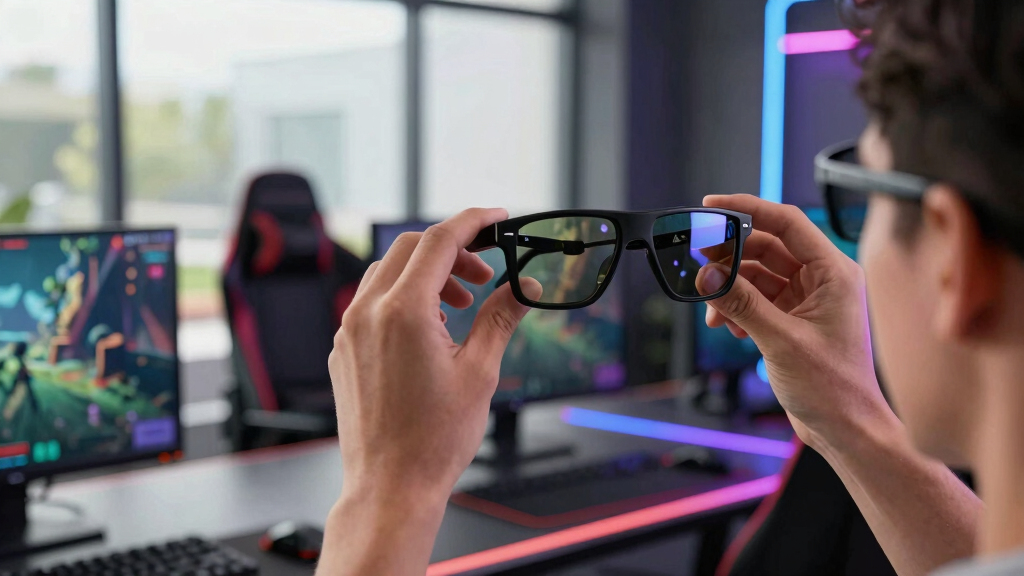
During a recent trip to China, multiple smart glasses were tested, revealing several standout features that differentiate each device. These features include advanced photography, long battery life, stylish design, and seamless ecosystem integration, making these devices notable in the rapidly evolving wearable tech market.
The Huawei AI glasses impressed with their ability to shoot high-quality photos and stabilized videos, even during movement, thanks to AI-powered processing. They are lightweight, last around 12 hours on a single charge, and include privacy features like inverse wave audio emission for discreet listening. Rokid glasses stand out for their mature design, integration with AI agents, and a developer-friendly ecosystem, reflecting years of market experience. Alibaba’s Qwen glasses feature a bright display with 4000 nits brightness, full ecosystem integration with Alibaba services, and a swappable battery, enhancing outdoor usability. INMO GO3 glasses focus on offline translation, supporting nine languages without internet, ideal for travelers. Each device demonstrates specific strengths, from style to functionality, tailored to different user needs.
Implications for Wearable Tech Innovation in China
HTML: The tested smart glasses showcase China’s rapid advancements in wearable technology, emphasizing features like AI photography, ecosystem integration, and offline translation. These developments could influence global wearable device trends, expand user options, and drive competition among manufacturers, highlighting China’s role as a key innovator in this space.
smart glasses with advanced photography
As an affiliate, we earn on qualifying purchases.
As an affiliate, we earn on qualifying purchases.
Recent Trends in Chinese Smart Glasses Development
HTML: Over the past few years, Chinese companies like Huawei, Rokid, Alibaba, and INMO have heavily invested in smart glasses, focusing on blending style, functionality, and ecosystem integration. Huawei’s focus on AI-powered photography and waterproof design, Rokid’s mature ecosystem and developer support, Alibaba’s seamless service integration, and INMO’s offline translation highlight a diversified approach to wearable tech. These efforts reflect China’s broader push into AI and IoT markets, with smart glasses becoming a key component.
“Huawei’s AI glasses can shoot raw photos and stabilize videos, making them a standout for photography.”
— Source from The Ghost Howls
smart glasses with offline translation
As an affiliate, we earn on qualifying purchases.
As an affiliate, we earn on qualifying purchases.
Unverified Claims and Potential Limitations
While the features highlighted are confirmed through testing and manufacturer descriptions, some claims—such as the AI magic in Huawei photos or the full ecosystem integration of Rokid glasses—are based on initial impressions or promotional materials. The long-term durability, user experience over extended periods, and real-world performance outside controlled testing remain unverified or unclear.
stylish smart glasses with long battery life
As an affiliate, we earn on qualifying purchases.
As an affiliate, we earn on qualifying purchases.
Upcoming Developments and Market Expansion
Manufacturers are expected to release updated models with enhanced AI capabilities, longer battery life, and broader ecosystem support in the coming months. Further real-world testing and user feedback will clarify the practical advantages of these features. Additionally, Chinese companies may expand their availability internationally, increasing competition and innovation in the global smart glasses market.
smart glasses ecosystem integration
As an affiliate, we earn on qualifying purchases.
As an affiliate, we earn on qualifying purchases.
Key Questions
Which smart glasses tested in China have the best camera capabilities?
Huawei AI glasses are confirmed to have superior photography features, including raw image capture and stabilized video recording.
Are these smart glasses suitable for outdoor use?
Yes, particularly Alibaba’s Qwen glasses, which feature a very bright display (4000 nits) and swappable batteries for extended outdoor use.
Do these glasses support offline features?
INMO Go3 glasses support offline translation for nine languages, making them ideal for travel without internet access.
Are these Chinese smart glasses available internationally?
Some, like Rokid glasses, are sold in Western markets, but most are primarily available within China.
What are the main differences among these devices?
Huawei focuses on photography and privacy, Rokid on design and developer support, Alibaba on display brightness and ecosystem integration, and INMO on offline translation.
Source: The Ghost Howls
Fall Picks
fall essentials
As an affiliate, we earn on qualifying purchases.