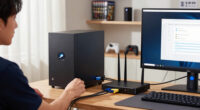
The HP OmniDesk with Ryzen 7 8700G is my best overall personal computer because its 32GB of DDR5 memory, 1TB SSD, and Radeon 780M graphics create the strongest balance of speed and versatility in this lineup. The Dell OptiPlex 3060 Renewed is the better value for buyers comfortable with refurbished hardware, while the Dell Tower ECT1250 earns my premium spot with its newer Core Ultra 7 processor. Choosing among the best personal computers mainly comes down to portability, upgrade potential, graphics capability, and warranty confidence. Several cheaper systems offer generous memory but use older processors, while newer entry-level models provide longer useful lives with less RAM. Continue reading for the full breakdown of which configuration fits each buyer type.
Complete the kit


Key Takeaways
- HP’s Ryzen 7 OmniDesk leads the roundup because it combines 32GB of DDR5 memory with stronger Radeon 780M integrated graphics, making it more versatile than the business-focused desktops.
- Dell’s Core Ultra 7 tower is the premium choice, but buyers focused on everyday office work can spend less on the Core Ultra 5 Slim Desktop without giving up a modern platform.
- The renewed Dell OptiPlex 3060 offers the strongest value configuration with 32GB of memory and a 1TB SSD, though its older hardware and refurbished status bring more ownership risk than a new Dell Slim Desktop.
- The Dell 24 All-in-One is the easiest starter package because the display and computer arrive as one unit, while the HP Pro 400 G9 Mini is better for buyers prioritizing minimal desk use and three-monitor support.
- Two HP ProDesk G7 entries appear to be the same 16GB and 1TB configuration, so seller reputation, warranty coverage, condition, and final price matter more than their positions as separate listings.
| HP 15.6″ FHD Laptop 2026 Edition |  | Best Portable Budget PC | Display: 15.6 inches FHD | Processor: Intel N100 | Memory: 8GB RAM | VIEW LATEST PRICE | See Our Full Breakdown |
| HP ProDesk G7 SFF Desktop Computer |  | Best for Dual-Monitor Office Work | Processor: Intel processor, model unspecified | Memory: 16GB DDR4 | Storage: 1TB SSD | VIEW LATEST PRICE | See Our Full Breakdown |
| Dell OptiPlex 7050 SFF Desktop PC |  | Best Renewed Multitasker | Model: Dell OptiPlex 7050 SFF | Processor: Intel Core i7-7700 at 3.60GHz | Memory: 32GB DDR4 | VIEW LATEST PRICE | See Our Full Breakdown |
| Dell Slim Desktop ECS1250 |  | Best Starter Desktop | Processor: Intel Core i3-14100 | Memory: 8GB DDR5 | Storage: 512GB SSD | VIEW LATEST PRICE | See Our Full Breakdown |
| HP OmniDesk Desktop Computer PC |  | Best Overall | Processor: AMD Ryzen 7 8700G at 4.2GHz | Memory: 32GB DDR5-5200 | Storage: 1TB PCIe Gen4 NVMe SSD | VIEW LATEST PRICE | See Our Full Breakdown |
| Dell Tower Desktop ECT1250 |  | Best Performance Tower | Processor: Intel Core Ultra 7-265 | Memory: 32GB | Storage: 1TB M.2 SSD | VIEW LATEST PRICE | See Our Full Breakdown |
| Dell OptiPlex 7050 Desktop Computer PC |  | Best Budget Refurbished Pick | Processor: Intel Core i5-7500, 3.4GHz | Memory: 16GB DDR4 | Storage: 512GB SSD | VIEW LATEST PRICE | See Our Full Breakdown |
| Dell 24 All-in-One Desktop ec24250 |  | Best All-in-One for Beginners | Display: 23.8-inch Full HD IPS | Display Features: HDR and eye-comfort technology | Processor: Intel Core 3 100U | VIEW LATEST PRICE | See Our Full Breakdown |
| Dell Slim Desktop ECS1250 |  | Best Slim Productivity Desktop | Processor: Intel Core Ultra 5-225 | Memory: 16GB | Storage: 512GB M.2 SSD | VIEW LATEST PRICE | See Our Full Breakdown |
| HP ProDesk G7 SFF Desktop Computer | | Best Expandable Office PC | Processor: Intel Celeron G5905, 2 cores, 3.5GHz | Installed Memory: 16GB RAM | Memory Support: Up to 64GB DDR4-3200 | VIEW LATEST PRICE | See Our Full Breakdown |
| Dell Optiplex 3060 Desktop Computer |  | Best Refurbished Value | Processor: Intel Core i5-8500 | Memory: 32GB DDR4 | Storage: 1TB SSD | VIEW LATEST PRICE | See Our Full Breakdown |
| HP ProDesk G7 SFF Desktop Computer |  | Best for File-Heavy Office Work | Processor: Intel processor | Memory: 32GB | Storage: 1TB HDD and 128GB SSD | VIEW LATEST PRICE | See Our Full Breakdown |
| Dell 2026 Pro Desktop Tower PC |  | Best Current-Generation Office Tower | Processor: Intel Core i3-14100, 4 cores, up to 4.7GHz | Memory: 16GB DDR5 | Storage: 512GB PCIe SSD | VIEW LATEST PRICE | See Our Full Breakdown |
| HP ProDesk 400 G9 SFF Business Desktop Computer |  | Best for Memory-Heavy Basic Work | Processor: Intel Celeron G6900, dual-core, 3.4GHz | Memory: 32GB, upgradable to 64GB | Storage: 1TB PCIe SSD | VIEW LATEST PRICE | See Our Full Breakdown |
| HP Pro 400 G9 Mini PC Desktop Computer |  | Best Mini PC for Three Displays | Processor: Intel Celeron G6900T, dual-core, 2.8GHz | Memory: 16GB DDR5, upgradable to 32GB | Storage: 256GB PCIe SSD, upgradable to 4TB | VIEW LATEST PRICE | See Our Full Breakdown |
| personal computer | Processor | Operating System | Memory | Storage |
|---|---|---|---|---|
| HP 15.6" FHD Laptop 2026 Editi | Intel N100 | Windows 11 Home | 8GB RAM | 256GB SSD |
| HP ProDesk G7 SFF Desktop Comp | Intel processor, model unspecified | Windows 11 Pro | 16GB DDR4 | 1TB SSD |
| Dell OptiPlex 7050 SFF Desktop | Intel Core i7-7700 at 3.60GHz | Windows 11 Pro | 32GB DDR4 | 1TB SSD |
| Dell Slim Desktop ECS1250 | Intel Core i3-14100 | Windows 11 Home | 8GB DDR5 | 512GB SSD |
| HP OmniDesk Desktop Computer P | AMD Ryzen 7 8700G at 4.2GHz | Windows 11 Home 64-bit | 32GB DDR5-5200 | 1TB PCIe Gen4 NVMe SSD |
| Dell Tower Desktop ECT1250 | Intel Core Ultra 7-265 | Windows 11 Home | 32GB | 1TB M.2 SSD |
| Dell OptiPlex 7050 Desktop Com | Intel Core i5-7500, 3.4GHz | Windows 11 Pro | 16GB DDR4 | 512GB SSD |
| Dell 24 All-in-One Desktop ec2 | Intel Core 3 100U | Windows 11 Home | 8GB DDR5 | 512GB SSD |
| Dell Slim Desktop ECS1250 | Intel Core Ultra 5-225 | Windows 11 Home | 16GB | 512GB M.2 SSD |
| HP ProDesk G7 SFF Desktop Comp | Intel Celeron G5905, 2 cores, 3.5GHz | Windows 11 Pro 64-bit | — | — |
| Dell Optiplex 3060 Desktop Com | Intel Core i5-8500 | Windows 11 Pro | 32GB DDR4 | 1TB SSD |
| HP ProDesk G7 SFF Desktop Comp | Intel processor | Windows 11 Pro | 32GB | 1TB HDD and 128GB SSD |
| Dell 2026 Pro Desktop Tower PC | Intel Core i3-14100, 4 cores, up to 4.7GHz | Windows 11 Pro | 16GB DDR5 | 512GB PCIe SSD |
| HP ProDesk 400 G9 SFF Business | Intel Celeron G6900, dual-core, 3.4GHz | Windows 11 Pro | 32GB, upgradable to 64GB | 1TB PCIe SSD |
| HP Pro 400 G9 Mini PC Desktop | Intel Celeron G6900T, dual-core, 2.8GHz | Windows 11 Pro | 16GB DDR5, upgradable to 32GB | 256GB PCIe SSD, upgradable to 4TB |
More Details on Our Top Picks
HP 15.6″ FHD Laptop 2026 Edition
I rank the HP 15.6-inch FHD Laptop as the portable budget choice because it combines a full-size screen, manageable 3.64-pound weight, and broad connectivity in one inexpensive everyday PC. Unlike the Dell Slim Desktop ECS1250, it includes a display and battery, making it far better suited to classes, hybrid work, and moving between rooms. The Intel N100 and 8GB of RAM can handle documents, browsing, video calls, and streaming, while the 256GB SSD provides quick everyday responsiveness. That modest hardware also defines its limits: demanding creative software, large multitasking workloads, and modern games will expose the processor and integrated graphics. Storage is relatively tight beside the 512GB Dell Slim Desktop, too. I place it below the stronger desktops for performance, but ahead of them for mobility and all-in-one practicality.
Pros:- 3.64-pound design is easy to carry
- 15.6-inch FHD display provides useful working space
- SSD supports fast startup and application loading
- Wi-Fi 6, HDMI, USB, and audio connectivity cover common accessories
Cons:- Intel N100 is limited under demanding workloads
- 256GB storage can fill quickly with large media libraries
- Integrated graphics are unsuitable for demanding games or GPU-heavy creative work
Best for: I recommend it for students, remote workers, and families who need an affordable Windows computer that can move easily between school, office, and shared living spaces.
Not ideal for: I would skip it for video editors, engineering students, serious gamers, or heavy multitaskers because the Intel N100, 8GB RAM, and integrated graphics leave little performance headroom.
- Display:15.6 inches FHD
- Processor:Intel N100
- Memory:8GB RAM
- Storage:256GB SSD
- Weight:3.64 lbs
- Operating System:Windows 11 Home
- Wireless:Wi-Fi 6
- Ports:USB, HDMI, and headphone jack
Our verdict“I would choose this HP when portability and basic everyday computing matter more than processing power or storage capacity.”
HP ProDesk G7 SFF Desktop Computer
I give the HP ProDesk G7 SFF the office-focused role because its 16GB of DDR4 memory, 1TB SSD, Windows 11 Pro, and dual-4K support form a balanced productivity package. It offers twice the listed memory and storage of the Dell Slim Desktop ECS1250, which makes it better prepared for large document collections, heavier browser use, and two high-resolution workspaces. Its compact chassis also fits desks where a tower would consume too much room. The main uncertainty is the vaguely identified Intel processor; buyers cannot judge its exact speed or generation from the supplied data, so I cannot rank it above the HP OmniDesk for demanding work. Small-form-factor construction may also restrict graphics and expansion choices. I see it as a practical business desktop, especially for users who value capacity, display support, and Windows 11 Pro over cutting-edge components.
Pros:- 16GB DDR4 memory supports productive multitasking
- 1TB SSD provides generous fast storage
- Dual 4K display support suits multi-window office workflows
- Compact chassis includes wired and wireless connectivity
Cons:- Processor model and generation are not specified
- Small-form-factor chassis can restrict major upgrades
- No dedicated graphics hardware is listed
Best for: I recommend it for home-office users, administrators, and small businesses running two 4K monitors alongside browsers, office applications, and large local file collections.
Not ideal for: I would skip it for buyers who need verified processor performance, full-size expansion cards, or strong gaming graphics.
- Processor:Intel processor, model unspecified
- Memory:16GB DDR4
- Storage:1TB SSD
- Display Support:Dual 4K displays
- Operating System:Windows 11 Pro
- Weight:Under 9 lbs
- Dimensions:11.9 x 10.6 x 3.7 inches
- Wireless:Wi-Fi and Bluetooth
- Ports:HDMI, USB, and RJ-45
Our verdict“I would pick this ProDesk for a compact dual-monitor office where storage and business features matter more than known CPU pedigree.”
Dell OptiPlex 7050 SFF Desktop PC
I place the Dell OptiPlex 7050 SFF in the renewed-value slot because 32GB of RAM and a 1TB SSD give it unusually generous multitasking and storage capacity. Compared with the HP ProDesk G7 SFF, it doubles the listed memory and identifies its processor clearly: the Core i7-7700 remains capable for office suites, research tabs, accounting tools, and general media work. A keyboard, mouse, Wi-Fi, and Windows 11 Pro also reduce setup purchases. Yet its older processor platform and renewed condition create more uncertainty than the new Dell Slim Desktop ECS1250, particularly around cosmetic condition and remaining component life. The compact case and lack of dedicated graphics make it a poor foundation for gaming or GPU upgrades. I rank it for buyers seeking high memory at a value-minded price, not those prioritizing new hardware or long-term platform growth.
Pros:- 32GB DDR4 memory accommodates heavy everyday multitasking
- 1TB SSD combines useful capacity with responsive loading
- Core i7-7700 remains capable for mainstream office workloads
- Windows 11 Pro, keyboard, mouse, and Wi-Fi are included
Cons:- Renewed condition introduces variability in appearance and component history
- Seventh-generation processor is much older than the Dell Slim Desktop’s Core i3-14100
- Small chassis and integrated graphics restrict gaming and expansion potential
Best for: I recommend it for budget-conscious office users, researchers, and home-business owners who keep many applications or browser tabs open at once.
Not ideal for: I would skip it for buyers who insist on new hardware, modern platform efficiency, predictable cosmetic condition, or dedicated gaming graphics.
- Model:Dell OptiPlex 7050 SFF
- Processor:Intel Core i7-7700 at 3.60GHz
- Memory:32GB DDR4
- Storage:1TB SSD
- Operating System:Windows 11 Pro
- Condition:Professionally renewed
- Video Outputs:HDMI and DisplayPort
- Other Ports:USB 3.0, USB 2.0, Ethernet, and audio I/O
- Included Accessories:Wired keyboard and mouse
Our verdict“I would buy this renewed OptiPlex for inexpensive high-memory productivity, provided older hardware and refurbishment variability are acceptable.”
Dell Slim Desktop ECS1250
I select the Dell Slim Desktop ECS1250 as the best starter desktop because its 14th-generation Core i3-14100, DDR5 memory, Wi-Fi 6, and tool-less case provide a modern base for routine home computing. It has only half the memory and storage of the HP ProDesk G7 SFF, but its newer, clearly identified processor removes the uncertainty surrounding that model’s generic Intel listing. Multiple-monitor support also lets a buyer build a productive study or home-office station over time. The removable panel makes a memory upgrade less intimidating, which matters because the included 8GB is the weakest part of the configuration. Intel UHD Graphics 730 also keeps serious gaming and graphics work outside its intended role. Compared with the HP laptop, this Dell sacrifices portability and a bundled screen for better desktop expandability and sustained workspace use. I rank it as a sensible starting point, not a finished power-user system.
Pros:- Core i3-14100 provides a current-generation foundation for everyday work
- Tool-less access simplifies later component upgrades
- Multiple-monitor support accommodates growing office setups
- Wi-Fi 6 and a one-year onsite service plan add practical value
Cons:- 8GB RAM is restrictive for heavier multitasking
- Intel UHD Graphics 730 cannot replace a dedicated gaming or creator GPU
- Monitor and input accessories are not listed as included
Best for: I recommend it for students, households, and first-time desktop buyers who want a current processor and an approachable path to future memory or storage upgrades.
Not ideal for: I would skip it for buyers who need strong out-of-box multitasking, a complete computer with a display, or capable graphics for modern games and rendering.
- Processor:Intel Core i3-14100
- Memory:8GB DDR5
- Storage:512GB SSD
- Graphics:Intel UHD Graphics 730
- Wireless:Wi-Fi 6
- Operating System:Windows 11 Home
- Display Support:Multiple monitors, including 4K configurations
- Upgrade Access:Tool-less removable side panel
- Service:1 year onsite service
Our verdict“I would choose this Dell as an upgrade-friendly first desktop, with a memory expansion planned if workloads grow.”
HP OmniDesk Desktop Computer PC
I rank the HP OmniDesk first because its Ryzen 7 8700G, 32GB of fast DDR5 memory, and 1TB PCIe Gen4 SSD deliver the strongest all-around configuration in this group. Against the Dell OptiPlex 7050, it matches the memory and storage capacity while using a much newer platform and substantially stronger Radeon 780M integrated graphics. That makes it better suited to demanding multitasking, light content creation, and modest gaming without requiring an immediate graphics-card purchase. Wi-Fi 6, Bluetooth 5.4, and bundled wireless input devices also make setup straightforward. Its advantage stops short of high-end gaming: Radeon 780M still shares system memory and cannot equal a dedicated GPU. The supplied information also leaves expansion options and port selection unclear, weakening its appeal for buyers planning major upgrades. Even with those reservations, I find its balance of speed, capacity, and graphics ability the broadest fit here.
Pros:- Ryzen 7 8700G provides ample processing power for demanding multitasking
- 32GB DDR5-5200 memory offers strong capacity and bandwidth
- 1TB PCIe Gen4 NVMe SSD provides fast, spacious primary storage
- Radeon 780M is more capable than the basic integrated graphics in the other listed PCs
Cons:- Integrated Radeon 780M cannot match a dedicated graphics card
- Available expansion slots and upgrade paths are not specified
- Port selection is not detailed in the supplied product data
Best for: I recommend it for power users, busy home offices, creators with moderate workloads, and casual gamers who want strong performance without adding a graphics card immediately.
Not ideal for: I would skip it for competitive gamers, professional 3D artists, or upgrade-focused builders who need dedicated graphics and clearly documented expansion slots.
- Processor:AMD Ryzen 7 8700G at 4.2GHz
- Memory:32GB DDR5-5200
- Storage:1TB PCIe Gen4 NVMe SSD
- Graphics:AMD Radeon 780M
- Operating System:Windows 11 Home 64-bit
- Wireless:Wi-Fi 6 2×2 and Bluetooth 5.4
- Ethernet:Integrated 10/100/1000 GbE
- Included Accessories:Wireless keyboard and mouse
- Dimensions:12.40 x 6.10 x 13.27 inches
Our verdict“I would choose the HP OmniDesk as the best all-purpose PC here unless dedicated graphics or documented expansion capacity is a firm requirement.”
Dell Tower Desktop ECT1250
I rank the Dell Tower Desktop ECT1250 highest for buyers whose work extends beyond email and web browsing. Its Core Ultra 7-265 and 32GB of RAM provide far more breathing room for large spreadsheets, heavy multitasking, coding, and light creative work than the Dell Slim Desktop ECS1250. The 1TB SSD also gives active projects more space before external storage becomes necessary. Tool-less access makes future maintenance less frustrating, while multi-monitor support suits a permanent office setup. That performance advantage comes with a larger tower footprint, and UHD integrated graphics prevent it from being a serious gaming or 3D-rendering machine. I would pick the HP OmniDesk with Radeon 780M graphics for graphics-heavy workloads, but this Dell is the stronger conventional productivity tower.
Pros:- Core Ultra 7 processor and 32GB RAM suit demanding multitasking
- 1TB M.2 SSD provides fast storage with useful working capacity
- Tool-less chassis simplifies maintenance and upgrades
- Multiple-monitor support fits advanced office workflows
Cons:- Integrated UHD graphics are poorly suited to demanding games and GPU rendering
- Full tower occupies more desk or floor space than slim and mini alternatives
- Storage expansion limits are not clearly documented
Best for: Home-office professionals, developers, and heavy multitaskers who want strong processor performance, 32GB of memory, and accessible internal components
Not ideal for: Gamers and 3D creators who need dedicated graphics, or desk-space-limited buyers who would benefit from a slim or mini PC
- Processor:Intel Core Ultra 7-265
- Memory:32GB
- Storage:1TB M.2 SSD
- Graphics:Intel UHD Graphics
- Operating System:Windows 11 Home
- Card Reader:USB 3.0 SD card reader
- Upgrade Access:Tool-less chassis
- Service:1-year onsite service
Our verdict“This is my pick for demanding everyday computing when processor power and memory matter more than gaming graphics or a compact footprint.”
Dell OptiPlex 7050 Desktop Computer PC
The Dell OptiPlex 7050 earns my budget-refurbished slot because 16GB of RAM, a 512GB SSD, Wi-Fi, and Windows 11 Pro cover basic office needs without paying for a current-generation processor. It offers better business software features than the Windows 11 Home-equipped Dell 24 All-in-One, and its 4K output can drive a sharp external display. Yet the older Core i5-7500 sits well behind the Core Ultra chips in both Dell ECS1250 models, especially during CPU-heavy work or sustained multitasking. Refurbished condition can also differ from unit to unit, while TPM 1.2 raises questions around full Windows 11 compatibility and future support. I see this as a low-cost secondary or administrative PC, not a long-lived performance purchase.
Pros:- 16GB RAM supports routine multitasking better than many entry-level PCs
- 512GB SSD offers responsive startup and application loading
- Windows 11 Pro adds business-oriented management features
- Built-in Wi-Fi, Bluetooth, and 4K output reduce accessory needs
Cons:- Seventh-generation Core i5 performance trails modern Core Ultra systems
- Refurbished condition and component history may vary
- TPM 1.2 may create Windows 11 compatibility and support concerns
Best for: Budget-conscious remote workers, reception desks, and families needing an inexpensive PC for documents, browsing, video calls, and media
Not ideal for: Buyers seeking predictable cosmetic condition, modern security hardware, demanding performance, or many years of trouble-free Windows support
- Processor:Intel Core i5-7500, 3.4GHz
- Memory:16GB DDR4
- Storage:512GB SSD
- Graphics:Intel HD Graphics 630
- Operating System:Windows 11 Pro
- Display Support:Up to 4K
- Wi-Fi:802.11ac
- Bluetooth:Built in
- Condition:Renewed
Our verdict“I recommend this as an affordable basic-work PC only when low cost matters more than modern hardware, consistent condition, and long support life.”
Dell 24 All-in-One Desktop ec24250
I give the Dell 24 All-in-One ec24250 the beginner-friendly role because its PC and 23.8-inch screen arrive as one tidy system. That reduces cable clutter and removes the need to choose a separate monitor, unlike the Dell Tower ECT1250 or HP ProDesk G7. The Full HD IPS display, eye-comfort features, and enhanced audio make it well matched to homework, video calls, streaming, and household administration. Its Intel Core 3 processor and 8GB of memory are adequate for those jobs, but they leave less headroom than the Dell Slim ECS1250’s Core Ultra 5 and 16GB. An all-in-one is also harder to repair or upgrade than a tower. I rank it for simplicity and space efficiency, not raw speed or long-term expandability.
Pros:- Integrated 23.8-inch IPS display creates a clean, unified workspace
- Eye-comfort features suit long reading and homework sessions
- 512GB SSD offers practical capacity for everyday files and applications
- Onsite support and Dell Migrate reduce setup friction for beginners
Cons:- 8GB RAM can become restrictive with many applications or browser tabs
- Core 3 processor is weaker than the lineup’s Core Ultra options
- All-in-one construction limits repairability and future upgrades
Best for: First-time PC owners, students, and families who want a complete computer-and-display setup for light daily tasks
Not ideal for: Power users, gamers, and buyers who expect to upgrade the display, graphics, or internal components over time
- Display:23.8-inch Full HD IPS
- Display Features:HDR and eye-comfort technology
- Processor:Intel Core 3 100U
- Memory:8GB DDR5
- Storage:512GB SSD
- Graphics:Integrated graphics
- Operating System:Windows 11 Home
- Service:1-year onsite support
- Migration Service:6 months of Dell Migrate
Our verdict“This is my choice for buyers who value a simple, compact complete setup and do not need workstation performance or tower-style upgrades.”
Dell Slim Desktop ECS1250
The Dell Slim Desktop ECS1250 is my space-conscious productivity pick, sitting between the entry-level all-in-one and the more powerful Dell Tower ECT1250. Its Core Ultra 5-225 and 16GB of memory give office workers enough capacity for busy browser sessions, Microsoft Office, video meetings, and multiple displays without the tower’s larger footprint. Tool-less internal access also makes it more serviceable than the Dell 24 All-in-One. The compromises are clear: its 512GB SSD holds half as much as the ECT1250’s drive, and UHD graphics limit gaming, video effects, and 3D work. A slim enclosure may restrict expansion compared with a full tower, despite the removable panel. I rank it as the best balance of size and everyday speed for a permanent desk setup.
Pros:- Core Ultra 5 processor and 16GB RAM provide capable daily productivity
- Slim chassis saves space while retaining internal access
- Tool-less removable panel makes routine upgrades easier
- TPM chip, lock slot, and multi-monitor support suit office deployments
Cons:- Integrated UHD graphics limit gaming and GPU-accelerated creative work
- 512GB SSD may fill quickly with large media libraries
- Slim enclosure offers less expansion room than a conventional tower
Best for: Office workers and home users who want modern multitasking performance and multiple monitors without accommodating a full-size tower
Not ideal for: Gamers, professional video editors, and buyers needing extensive internal expansion or more than 512GB of included storage
- Processor:Intel Core Ultra 5-225
- Memory:16GB
- Storage:512GB M.2 SSD
- Graphics:Intel UHD Graphics
- Operating System:Windows 11 Home
- Card Reader:USB 3.0 SD card reader
- Security:TPM chip and lock slot
- Upgrade Access:Tool-less removable side panel
- Service:1-year onsite service
Our verdict“I would choose this for a compact office desk where modern multitasking and serviceability matter more than graphics power or maximum expansion.”
HP ProDesk G7 SFF Desktop Computer
I rank the HP ProDesk G7 SFF as the expandable office choice because this configuration combines 16GB of RAM, a 1TB SSD, Windows 11 Pro, and dual-4K support in a manageable small-form-factor case. Compared with the renewed Dell OptiPlex 7050, it offers twice the listed storage and clearer upgrade potential, including support for up to 64GB of memory and 2TB of PCIe storage. The included keyboard and mouse also make office deployment easier. The weak link is the dual-core Celeron G5905, which is far slower than the Dell Slim ECS1250’s Core Ultra 5 during demanding multitasking. Integrated graphics and no optical drive narrow its range further. I would choose it for structured business workloads and display flexibility, not compute-heavy projects.
Pros:- Dual 4K display support benefits document-heavy office workflows
- 1TB SSD provides generous capacity for business files
- Memory and storage support allow useful future upgrades
- Windows 11 Pro, Wi-Fi, Bluetooth, keyboard, and mouse create a ready office package
Cons:- Dual-core Celeron processor is a major bottleneck for demanding work
- Integrated graphics are unsuitable for gaming and graphics-heavy creation
- No optical drive is included
Best for: Administrative offices, point-of-sale stations, and dual-monitor business desks that need Windows 11 Pro, ample storage, and upgradeable memory
Not ideal for: Analysts, creators, programmers, and heavy multitaskers who need a modern multi-core processor or stronger graphics
- Processor:Intel Celeron G5905, 2 cores, 3.5GHz
- Installed Memory:16GB RAM
- Memory Support:Up to 64GB DDR4-3200
- Installed Storage:1TB SSD
- Storage Support:Up to 2TB PCIe SSD
- Graphics:Intel UHD Graphics 730
- Operating System:Windows 11 Pro 64-bit
- Display Outputs:HDMI and DisplayPort with dual 4K support
- Form Factor:Small form factor, 9.25 lbs
Our verdict“This HP makes sense for expandable, multi-display office stations, but I would skip it when processor speed is a leading priority.”
Dell Optiplex 3060 Desktop Computer
I rank the Dell Optiplex 3060 as the refurbished value pick because its 32GB of RAM and 1TB SSD provide generous capacity for office applications, large browser sessions, and everyday file storage. It offers twice the memory and storage of the Dell 2026 Pro Desktop, though that newer model has a more recent processor platform, DDR5 memory, and faster wireless connectivity. The six-core Core i5-8500 remains a sensible match for routine productivity, making this Optiplex better suited to buyers who value capacity over current-generation components. The tradeoff is uncertainty: renewed condition can vary, and the older platform has less long-term appeal than a new PC. I also view the RGB lighting as decoration rather than added utility, while integrated graphics rule out demanding gaming and serious 3D work.
Pros:- 32GB of RAM supports heavy browser and office multitasking
- 1TB SSD provides fast access and useful local capacity
- Six-core Core i5 processor is capable in routine productivity work
- Built-in Wi-Fi and Bluetooth reduce peripheral clutter
Cons:- Renewed condition and component history may vary
- Older processor platform offers less longevity than current-generation desktops
- Integrated graphics are poorly suited to demanding games and 3D workloads
Best for: Budget-minded home-office buyers who need abundant memory and SSD capacity for multitasking
Not ideal for: Buyers seeking a new-condition system, current-generation connectivity, or strong gaming performance
- Processor:Intel Core i5-8500
- Memory:32GB DDR4
- Storage:1TB SSD
- Operating System:Windows 11 Pro
- Wireless:Wi-Fi
- Bluetooth:Yes
Our verdict“I recommend this Optiplex to capacity-focused bargain hunters who accept refurbished hardware and an older platform.”
HP ProDesk G7 SFF Desktop Computer
I place the HP ProDesk G7 SFF in the file-heavy office role because its 1TB hard drive plus 128GB SSD divides bulk storage from faster system access. That arrangement supplies more total capacity than the HP Pro 400 G9 Mini, while the included keyboard and mouse make initial setup simpler. It also supports two 4K displays, which suits spreadsheet, research, and communication workflows across separate screens. The compromise is storage balance: a 128GB system SSD can fill quickly, and files kept on the mechanical drive will load more slowly than those on the HP ProDesk 400 G9 SFF’s all-SSD setup. The listing identifies only an Intel processor, so I cannot judge its computing tier precisely. At under nine pounds, it saves desk space but still lacks dedicated graphics for advanced visual work.
Pros:- Hybrid storage provides substantial capacity for local files
- 32GB of RAM accommodates demanding office multitasking
- Dual 4K output supports spacious multi-window workflows
- Keyboard and mouse are included for a quicker setup
Cons:- 128GB SSD offers limited space for applications and active files
- Mechanical hard drive is slower and noisier than an all-SSD configuration
- Unspecified Intel processor makes performance difficult to judge
Best for: Office users who keep large local document archives and want a compact dual-monitor workstation
Not ideal for: Creative professionals and gamers who need dedicated graphics or consistently fast all-SSD storage
- Processor:Intel processor
- Memory:32GB
- Storage:1TB HDD and 128GB SSD
- Display Support:Dual 4K
- Operating System:Windows 11 Pro
- Dimensions:11.9 x 10.6 x 3.7 inches
- Weight:Under 9 pounds
- Connectivity:Wi-Fi, Bluetooth, HDMI, DisplayPort, and USB
Our verdict“I favor this ProDesk for dual-screen offices that prioritize affordable file capacity over graphics power and all-SSD speed.”
Dell 2026 Pro Desktop Tower PC
I rank the Dell 2026 Pro Desktop as the current-generation office choice because its Core i3-14100 pairs DDR5 memory and a PCIe SSD with Wi-Fi 6, USB-C, and seven USB ports. Compared with the renewed Dell Optiplex 3060, it offers a newer platform and stronger modern connectivity, while the Optiplex counters with twice the memory and storage. The four-core processor is a good fit for documents, video calls, web applications, and dual-monitor work, but it is not aimed at sustained rendering or complex data processing. Its 512GB capacity may also feel restrictive beside the 1TB systems in this group. I appreciate the tower format for a conventional office setup, yet the compact chassis and 180W power supply limit its appeal as a future gaming or graphics-upgrade base.
Pros:- Current-generation Core i3 processor suits mainstream office workloads
- DDR5 memory and PCIe storage provide a responsive everyday platform
- Wi-Fi 6, USB-C, and seven USB ports offer modern connectivity
- HDMI and DisplayPort outputs support a practical dual-monitor desk
Cons:- Four-core Core i3 has limited headroom for intensive professional workloads
- No dedicated graphics card for gaming, rendering, or GPU acceleration
- Compact chassis and 180W power supply may constrain major upgrades
Best for: Small-business and home-office buyers who want a modern Windows 11 Pro tower for mainstream productivity
Not ideal for: Gamers, video editors, and engineering users who need dedicated graphics or high-core-count processing
- Processor:Intel Core i3-14100, 4 cores, up to 4.7GHz
- Memory:16GB DDR5
- Storage:512GB PCIe SSD
- Display Outputs:HDMI 2.1 and DisplayPort 1.4
- Wireless:Wi-Fi 6 and Bluetooth 5.2
- Wired Connectivity:Gigabit Ethernet and 7 USB ports, including USB-C
- Operating System:Windows 11 Pro
- Dimensions:12.76 x 6.06 x 11.53 inches
- Power Supply:180W
Our verdict“I recommend this Dell to office buyers who favor a newer platform and modern ports over maximum memory, storage, or graphics power.”
HP ProDesk 400 G9 SFF Business Desktop Computer
I assign the HP ProDesk 400 G9 SFF to memory-heavy basic work because its 32GB of RAM, expandable to 64GB, can keep many browser tabs and lightweight business applications open without frequent memory pressure. It also supplies a 1TB PCIe SSD, giving it faster, roomier primary storage than the HP Pro 400 G9 Mini. The larger SFF system has a 3.4GHz Celeron G6900, while the Mini uses the lower-clocked G6900T and wins on physical size. Processor capability remains this model’s main weakness: two CPU cores create a bottleneck in demanding spreadsheets, content creation, and sustained multitasking even when plenty of memory is available. Dual 4K support is useful for office screens, but Intel UHD integrated graphics are meant for display output rather than gaming, advanced editing, or 3D production.
Pros:- 32GB of installed memory supports large lightweight multitasking sessions
- Memory can be expanded to 64GB
- 1TB PCIe SSD combines responsive access with useful capacity
- Dual 4K output and broad port selection suit productive office desks
Cons:- Dual-core Celeron processor can bottleneck demanding applications
- Integrated graphics are unsuitable for serious gaming and graphics production
- Extra memory cannot compensate for limited processor performance
Best for: Administrative offices running many lightweight applications that need abundant memory and fast local storage
Not ideal for: Power users whose work depends on high CPU throughput, dedicated graphics, or frequent media rendering
- Processor:Intel Celeron G6900, dual-core, 3.4GHz
- Memory:32GB, upgradable to 64GB
- Storage:1TB PCIe SSD
- Graphics:Intel UHD Graphics
- Display Support:Dual 4K
- Operating System:Windows 11 Pro
- Connectivity:USB-C, HDMI 1.4, DisplayPort 1.4, RJ-45, and Wi-Fi
- Dimensions:11.9 x 10.6 x 3.7 inches
- Weight:Under 9 pounds
Our verdict“I would choose this ProDesk for RAM-hungry office routines, but I would skip it when processing speed matters more than application capacity.”
HP Pro 400 G9 Mini PC Desktop Computer
I select the HP Pro 400 G9 Mini for buyers building a compact three-screen workstation. At under three pounds, it occupies far less room than the HP ProDesk 400 G9 SFF, yet its triple 4K display support offers one more screen than the SFF model’s dual-output arrangement. Wi-Fi 6, Bluetooth 5.2, USB-C, Ethernet, HDMI, and DisplayPort make the small enclosure adaptable to modern office peripherals. Size comes with clear compromises: the dual-core Celeron G6900T is suited to email, documents, dashboards, and web tools rather than CPU-heavy analysis. Its 16GB of memory and 256GB SSD also trail the SFF model’s 32GB and 1TB configuration, although both can be expanded. I see the integrated Intel UHD graphics as a multi-display solution, not a route to gaming or graphics-intensive production.
Pros:- Under-three-pound enclosure fits crowded desks and discreet installations
- Triple 4K support serves expansive dashboard and monitoring setups
- Wi-Fi 6, Bluetooth 5.2, USB-C, and Ethernet cover modern connections
- Storage can be expanded beyond the modest base configuration
Cons:- Dual-core Celeron processor limits demanding multitasking and computation
- 256GB base SSD can fill quickly in file-heavy workflows
- Integrated graphics cannot handle demanding gaming or professional 3D work
Best for: Space-constrained analysts, reception desks, and digital-dashboard users who need three 4K displays for lightweight applications
Not ideal for: Editors, gamers, and calculation-heavy professionals who need strong processing, graphics, or generous base storage
- Processor:Intel Celeron G6900T, dual-core, 2.8GHz
- Memory:16GB DDR5, upgradable to 32GB
- Storage:256GB PCIe SSD, upgradable to 4TB
- Graphics:Intel UHD Graphics
- Display Support:Triple 4K
- Connectivity:USB-C, Wi-Fi 6, Bluetooth 5.2, Ethernet, DisplayPort 1.4, and HDMI 2.1
- Operating System:Windows 11 Pro
- Dimensions:17.7 x 17.5 x 3.4 cm
- Weight:Under 3 pounds
Our verdict“I recommend this Mini for lightweight three-display workstations where physical space matters more than processing strength or base storage.”
How We Picked
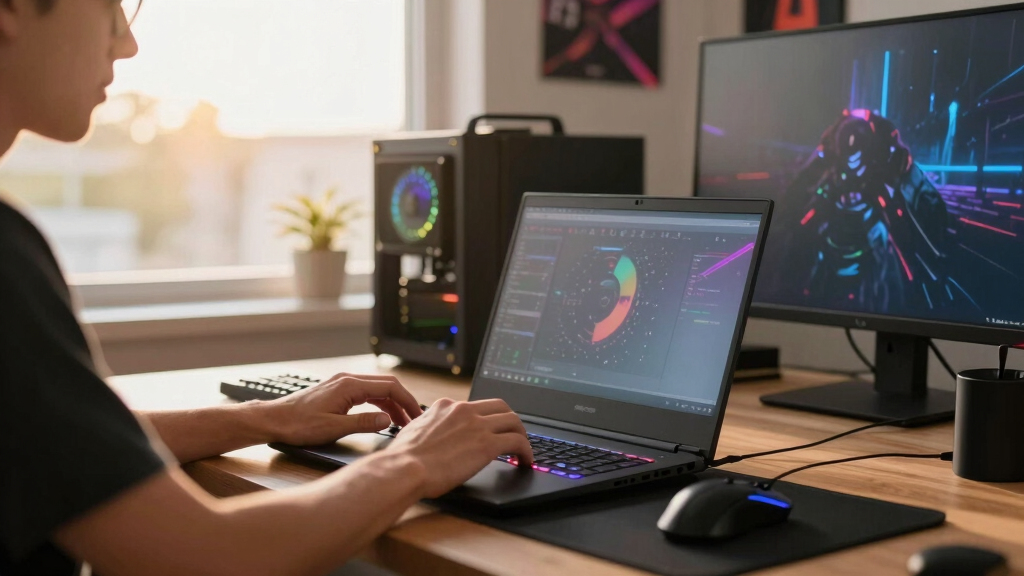
I ranked these personal computers by examining processor age and capability, usable memory, storage type, graphics performance, connectivity, and the flexibility of each form factor. I gave more weight to configurations that can handle several years of office work, study, media use, and light creative tasks without an immediate upgrade. The HP OmniDesk rose above systems with similarly generous memory because its Ryzen 7 8700G and Radeon 780M graphics cover a wider range of uses. I placed the Dell Core Ultra 7 tower next among premium choices, while less expensive renewed PCs earned value roles instead of leading positions because age and warranty uncertainty affect long-term ownership.
My ranking also accounts for setup simplicity, expansion room, display support, and operating-system suitability. An all-in-one receives credit for reducing setup work, but it ranks below comparable towers for repairability and future upgrades. Compact systems gain points for saving space, although their limited internal expansion prevents them from replacing full-size desktops for every buyer. I treated the two matching HP ProDesk G7 listings as duplicate configurations rather than separate performance tiers, and I did not treat Copilot branding on the HP laptop as a substitute for more memory or processing power.
| personal computer | Operating System | Graphics |
|---|---|---|
| HP 15.6" FHD Laptop 2026 Editi | Windows 11 Home | — |
| HP ProDesk G7 SFF Desktop Comp | Windows 11 Pro | — |
| Dell OptiPlex 7050 SFF Desktop | Windows 11 Pro | — |
| Dell Slim Desktop ECS1250 | Windows 11 Home | Intel UHD Graphics 730 |
| HP OmniDesk Desktop Computer P | Windows 11 Home 64-bit | AMD Radeon 780M |
| Dell Tower Desktop ECT1250 | Windows 11 Home | Intel UHD Graphics |
| Dell OptiPlex 7050 Desktop Com | Windows 11 Pro | Intel HD Graphics 630 |
| Dell 24 All-in-One Desktop ec2 | Windows 11 Home | Integrated graphics |
| Dell Slim Desktop ECS1250 | Windows 11 Home | Intel UHD Graphics |
| HP ProDesk G7 SFF Desktop Comp | Windows 11 Pro 64-bit | Intel UHD Graphics 730 |
| Dell Optiplex 3060 Desktop Com | Windows 11 Pro | — |
| HP ProDesk G7 SFF Desktop Comp | Windows 11 Pro | — |
| Dell 2026 Pro Desktop Tower PC | Windows 11 Pro | — |
| HP ProDesk 400 G9 SFF Business | Windows 11 Pro | Intel UHD Graphics |
| HP Pro 400 G9 Mini PC Desktop | Windows 11 Pro | Intel UHD Graphics |
Factors to Consider When Choosing Best Personal Computers
I would choose among these systems by matching the hardware to the work it will perform, rather than buying the largest specification numbers available. The biggest dividing lines are processor generation, memory capacity, storage design, form factor, and support coverage. A balanced configuration usually provides a better ownership experience than one oversized component paired with several weak ones.
Match Processor Power to the Workload
I would start with the processor family and generation because they shape responsiveness, power use, and how long the computer remains practical. Core Ultra and Ryzen 7 systems make sense for heavier multitasking, large spreadsheets, development tools, and recurring creative work. A current Core i3 or Core 3 can still provide smooth everyday performance for browsing, documents, video calls, and streaming. Older Core i5 and i7 labels can be misleading because a newer entry-level processor may match or surpass them in everyday tasks. The HP laptop’s Copilot branding does not automatically make its processor faster or its 8GB memory more capable. Shoppers often overpay for processor power they rarely use while accepting too little memory or storage. I would pay for the faster chip when demanding workloads are regular, not merely possible someday.
Choose Memory and Storage as a Pair
Sixteen gigabytes of RAM is my practical baseline for a new general-purpose computer in 2026, especially for buyers who keep many browser tabs and applications open. Eight gigabytes can serve light users, but the Dell all-in-one, entry Dell Slim, and HP laptop may reach their limits sooner during multitasking. Moving to 32GB of RAM pays off for virtual machines, large creative projects, data work, and buyers who plan to keep the system for many years. Storage needs separate attention: a fast 512GB SSD usually feels better than a large mechanical hard drive during startup and application launches. The HP ProDesk configuration pairing a 128GB SSD with a 1TB hard drive offers capacity, but managing files across two drives adds friction and the small system drive can fill quickly. A single 1TB PCIe SSD is the cleaner choice when budget permits. I would also check whether memory and storage are replaceable, since upgrade access can turn a modest starting configuration into a longer-lived purchase.
Pick the Right Form Factor Before Comparing Specs
A tower, small-form-factor desktop, mini PC, all-in-one, and laptop can share similar specifications while creating very different ownership experiences. Full towers offer the best expansion room for added storage, memory, and expansion cards, but they occupy more floor or desk space. Small-form-factor business desktops strike a useful middle ground, although low-profile cases can restrict graphics-card choices and cooling upgrades. The HP Pro 400 G9 Mini suits tidy workspaces and multi-monitor offices, yet its compact body leaves little room for internal expansion. Dell’s 24-inch all-in-one reduces cable clutter and includes a display, but replacing one failed component can be harder than replacing a separate monitor or desktop. I would choose the HP laptop only when mobility matters, since its 8GB memory and 256GB SSD are less generous than most desktops here.
Separate Display Support From Graphics Performance
Claims such as dual or triple 4K support describe how many high-resolution displays a computer can drive, not how well it will run games or render complex visual projects. Business productivity across several monitors requires far less graphics power than gaming at 4K. The Radeon 780M inside the HP OmniDesk is the strongest integrated graphics option in this group, giving it an advantage for light gaming and accelerated creative applications. Intel UHD and HD graphics are better matched to documents, streaming, dashboards, and video calls. Buyers planning serious gaming, 3D work, or sustained video production should confirm that the case, power supply, and motherboard can accept a dedicated graphics card. I would favor a tower for that path, while choosing the mini PC or all-in-one only when display connectivity matters more than graphics expansion.
Account for Age, Warranty, and the Real Final Price
Renewed business desktops can supply far more memory and storage per dollar than new consumer systems, which explains the appeal of the OptiPlex 3060 and older 7050 models. Their value depends on refurbisher quality, warranty length, component condition, and return terms. Older processors may also have weaker efficiency, fewer modern connections, and a shorter support horizon than current Core Ultra or 14th-generation models. I would verify Windows 11 processor support on the seventh-generation OptiPlex 7050 systems, since an installed copy of Windows 11 does not by itself prove standard hardware eligibility. Newer desktops usually cost more for lower headline specifications, but they offer new-component coverage and a longer expected service window. Add the price of a monitor, webcam, speakers, keyboard, and any planned memory upgrade before comparing a desktop with the Dell all-in-one or HP laptop. The best deal is the system with the lowest complete ownership cost for the required setup, not simply the lowest listing price.
Frequently Asked Questions
Should I buy a desktop, all-in-one, or laptop from this lineup?
I would choose a desktop tower or small-form-factor PC when performance, repair access, and future upgrades matter most. The Dell 24 All-in-One makes more sense for a beginner who wants one purchase, fewer cables, and no separate monitor search. The HP laptop is the only practical choice here for regular travel, classes, or work in several locations, but its 8GB memory and 256GB SSD limit its value as a primary high-demand computer. A mini PC fits a fixed workspace where space and multi-monitor support outweigh expansion. For most buyers who already own a display, a separate desktop offers the best balance of flexibility and serviceability.
Is 8GB of RAM enough for a personal computer in 2026?
Eight gigabytes is enough for light use such as email, document editing, streaming, and a modest number of browser tabs. It becomes restrictive when video meetings, cloud applications, large documents, and background utilities run together. I prefer 16GB for mainstream buyers because it leaves more breathing room without pushing the system into a high price tier. The 32GB configurations suit heavier multitasking and longer ownership, though they will not compensate for a very old or weak processor. If buying an 8GB model, I would confirm that its memory can be upgraded and include that cost in the comparison.
Are the renewed Dell OptiPlex desktops better buys than the new Dell models?
The renewed OptiPlex systems provide more RAM and storage for the money, making the 32GB and 1TB OptiPlex 3060 my value pick. A new Dell Slim or Pro tower counters with newer processor architecture, better efficiency, and clearer warranty expectations. Refurbished machines are attractive for office tasks, family use, or a secondary workstation when the seller offers strong return protection. I would avoid an older unit when uninterrupted daily operation, quiet running, or a long support life carries more weight than the initial saving. The decision rests on risk tolerance rather than specifications alone.
Can any of these computers handle gaming or creative work?
The HP OmniDesk’s Radeon 780M graphics make it the best option here for light gaming, photo editing, and less demanding creative applications without a separate graphics card. It is still not a replacement for a gaming desktop with dedicated graphics, especially at high settings or resolutions. The Dell Core Ultra towers provide strong processing power, but their integrated UHD graphics can become the limiting part of visually demanding workloads. Older Intel HD-equipped OptiPlex systems are best reserved for office work and media playback. For serious gaming, 3D rendering, or frequent high-resolution video production, I would buy an expandable tower with a suitable power supply and plan for a dedicated GPU.
Does Windows 11 Pro make a computer better for home use?
Windows 11 Pro does not make everyday applications run faster than Windows 11 Home. Its added value comes from features aimed at business administration, device management, remote access, and security policies. Home buyers who browse, study, stream, or play games usually gain little from paying extra for Pro. I would prioritize newer hardware, 16GB of memory, and adequate SSD capacity before choosing an operating-system edition. Business buyers managing company devices may prefer the Pro-equipped HP ProDesk, HP Pro 400, Dell Pro, or OptiPlex models because those administrative features can support established workplace practices.
Conclusion
For the broadest mix of home, office, media, and light creative work, my best overall choice is the HP OmniDesk with Ryzen 7 8700G. Its 32GB of DDR5 memory, 1TB SSD, and Radeon 780M graphics give it fewer weak points than the other configurations. My best premium pick is the Dell Tower ECT1250 with Core Ultra 7 for processor-heavy workloads and buyers who want a current high-end platform. The renewed Dell OptiPlex 3060 is my best value choice for shoppers willing to exchange some warranty confidence and longevity for 32GB of memory and a 1TB SSD.
For a first household PC or a simple study station, I would select the Dell 24 All-in-One as the best beginner option because its included screen reduces setup decisions. Buyers needing portability should choose the HP 15.6-inch laptop, while the HP Pro 400 G9 Mini is the best compact and multi-monitor pick. The HP ProDesk 400 G9 suits memory-heavy business use, and the Dell Core Ultra 5 Slim Desktop offers a sensible middle ground between older renewed hardware and the premium tower. I would skip duplicate HP ProDesk G7 listings unless one seller provides a clearly better price, warranty, or return policy.